Genres
Artists
Albums
Make Music
Sign in
Sign in
Artists
Idol Kayō
Artists
Idol Kayō
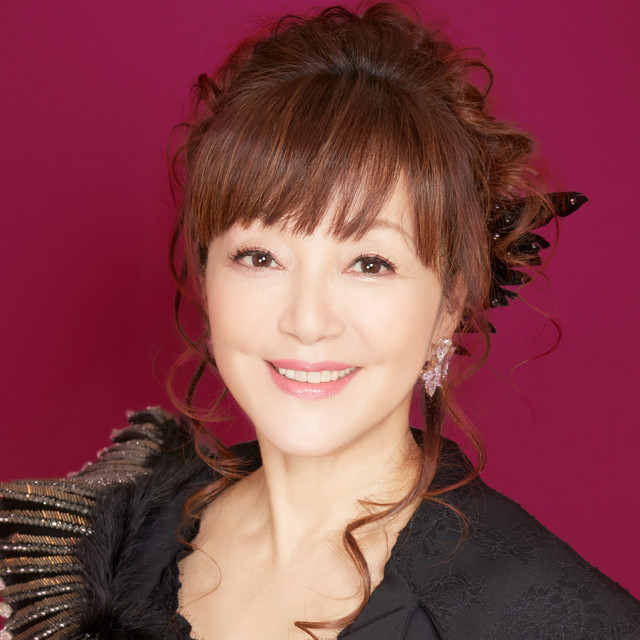
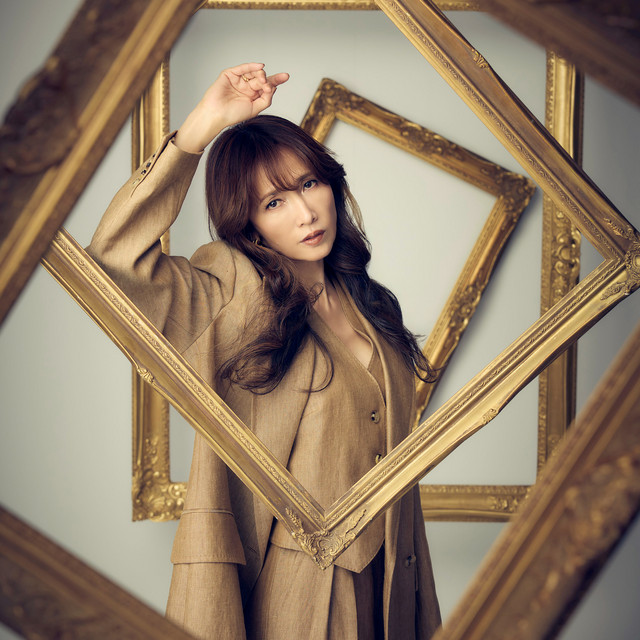
Hiromi Iwasaki
2007–2017
·
3 albums
Listen
3
/5
Genres
Asian Rock
Asian Rock (in the contemporary online-rap sense) is a pluggnb-derived microstyle that fuses the dense, bouncy percussion of pluggnb with bright, anime/Asian-rock-tinged melodic cues. Production typically layers airy bells, mallet or synth plucks, and shimmering pads with soaring synthetic guitar leads that nod to Japanese rock and anime-score aesthetics. Vocals lean melodic—half-sung, half-rapped—with light autotune and emotive hooks, riding swung hi-hats, skipping rimshots, and rubbery 808 slides. Rather than a geographic tag, this style labels a sonic palette: internet-native trap built on pluggnb drums and glossy, nostalgic melodies that evoke anime openings and J-rock guitar heroics.
Discover
Listen
J-Pop
J-pop (Japanese pop) is a broad umbrella for mainstream Japanese popular music that blends Western pop/rock, dance, and R&B with distinctly Japanese songwriting, vocal delivery, and industry practices. It is characterized by strong hooks, polished production, bright synths and guitars, frequent key changes and modulatory bridges, and chorus-first or chorus-centric structures. J-pop spans idol groups, singer-songwriters, band-oriented pop-rock, electronic dance-pop, and R&B ballads, while remaining closely tied to television, advertising, video games, and anime tie-ins (anisong).
Discover
Listen
Idol Kayō
Idol kayō is a strand of Japanese popular song (kayōkyoku) centered on manufactured "idol" singers who present a wholesome, approachable image alongside catchy, highly arranged pop tunes. It emphasizes bright melodies, simple romantic or seasonal themes, and choreography-ready hooks that translate well to television variety shows and live fan events. Sonically it sits between classic kayōkyoku and later J-pop, often blending disco rhythms, string and brass arrangements, and early synth-pop colors, with key changes and memorable refrains designed for mass appeal.
Discover
Listen
City Pop
City pop is a sleek, cosmopolitan strain of Japanese popular music that emerged in the late 1970s and flourished throughout the 1980s. It fuses the polish of Western AOR and soft rock with funk, disco, jazz fusion, and boogie grooves, wrapping them in sophisticated harmonies and studio gloss. Built for car stereos, FM radio, and neon-lit nightlife, the style favors tight rhythm sections, lush keyboards (Rhodes, FM synths), clean chorus-laden guitars, and sax or synth leads. Lyrics often paint aspirational urban scenes—coastal highways, midnight drives, summer romance—balancing breezy optimism with a bittersweet, nostalgic hue. After a period of relative dormancy in the 1990s, city pop enjoyed a global revival in the 2010s via YouTube algorithms, online crate-digging, and sample-based microgenres, turning once-domestic hits into worldwide cult classics.
Discover
Listen
Disco
Disco is a dance-music genre and nightlife subculture that crystallized in the United States during the 1970s, drawing especially from African-American, Italian-American, Latino, and queer club communities. Musically, disco is typified by a steady four-on-the-floor kick drum, syncopated and melodic electric-bass lines, lush string sections, bright brass and horns, electric pianos and synthesizers, and percussive, choppy rhythm guitars. Arrangements often feature orchestral colors, handclaps, congas, and vibraphone or bell textures, all engineered to deliver a continuous, groove-forward experience for the dance floor. The style combines the rich orchestration and romantic sweep of Philadelphia soul with the bottom-end drive of funk and the songcraft of contemporary R&B/pop, delivered in DJ-friendly extended mixes and 12-inch singles designed for club play.
Discover
Listen
Funk
Funk is a rhythm-forward African American popular music style that centers on groove, syncopation, and interlocking parts. Rather than emphasizing complex chord progressions, funk builds tight, repetitive vamps that highlight the rhythm section and create an irresistible dance feel. The genre is marked by syncopated drum patterns, melodic yet percussive bass lines, choppy guitar "chanks," punchy horn stabs, call‑and‑response vocals, and a strong backbeat. Funk’s stripped-down harmony, prominent use of the one (accenting the downbeat), and polyrhythmic layering draw deeply from soul, rhythm and blues, jazz, gospel, and African rhythmic traditions. From James Brown’s late-1960s innovations through the expansive P-Funk universe and the slicker sounds of the 1970s and 1980s, funk has continually evolved while seeding countless other genres, from disco and hip hop to house and modern R&B.
Discover
Listen
Enka
Enka is a Japanese popular song style known for its sentimental ballads, expressive vocals with wide vibrato, and dramatic, narrative delivery. It evokes nostalgia for hometowns, bygone eras, and lost love, often painting scenes of coastal ports, country roads, and seasonal landscapes. Musically, enka blends Western harmonic frameworks with Japanese melodic sensibilities. Melodies often use yonanuki (four-note-omission) major or minor pentatonic variants, creating a “traditional” Japanese color over simple, diatonic progressions. Arrangements favor lush strings, reverb-laden guitars, saxophone obbligatos, and occasional traditional timbres (shamisen or shakuhachi) for color. Culturally, enka rose to mass popularity during the postwar Shōwa era and remains tied to television variety shows, karaoke bars, and live theater venues. Its performance practice foregrounds pathos, rubato phrasing, and ornamental turns called kobushi.
Discover
Listen
Pop
Pop is a broad, hook-driven style of popular music designed for wide appeal. It emphasizes memorable melodies, concise song structures, polished vocals, and production intended for radio, charts, and mass media. While pop continually absorbs elements from other styles, its core remains singable choruses, accessible harmonies, and rhythmic clarity. Typical forms include verse–pre-chorus–chorus, frequent use of bridges and middle-eights, and ear-catching intros and outros. Pop is not defined by a single instrumentation. It flexibly incorporates acoustic and electric instruments, drum machines, synthesizers, and increasingly digital production techniques, always in service of the song and the hook.
Discover
Listen
Rock
Rock is a broad family of popular music centered on amplified instruments, a strong backbeat, and song forms that foreground riffs, choruses, and anthemic hooks. Emerging from mid‑20th‑century American styles like rhythm & blues, country, and gospel-inflected rock and roll, rock quickly expanded in scope—absorbing folk, blues, and psychedelic ideas—while shaping global youth culture. Core sonic markers include electric guitar (often overdriven), electric bass, drum kit emphasizing beats 2 and 4, and emotive lead vocals. Rock songs commonly use verse–chorus structures, blues-derived harmony, and memorable melodic motifs, ranging from intimate ballads to high‑energy, stadium‑sized performances.
Discover
Listen
Kayōkyoku
Kayōkyoku is a broad umbrella of Japanese popular song that dominated the nation’s mainstream from the prewar era through the 1980s, before the term J‑pop became prevalent. It blends Western popular idioms—such as jazz, swing, tango, and later rock and roll—with Japanese melodic sensibilities and lyric themes. Stylistically, kayōkyoku favors clear, memorable melodies, polished vocal delivery, and orchestral or big‑band arrangements. Its songs often use Western song forms (AABA or verse–chorus), while retaining a distinctly Japanese emotional tone rooted in nostalgia, romance, and everyday urban life.
Discover
Listen
Ballad
A ballad is a narrative song form that tells a story in simple, singable stanzas, traditionally using quatrains in ballad meter (alternating lines of iambic tetrameter and trimeter with an ABCB rhyme scheme). Ballads typically recount dramatic events—love, betrayal, tragedy, murder, the supernatural—or notable historical incidents. Early ballads were often sung unaccompanied or with minimal accompaniment, carried by memorable, modal melodies and refrains that aided oral transmission. Over time, the term also came to describe slow, sentimental popular songs in the 20th century, but the core of the genre remains the storytelling focus and strophic, easily learned structure. Ballads are central to the English- and Scots-language folk traditions, migrated to North America where they flourished in Appalachian singing, and continue to be performed, adapted, and reinterpreted in contemporary folk and roots scenes.
Discover
Listen
Show all 11 genres
Albums
2017
3
/5
Beauty and the Beast (Original Motion Picture Soundtrack/Japanese Version)
Hiromi Iwasaki
Idol Kayō
2007
2
/5
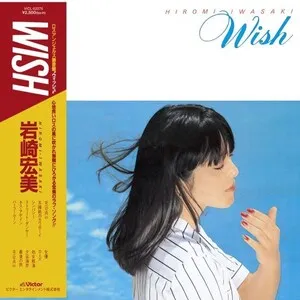
Wish
Hiromi Iwasaki 岩崎宏美
Idol Kayō
Kayōkyoku
Funk
2007
1
/5
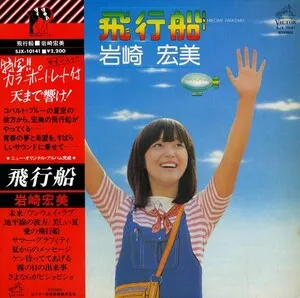
Hikōsen 飛行船
Hiromi Iwasaki 岩崎宏美
Idol Kayō
Ballad
Disco
Similar artists
3
/5
Akina Nakamori
Idol Kayō
Techno Kayō
Kayōkyoku
3
/5
Seiko Matsuda
Idol Kayō
City Pop
Enka
3
/5
Shizuka Kudo
Idol Kayō
Enka
J-Pop
3
/5
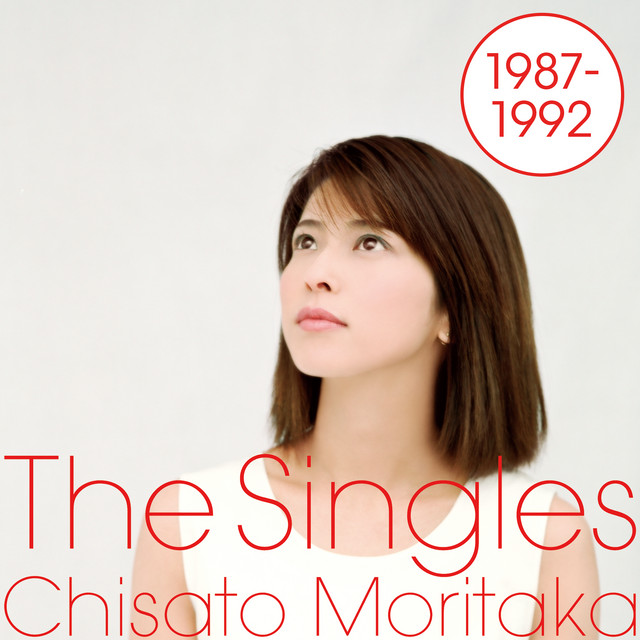
Chisato Moritaka
Idol Kayō
Enka
J-Pop
3
/5
Kyoko Koizumi
Techno Kayō
Idol Kayō
Enka
3
/5
Yumi Matsutoya
Enka
City Pop
J-Pop
3
/5
Yuki Saito
J-Pop
Kayōkyoku
City Pop
3
/5
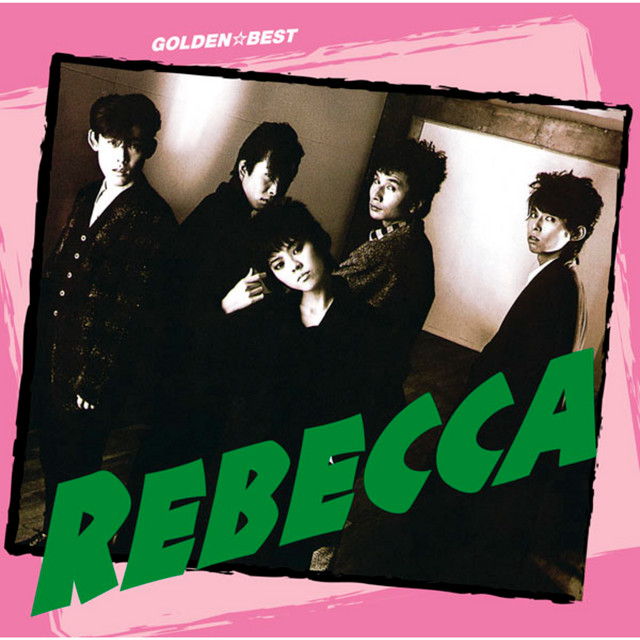
REBECCA
Beat Rock
City Pop
Enka
3
/5
Misato Watanabe
City Pop
Enka
J-Pop
3
/5
Naoko Ken
City Pop
Enka
J-Pop
Download our mobile app
Get the Melodigging app and start digging for new genres on the go
Download on the App Store
Get it on Google Play
© 2026 Melodigging
Give feedback
Legal
Melodding was created as a tribute to
Every Noise at Once
, which inspired us to help curious minds keep digging into music's ever-evolving genres.