Genres
Artists
Albums
Make Music
Sign in
Sign in
Artists
J-Pop
Artists
J-Pop
Yuki Saito
2009
·
2 albums
Listen
3
/5
Genres
Vaporwave
Vaporwave is an internet-born microgenre and visual aesthetic that repurposes late‑20th‑century commercial sound—mu zak, smooth jazz, soft rock, synth‑pop, city pop, and corporate training tapes—into hazy, slowed, and looped collages. Its sound foregrounds pitched‑down samples, heavy reverb, tape hiss, vinyl crackle, and dreamy pads to evoke a mood between satire and sincere nostalgia. Beyond music, vaporwave is inseparable from its graphic language: Greco‑Roman busts, Japanese text, retro operating systems, chrome logos, palm trees, neon gradients, and “mall culture” architecture. The result feels like a haunted shopping mall: part critique of consumer capitalism, part wistful memory of media and retail spaces from the 1980s–2000s. Tempos are typically slow (roughly 60–90 BPM), harmonies tend toward lush seventh and extended chords, and rhythms range from barely perceptible loops to minimal, gated drum programming. Many tracks are short, vignette‑like studies in texture and mood.
Discover
Listen
Future Funk
Future funk is an internet-born dance microgenre that fuses the sample-heavy ethos of vaporwave with the upbeat grooves of disco, funk, and Japanese city pop. Producers typically chop and pitch up catchy hooks from late-1970s and 1980s records, loop them over four-on-the-floor drums, and apply filter sweeps and sidechain compression in the spirit of French house. The result is a sparkling, high-energy sound that feels both retro and forward-looking. Visually and culturally, the scene leans into neon-soaked, anime-tinged aesthetics and nostalgic party energy, turning classic pop and boogie flavors into compact, danceable edits tailored for the web era.
Discover
Listen
J-Pop
J-pop (Japanese pop) is a broad umbrella for mainstream Japanese popular music that blends Western pop/rock, dance, and R&B with distinctly Japanese songwriting, vocal delivery, and industry practices. It is characterized by strong hooks, polished production, bright synths and guitars, frequent key changes and modulatory bridges, and chorus-first or chorus-centric structures. J-pop spans idol groups, singer-songwriters, band-oriented pop-rock, electronic dance-pop, and R&B ballads, while remaining closely tied to television, advertising, video games, and anime tie-ins (anisong).
Discover
Listen
Idol Kayō
Idol kayō is a strand of Japanese popular song (kayōkyoku) centered on manufactured "idol" singers who present a wholesome, approachable image alongside catchy, highly arranged pop tunes. It emphasizes bright melodies, simple romantic or seasonal themes, and choreography-ready hooks that translate well to television variety shows and live fan events. Sonically it sits between classic kayōkyoku and later J-pop, often blending disco rhythms, string and brass arrangements, and early synth-pop colors, with key changes and memorable refrains designed for mass appeal.
Discover
Listen
City Pop
City pop is a sleek, cosmopolitan strain of Japanese popular music that emerged in the late 1970s and flourished throughout the 1980s. It fuses the polish of Western AOR and soft rock with funk, disco, jazz fusion, and boogie grooves, wrapping them in sophisticated harmonies and studio gloss. Built for car stereos, FM radio, and neon-lit nightlife, the style favors tight rhythm sections, lush keyboards (Rhodes, FM synths), clean chorus-laden guitars, and sax or synth leads. Lyrics often paint aspirational urban scenes—coastal highways, midnight drives, summer romance—balancing breezy optimism with a bittersweet, nostalgic hue. After a period of relative dormancy in the 1990s, city pop enjoyed a global revival in the 2010s via YouTube algorithms, online crate-digging, and sample-based microgenres, turning once-domestic hits into worldwide cult classics.
Discover
Listen
Kayōkyoku
Kayōkyoku is a broad umbrella of Japanese popular song that dominated the nation’s mainstream from the prewar era through the 1980s, before the term J‑pop became prevalent. It blends Western popular idioms—such as jazz, swing, tango, and later rock and roll—with Japanese melodic sensibilities and lyric themes. Stylistically, kayōkyoku favors clear, memorable melodies, polished vocal delivery, and orchestral or big‑band arrangements. Its songs often use Western song forms (AABA or verse–chorus), while retaining a distinctly Japanese emotional tone rooted in nostalgia, romance, and everyday urban life.
Discover
Listen
Albums
2009
1
/5
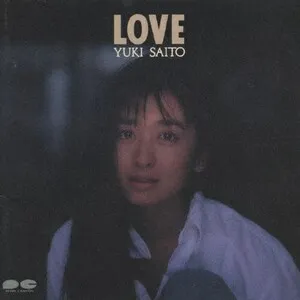
Love
Yuki Saito 斉藤由貴
Idol Kayō
Kayōkyoku
J-Pop
2009
2
/5
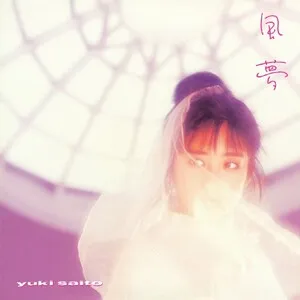
Huumu 風夢
Yuki Saito 斉藤由貴
Idol Kayō
Similar artists
3
/5
Shizuka Kudo
Idol Kayō
Enka
J-Pop
3
/5
Akina Nakamori
Idol Kayō
Techno Kayō
Kayōkyoku
3
/5
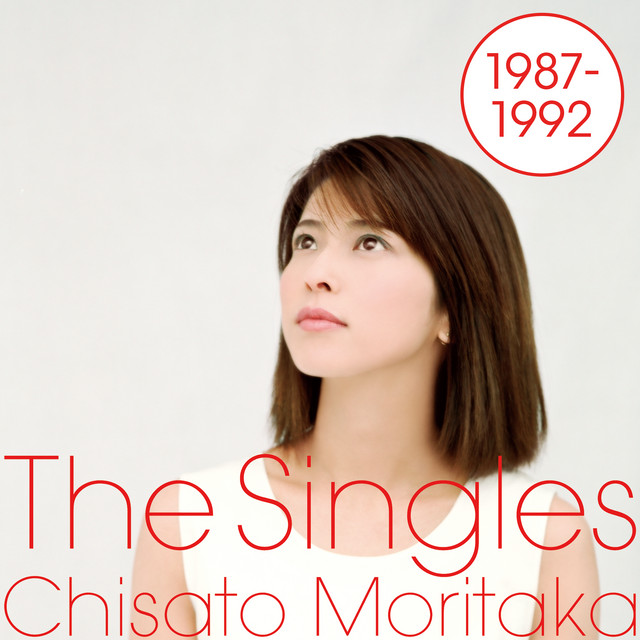
Chisato Moritaka
Idol Kayō
Enka
J-Pop
4
/5
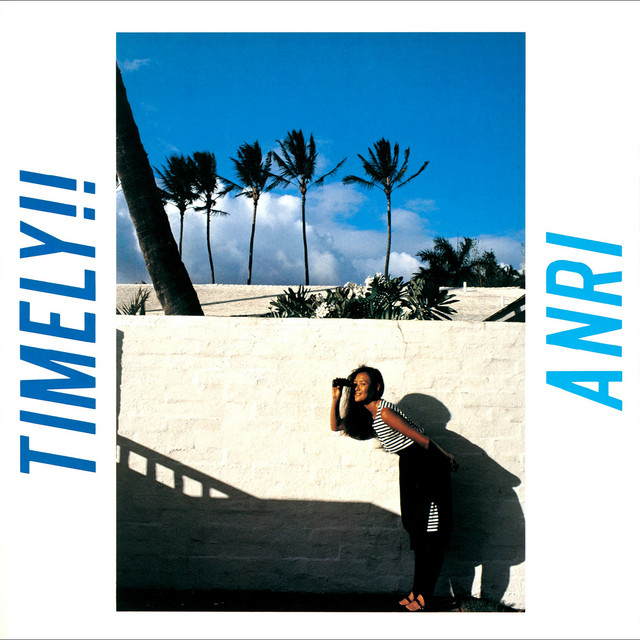
Anri
City Pop
J-Pop
Neo-City Pop
3
/5
Seiko Matsuda
Idol Kayō
City Pop
Enka
3
/5
Momoko Kikuchi
City Pop
Idol Kayō
Electronic
3
/5
Hiromi Iwasaki
Idol Kayō
City Pop
Enka
3
/5
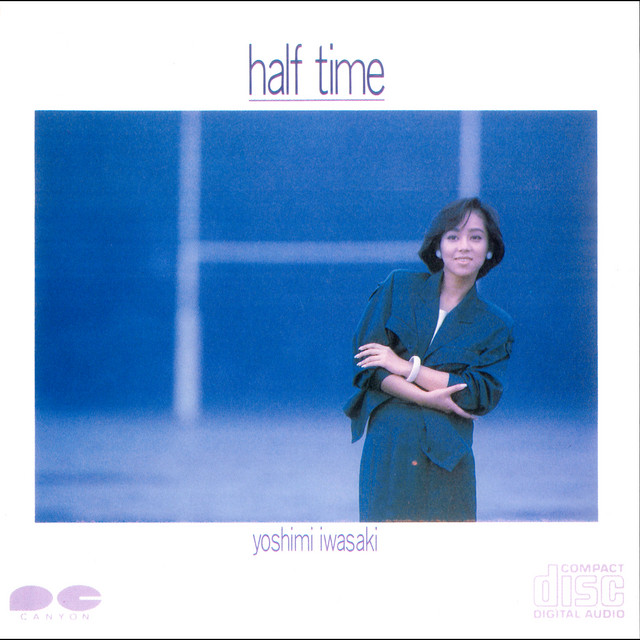
Yoshimi Iwasaki
J-Pop
Anime
City Pop
2
/5
Mari Iijima
Techno Kayō
Idol Kayō
City Pop
2
/5
Yukiko Okada
Idol Kayō
Pop
City Pop
Download our mobile app
Get the Melodigging app and start digging for new genres on the go
Download on the App Store
Get it on Google Play
© 2026 Melodigging
Give feedback
Legal
Melodding was created as a tribute to
Every Noise at Once
, which inspired us to help curious minds keep digging into music's ever-evolving genres.