Genres
Artists
Albums
Make Music
Sign in
Sign in
Artists
Visual Kei
Artists
Visual Kei
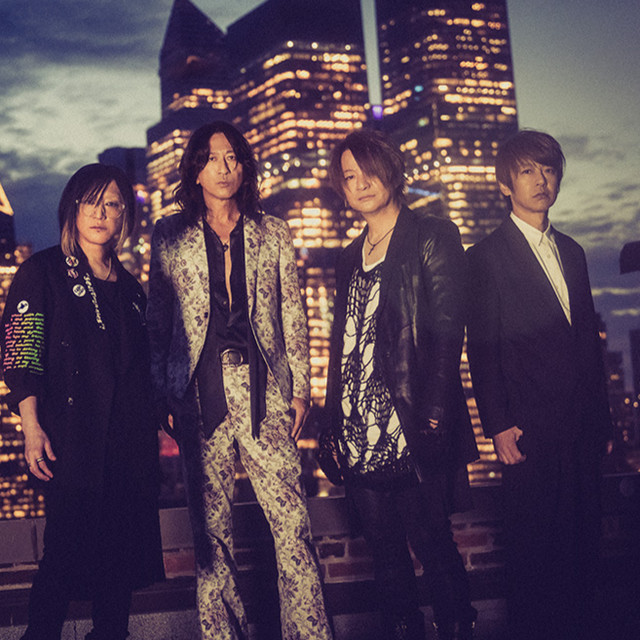
GLAY
1994–2025
·
3 albums
Listen
3
/5
Genres
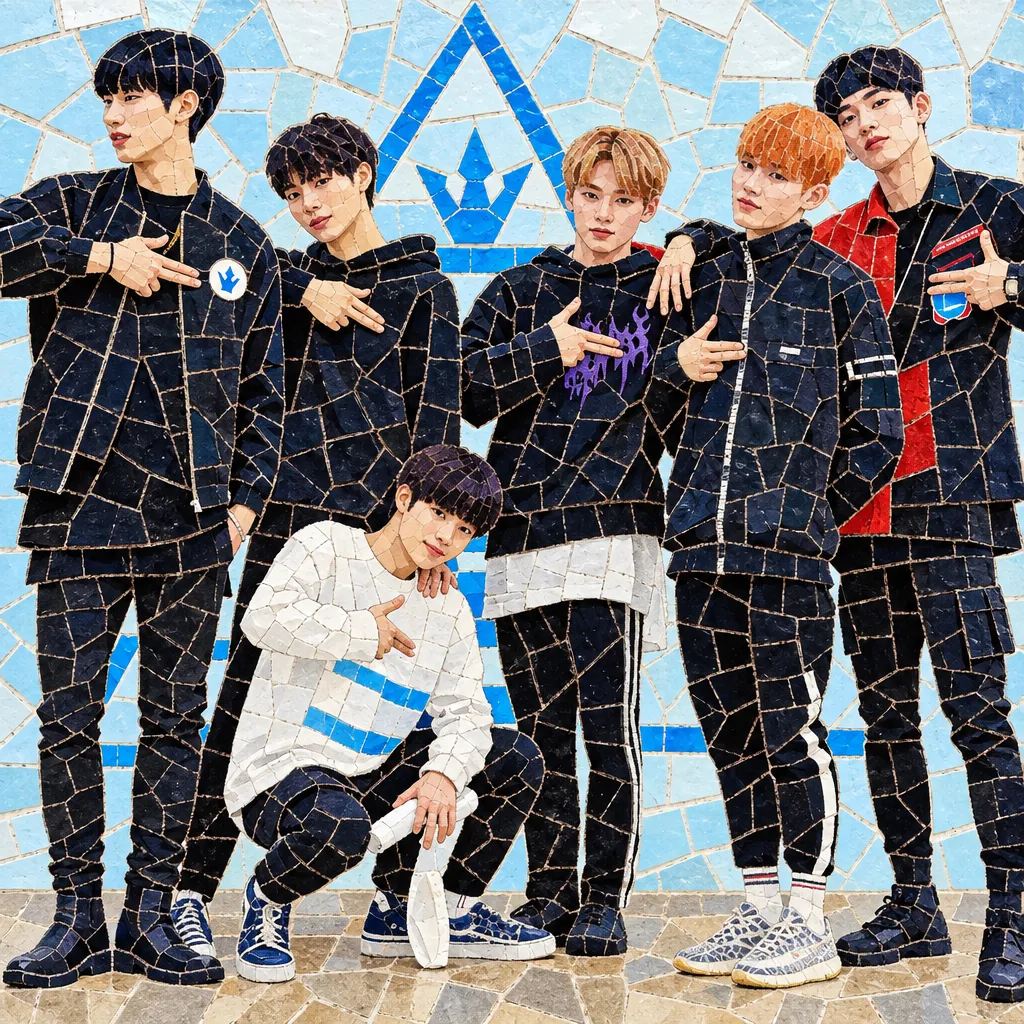
K-Pop Reality Show
K-pop reality show is a meta-genre covering songs created for, by, and around Korean idol survival and audition reality programs. These tracks include opening themes, mission/evaluation songs, performance battles, interim unit releases, and debut singles from project groups formed on-air. Musically, they lean on high-impact K-pop tropes: bright dance-pop hooks, EDM drops, trap-inflected rap breaks, chantable group refrains, and climactic modulations. Lyrically, they highlight aspiration, perseverance, teamwork, and “dream-come-true” narratives designed to resonate with viewer voting and fan participation. Because songs must showcase many contestants at once, arrangements emphasize short lines, obvious part distribution (center/killing parts, main vocal/rap), and choreography-ready structures that read clearly on camera.
Discover
Listen
Soft Visual
Soft Visual is a pop-leaning branch of Japan’s Visual Kei movement that emerged in the 1990s. It retains the scene’s stylish presentation but favors toned‑down, “classy” and casual clothing and more natural makeup over the heavy, gothic or extreme looks of its contemporaries. Musically, Soft Visual leans toward radio‑friendly J‑rock and J‑pop songwriting: clear hooks, bright guitar textures, mid‑tempo grooves, and emotive but clean vocals. It stands in deliberate contrast to darker, heavier Visual Kei strains (e.g., kote‑kei, angura‑kei), emphasizing accessibility, melody, and mainstream crossover.
Discover
Listen
J-Pop
J-pop (Japanese pop) is a broad umbrella for mainstream Japanese popular music that blends Western pop/rock, dance, and R&B with distinctly Japanese songwriting, vocal delivery, and industry practices. It is characterized by strong hooks, polished production, bright synths and guitars, frequent key changes and modulatory bridges, and chorus-first or chorus-centric structures. J-pop spans idol groups, singer-songwriters, band-oriented pop-rock, electronic dance-pop, and R&B ballads, while remaining closely tied to television, advertising, video games, and anime tie-ins (anisong).
Discover
Listen
Visual Kei
Visual kei is a Japanese rock/metal-centered movement defined as much by its theatrical, gender-fluid visual presentation as by its sound. Bands employ elaborate makeup, dramatic hairstyles, flamboyant or gothic costumes, and stylized stagecraft to create a total art experience that fuses music and spectacle. Musically, visual kei spans hard rock, heavy/speed metal, punk/post-punk, new wave, and gothic influences, often blending melodic hooks with virtuosic guitar work, dynamic arrangements, and emotionally charged vocals. Lyrical themes commonly explore romance, decadence, existential angst, fantasy, and nostalgic longing, while arrangements may incorporate strings, synths, or piano for cinematic effect. Substyles like kote kei (early, heavier), Nagoya kei (darker, post-punk/goth-leaning), and later softer or pop-inflected variants illustrate its breadth and evolution.
Discover
Listen
Beat Rock
Beat Rock is a Japanese mainstream rock style that emerged in the late 1980s, blending the punch and hooks of pop rock and power pop with the sleek, danceable pulse of new wave and synth-pop. It is characterized by tight 8-beat drum grooves, bright guitar riffs (often with chorus effects), catchy sing-along choruses, and glossy, radio-ready production with gated reverbs and synth stabs. Many songs feature key changes for climactic final choruses, big backing-vocal harmonies, and a balance of urban nightlife imagery, youthful romance, and aspirational sentiment. Although rooted in rock instrumentation, Beat Rock is unabashedly melodic and accessible, occupying a sweet spot between hard rock energy and J-pop immediacy. Its sound became a blueprint for much of Japan’s mainstream rock in the late 80s and early 90s and a frequent template for television and anime themes of the era.
Discover
Listen
J-Rock
J-rock (Japanese rock) is the umbrella term for rock music created in Japan, spanning everything from classic rock, punk, and metal to alternative, indie, and progressive strains. It blends Western rock instrumentation and songcraft with Japanese melodic sensibilities, crisp production, and lyrics primarily in Japanese (often mixed with some English phrases). Typical features include hook-forward choruses, expressive guitar leads, tight rhythm sections, and dynamic arrangements that can pivot from delicate verses to big, anthemic refrains. Because of Japan’s media ecosystem, J-rock frequently intersects with anime, TV dramas, and video games, which helps bands reach mainstream audiences while retaining a band-centric, live-performance identity. Although stylistically diverse, J-rock commonly emphasizes memorable melodies, emotional catharsis, and precise musicianship, with influences ranging from British Invasion and classic rock to punk/new wave, progressive rock, and heavy metal.
Discover
Listen
Pop Rock
Pop rock blends the hook-focused immediacy of pop with the instrumentation and drive of rock. It prioritizes catchy melodies, concise song structures, and polished production while retaining guitars, bass, and drums as core elements. Typical pop rock tracks use verse–pre-chorus–chorus forms, strong vocal harmonies, and memorable riffs. The sound ranges from jangly and bright to mildly overdriven and arena-ready, aiming for radio-friendly appeal without abandoning rock’s rhythmic punch.
Discover
Listen
Rock
Rock is a broad family of popular music centered on amplified instruments, a strong backbeat, and song forms that foreground riffs, choruses, and anthemic hooks. Emerging from mid‑20th‑century American styles like rhythm & blues, country, and gospel-inflected rock and roll, rock quickly expanded in scope—absorbing folk, blues, and psychedelic ideas—while shaping global youth culture. Core sonic markers include electric guitar (often overdriven), electric bass, drum kit emphasizing beats 2 and 4, and emotive lead vocals. Rock songs commonly use verse–chorus structures, blues-derived harmony, and memorable melodic motifs, ranging from intimate ballads to high‑energy, stadium‑sized performances.
Discover
Listen
Kayōkyoku
Kayōkyoku is a broad umbrella of Japanese popular song that dominated the nation’s mainstream from the prewar era through the 1980s, before the term J‑pop became prevalent. It blends Western popular idioms—such as jazz, swing, tango, and later rock and roll—with Japanese melodic sensibilities and lyric themes. Stylistically, kayōkyoku favors clear, memorable melodies, polished vocal delivery, and orchestral or big‑band arrangements. Its songs often use Western song forms (AABA or verse–chorus), while retaining a distinctly Japanese emotional tone rooted in nostalgia, romance, and everyday urban life.
Discover
Listen
Show all 9 genres
Albums
2025
3
/5
Dead Or Alive
GLAY
Visual Kei
Kayōkyoku
1996
3
/5
Beloved
Glay
Soft Visual
1994
2
/5
灰とダイヤモンド
Glay
Beat Rock
Soft Visual
Rock
Similar artists
3
/5
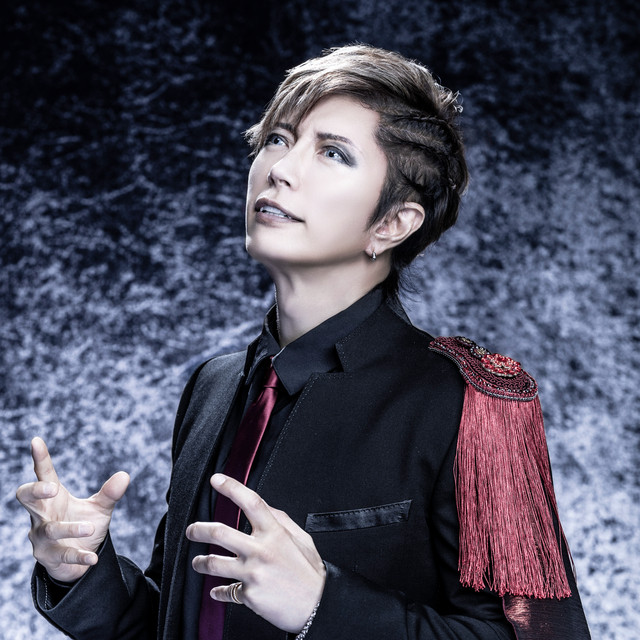
GACKT
Soft Visual
Rock
Alternative Rock
4
/5
ONE OK ROCK
Visual Kei
K-Rock
J-Rock
4
/5
L'Arc-en-Ciel
Visual Kei
Soft Visual
Anime
3
/5
BUCK-TICK
Visual Kei
Beat Rock
Rock
3
/5
LUNA SEA
Visual Kei
Soft Visual
J-Rock
4
/5
RADWIMPS
Visual Kei
Anime
J-Pop
3
/5
SID
J-Pop
Visual Kei
Anime
3
/5
THE YELLOW MONKEY
Visual Kei
J-Pop
J-Rock
3
/5
X JAPAN
Visual Kei
J-Pop
J-Rock
3
/5
MIYAVI
Soft Visual
Dark Pop
Gamecore
Download our mobile app
Get the Melodigging app and start digging for new genres on the go
Download on the App Store
Get it on Google Play
© 2026 Melodigging
Give feedback
Legal
Melodding was created as a tribute to
Every Noise at Once
, which inspired us to help curious minds keep digging into music's ever-evolving genres.