Your digging level

For this genre
0/8
🏆
Sign in, then listen to this genre to level up

Description

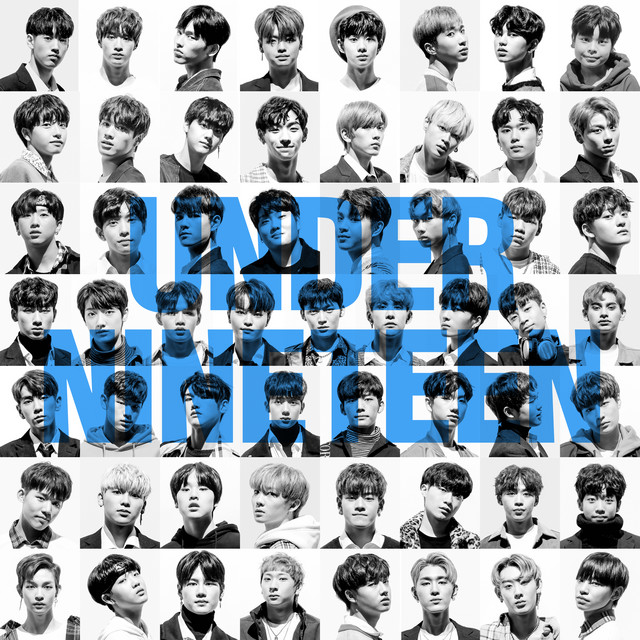
K-pop reality show is a meta-genre covering songs created for, by, and around Korean idol survival and audition reality programs. These tracks include opening themes, mission/evaluation songs, performance battles, interim unit releases, and debut singles from project groups formed on-air.

Musically, they lean on high-impact K-pop tropes: bright dance-pop hooks, EDM drops, trap-inflected rap breaks, chantable group refrains, and climactic modulations. Lyrically, they highlight aspiration, perseverance, teamwork, and “dream-come-true” narratives designed to resonate with viewer voting and fan participation.

Because songs must showcase many contestants at once, arrangements emphasize short lines, obvious part distribution (center/killing parts, main vocal/rap), and choreography-ready structures that read clearly on camera.


Sources: Spotify, Wikipedia, Discogs, RYM, MB, user feedback and other online sources

History

Origins (late 2000s–early 2010s)

The template emerged as Korean television increasingly merged idol training with reality formats. Early survival/audition shows established the idea that songs had to function as both pop releases and competitive evaluation pieces, with clear roles for contestants and camera-friendly “killing parts.”

The 2010s Boom

The 2010s saw a surge of large-scale survival franchises that normalized the sound and aesthetics: monumental theme songs to open each season, mid-season mission tracks tailored to specific concepts (cute, girl/boy crush, hip-hop, dance), and finale songs designed for maximum impact and voting momentum. Project groups formed on these shows routinely scored chart-topping debuts, cementing the repertoire as a recognizable sub-field within K-pop.

Globalization and Spin‑offs

As the format globalized, sister programs in Japan, China, and beyond adapted the same musical grammar—anthemic hooks, massed choruses, and choreography-first production—while localizing language and style. The cross-market success of project groups and the virality of performance clips on social video accelerated the spread.

Aesthetics and Production Conventions

Songs prioritize concise sections so many trainees can be featured: 2–4-bar lines, rapid hand-offs, and clear moments for the “center.” Arrangements commonly include a acapella pre-chorus lift, explosive drops, and a last-chorus key change. Visual staging (costume color-coding, level formations) is baked into musical dynamics and ad-libs.

Industry Impact and Critiques

The format reshaped trainee pipelines, A&R cycles, and fan engagement (fanchants, real-time voting). It also prompted debate on trainee well-being and the ephemerality of project groups, while raising the production bar for performance-ready, camera-optimized pop.


How to make a track in this genre

Core Structure
•   Write with camera clarity in mind: short lines that can be passed between many performers, plus a distinct “center” or “killing part.” •   Common form: Intro → Verse 1 (distributed lines) → Pre-chorus (lift) → Chorus (unison/chant hook) → Rap/Dance break → Verse 2 → Pre-chorus → Chorus → Bridge (high vocal or chant) → Final chorus with key change.
Harmony, Melody, and Hooks
•   Keep harmony simple (I–V–vi–IV or related variants) to foreground melody and choreography. •   Use strong pentatonic or stepwise chorus melodies, often doubled in synths for impact. •   Plan a final-chorus modulation (+1 or +2 semitones) for a “vote-lifting” climax.
Rhythm, Tempo, and Groove
•   Dance-pop/EDM missions: 118–130 BPM with four-on-the-floor kicks, sidechained synths, and risers. •   Hip-hop missions: 140–150 BPM trap feel (or 70–75 half-time) with crisp 808s and rapid hi-hat patterns. •   Build in a dance break (8–16 bars) with stripped harmony for choreography focus.
Instrumentation and Sound Design
•   Layered pop-EDM palette: bright saw leads, supersaws for chorus, brassy stabs, noisy risers, and subby 808s. •   Use crowd-friendly FX (claps, chants, tom fills) that translate to arena or TV studio acoustics. •   Keep vocals stacked in choruses (unison doubles + octaves) for a massed effect; leave space for call‑and‑response ad‑libs.
Vocal Casting and Part Distribution
•   Assign lines to feature different strengths: high belters for pre-chorus lifts, stable centers for hooks, charismatic rappers for breaks. •   Leave micro-pauses for fanchants; ensure clear cue points for formations and camera cuts.
Lyrics and Themes
•   Emphasize aspiration (“dream,” “debut,” “together,” “shine”), teamwork, and resilience. •   Keep phrasing simple and memorable; prioritize chantable English/Korean catchphrases.
Mixing and Presentation
•   Bright pop top end (3–10 kHz sheen), tight low-end control for broadcast systems, and clear sidechain movement. •   Master loud but clean; ensure the chorus hits hard without masking vocals. •   Arrange with staging in mind: dynamic drops for formation reveals and spotlight moments.
🧳EP 1-1 FULL | 일단 기본안무로 몸부터 풀고 시작할게요 | 🧳💙출장십오야 X JYP
채널십오야

Main artists

Top tracks

Locked
Share your favorite track to unlock other users’ top tracks

Upcoming concerts

in this genre
Influenced by
Has influenced

Download our mobile app

Get the Melodigging app and start digging for new genres on the go
© 2026 Melodigging
Melodding was created as a tribute to Every Noise at Once, which inspired us to help curious minds keep digging into music's ever-evolving genres.
Buy me a coffee for Melodigging