Your digging level

For this genre
0/8
🏆
Sign in, then listen to this genre to level up

Description

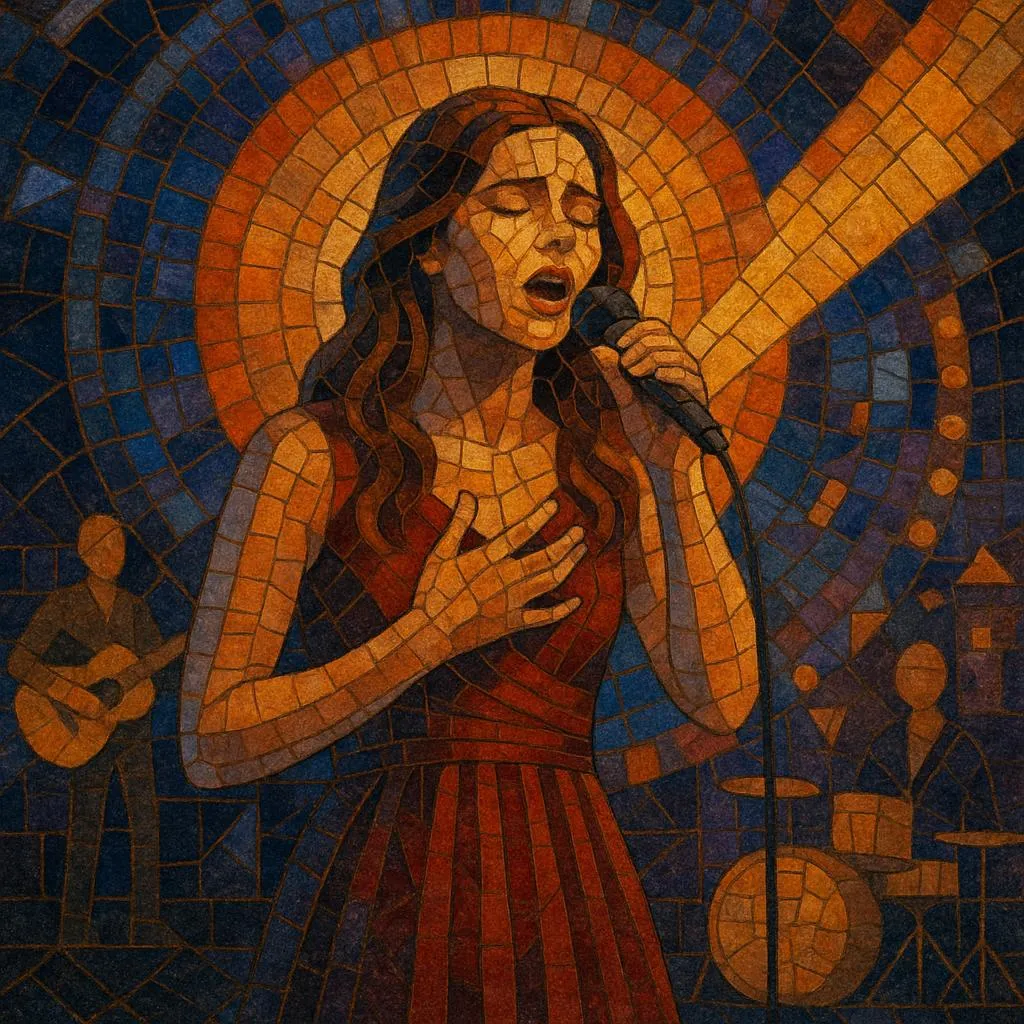
Talentkonkurranse is a Norwegian scene tag that groups music created by contestants and winners of televised talent competitions such as Idol, The Voice – Norges beste stemme, X Factor Norge, and Norske Talenter.

Musically, releases tend to be mainstream-friendly pop, pop-rock, and contemporary R&B ballads or anthems, often derived from high‑impact TV performances. Many tracks are studio versions of covers or original singles commissioned during or just after the shows. The production is vocal‑forward, with polished arrangements (piano, acoustic guitar, strings, or modern pop beats), dynamic builds, and radio-ready hooks. Lyrics appear in both Norwegian and English.

Because the ecosystem centers on TV formats and live broadcasts, the aesthetic emphasizes star vocals, storytelling, and emotional immediacy—qualities that translate well from audition clips and live “moment” performances to streaming singles.


Sources: Spotify, Wikipedia, Discogs, RYM, MB, user feedback and other online sources

History

Overview

“Talentkonkurranse” (Norwegian for “talent competition”) crystallized in Norway in the early 2000s with the arrival of global reality‑TV music franchises. The tag describes a repertoire that grew around national broadcasts, where contestants’ standout performances were quickly turned into singles and eventually artist careers.

2000s: Launch and first stars

The Norwegian version of Idol debuted in the early 2000s and immediately produced charting artists. The formula—televised auditions, live shows, public voting, instant singles of covers or freshly written originals—shaped a recognizable sound: big, emotive vocals and accessible pop writing designed to land in prime-time and on radio.

2010s: Streaming era and diversification

With streaming’s rise, songs from weekly episodes could be cleared, mastered, and released within days. Parallel series (The Voice, X Factor, Norske Talenter) expanded stylistic breadth, from pop and soul to singer‑songwriter and light rock, yet the throughline remained: vocal-centric, polished, and story‑driven. Contestants increasingly released bilingual repertoires (Norwegian and English) to reach domestic and international audiences.

Platforms, repertoire, and live–studio loop

Program tie‑ins (official show playlists, “fra TV‑programmet” versions, compilation albums) normalized releasing live and studio takes of the same song. Viral audition moments became catalysts for career launches, while finale originals often served as debut singles.

Present day

Talentkonkurranse remains a feeder channel into Norway’s mainstream pop ecosystem. Alumni regularly transition into national charts, Melodi Grand Prix/Eurovision stages, and long‑term recording careers, while the sonic DNA—radio‑ready pop with prominent vocals—continues to define the space.

How to make a track in this genre

Core aesthetics
•   Aim for a vocal‑first mix: intimate verses and a dynamic, belted chorus. Use tasteful compression, de‑essing, plate/room reverbs, and delay throws for “live TV” sheen. •   Typical tempos range from 70–90 BPM (ballads) to 100–120 BPM (mid/uptempo pop). Keys favor singer comfort; be ready to modulate up a semitone/whole tone for a finale lift.
Song form and arrangement
•   Structures that land on TV: Verse – Pre‑Chorus – Chorus – Verse – Pre – Chorus – Bridge – Big Chorus (often with an extra tag or key change). •   Instrumentation: piano or acoustic guitar at the core; layer strings (real or sample libraries), subtle pads, and restrained drums for ballads; add modern pop drums, bass, and light guitars/synths for uptempo. •   Build moments: start sparse, add harmony stacks, percussion lifts, and countermelodies so each chorus feels larger than the last.
Harmony and melody
•   Use diatonic progressions with emotional gravity (e.g., I–V–vi–IV, vi–IV–I–V) and occasional borrowed chords for lift. •   Melodies should be singable with a clear “money note” in the chorus. Write a pre‑chorus that climbs tension into a hooky, release‑driven refrain.
Lyrics and delivery
•   Themes: perseverance, identity, love, reflection, and triumph. Keep imagery concrete and relatable. •   Norwegian or English both work; consider bilingual lines or alternate versions. •   Craft arcs that fit 90–120 seconds for a TV cut while also supporting a full single version (2:45–3:30).
Production & performance tips
•   Leave space for ad‑libs and a final chorus embellishment; plan harmony stacks and a possible key change. •   If covering, reinterpret with a distinctive arrangement (tempo, harmony reharmonization, or instrumentation shift) while honoring the core hook. •   Master gently but competitively; live versions can be lightly mastered to preserve dynamics while studio singles target radio/streaming loudness.

Top tracks

Locked
Share your favorite track to unlock other users’ top tracks

Upcoming concerts

in this genre
Influenced by
Has influenced
No genres found

Download our mobile app

Get the Melodigging app and start digging for new genres on the go
© 2026 Melodigging
Melodding was created as a tribute to Every Noise at Once, which inspired us to help curious minds keep digging into music's ever-evolving genres.
Buy me a coffee for Melodigging