Your digging level
Description
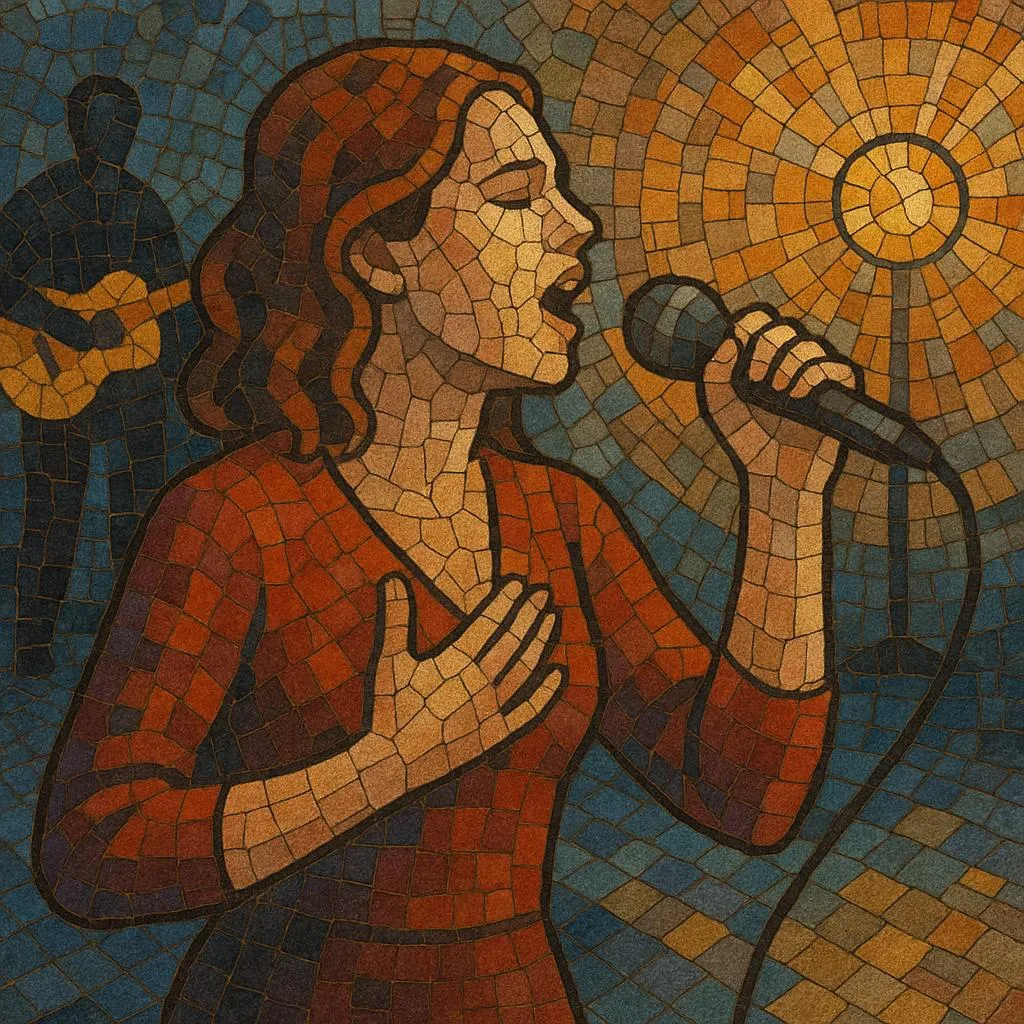
Talentschau is the German-language umbrella for music emerging from televised talent competitions and casting shows (e.g., singing contests), where contestants perform covers and original material in a mainstream-friendly polish.
Stylistically, it sits within contemporary pop and pop-rock balladry, often arranged for live TV bands and orchestrations that highlight the lead vocal. Repertoire leans toward emotionally direct songs, anthemic choruses, and show-stopping key changes designed to showcase range and stage presence.
Studio releases that follow TV exposure typically refine these live arrangements into radio-ready pop, adult contemporary, and schlager-inflected productions.
History
Germany adopted global casting-show formats in the early 2000s, translating the televised talent competition into a local mainstream phenomenon. The format emphasized powerful vocal performances, familiar pop standards, and live-band arrangements. Winners and finalists quickly moved into the charts, validating the pipeline from TV exposure to professional recording careers.
Through the 2010s, shows with blind auditions and team-based coaching amplified the genre’s focus on vocal timbre, control, and interpretive skill. Contest performances favored emotionally resonant pop ballads, pop-rock staples, and modern chart hits reworked for dramatic arcs—often including mid-song dynamic builds and climactic key changes.
Labels and TV producers streamlined the path from broadcast to digital platforms, releasing live versions and rapid-turnaround studio singles. The sound cohered around high-gloss pop production, adult contemporary ballads, and occasional schlager crossover, keeping the emphasis on strong, personable leads and universal themes of love, resilience, and aspiration.
Talentschau continues to supply the German-speaking market with new pop voices, shaping repertoire choices (cover-first, then originals) and performance aesthetics (big choruses, emotive delivery). Its success helped spawn similar talent-show micro-scenes across regions and languages.