Your digging level
Description
Classic J‑Pop refers to the mainstream Japanese pop sound that crystallized from the late 1970s through the 1990s, when the term “J‑Pop” gained currency. It blends Japan’s kayōkyoku songcraft with Western pop/rock, AOR, new wave, and synth‑pop, packaged with glossy studio production and mass‑media tie‑ins.
Hooks are paramount: memorable choruses (sabi), clear A‑melo/B‑melo/chorus forms, and frequent “truck‑driver” modulations (often up a semitone) lift the final chorus. Arrangements layer clean electric guitars, bright keyboards and digital synths, string pads, punched‑up drums or drum machines, and stacked background vocals. Lyrically, love, seasons, everyday life, and bittersweet nostalgia are common, while TV dramas, commercials, and anime themes helped songs reach nationwide audiences.
Culturally, classic J‑Pop coincides with the rise of idol systems and the CD single era, Oricon chart competitions, karaoke, and the cross‑pollination of bands, soloists, producers, and talent agencies that defined Japanese pop’s golden age.


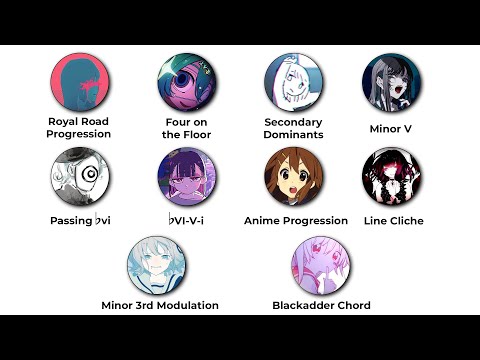
![[Sakamoto, Hisaishi, et. al.] - Common Japanese Chord Progressions](https://i.ytimg.com/vi/yKV58VVGV9k/hqdefault.jpg)
History
Classic J‑Pop grows out of kayōkyoku and the 1970s “new music” singer‑songwriter movement. As FM radio expanded and private TV networks matured, artists and labels fused domestic melodic sensibilities with Western AOR, soft rock, new wave, and synth‑pop. The term “J‑Pop” began circulating around late‑1980s radio and music press, marking a generational shift from kayōkyoku’s show‑band aesthetics to a slick, studio‑driven pop ideal.
The 1980s saw the codification of idol production systems, where variety shows, commercials, dramas, and music magazines created cyclical exposure. Songs were crafted for broad audiences, karaoke friendliness, and strong choruses, with frequent key‑lift modulations and pristine arrangements. Studio technology (digital synths, early samplers, gated reverbs) shaped a bright, polished sound.
In the 1990s, CD sales exploded, Oricon charts grew fiercely competitive, and producer‑driven camps (including dance‑pop and R&B crossovers) turned J‑Pop into a national monoculture. Drama tie‑ins and anime openings became launchpads for massive singles. Bands and soloists alike adopted sophisticated pop writing and high‑gloss mixes, while live tours and arena shows reinforced celebrity ecosystems.
As the 2000s ushered in digital shifts, classic J‑Pop’s craft—strong melodic hooks, media tie‑ins, and impeccable studio polish—remained foundational. Its songwriting blueprints inform later Japanese electropop, teen‑pop, Vocaloid scenes, anime song cultures, and even aspects of neighboring pop industries. “Classic J‑Pop” today signifies the pre‑streaming golden era’s sound and production values.