Genres
Artists
Albums
Make Music
Sign in
Sign in
Artists
Brazilian Jazz
Artists
Brazilian Jazz
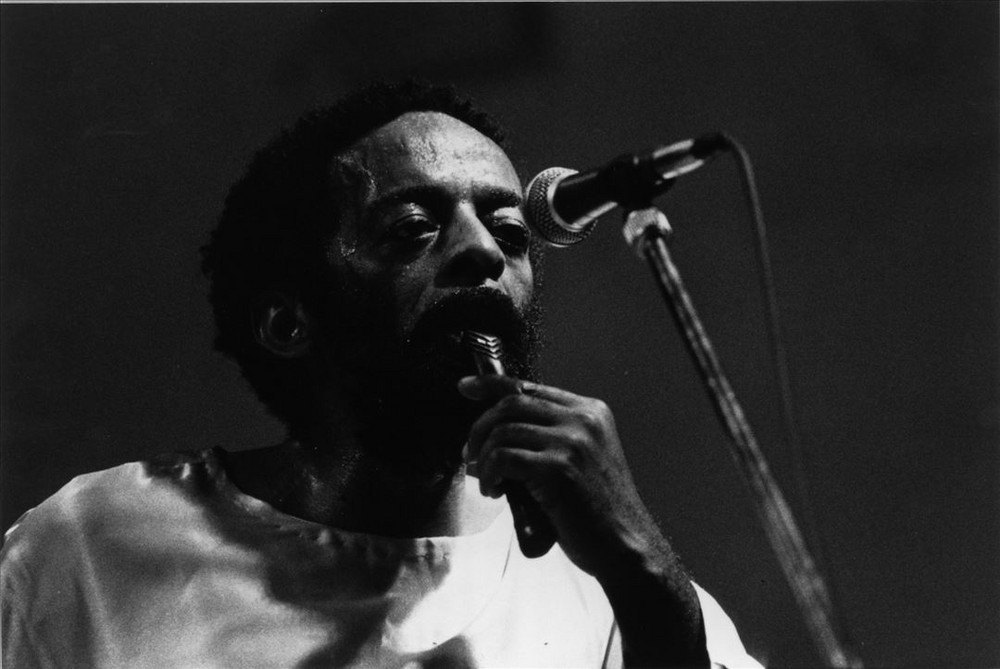
Naná Vasconcelos
1973–1980
·
4 albums
Listen
2
/5
Genres
Brazilian Jazz
Brazilian jazz is the meeting point of Brazilian popular music and North American jazz, blending samba and bossa nova rhythms with jazz harmony, improvisation, and ensemble interaction. The style typically features syncopated Brazilian grooves (samba, bossa, partido‑alto) under extended jazz chord voicings and lyrical melodies. Acoustic guitar or piano often supplies a gently propulsive, off‑beat rhythmic bed, while bass and drums translate samba’s surdo and pandeiro patterns to the jazz rhythm section. Timbres range from intimate (nylon‑string guitar, brushed drum kit, flute) to expansive (full percussion batteries, horns, and electric keys). The overall feel can be both laid‑back and danceable—romantic yet harmonically sophisticated.
Discover
Listen
Batucada
Batucada is a high-energy, percussion-driven style of samba played by large drum ensembles known as baterias. It is characterized by driving 2/4 rhythms, layered polyrhythms, and a powerful collective groove designed to move large crowds, especially during Carnival parades. The core sound comes from surdos (large bass drums) that mark the pulse and interlock in tuned layers, while caixas (snares), repiniques (high, cutting toms), tamborins, chocalhos, agogôs, cuícas, and reco-recos weave dense rhythmic textures. A whistle (apito) or the repinique section leader cues breaks, call-and-response figures, and dramatic stops (paradinhas). Although mostly unpitched and ensemble-based, batucada is musical, nuanced, and highly arranged, with subtle swing, dynamic contour, and signature "bossas" (precomposed rhythmic figures) unique to each samba school’s bateria.
Discover
Listen
Jazz
Jazz is an improvisation-centered music tradition that emerged from African American communities in the early 20th century. It blends blues feeling, ragtime syncopation, European harmonic practice, and brass band instrumentation into a flexible, conversational art. Defining features include swing rhythm (a triplet-based pulse), call-and-response phrasing, blue notes, and extended harmonies built on 7ths, 9ths, 11ths, and 13ths. Jazz is as much a way of making music—spontaneous interaction, variation, and personal sound—as it is a set of forms and tunes. Across its history, jazz has continually hybridized, from New Orleans ensembles and big-band swing to bebop, cool and hard bop, modal and free jazz, fusion, and contemporary cross-genre experiments. Its influence permeates global popular and art music.
Discover
Listen
Coco
Coco is an Afro-Brazilian rhythm and community dance-song tradition from Northeastern Brazil, especially Pernambuco, Paraíba, Alagoas, and Rio Grande do Norte. It features a propulsive, repetitive groove in duple meter, call-and-response vocals led by a mestre (leader) and answered by a chorus, and a distinctive percussive "pisada" (stomping) that turns the dancing circle into a rhythmic instrument. Performers typically gather in a roda (circle), clapping, stepping, and spinning to the beat—often at weekend street parties, religious/festive gatherings, and Carnival. Coco is closely related to (and sometimes synonymous with) embolada, the fast, tongue‑twisting, often improvised song form accompanied by pandeiro. Its antiphonal singing and cyclic percussion patterns echo West and Central African work songs and ritual music, and its participatory energy is comparable to capoeira music—joyful, communal, and irresistibly dancing.
Discover
Listen
Brazilian Folk Music
Brazilian folk music is an umbrella term for the country’s regional and traditional musics that grew from the encounter of Indigenous, African (mainly West and Central African), and Iberian (especially Portuguese) cultures. It encompasses rural song, dance, and ritual genres such as baião and forró in the Northeast, viola-caipira traditions in the Southeast and Center-West, Afro-Brazilian drumming and chant in maracatu and jongo, circle-dance genres like ciranda and coco, and many others associated with religious festivals, work songs, and oral poetry. Marked by call-and-response vocals, propulsive percussion, syncopated grooves, and narrative lyrics, Brazilian folk music remains a living tradition that informs Brazilian popular music while preserving local identity and heritage.
Discover
Listen
Capoeira Music
Capoeira music is the Afro‑Brazilian musical tradition that accompanies the capoeira game, guiding tempo, energy, ritual cues, and dialogue between players in the roda (circle). It centers on a small percussion ensemble led by the berimbau — a single‑string musical bow with gourd resonator — supported by pandeiro (frame drum), atabaque (tall drum), agogô (double bell), and reco‑reco (scraper). Singing is predominantly in Portuguese and follows call‑and‑response formats. Songs are grouped into forms such as ladainha (solo invocation or litany), louvação (praise), and corrido (call‑and‑response chants), while standardized berimbau toques (rhythmic patterns) like Angola, São Bento Pequeno/Grande, Iúna, and Cavalaria set the character of the game from slow, strategic play to fast, acrobatic exchanges.
Discover
Listen
Albums
1980
1
/5
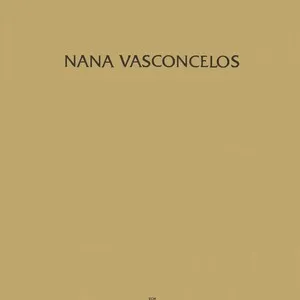
Saudades
Naná Vasconcelos
Brazilian Folk Music
1973
1
/5
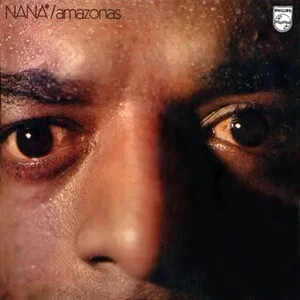
Amazonas
NANA*
Coco
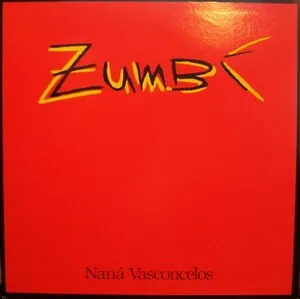
Zumbi
Naná Vasconcelos
Batucada
Zumbi
Naná Vasconcelos
Capoeira Music
Similar artists
1
/5
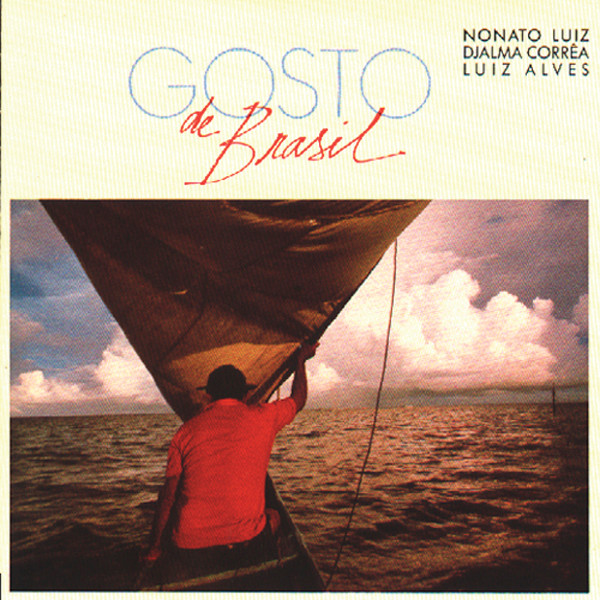
Djalma Corrêa
Samba De Roda
Brazilian Jazz
Brazilian Folk Music
2
/5
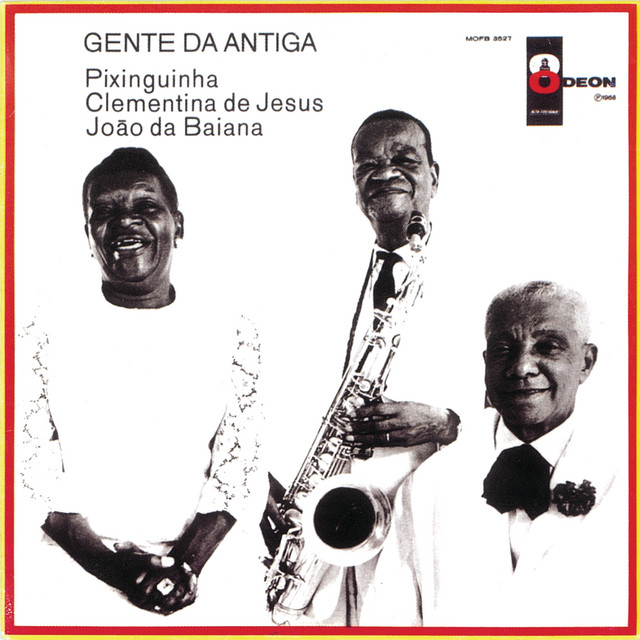
Pixinguinha
Choro
Bossa Nova
Brazilian Jazz
2
/5
João da Bahiana
Brazilian Jazz
Jongo
Samba
2
/5
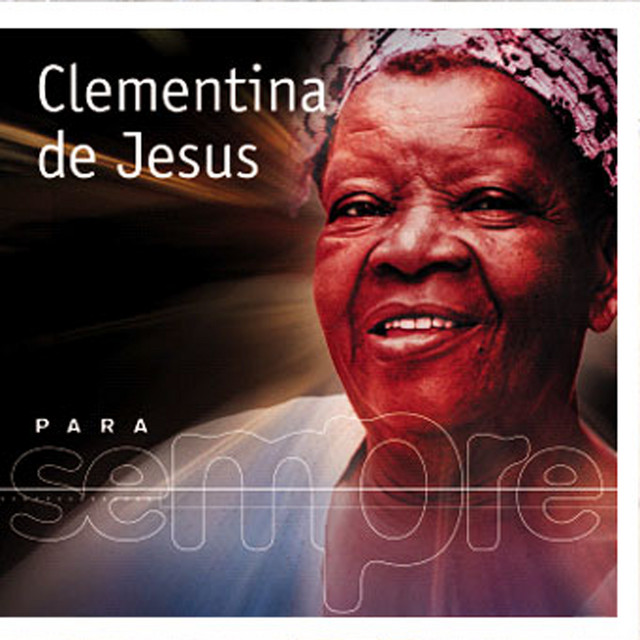
Clementina De Jesus
Partido Alto
Samba
Southeastern Brazilian Music
2
/5
Cordel do Fogo Encantado
Maracatu
Latin
Nova Musica Pernambucana
2
/5
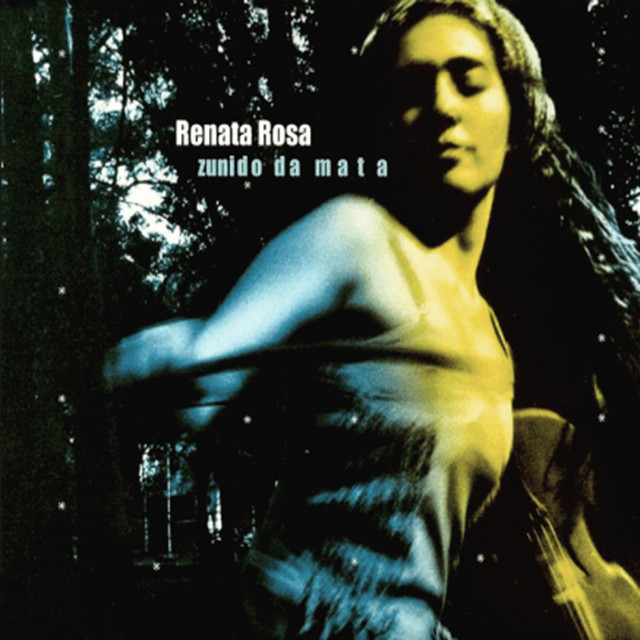
Renata Rosa
Maracatu
Brazilian Folk Music
Coco
2
/5
Mestre Ambrósio
Forró
Coco
Mangue Beat
1
/5
Orquestra Afro-Brasileira
Afoxê
Candomblé Music
Batucada
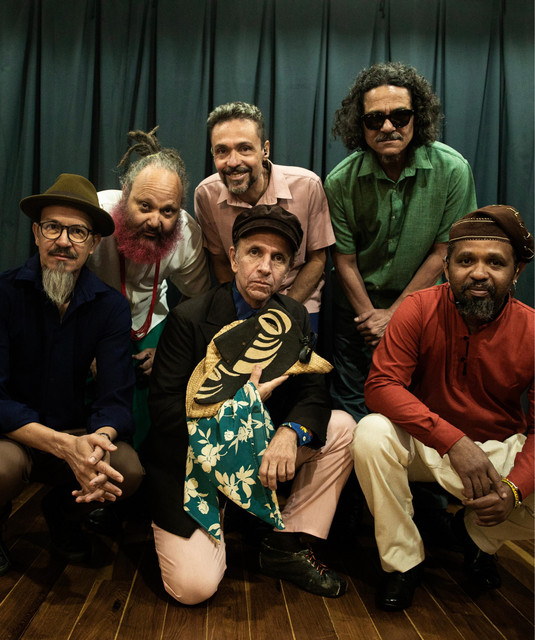
Goma-Laca
Batucada
Candomblé Music
Coco
4
/5
Antônio Carlos Jobim
Bossa Nova
Latin Jazz
Brazilian Jazz
Download our mobile app
Get the Melodigging app and start digging for new genres on the go
Download on the App Store
Get it on Google Play
© 2026 Melodigging
Give feedback
Legal
Melodding was created as a tribute to
Every Noise at Once
, which inspired us to help curious minds keep digging into music's ever-evolving genres.