Genres
Artists
Albums
Make Music
Sign in
Sign in
Artists
Samba De Roda
Artists
Samba De Roda
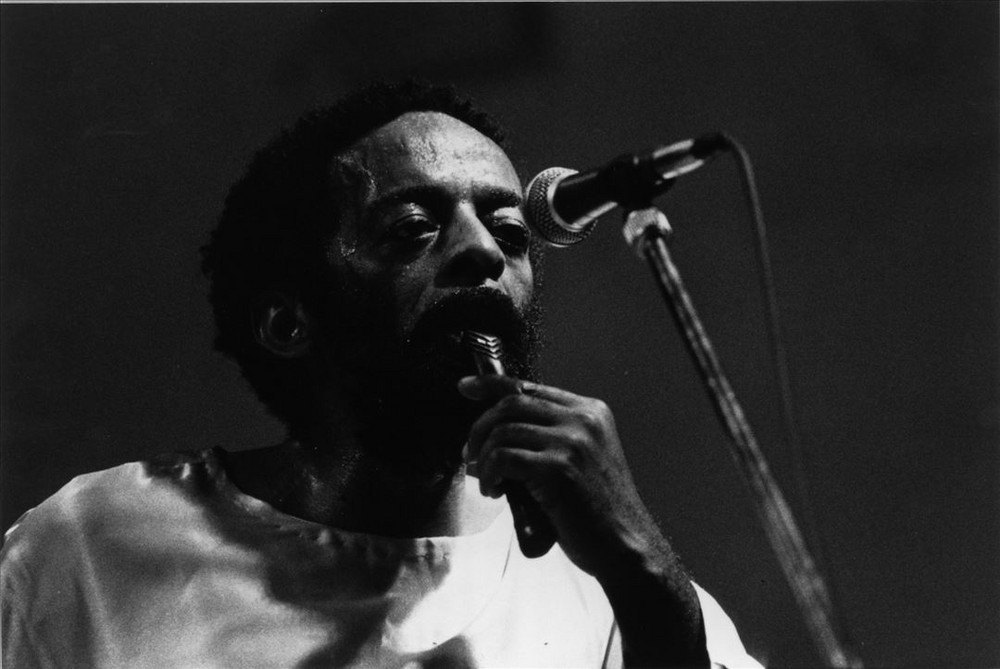
Djalma Corrêa
1978
·
3 albums
Listen
1
/5
Genres
Brazilian Jazz
Brazilian jazz is the meeting point of Brazilian popular music and North American jazz, blending samba and bossa nova rhythms with jazz harmony, improvisation, and ensemble interaction. The style typically features syncopated Brazilian grooves (samba, bossa, partido‑alto) under extended jazz chord voicings and lyrical melodies. Acoustic guitar or piano often supplies a gently propulsive, off‑beat rhythmic bed, while bass and drums translate samba’s surdo and pandeiro patterns to the jazz rhythm section. Timbres range from intimate (nylon‑string guitar, brushed drum kit, flute) to expansive (full percussion batteries, horns, and electric keys). The overall feel can be both laid‑back and danceable—romantic yet harmonically sophisticated.
Discover
Listen
Samba De Roda
Samba de roda is a traditional Afro‑Brazilian music-and-dance form from the Recôncavo region of Bahia, Brazil. It is performed in a circle (roda) with call-and-response singing, handclaps, and a small ensemble of percussion and plucked string instruments. Musically it typically uses a lilting 2/4 samba groove with strong syncopation, a lead singer (cantador/a) who improvises verses, and a chorus that responds in refrain. Two core song-dance modalities are common: the slower, more declamatory chula (often opening the gathering) and the faster, more animated samba corrido (when dancers enter the circle). The dance highlights the umbigada—an inviting belly-bump gesture—along with playful steps and spins. It is socially rooted in Afro‑Bahian festivities, religious gatherings (including candomblé contexts), and community celebrations, and it played a pivotal role in shaping urban samba across Brazil.
Discover
Listen
Brazilian Folk Music
Brazilian folk music is an umbrella term for the country’s regional and traditional musics that grew from the encounter of Indigenous, African (mainly West and Central African), and Iberian (especially Portuguese) cultures. It encompasses rural song, dance, and ritual genres such as baião and forró in the Northeast, viola-caipira traditions in the Southeast and Center-West, Afro-Brazilian drumming and chant in maracatu and jongo, circle-dance genres like ciranda and coco, and many others associated with religious festivals, work songs, and oral poetry. Marked by call-and-response vocals, propulsive percussion, syncopated grooves, and narrative lyrics, Brazilian folk music remains a living tradition that informs Brazilian popular music while preserving local identity and heritage.
Discover
Listen
Candomblé Music
Candomblé music is the sacred musical practice of the Afro-Brazilian religion Candomblé. It centers on polyrhythmic drumming ensembles, call-and-response singing, and dance that invites the presence (incorporation) of the orixás (divinities). The core ensemble features three hand-played atabaque drums (rum, rumpi, and lê), metal bells (agogô), and rattles/shakers (xequerê, adjá), with the lead drummer (alabê) cueing changes in rhythm and energy. Stylistically, it preserves multiple West and Central African lineages—especially Yoruba (Ketu/Nagô), Fon/Ewe (Jeje), and Kongo/Angola—expressed in distinct toques (rhythmic patterns) such as ijexá, alujá, agueré, congo, and opanijé. Chants are performed in liturgical languages (predominantly Yoruba/Nagô, as well as Kikongo/Kimbundu and Fon) and in Portuguese, using a responsorial texture led by a solo cantor with a unison chorus. The music is not entertainment but ritual: every rhythm, melody, and text is tied to specific orixás, colors, dances, and ceremonial moments. Beyond the terreiro (temple), Candomblé’s musical vocabulary has profoundly shaped Brazilian popular music, from afoxé and samba de roda to axé and MPB, especially through the diffusion of the ijexá timeline and call-and-response vocal aesthetics.
Discover
Listen
Capoeira Music
Capoeira music is the Afro‑Brazilian musical tradition that accompanies the capoeira game, guiding tempo, energy, ritual cues, and dialogue between players in the roda (circle). It centers on a small percussion ensemble led by the berimbau — a single‑string musical bow with gourd resonator — supported by pandeiro (frame drum), atabaque (tall drum), agogô (double bell), and reco‑reco (scraper). Singing is predominantly in Portuguese and follows call‑and‑response formats. Songs are grouped into forms such as ladainha (solo invocation or litany), louvação (praise), and corrido (call‑and‑response chants), while standardized berimbau toques (rhythmic patterns) like Angola, São Bento Pequeno/Grande, Iúna, and Cavalaria set the character of the game from slow, strategic play to fast, acrobatic exchanges.
Discover
Listen
Jongo
Jongo is an Afro-Brazilian circle dance and song tradition from the coffee-growing heartlands of southeastern Brazil, especially the Paraíba Valley spanning Rio de Janeiro, São Paulo, and Minas Gerais. It is typically performed around a bonfire with two drums—the larger caxambu and the smaller candongueiro—driving interlocking rhythms while participants sing call-and-response verses known as pontos. Rooted in Central and West-Central African (Bantu) cultural memory brought by enslaved peoples, jongo blends ritual, poetry, dance, and social commentary. Dancers invite one another into the circle using the umbigada (a belly-to-belly gesture), and singers improvise metaphor-rich, often enigmatic lyrics that encode devotion, resistance, and wit. In some regions the practice is also called caxambu, reflecting local naming of the larger drum and the tradition itself. Beyond performance, jongo serves as an intergenerational archive for Afro-Brazilian communities, embodying ancestry, spirituality, and communal cohesion while maintaining a lively, dance-forward character.
Discover
Listen
Albums
1978
1
/5
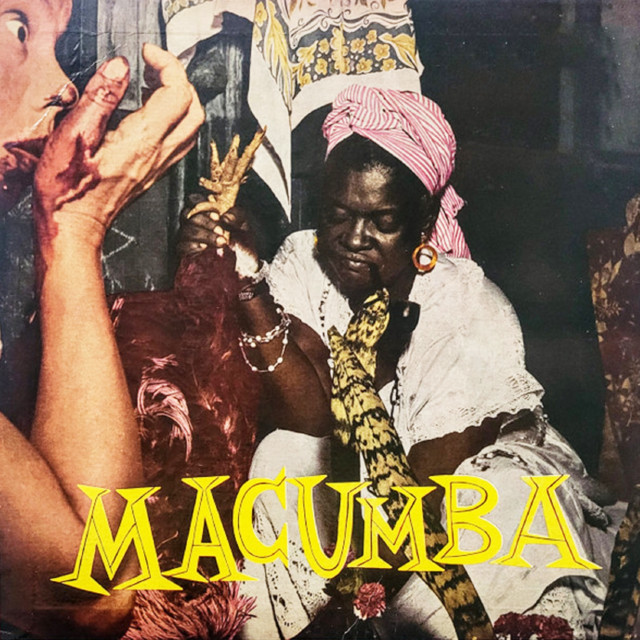
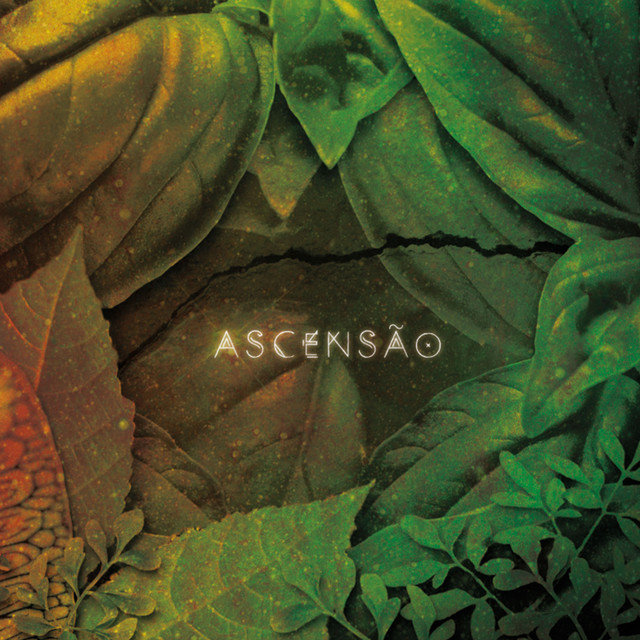
Baiafro
Djalma Corrêa
Capoeira Music
Samba De Roda
Brazilian Folk Music
Candomblé
Djalma Corrêa
Jongo
Candomblé
Djalma Corrêa
Candomblé Music
Similar artists
2
/5
Pixinguinha
Choro
Bossa Nova
Brazilian Jazz
2
/5
João da Bahiana
Brazilian Jazz
Jongo
Samba
1
/5
Heitor dos Prazeres
Samba
Samba De Roda
Traditional Folk
2
/5
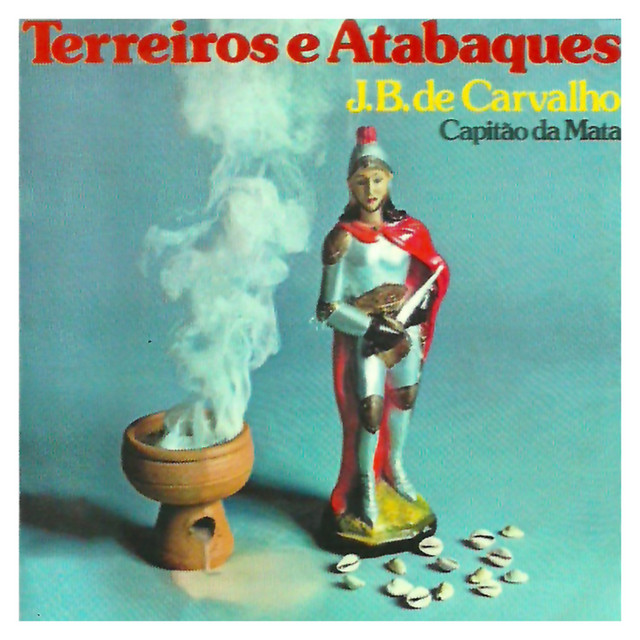
J.B. De Carvalho
Jongo
Ponto De Umbanda
Axé
4
/5
Martinho Da Vila
Samba
Samba-Enredo
Samba De Roda
2
/5
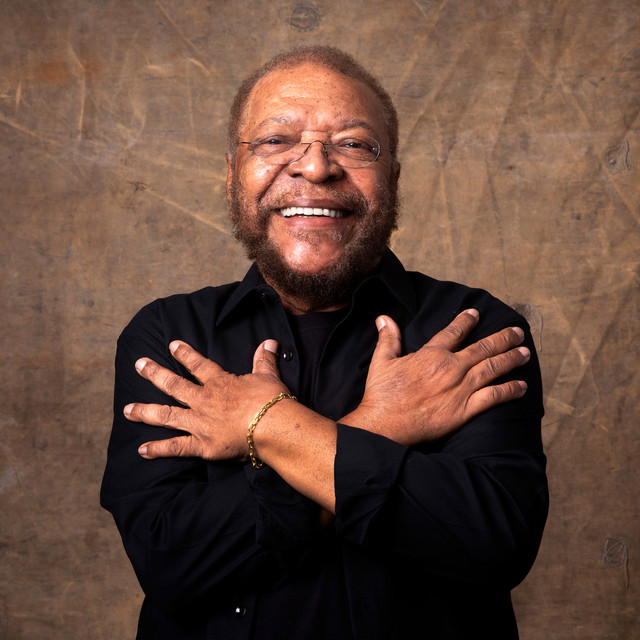
Tiganá Santana
Afoxê
Brazilian Jazz
Candomblé Music
2
/5
Naná Vasconcelos
Brazilian Jazz
Batucada
Brazilian Folk Music
4
/5
Alcione
Samba-Joia
Samba
Pagode
3
/5
Mateus Aleluia
Afoxê
Axé
Brazilian Folk Music
3
/5
Serena Assumpção
Nova Vanguarda Paulistana
Axé
Brazilian Folk Music
Download our mobile app
Get the Melodigging app and start digging for new genres on the go
Download on the App Store
Get it on Google Play
© 2026 Melodigging
Give feedback
Legal
Melodding was created as a tribute to
Every Noise at Once
, which inspired us to help curious minds keep digging into music's ever-evolving genres.