Genres
Artists
Albums
Make Music
Sign in
Sign in
Artists
Avant-Garde
Artists
Avant-Garde
Namtchylak, Sainkho
2004
·
1 album
Listen
Genres
Free Improvisation
Free improvisation is a practice of spontaneous music-making that avoids fixed idioms, stylistic templates, and pre-agreed structures. Musicians prioritize listening, interaction, and the exploration of sound itself—timbre, texture, dynamics, and silence—over conventional melody, harmony, or pulse. Guitarist Derek Bailey popularized the notion of "non-idiomatic improvisation," describing a music that deliberately resists falling into recognizable genre habits. While often overlapping with free jazz and contemporary classical experimentalism, free improvisation is not confined to either. It welcomes any instrument or sound source—acoustic, electronic, or everyday objects—and frequently uses extended techniques, feedback, and unconventional performance gestures. Performances can range from whisper-quiet, pointillistic interplay to ferocious, high-energy noise, with the ensemble shaping form in real time through attention and constraint.
Discover
Listen
Experimental
Experimental music is an umbrella term for practices that prioritize exploration, process, and discovery over adherence to established genre norms. It embraces new sound sources, nonstandard tuning systems, indeterminacy and chance operations, graphic and open-form scores, extended techniques, and technology-led sound design (tape, electronics, computers, and live processing). Rather than a single style, it is a methodology and ethos: testing hypotheses about sound, structure, and performance, often blurring boundaries between composition, improvisation, sound art, and performance art. Listeners can expect unfamiliar timbres, unusual forms, and an emphasis on how music is made as much as the resulting sound.
Discover
Listen
Avant-Garde
Avant-garde music is an umbrella term for boundary-pushing practices that challenge prevailing norms of harmony, rhythm, timbre, form, and performance. It privileges experimentation, conceptual rigor, and a willingness to reframe what counts as music at all. Historically tied to early 20th‑century artistic modernism, avant-garde music introduced atonality, the emancipation of noise, and new forms of notation and process. It embraces indeterminacy, extended techniques, electronics, spatialization, and multimedia performance, treating sound as material to be sculpted, questioned, and reinvented.
Discover
Listen
Electronic
Electronic is a broad umbrella genre defined by the primary use of electronically generated or electronically processed sound. It encompasses music made with synthesizers, drum machines, samplers, computers, and studio/tape techniques, as well as electroacoustic manipulation of recorded or synthetic sources. The genre ranges from academic and experimental traditions to popular and dance-oriented forms. While its sonic palette is rooted in electricity and circuitry, its aesthetics span minimal and textural explorations, structured song forms, and beat-driven club permutations. Electronic emphasizes sound design, timbre, and studio-as-instrument practices as much as melody and harmony.
Discover
Listen
Tuvan Throat Singing
Tuvan throat singing (khoomei) is a traditional vocal art from the Turkic-speaking people of Tuva in the Sayan–Altai region of southern Siberia. It is a biphonic technique in which a singer sustains a low drone (the fundamental) while shaping mouth, tongue, and throat to amplify specific overtones, producing the perception of multiple pitches at once. Distinct styles such as khoomei (soft, airy), sygyt (bright, whistling overtones), and kargyraa (deep, growling undertone) evoke the sounds of wind, rivers, and horse hooves and reflect a nomadic pastoral worldview. Performances often feature traditional instruments like the igil (two-string bowed fiddle), doshpuluur (lute), shoor (flute), and khomus (jaw harp), and can be either solo or ensemble-based.
Discover
Listen
Central Asian Throat Singing
Central Asian throat singing is a family of overtone-rich vocal techniques practiced across Mongolia, Tuva, and neighboring regions of Inner Asia. Singers shape the vocal tract to amplify specific harmonics above a low fundamental drone, producing the impression of two or more pitches at once. Traditionally performed by nomadic herders, these styles often imitate the sounds of wind, rivers, birds, and horses, and are closely tied to animist and steppe life-worlds. Substyles such as khöömii (overtone-focused), sygyt (whistling, high overtones), and kargyraa (very low, growling fundamentals) showcase distinctive timbral goals, breath control, and resonant vowel shaping. While deeply rooted in folk practice, throat singing has influenced contemporary ambient, drone, and experimental scenes, and it increasingly appears in cross-cultural collaborations and modern stage settings.
Discover
Listen
Albums
2004
1
/5
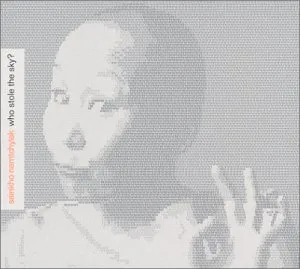
Who Stole the Sky?
Sainkho Namtchylak
Tuvan Throat Singing
Avant-Garde
Electronic
Similar artists
1
/5
Ghédalia Tazartès
Avant-Garde
Experimental
Central Asian Music
3
/5
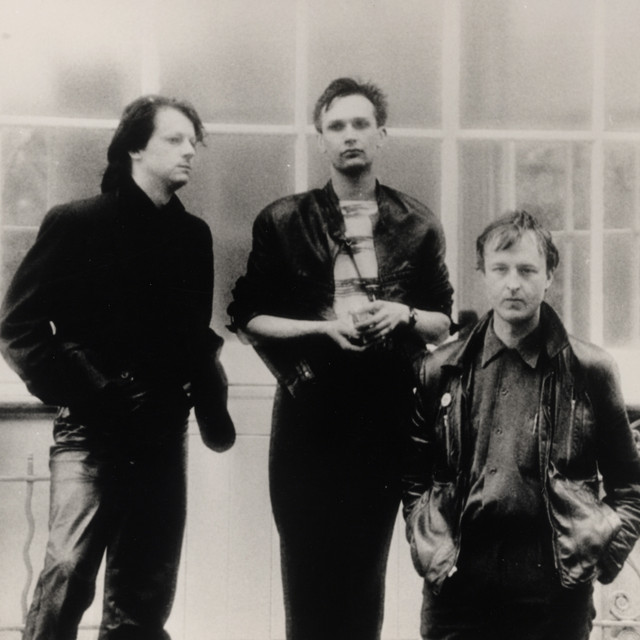
Swans
Experimental Rock
Post-Rock
No Wave
3
/5
Einstürzende Neubauten
Industrial
Experimental
Avant-Garde
3
/5
Ryoji Ikeda
Microsound
Glitch
Sound Art
2
/5
Coil
Experimental
Industrial
Avant-Garde
2
/5
Current 93
Experimental
Neofolk
Industrial
2
/5
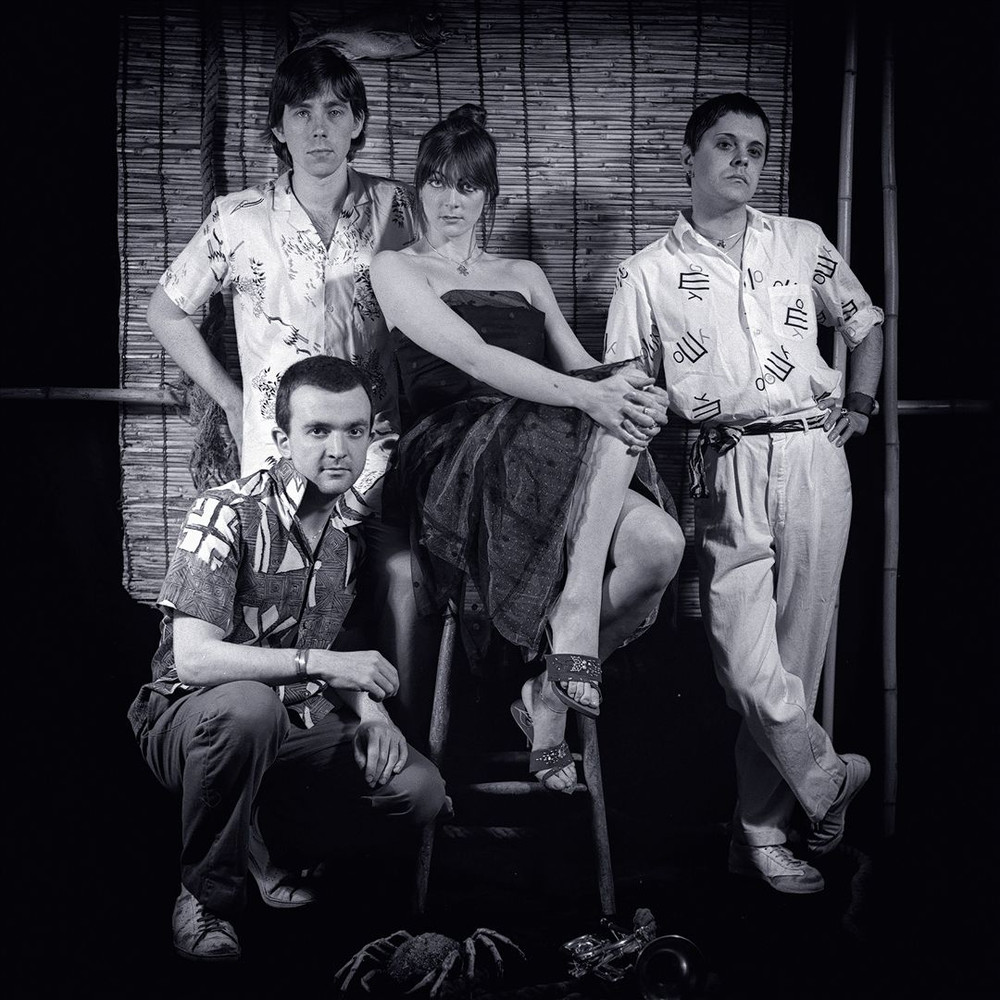
Cabaret Voltaire
Industrial
Acid House
Avant-Garde
2
/5
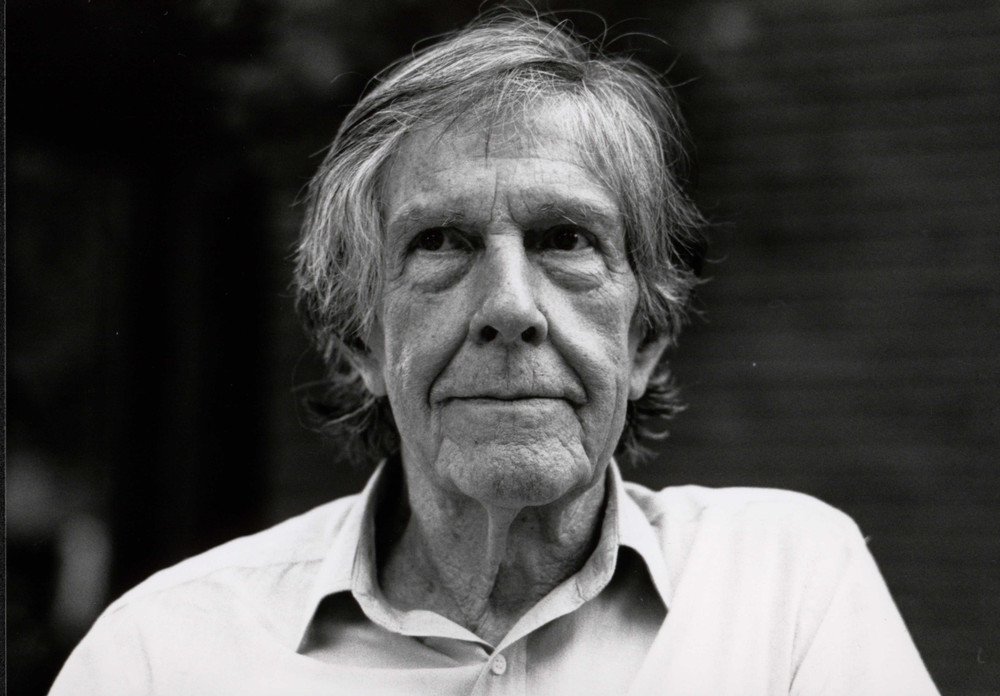
John Cage
Indeterminacy
Classical
Experimental
2
/5
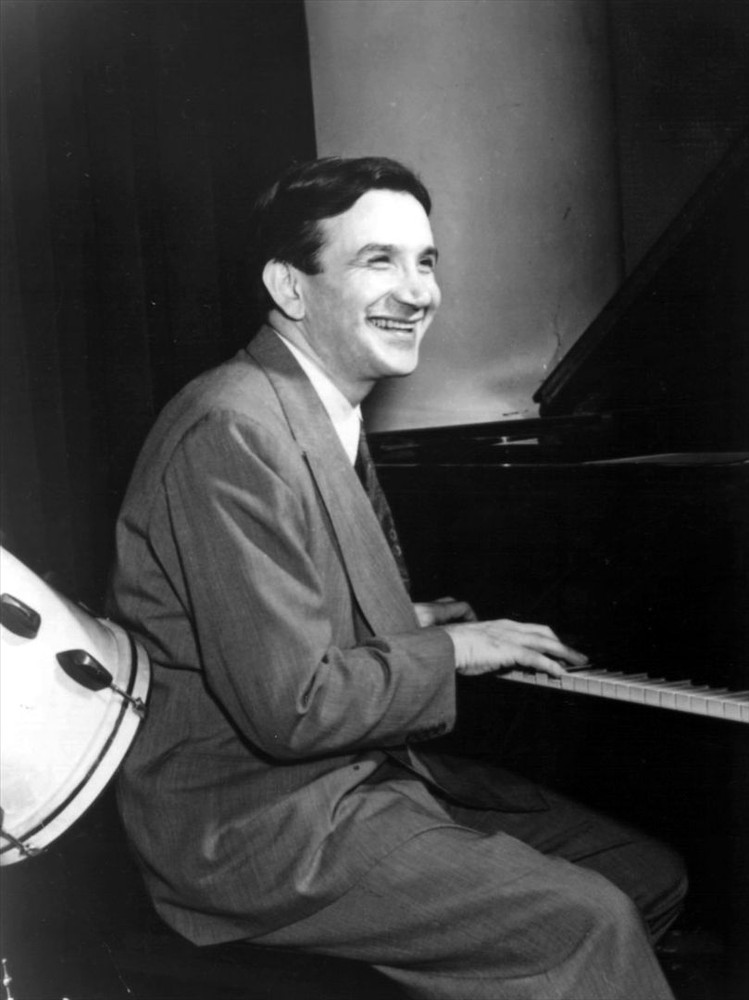
Raymond Scott
Acousmatic
Electronic
Children's Music
2
/5
Throbbing Gristle
Industrial
Avant-Garde
Ebm
Download our mobile app
Get the Melodigging app and start digging for new genres on the go
Download on the App Store
Get it on Google Play
© 2026 Melodigging
Give feedback
Legal
Melodding was created as a tribute to
Every Noise at Once
, which inspired us to help curious minds keep digging into music's ever-evolving genres.