Genres
Artists
Albums
Make Music
Sign in
Sign in
Artists
Classical Organ
Artists
Classical Organ
Naji Hakim
1998
·
1 album
Listen
Genres
Contemporary Classical
Contemporary classical is the broad field of Western art music created after World War II. It embraces an array of aesthetics—from serialism and indeterminacy to minimalism, spectralism, electroacoustic practices, and post‑tonal lyricism—while retaining a concern for notated composition and timbral innovation. Unlike the unified styles of earlier eras, contemporary classical is pluralistic. Composers freely mix acoustic and electronic sound, expand instrumental techniques, adopt non‑Western tuning and rhythm, and explore new forms, from process-based structures to open and graphic scores. The result is a music that can be rigorously complex or radically simple, technologically experimental or intimately acoustic, yet consistently focused on extending how musical time, timbre, and form can be shaped.
Discover
Listen
Classical Organ
Classical organ refers to the Western art‑music repertoire written for the pipe organ, from its Renaissance emergence through Baroque, Romantic, and modern idioms. It is closely tied to the history of the pipe organ in churches and concert halls, whose basic design has been in use for over two millennia and became firmly associated with Christian worship by the 10th century. Stylistically it spans contrapuntal forms (toccata, prelude & fugue, chorale prelude), liturgical pieces, and concert works up to the 20th century, where Romantic “symphonic” organs enabled orchestral color on a single instrument and later modernists expanded harmony and rhythm. The repertoire’s expressive range runs from intimate, chant‑inspired meditation to large‑scale, architecturally resonant canvases exploiting 32′ basses, multi‑manual contrasts, and richly colored reeds and mutations typical of French and German traditions.
Discover
Listen
Classical
Classical music is the notated art-music tradition of Europe and its global descendants, characterized by durable forms, carefully codified harmony and counterpoint, and a literate score-based practice. The term “classical” can refer broadly to the entire Western art-music lineage from the Medieval era to today, not just the Classical period (c. 1750s–1820s). It privileges long-form structures (such as symphonies, sonatas, concertos, masses, and operas), functional or modal harmony, thematic development, and timbral nuance across ensembles ranging from solo instruments to full orchestras and choirs. Across centuries, the style evolved from chant and modal polyphony to tonal harmony, and later to post-tonal idioms, while maintaining a shared emphasis on written notation, performance practice, and craft.
Discover
Listen
Albums
1998
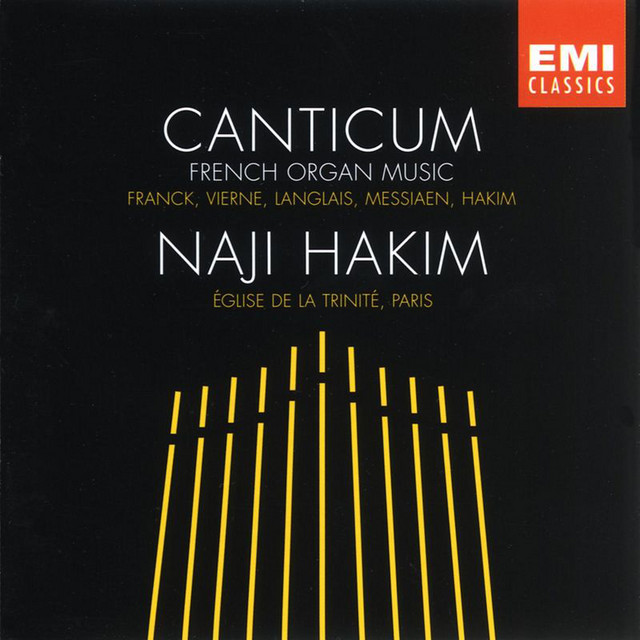
Canticum - French Organ Music
Naji Hakim
Classical Organ
Similar artists
3
/5
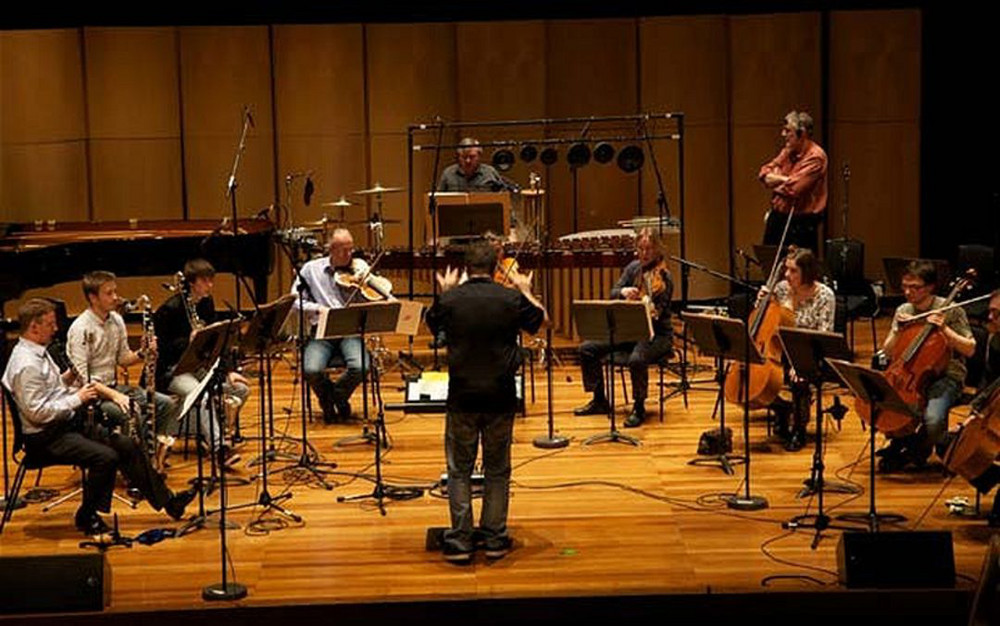
London Sinfonietta
Classical
Minimalism
Chamber Music
4
/5
Johann Sebastian Bach
Baroque
Classical
Baroque Suite
4
/5
Berliner Philharmoniker
Classical
Symphony
Romantic Classical
4
/5
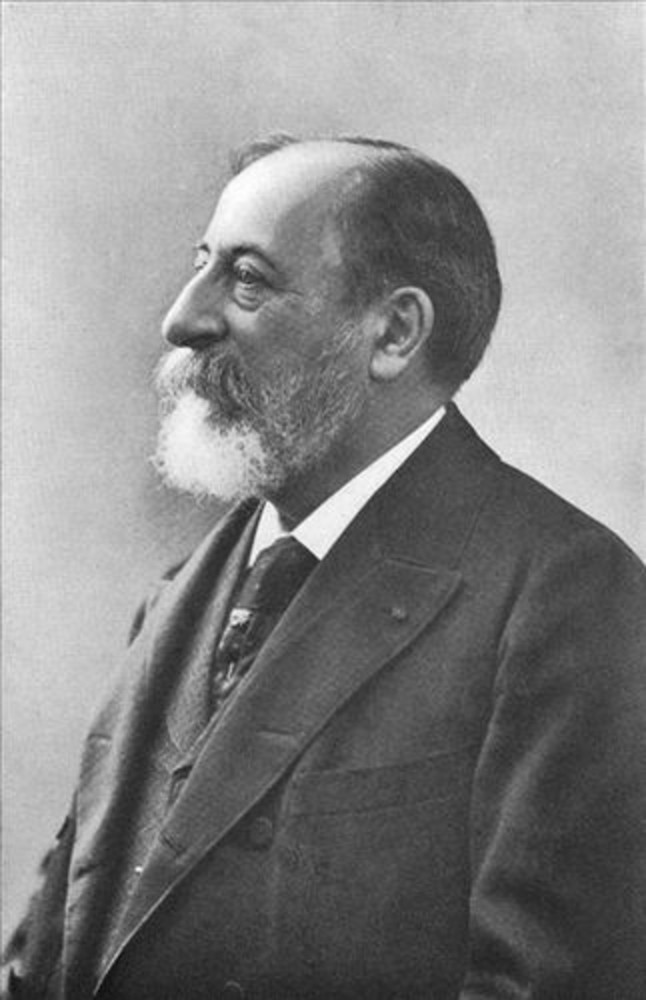
Camille Saint-Saëns
Grand Opera
Classical
Classical Organ
4
/5
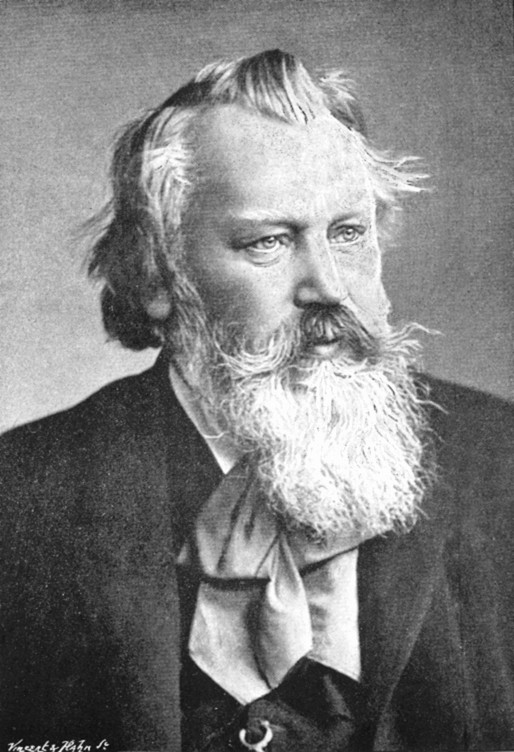
Johannes Brahms
Classical Clarinet
Classical Piano Quartet
Concerto
4
/5
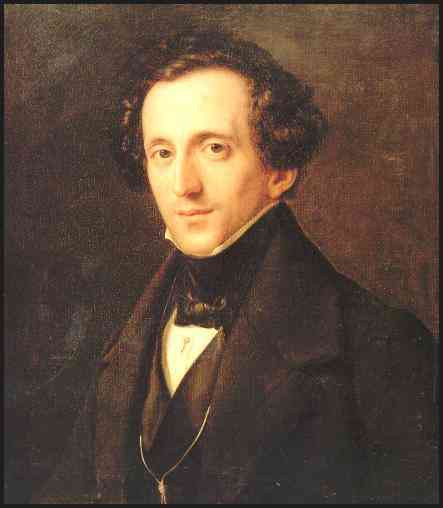
Felix Mendelssohn
Chamber Music
Choral
Classical
3
/5
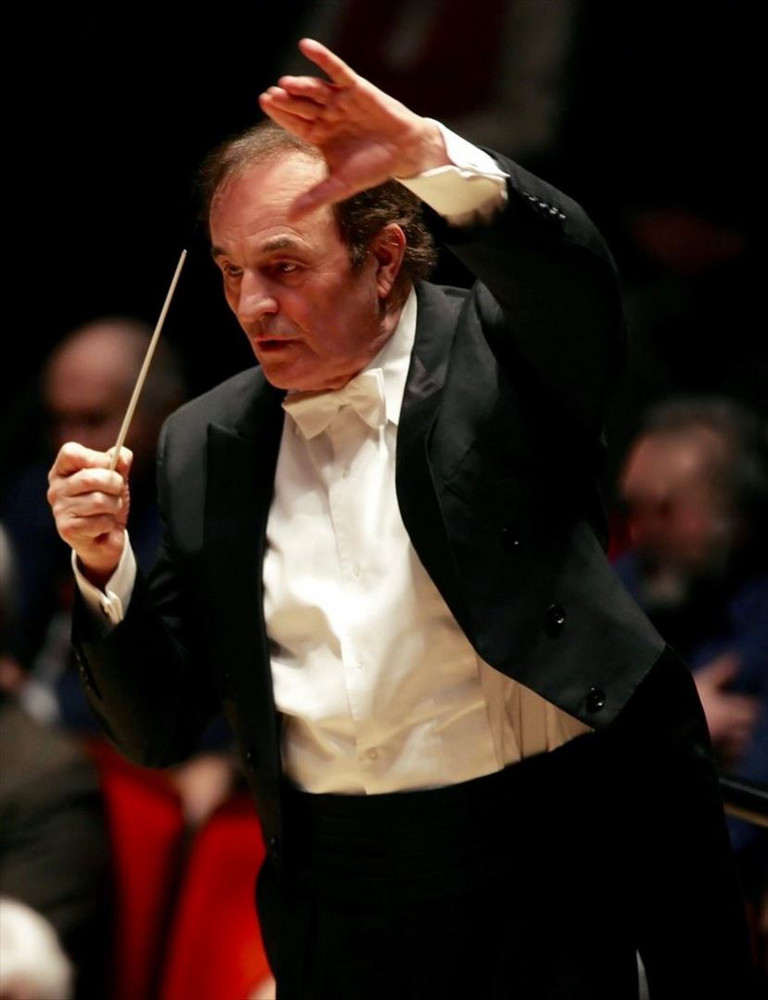
Charles Dutoit
Classical
Impressionism
Orchestral
3
/5
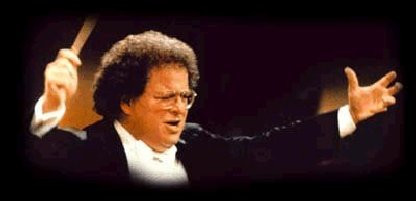
James Levine
Classical
Concerto
Opera
3
/5
Orchestre Symphonique de Montréal
Classical
Impressionism
Orchestral
3
/5
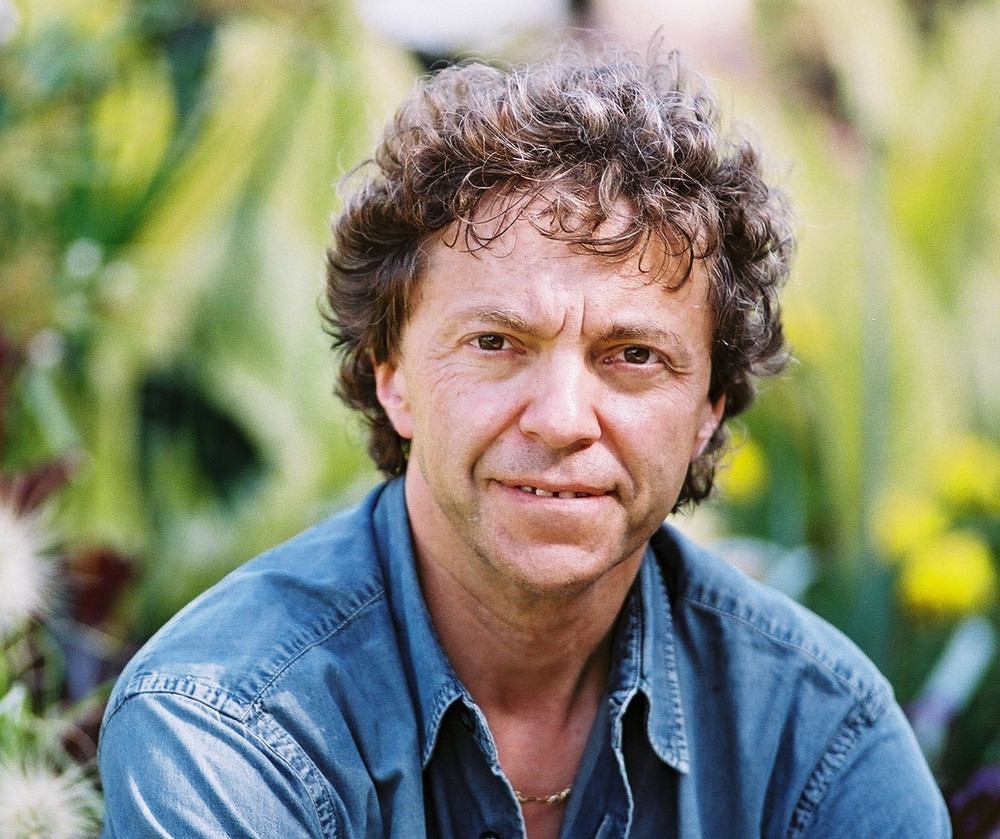
Pascal Rogé
Classical
Impressionism
Classical Piano
Download our mobile app
Get the Melodigging app and start digging for new genres on the go
Download on the App Store
Get it on Google Play
© 2026 Melodigging
Give feedback
Legal
Melodding was created as a tribute to
Every Noise at Once
, which inspired us to help curious minds keep digging into music's ever-evolving genres.