Genres
Artists
Albums
Make Music
Sign in
Sign in
Artists
Brukdown
Artists
Brukdown
Mr. Peters
1997–2004
·
3 albums
Listen
1
/5
Genres
Soca
Soca is a high‑energy dance music from Trinidad and Tobago that emerged in the early 1970s as a modernized offshoot of calypso. It blends calypso’s witty lyricism and call‑and‑response with Afro‑Caribbean percussion, East Indian rhythmic accents, and contemporary funk/disco/pop production. Typical features include a four‑on‑the‑floor kick, strong backbeat claps, driving "engine room" percussion (iron/cowbell), syncopated bass lines, bright synths or brass stabs, up‑stroke rhythm guitar, and catchy chant‑like hooks designed for crowd participation. Tempos range from around 110–125 BPM for "groovy soca" to 150–165 BPM for "power soca," reflecting music made for Carnival fetes, road marches, and mass performance.
Discover
Listen
Brukdown
Brukdown (also spelled brukdong) is a lively Belizean Kriol folk dance-music that grew out of the logging camps and river towns of Belize in the early 20th century. It blends African-derived call-and-response singing and hand percussion with European dance forms (polka, waltz, quadrille) and Caribbean popular idioms such as calypso and mento. Typical ensembles—historically called “boom & chime” bands—feature accordion (squeezebox), banjo or guitar, a bass drum for the “boom,” a triangle or metal struck instrument for the “chime,” the scraping of a grater, and the rattle of a donkey jawbone (quijada). Lyrics are often in Kriol, humorous or topical, and set to buoyant, syncopated, duple-time grooves that invite dancing. As a cornerstone of Kriol identity, brukdown remains a festive, communal style heard at brams (parties), holidays, and cultural celebrations, and it continues to evolve in contemporary Belizean performance and education.
Discover
Listen
Calypso
Calypso is an Afro‑Caribbean vocal music and dance style that originated in Trinidad and Tobago among Afro‑Trinidadians. It blends West African kaiso traditions and French Creole carnival song practices into a witty, topical song form built for public performance and communal participation. Musically, calypso is typically in 2/4 or 4/4 with a lilting, syncopated "calypso rhythm" that often accents a 3‑3‑2 feel across the bar. Melodies favor catchy, singable refrains, call‑and‑response, and verse–chorus structures. Instrumentation historically included tamboo‑bamboo and hand percussion, then small dance bands with guitar, cuatro, upright bass, brass, and later steelpan and full brass/engine‑room sections. Lyrically, calypso is renowned for picong (good‑humored verbal sparring), double entendre, social and political commentary, and news‑of‑the‑day storytelling delivered by charismatic calypsonians in tents and at carnival.
Discover
Listen
Punta
Punta is an Afro‑Indigenous Garifuna music and dance tradition characterized by driving hand‑drummed rhythms, call‑and‑response singing, and a fast, hip‑led couple dance. It is performed primarily in the Garifuna language and functions at once as social dance music, community ceremony, and a living vehicle of identity. Rooted in Garifuna culture that formed on the island of Saint Vincent and the Grenadines (from African and Arawak/Kalinago ancestries), punta traveled with the Garifuna diaspora to the Central American Caribbean coast (Belize, Guatemala, Honduras, Nicaragua). In the late 20th century, punta also generated popular hybrids (often called punta rock) that absorbed elements of reggae, soca, and zouk while retaining the core drumming patterns and call‑and‑response vocals. It is sometimes known locally as banguity or bunda.
Discover
Listen
Central American Music
Central American music is an umbrella term for the diverse traditional and popular styles of Belize, Guatemala, Honduras, El Salvador, Nicaragua, Costa Rica, and Panama. It reflects a deep syncretism: Indigenous (e.g., Maya, Lenca, Pipil, Miskito) melodic and ritual practices; Iberian string, song, and dance forms from the colonial era; and Afro‑diasporic rhythms and call‑and‑response carried via the Caribbean. Signature expressions range from Guatemalan marimba orquesta repertoires and Garifuna punta/paranda along the Caribbean coast, to cumbia centroamericana, calypso limonense in Costa Rica, and Panama’s reggae en español that helped set the stage for reggaeton. Across the region, you hear marimba timbres, hand drums and shakers, off‑beat patterns tied to clave logic, simple yet emotive harmonies, and lyrics in Spanish, Kriol, Garifuna, and Indigenous languages.
Discover
Listen
Albums
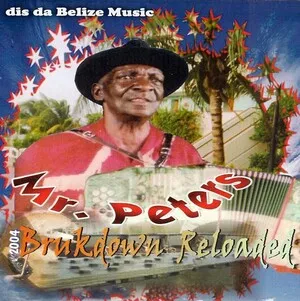
2004
1
/5
Brukdown Reloaded
Mr. Peters
Brukdown
Central American Music
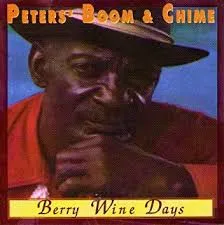
1997
1
/5
Berry Wine Days
Peters' Boom & Chime
Brukdown
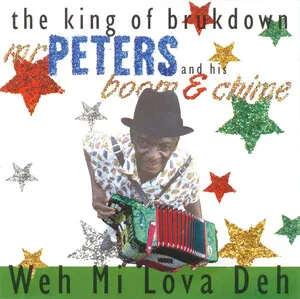
Weh Mi Lova Deh
Mr. Peters
Brukdown
Similar artists
2
/5
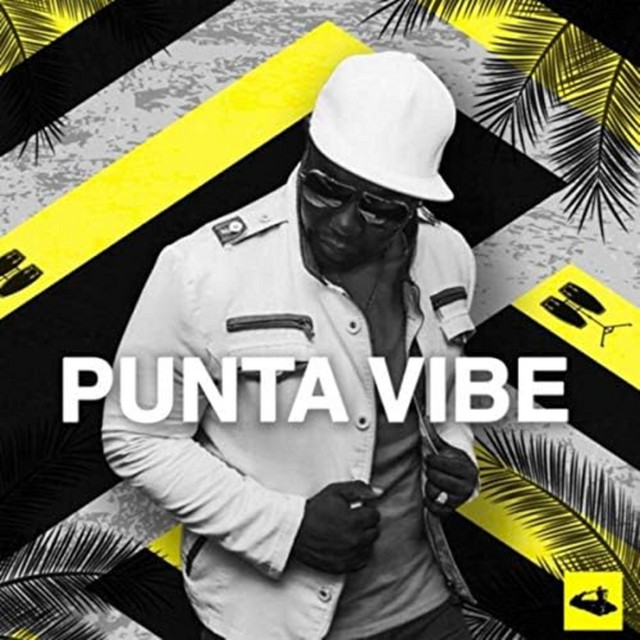
Supa G
Calypso
Punta
Soca
2
/5
Musica Isleña Mundial
Calypso
Punta
Soca
2
/5
Guillermo Anderson
Punta
Central American Music
Latin Folk
3
/5
Rupee
Barbadian Pop
Calypso
Chutney
3
/5
Kes
Calypso
Chutney
Soca
3
/5
Machel Montano
Calypso
Chutney
Soca
3
/5
Full Blown
Calypso
Soca
Dancehall
3
/5
Calypso Rose
Trinidadian Reggae
Calypso
Soca
3
/5
Yung Bredda
Calypso
Zess
Dancehall
3
/5
Denise Belfon
Calypso
Soca
Tech House
Download our mobile app
Get the Melodigging app and start digging for new genres on the go
Download on the App Store
Get it on Google Play
© 2026 Melodigging
Give feedback
Legal
Melodding was created as a tribute to
Every Noise at Once
, which inspired us to help curious minds keep digging into music's ever-evolving genres.