Your digging level
Description
Punta is an Afro‑Indigenous Garifuna music and dance tradition characterized by driving hand‑drummed rhythms, call‑and‑response singing, and a fast, hip‑led couple dance. It is performed primarily in the Garifuna language and functions at once as social dance music, community ceremony, and a living vehicle of identity.
Rooted in Garifuna culture that formed on the island of Saint Vincent and the Grenadines (from African and Arawak/Kalinago ancestries), punta traveled with the Garifuna diaspora to the Central American Caribbean coast (Belize, Guatemala, Honduras, Nicaragua). In the late 20th century, punta also generated popular hybrids (often called punta rock) that absorbed elements of reggae, soca, and zouk while retaining the core drumming patterns and call‑and‑response vocals. It is sometimes known locally as banguity or bunda.
History
The Garifuna people emerged on Saint Vincent and the Grenadines from the meeting of shipwrecked or escaped Africans with Island Carib/Kalinago and Arawak populations. Music and dance practices with West and Central African polyrhythmic drumming and call‑and‑response singing blended with Indigenous Caribbean elements. After British expulsion in 1797, the Garifuna resettled along the Caribbean coasts of present‑day Belize, Guatemala, Honduras, and Nicaragua. In this new context during the 1800s, the style we now call punta coalesced as a central social and ceremonial dance, often performed at community gatherings and life‑cycle events.
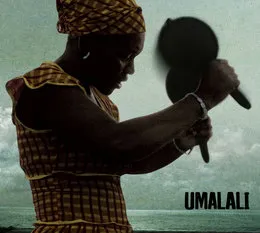
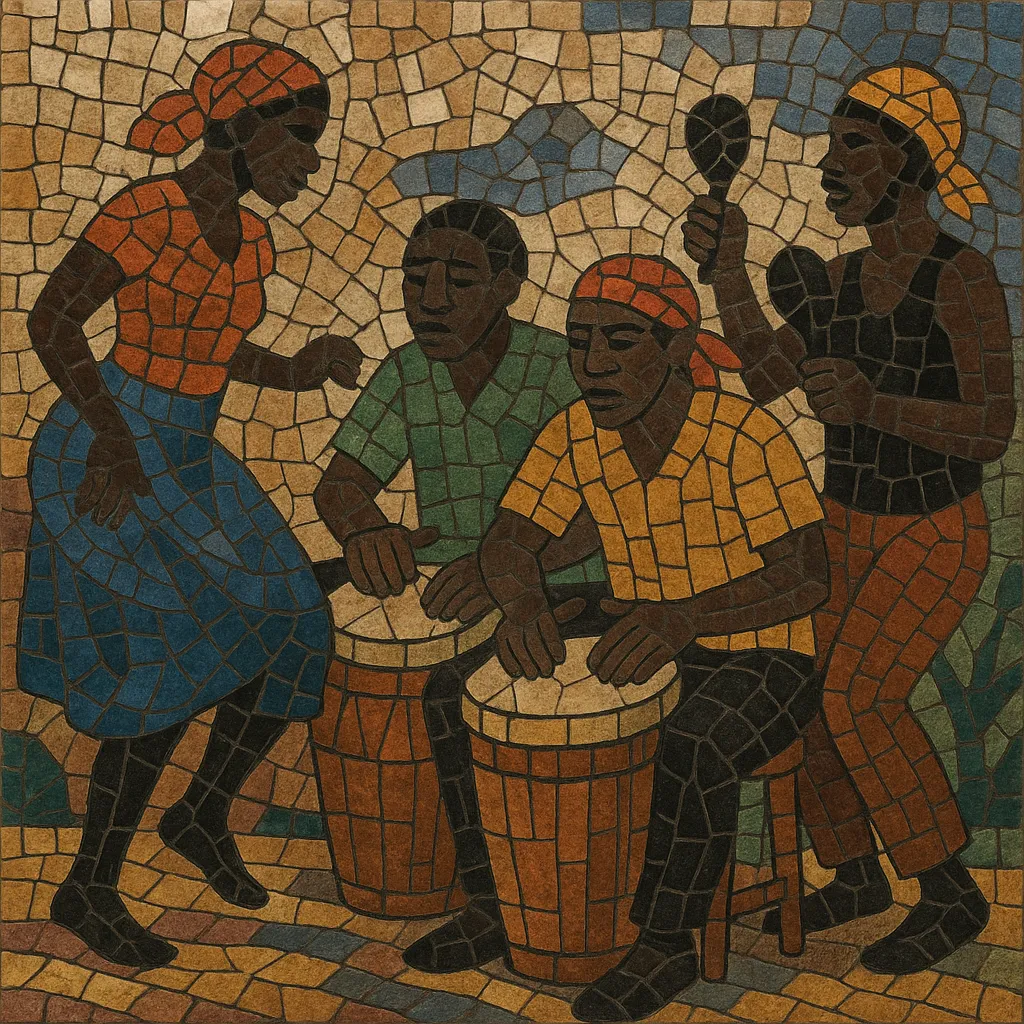
Traditional punta features a small drum ensemble—bass/support drums establish an ostinato while a lead drummer improvises over it—plus idiophones like maracas (sisira) and turtle shell. Songs, frequently in Garifuna, use antiphonal structures and topical or playful verses. The dance—marked by rapid, intricate hip movements—often stages friendly competition between paired dancers.
In the mid–late 20th century, migration, broadcasting, and festivals helped circulate punta beyond village settings. Belizean musician and visual artist Pen Cayetano and the Turtle Shell Band were pivotal in bringing the style to amplified, bandstand contexts around the early 1980s. Meanwhile, Honduran bands (e.g., Banda Blanca) popularized punta‑based hits, and touring Garifuna artists introduced the music to international world‑music audiences.
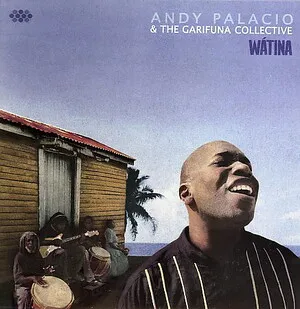
From the 1980s on, punta interacted with contemporary Caribbean and Latin styles—reggae, soca, zouk, and regional Latin popular forms—spurring a plugged‑in variant widely called punta rock. Artists such as Andy Palacio (and later The Garifuna Collective) elevated Garifuna music on the global stage, balancing tradition (drum‑centered punta and related genres like paranda) with modern arrangements. Today, punta remains a core symbol of Garifuna cultural continuity and a dance music with transnational appeal.