Genres
Artists
Albums
Make Music
Sign in
Sign in
Artists
Deep House
Artists
Deep House
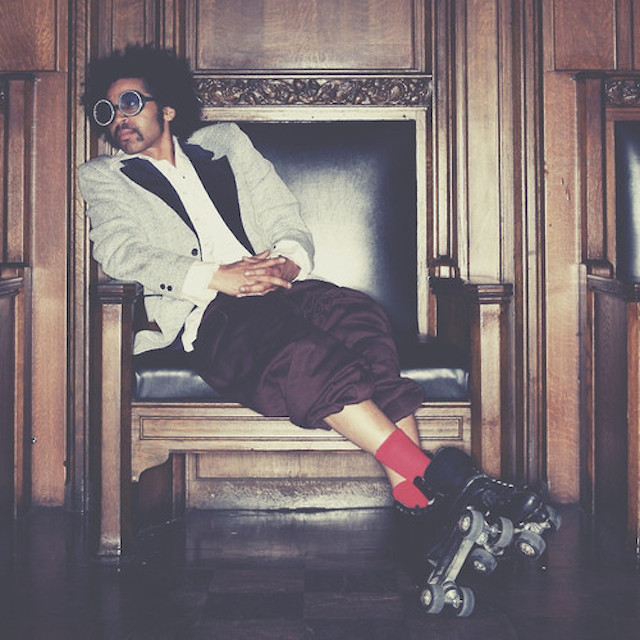
Moodymann
1997–2016
·
4 albums
Listen
3
/5
Genres
Chill Drill
Chill drill is a mellow, melodic offshoot of UK drill that keeps the style’s distinctive sliding 808s, syncopated hi-hats, and snare-on-3 placement, but softens the overall timbre and mood. Instead of ominous synths and harsh textures, it leans on airy pads, Rhodes pianos, gentle guitar loops, and lo‑fi ambience. Vocals tend to be more introspective and tuneful, with sing-rap hooks, laid-back cadences, and reflective lyric themes (romance, ambition, day-to-day life). The result bridges drill’s rhythmic identity with chillhop and lo‑fi hip hop’s relaxed atmosphere, creating tracks that are both groove-driven and easy to live with.
Discover
Listen
Wonky Techno
Wonky techno is a strain of techno that borrows the off‑kilter swing, lurching syncopations, and pitch‑wobbled sound design of “wonky” and UK bass, then grafts them onto techno’s hypnotic structures. Instead of straight four‑on‑the‑floor, it leans on broken, asymmetrical drum programming, micro‑timing nudges, and rubbery low‑end, creating grooves that feel simultaneously club‑functional and crooked. The palette often includes detuned or FM‑rich synths, percussive stabs filtered through dub‑techno space, and restless modulation that keeps the grid feeling fluid and unstable. The result is techno that moves bodies while constantly unbalancing the listener’s inner metronome: tense, bass‑forward, textural, and rhythmically adventurous.
Discover
Listen
Classify
Classify is a streaming-era microgenre that blends light classical technique with contemporary pop repertoire, typically presented as unobtrusive instrumental covers. It prioritizes soft dynamics, gentle tempos, and intimate recording to create a calm, elegant backdrop suitable for studying, working, or events. Most arrangements are for solo piano, string quartet, cello/piano duos, or small chamber ensembles. Harmonies remain diatonic and consonant, melodies are clearly voiced, and textures favor arpeggios, ostinati, and sustained legato lines. The overall aesthetic borrows from modern classical and new age moods while retaining the familiarity of pop song forms.
Discover
Listen
Deep Deep Tech House
Deep deep tech house is a particularly stripped‑back, hypnotic strain of tech house that leans heavily into deep house harmony and minimal, dub‑tinged textures. It keeps the 4/4 groove and club functionality of house while favoring restrained arrangements, long tension arcs, and subtle sound‑design over big breakdowns. Typical tempos sit around 120–126 BPM; drums emphasize tight 909‑style hats and crisp, short kicks; basslines are warm, rolling subs that lock with lightly swung percussion; harmonic content tends to be sparse—muted chord stabs, airy pads, and occasional soulful vocal fragments used as texture rather than focal hooks. The overall aim is an immersive “head‑down” flow that rewards long blends and extended sets. The palette and structure trace back to tech house’s fusion of house and techno and to deep house’s smoother harmonies.
Discover
Listen
Chamber Psych
Chamber psych blends the intimate, acoustic instrumentation and careful arrangements of chamber pop with the hazy textures, tape-warm production, and surreal harmonies of psychedelic pop. Expect strings, woodwinds, vibraphone, Mellotron, and harpsichord to sit alongside vintage keyboards, gently motorik drums, and fluttering tape delays. Vocals are often close‑mic’d and breathy, melodies skew wistful or otherworldly, and songs privilege mood and arrangement craft over volume. The result feels simultaneously handcrafted and dreamlike: miniature orchestras scoring psychedelic reveries.
Discover
Listen
Lo-Fi House
Lo-fi house is a strain of house music that embraces imperfections—tape hiss, vinyl crackle, overdriven drums, and slightly detuned synths—to evoke warmth and nostalgia. It retains a classic 4/4 house pulse but softens the edges with hazy pads, subdued vocals, and wistful melodies. Emerging as an internet-driven micro–scene, the style often uses inexpensive or deliberately degraded production chains (cassette saturation, bit reduction, SP-404–style resampling) to achieve its character. The result is dance music that feels intimate and bedroom-made, equally suited to small dancefloors and solitary late-night listening.
Discover
Listen
Uk Jackin
UK jackin is a bass-forward strain of house and UK garage that emerged in the UK during the early 2010s. It blends the swing and shuffle of garage with the chunky, percussive drive of house, emphasizing rubbery low‑end riffs, organ stabs, and chopped R&B or soul vocals. Compared with classic Chicago jackin’ house, the UK variant is darker and punchier, drawing heavily from bassline and UK bass aesthetics. Tracks typically sit around 124–130 BPM, use swung drums and syncopated bass patterns, and are arranged with DJ‑friendly intros, tension‑building breakdowns, and emphatic drops.
Discover
Listen
Jazz House
Jazz house is a strand of house music that blends the genre’s four-on-the-floor pulse with the harmony, instrumentation, and improvisational ethos of jazz. Typical tracks feature swung hi‑hats, syncopated percussion, and a steady 4/4 kick at moderate club tempos, while layering lush extended chords (7ths, 9ths, 11ths, 13ths), walking or syncopated bass lines, and motifs inspired by bebop, soul jazz, and jazz‑funk. Producers often sample classic jazz recordings or record live parts—Rhodes and acoustic piano, upright or electric bass, saxophone, trumpet, guitar, vibraphone, and Hammond organ—then arrange them in house song forms with breakdowns, solos, and call‑and‑response figures. The result is music that can be both dancer‑friendly and musically rich, sitting at the intersection of deep house, acid jazz, and soulful club music.
Discover
Listen
Deep House
Deep house is a subgenre of house music characterized by warm, soulful textures, jazz-influenced harmony, and understated, hypnotic grooves. It typically runs around 115–124 BPM, favoring subtle swing, syncopated percussion, and rounded, mellow basslines over aggressive peaks. Sonically, deep house draws on extended chords (7ths, 9ths, 11ths), Rhodes and M1 organ timbres, airy pads, and tasteful use of reverb and delay to create a spacious, emotive atmosphere. Vocals, when present, often reference soul and gospel traditions, delivering intimate, reflective themes rather than big-room hooks. The style emerged in the mid-to-late 1980s as producers fused Chicago house rhythms with jazz-funk, soul, and garage house sensibilities, resulting in a smoother, deeper take on the house blueprint.
Discover
Listen
House
House is a dance music genre that emerged in Chicago in the early 1980s, defined by a steady four-on-the-floor kick drum, off-beat hi-hats, soulful or hypnotic vocals, and groove-centric basslines. Typical tempos range from 118–130 BPM, and tracks are structured in DJ-friendly 16–32 bar phrases designed for seamless mixing. Drawing on disco’s celebratory spirit, electro-funk’s drum-machine rigor, and Italo/Hi-NRG’s synth-led sheen, house prioritizes repetition, tension-and-release, and communal energy on the dancefloor. Its sound palette often includes 808/909 drums, sampled or replayed disco/funk elements, filtered loops, piano/organ stabs, and warm, jazzy chords. Over time, house diversified into many substyles—deep house, acid house, French house, tech house, progressive house, and more—yet it remains a global foundation of club culture, known for emphasizing groove, inclusivity, and euphoria.
Discover
Listen
Chicago House
Chicago house is the original strain of house music that emerged from Chicago’s club scene in the mid to late 1980s. Built around a four-on-the-floor kick, syncopated hi‑hats, handclaps, and looping basslines from affordable drum machines and synths, it translated the energy of disco and boogie into a raw, hypnotic, DJ‑friendly format. The sound was forged by resident DJs and producers associated with venues like The Warehouse, Music Box, and Power Plant, as they extended and reworked soulful, gospel-tinged dance records into long, functional grooves. Early Chicago house is often sparse and gritty—driven by TR‑808/909 patterns, piano stabs, deep pads, and call‑and‑response vocals—designed first and foremost for the dance floor.
Discover
Listen
Bleep Techno
Bleep techno (often called "bleep & bass") is a sparse, bass‑heavy strain of early UK techno that emerged in northern England at the turn of the 1990s. It is defined by ultra‑deep sub‑bass inspired by dub reggae sound systems, clean and punchy 808/909 drum programming, and distinctive short "bleep" motifs made from simple waveforms (sine or square). Tempos typically sit around 120–125 BPM, with plenty of negative space, precise quantization, and minimal harmonic content. The style fuses Detroit techno’s futurism with British soundsystem culture, yielding a cool, minimal, machine‑funk aesthetic designed to move large rooms with physical low‑end rather than dense arrangements.
Discover
Listen
Acid Jazz
Acid jazz is a groove-focused fusion that blends the rhythmic drive of 1970s funk and soul with jazz harmony, improvisation, and DJ culture. Emerging from the UK club scene in the late 1980s, it revived crate-dug "rare groove" aesthetics and reintroduced live instrumentation—Hammond organ, Rhodes, horns, and tight rhythm sections—into contemporary dance music. Stylistically, acid jazz favors mid-tempo, syncopated rhythms, vamp-based structures, extended chords, and concise solos, often paired with warm, analog-leaning production. It sits between dancefloor energy and lounge sophistication, bridging DJs, bands, and studio producers while maintaining a polished, urban, and feel-good mood.
Discover
Listen
Detroit Techno
Detroit techno is a futurist, machine-soul form of electronic dance music that emerged from Detroit’s Black musical imagination in the mid-to-late 1980s. It fuses the clinical precision of European electronic music with the swing, grit, and emotional depth of American funk, disco, and Chicago house. Characterized by 4/4 drum-machine grooves, syncopated hi-hats, propulsive basslines, and sleek, melancholic synth pads, Detroit techno aims for both kinetic dance-floor momentum and reflective, sci‑fi atmosphere. It is often minimalist in arrangement yet rich in timbre, foregrounding texture, space, and subtly evolving patterns over overt hooks or vocals.
Discover
Listen
Techno
Techno is a four-on-the-floor, machine-driven form of electronic dance music that emerged in mid-to-late 1980s Detroit. It is characterized by steady 4/4 kick drums, repetitive and hypnotic rhythmic patterns, synthetic timbres, and an emphasis on texture, groove, and forward momentum over elaborate harmony. Producers typically use drum machines, sequencers, and synthesizers to build layered percussion, pulsing basslines, and evolving motifs. While often dark and minimalistic, techno spans a wide spectrum—from soulful, futuristic Detroit aesthetics to hard, industrially tinged European strains—yet it consistently prioritizes kinetic energy for dancefloors and a sense of machine futurism.
Discover
Listen
Hip Hop
Hip hop is a cultural and musical movement that emerged from Black, Latino, and Caribbean communities, centering around rapping (MCing), DJing/turntablism, sampling-based production, and rhythmic speech over beats. It prioritizes groove, wordplay, and storytelling, often reflecting the social realities of urban life. Musically, hip hop is built on drum-centric rhythms (from breakbeats to 808 patterns), looped samples, and bass-forward mixes. Lyrically, it ranges from party anthems and braggadocio to political commentary and intricate poetic forms, with flow, cadence, and rhyme density as core expressive tools. Beyond music, hip hop encompasses a broader culture, historically intertwined with graffiti, b-boying/b-girling (breakdance), fashion, and street entrepreneurship, making it both an art form and a global social language.
Discover
Listen
Electronic
Electronic is a broad umbrella genre defined by the primary use of electronically generated or electronically processed sound. It encompasses music made with synthesizers, drum machines, samplers, computers, and studio/tape techniques, as well as electroacoustic manipulation of recorded or synthetic sources. The genre ranges from academic and experimental traditions to popular and dance-oriented forms. While its sonic palette is rooted in electricity and circuitry, its aesthetics span minimal and textural explorations, structured song forms, and beat-driven club permutations. Electronic emphasizes sound design, timbre, and studio-as-instrument practices as much as melody and harmony.
Discover
Listen
Show all 17 genres
Albums
2016
3
/5
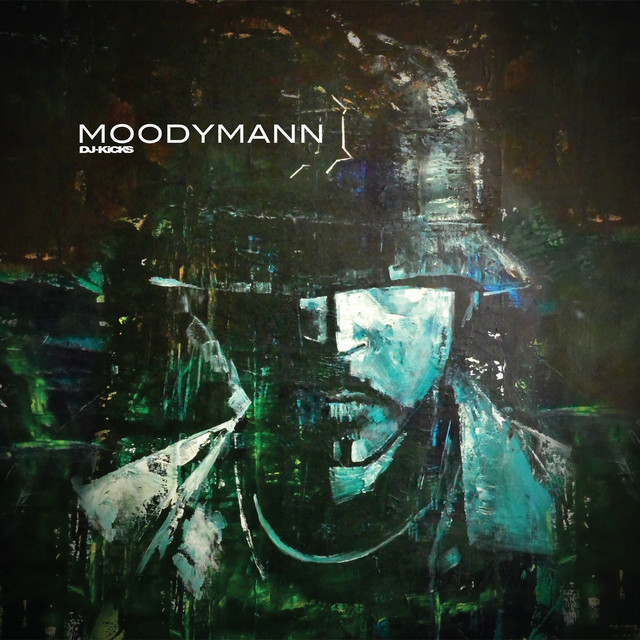
DJ-Kicks (Moodymann) [DJ Mix]
Nightmares On Wax
Bleep Techno
Electronic
Hip Hop
2004
3
/5
Black Mahogani
Moodymann
Deep House
House
Electronic
2000
3
/5
Forevernevermore
Moodymann
Deep House
Electronic
1997
3
/5
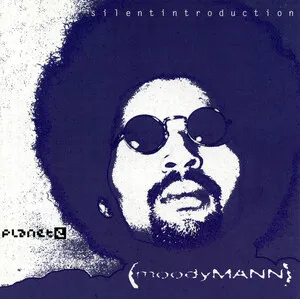
Silentintroduction
Moodymann
Deep House
Electronic
House
Similar artists
3
/5
Dam Swindle
Chicago House
Deep House
Disco House
3
/5
Mr. Fingers
Chicago House
Electronic
House
2
/5
Omar S
Detroit Techno
Chicago House
Jazz House
1
/5
Various Artists
Afro-Funk
Alternative Rock
Ambient
3
/5
Louie Vega
House
Latin House
Chicago House
2
/5
Motor City Drum Ensemble
Deep House
Chicago House
Disco House
3
/5
Fouk
Deep Soul House
Float House
Deep House
3
/5
Ron Trent
Broken Beat
Chicago House
Electronic
2
/5
Theo Parrish
Detroit Techno
Chicago House
Deep House
3
/5
Chaos In The CBD
Float House
Jazz House
Post-Dubstep
Download our mobile app
Get the Melodigging app and start digging for new genres on the go
Download on the App Store
Get it on Google Play
© 2026 Melodigging
Give feedback
Legal
Melodding was created as a tribute to
Every Noise at Once
, which inspired us to help curious minds keep digging into music's ever-evolving genres.