Genres
Artists
Albums
Make Music
Sign in
Sign in
Artists
House
Artists
House
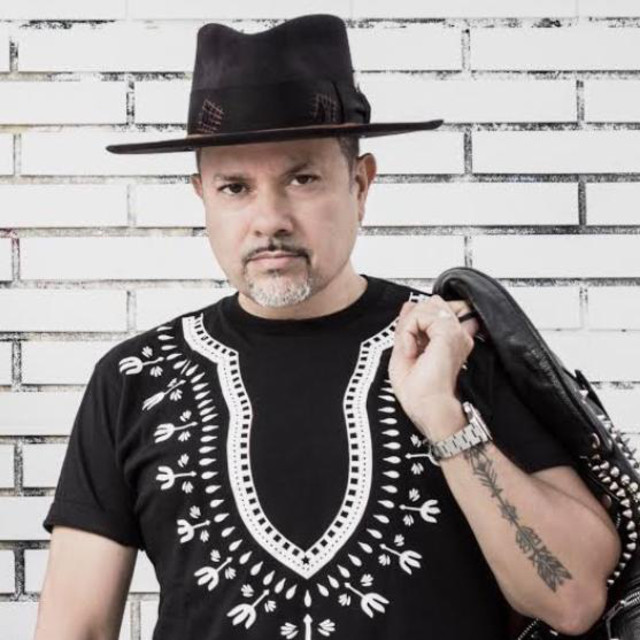
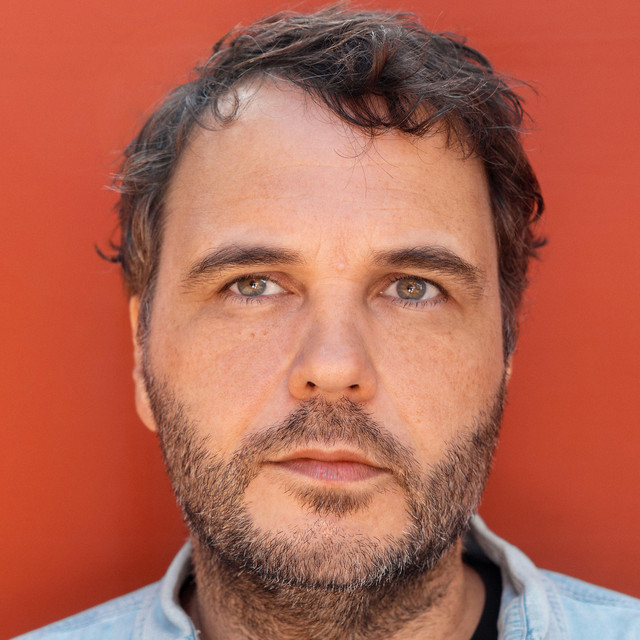
Louie Vega
1900–2020
·
2 albums
Listen
3
/5
Genres
Gospel Amapiano
Gospel Amapiano is a faith-centered offshoot of South Africa’s Amapiano that fuses the genre’s laid‑back, log‑drum basslines, shuffling percussion, and jazzy keys with Christian praise and worship themes. Songs typically pair call‑and‑response vocals, choir pads, and uplifting hooks with the piano stabs, airy pads, and syncopated drum programming characteristic of Amapiano. Lyrics celebrate gratitude, testimony, and communal praise—often delivered in a blend of English and African languages (e.g., Zulu, Xhosa, Yoruba, Shona), mirroring the genre’s pan‑African reach. The result is a dance‑floor ready worship sound that thrives in youth services, praise parties, and social media dance trends, maintaining Amapiano’s relaxed groove while foregrounding spiritual content.
Discover
Listen
Ukg Revival
UKG revival refers to the modern resurgence of UK garage (UKG) aesthetics after the style’s early‑2000s decline. It recasts classic 2‑step swing, rubbery sub‑bass, chopped R&B vocals, and organ/piano stabs with contemporary production, club formats, and pop sensibilities. Typical tracks sit around 128–135 BPM, with syncopated, skippy drum programming and swung hi‑hats, soulful chord colors, and prominent, rolling basslines. The revival often blends speed‑garage grit, bassline energy, and house polish, while borrowing contemporary topline writing and social‑media‑driven hooks for wider crossover appeal. Culturally, the movement connects today’s audiences to late‑’90s/early‑’00s UKG heritage (pirate radio, MC culture, and champagne‑garage euphoria) through fresh artists, labels, and events that foreground inclusivity, DIY distribution, and festival‑ready anthems.
Discover
Listen
Deep Deep Tech House
Deep deep tech house is a particularly stripped‑back, hypnotic strain of tech house that leans heavily into deep house harmony and minimal, dub‑tinged textures. It keeps the 4/4 groove and club functionality of house while favoring restrained arrangements, long tension arcs, and subtle sound‑design over big breakdowns. Typical tempos sit around 120–126 BPM; drums emphasize tight 909‑style hats and crisp, short kicks; basslines are warm, rolling subs that lock with lightly swung percussion; harmonic content tends to be sparse—muted chord stabs, airy pads, and occasional soulful vocal fragments used as texture rather than focal hooks. The overall aim is an immersive “head‑down” flow that rewards long blends and extended sets. The palette and structure trace back to tech house’s fusion of house and techno and to deep house’s smoother harmonies.
Discover
Listen
Deep Euro House
Deep Euro House is a European-bred, melodically rich branch of deep house that blends club-ready four‑on‑the‑floor grooves with warm, emotive sound design and pop-aware songcraft. It favors lush pads, silky basslines, soft piano or guitar stabs, and subtly processed vocals, often in minor keys with bittersweet chord changes. Compared with classic Chicago deep house, Deep Euro House leans more cinematic and refined: filtered synth swells, sidechained textures, airy reverbs, and clean, modern low end. Tempos typically sit around 118–124 BPM, with grooves that feel unhurried yet propulsive—equally at home on late-night dancefloors and in headphone listening. The "Euro" aspect reflects not only its geography (Germany, Switzerland, France, the Netherlands, Austria, Belgium) but also a melodic sensibility shaped by European club culture, indie electronica, and Balearic moods: wistful, romantic, and polished without losing house’s foundational swing.
Discover
Listen
Funky Tech House
Funky tech house is a club-focused substyle of tech house that fuses the genre’s tight, modern drum architecture with the syncopation, bass guitar feel, and feel‑good riffing of classic funk and disco. It favors chunky low‑end hooks, swung percussion, and short, sample‑like stabs or guitar/keys licks that ride a steady 4/4 groove. Typical tempos sit around 124–128 BPM. Production emphasizes crisp, punchy kicks, off‑beat open hats, and clap/snare accents, with rolling, syncopated basslines that provide a constant sense of forward motion. While the aesthetic is cleaner and more minimal than traditional funky house, it keeps the smiley, dance‑floor character—often through filtered loops, bluesy or jazzy chord voicings, and memorable one‑line vocal hooks.
Discover
Listen
Progressive Electro House
Progressive electro house is a festival‑ready hybrid that marries the long, melodic builds and emotive chord progressions of progressive house with the gritty basslines, saw‑lead stabs, and syncopated drops of electro house. Tracks typically run around 126–130 BPM in 4/4, featuring wide supersaw stacks, side‑chained pads, and bright, anthemic toplines that crescendo into aggressive, electro‑flavored drops. The style thrived during the early 2010s EDM boom, with Dutch and Scandinavian producers pushing a sound designed for big‑room and main‑stage impact. Production aesthetics favor layered synth leads (Serum, Sylenth1, Massive), tight festival kicks, off‑beat open hats, sweeping risers, and snare‑roll builds, while arrangements spotlight tension‑and‑release between harmonic, euphoric breakdowns and powerful, synth‑driven drops.
Discover
Listen
Future House
Future house is a mid‑2010s strain of house music known for rubbery, plucked bass leads, clean and punchy drums, and streamlined, drop‑focused arrangements. It bridges the groove and warmth of deep/UK house with the sheen and impact of big‑room/electro‑house, often featuring metallic or organ‑like bass timbres that “speak” melodically. Typical tracks sit around 124–128 BPM, use tight sidechain compression for a pumping feel, and contrast sparse, atmospheric breakdowns with hooky, syncopated bass drops. Vocals, when present, are concise—often chopped or pitched—and the sound design emphasizes clarity, swing, and a modern, club‑ready polish.
Discover
Listen
Deep Tech
Deep tech (often shorthand for deep tech house) is a stripped‑back, groove‑led branch of house/tech house that emphasizes hypnotic repetition, swing, and sound design over big hooks. Typical tracks sit around 124–128 BPM, use tight, shuffling drum programming, and rely on deep sub‑bass, crisp hi‑hats, and minimal, percussive motifs. Harmony tends to be sparse—dubby chords, single‑note stabs, or short pads—leaving space for long DJ‑friendly arrangements. Vocals, if present, are usually snippets or whispered phrases processed with delay and reverb to blend into the texture rather than sit on top. The result is functional and heady: music optimized for long, seamless mixes, late‑night dancefloors, and a rolling, understated energy rather than explosive drops.
Discover
Listen
Disco House
Disco house is a subgenre of house music that fuses the four-on-the-floor pulse and DJ/club culture of house with the songcraft, instrumentation, and feel-good ethos of 1970s disco and late-1970s/early-1980s post‑disco. Characterized by looped and filtered samples of disco strings, rhythm guitars, horn stabs, and soulful vocals, it commonly employs low‑pass filter sweeps, pumping sidechain compression, and swung hi‑hats to create a warm, euphoric, and dance‑centric groove. Typical tempos range from 118–128 BPM. The style is closely associated with the mid‑to‑late 1990s “French Touch” wave (Parisian producers popularizing filtered disco loops), but its roots include Chicago house’s sample-based approach and the lush arrangements of Philadelphia soul.
Discover
Listen
Funky House
Funky house is an upbeat, feel‑good strain of house music that blends the four‑on‑the‑floor pulse with the grooves, instrumentation, and harmony of 1970s/80s disco, funk, and soul. It typically features syncopated basslines (often live or sampled), bright piano or Rhodes stabs, wah‑wah or Nile Rodgers‑style guitar comping, horn and string hits, and soulful, song‑centric vocals. The production emphasizes a steady 120–128 BPM rhythm, swung hi‑hats, and crisp claps on beats 2 and 4, with tasteful filtering and sidechain compression to make basslines and chords pump against the kick. Stylistically, it sits between disco house and soulful/vocal house, aiming squarely at dancefloors while retaining pop‑friendly musicality.
Discover
Listen
House
House is a dance music genre that emerged in Chicago in the early 1980s, defined by a steady four-on-the-floor kick drum, off-beat hi-hats, soulful or hypnotic vocals, and groove-centric basslines. Typical tempos range from 118–130 BPM, and tracks are structured in DJ-friendly 16–32 bar phrases designed for seamless mixing. Drawing on disco’s celebratory spirit, electro-funk’s drum-machine rigor, and Italo/Hi-NRG’s synth-led sheen, house prioritizes repetition, tension-and-release, and communal energy on the dancefloor. Its sound palette often includes 808/909 drums, sampled or replayed disco/funk elements, filtered loops, piano/organ stabs, and warm, jazzy chords. Over time, house diversified into many substyles—deep house, acid house, French house, tech house, progressive house, and more—yet it remains a global foundation of club culture, known for emphasizing groove, inclusivity, and euphoria.
Discover
Listen
Latin House
Latin house is a dance music style that fuses the four-on-the-floor drive of house with Afro–Latin and Caribbean rhythms, percussion, and song forms. It typically sits around 120–128 BPM and features congas, bongos, timbales, cowbells, güiro, and claves layered over punchy house drums and a syncopated, tumbao-inspired bass. Harmonically, Latin house often borrows from salsa, boogaloo, and Latin jazz: montuno piano riffs, brass stabs, and ii–V–I motion appear alongside soulful or Spanish-language vocals and call-and-response choruses. Its sound coalesced in late-1980s New York, Chicago, and Miami—Latin diaspora hubs where DJs and producers blended garage and Chicago house with salsa and merengue club culture. The result is an uplifting, dancefloor-focused style that balances the sleek repetition of house with the celebratory swing, polyrhythms, and melodic vibrancy of Latin music.
Discover
Listen
Chicago House
Chicago house is the original strain of house music that emerged from Chicago’s club scene in the mid to late 1980s. Built around a four-on-the-floor kick, syncopated hi‑hats, handclaps, and looping basslines from affordable drum machines and synths, it translated the energy of disco and boogie into a raw, hypnotic, DJ‑friendly format. The sound was forged by resident DJs and producers associated with venues like The Warehouse, Music Box, and Power Plant, as they extended and reworked soulful, gospel-tinged dance records into long, functional grooves. Early Chicago house is often sparse and gritty—driven by TR‑808/909 patterns, piano stabs, deep pads, and call‑and‑response vocals—designed first and foremost for the dance floor.
Discover
Listen
Deep House
Deep house is a subgenre of house music characterized by warm, soulful textures, jazz-influenced harmony, and understated, hypnotic grooves. It typically runs around 115–124 BPM, favoring subtle swing, syncopated percussion, and rounded, mellow basslines over aggressive peaks. Sonically, deep house draws on extended chords (7ths, 9ths, 11ths), Rhodes and M1 organ timbres, airy pads, and tasteful use of reverb and delay to create a spacious, emotive atmosphere. Vocals, when present, often reference soul and gospel traditions, delivering intimate, reflective themes rather than big-room hooks. The style emerged in the mid-to-late 1980s as producers fused Chicago house rhythms with jazz-funk, soul, and garage house sensibilities, resulting in a smoother, deeper take on the house blueprint.
Discover
Listen
Garage House
Garage house (often called US garage or New York/New Jersey garage) is a soulful, vocal-driven strain of house music that coalesced around the Paradise Garage in New York and the Zanzibar in Newark in the mid-to-late 1980s. It blends the four-on-the-floor pulse of early house with the lush orchestration and harmonies of disco, boogie, Philly soul, gospel, and contemporary R&B. Typical tracks feature warm chords (piano, Rhodes, or the Korg M1 organ), call-and-response vocals, syncopated basslines, shuffling hi-hats, and rich, uplifting arrangements designed for extended club mixes. Where Chicago house often emphasized minimal drum-machine jack tracks, garage house foregrounded songcraft—hooks, bridges, key changes, and church-influenced vocal performances—giving the genre a deeply emotive, dancefloor-focused character.
Discover
Listen
Electronic
Electronic is a broad umbrella genre defined by the primary use of electronically generated or electronically processed sound. It encompasses music made with synthesizers, drum machines, samplers, computers, and studio/tape techniques, as well as electroacoustic manipulation of recorded or synthetic sources. The genre ranges from academic and experimental traditions to popular and dance-oriented forms. While its sonic palette is rooted in electricity and circuitry, its aesthetics span minimal and textural explorations, structured song forms, and beat-driven club permutations. Electronic emphasizes sound design, timbre, and studio-as-instrument practices as much as melody and harmony.
Discover
Listen
Show all 16 genres
Albums
2020
2
/5
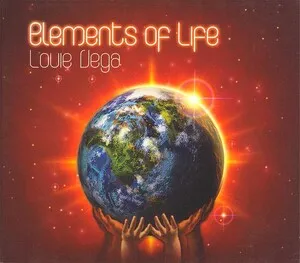
Elements of Life
Louie Vega
Latin House
1900
2
/5
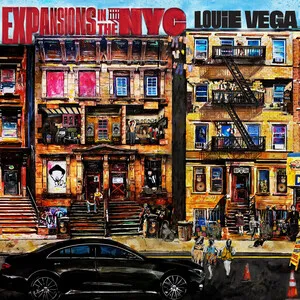
Expansions in the NYC
Louie Vega
Garage House
Electronic
House
Similar artists
1
/5
Various Artists
Afro-Funk
Alternative Rock
Ambient
3
/5
Dam Swindle
Chicago House
Deep House
Disco House
2
/5
Motor City Drum Ensemble
Deep House
Chicago House
Disco House
3
/5
Paul Johnson
Chicago House
Funky House
Disco House
3
/5
Ian Pooley
Deep House
Electronic
French House
3
/5
Afro Medusa
Afro House
Disco House
Funky House
3
/5
Dennis Ferrer
Funky House
House
Uk Funky
4
/5
Armand Van Helden
Speed Garage
Funky House
Vocal House
4
/5
Disclosure
House
Deep Tech
Chill Pop
3
/5
Soulsearcher
Disco House
Funky House
Diva House
Download our mobile app
Get the Melodigging app and start digging for new genres on the go
Download on the App Store
Get it on Google Play
© 2026 Melodigging
Give feedback
Legal
Melodding was created as a tribute to
Every Noise at Once
, which inspired us to help curious minds keep digging into music's ever-evolving genres.