Genres
Artists
Albums
Make Music
Sign in
Sign in
Artists
New Jack Swing
Artists
New Jack Swing
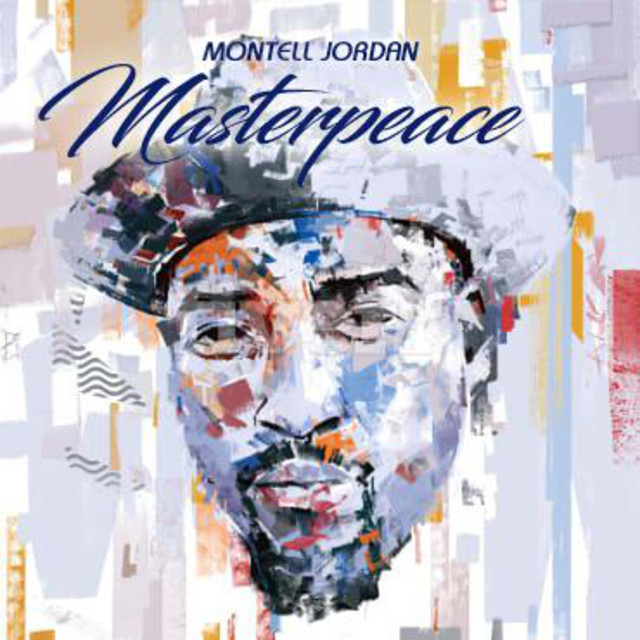
Montell Jordan
Listen
4
/5
Genres
Maimouna
Maimouna is a contemporary Francophone West- and Central‑African club style and dance craze that emerged in the early 2020s, most strongly associated with Côte d’Ivoire’s hyperactive urban party scene. It blends upbeat Afropop songcraft with street‑level chant, call‑and‑response hooks, and kinetic, percussion‑forward beats designed for viral dance challenges. Typical tracks ride a mid‑fast 100–118 BPM groove with shaker and cowbell patterns, handclaps, snare rushes, and short synth stabs or guitar licks. Vocals often mix Nouchi (Ivorian street slang) with French, using playful boasts, dance instructions, and catchy refrains. The production is bright and punchy, favoring simple harmonic loops so the crowd‑energy, chants, and choreography lead the experience.
Discover
Listen
Beats
Beats is a loose, producer-driven category for rhythm-forward instrumentals built around hip‑hop drum patterns without necessarily being rap songs or featuring vocals. It functions as an umbrella for stock, "type," and backing tracks used by rappers, singers, streamers, and content creators, spanning boom‑bap swing to trap hi‑hat grids and R&B‑leaning grooves. On streaming platforms it often appears as standalone instrumentals packaged by tempo, mood, or artist style (e.g., “trap type beat,” “R&B instrumental,” “club beat”), prioritizing portability and utility over artist identity. While rooted in hip‑hop production aesthetics—kicks, snares, 808s, chopped samples—Beats blends downtempo, electronic, and contemporary R&B sensibilities, aiming for clarity, loopability, and immediate vibe.
Discover
Listen
Bedroom Soul
Bedroom soul is a lo‑fi, intimate take on contemporary R&B and soul that foregrounds warm, jazzy harmony and close‑miked vocals tracked in home studios. It blends the DIY ethos of bedroom pop with the grooves and vocal phrasing of neo‑soul and alternative R&B. Production is intentionally unvarnished—subtle tape hiss, vinyl crackle, softly clipped transients, and gentle saturation are embraced to create a lived‑in texture. Electric guitar or Rhodes/soft‑synth keys carry lush seventh‑chord progressions, pocketed bass lines, and minimalist drums with swung hi‑hats and rimshots. Lyrics are inward‑looking and conversational, often exploring romance, self‑discovery, and late‑night reflection.
Discover
Listen
No Beat
No beat is a Brazilian, producer‑driven tag and scene that grew around baile funk and adjacent regional party styles, where the beatmaker’s identity (often voiced as the tag “X no beat!”) is foregrounded. Musically it pulls from funk carioca’s Miami‑bass lineage, paredão/car‑sound‑system aesthetics, and newer dark, minimalist strands (e.g., bruxaria), yielding hard sub‑bass, sparse percussion at 130–150+ BPM, abrupt mutes, chopped/ported vocals, and crowd‑command call‑outs. In some regional pockets the groove leans into arrochadeira/brega influences and trap textures (“trapfunk”). Rather than meaning “without drums,” the label signals a producer‑centric baile funk approach that thrives in street parties and sound‑system culture and has fed into today’s global club and trap‑funk cross‑pollination.
Discover
Listen
The Wave
The Wave is a loosely defined cluster of American post-hardcore/emo bands that surged in the early 2010s as emo-pop’s mainstream moment faded. The name was a tongue‑in‑cheek scene tag that stuck in press coverage, but it points to a real overlap in sound, ethos, and touring networks. Musically, The Wave fuses the urgency of 1990s post‑hardcore and screamo with confessional, literate lyric writing associated with emo. Expect shouted or half‑sung/half‑spoken vocals, dynamic quiet‑loud builds, intricate but driving drums, and guitar textures that shift between glassy clean arpeggios and overdriven, emotive climaxes. The songs often emphasize catharsis, narrative detail, and community-minded DIY presentation.
Discover
Listen
Deep Groove House
Deep Groove House is a modern house substyle centered on thick, rolling basslines, swung percussion, and soulful or disco-leaning motifs delivered with contemporary club production. It balances the warmth and musicality of classic and deep house with the punch and arrangement sensibilities of present-day tech-leaning club music. Hallmarks include a steady 4/4 kick (typically 122–126 BPM), syncopated bass grooves that drive the track rather than sit under it, crisp hi-hats with subtle swing, and tasteful use of organ stabs, piano chords, and filtered disco/funk samples. Vocals—when present—tend to be hooky but restrained, often chopped or looped to reinforce the groove rather than dominate it. As a playlist and DJ vernacular label, Deep Groove House crystallized around the 2010s, especially in UK- and EU-facing club culture, online stores, and label ecosystems that favored groove-first, dancefloor-ready house with deep and classic roots.
Discover
Listen
Electronic Trap
Electronic trap is a club-oriented hybrid that fuses modern trap’s drum language (punchy 808 kicks, snappy snares, fast hi-hat rolls) with EDM sound design and festival-style arrangement. Compared to rap-first trap, electronic trap is typically more instrumental and drop-driven, with dramatic buildups, heavy bass drops, and highly processed synths. Common sonic traits include distorted 808 subs, aggressive lead synths, chopped or pitched vocal samples, and big FX transitions (risers, impacts, sweeps). The overall focus is energy, bass weight, and crowd impact on large sound systems.
Discover
Listen
Future House
Future house is a mid‑2010s strain of house music known for rubbery, plucked bass leads, clean and punchy drums, and streamlined, drop‑focused arrangements. It bridges the groove and warmth of deep/UK house with the sheen and impact of big‑room/electro‑house, often featuring metallic or organ‑like bass timbres that “speak” melodically. Typical tracks sit around 124–128 BPM, use tight sidechain compression for a pumping feel, and contrast sparse, atmospheric breakdowns with hooky, syncopated bass drops. Vocals, when present, are concise—often chopped or pitched—and the sound design emphasizes clarity, swing, and a modern, club‑ready polish.
Discover
Listen
Sky Room
Sky room is a streaming-era microgenre of airy, pastel-hued alt‑pop and indie R&B that sits between bedroom pop and chill electronic music. It emphasizes soft, close-miked vocals, spacious reverbs, light trap‑influenced percussion, and gentle synth or clean guitar textures. The overall sound is weightless and daydreamy—designed as much for background listening as for late‑night introspection. Lyrically, sky room leans toward intimate, confessional themes—quiet anxieties, tender romance, and coming‑of‑age self-reflection—conveyed with minimalist phrasing and catchy, understated hooks.
Discover
Listen
Indie Pop Rap
Indie pop rap blends the melodic hooks and DIY aesthetic of indie pop with conversational, often introspective rap delivery. The production favors warm, guitar- or synth-led beats, understated drums, and lo‑fi textures over bombastic trap maximalism. Lyrically, it leans personal and relatable—relationships, coming of age, mental health, and day-to-day vignettes—delivered in a half-sung, half-rapped style. The sound was shaped by bedroom producers and the streaming era, where low-stakes, catchy songs with intimate vocals thrive on playlists and social media.
Discover
Listen
Pop Edm
Pop EDM (often written as pop-EDM) is a crossover style that fuses the song-centric writing, hooks, and structure of mainstream pop with the sound design, drops, and production techniques of modern electronic dance music. It typically features verse–pre‑chorus–chorus forms, radio-friendly toplines, and polished vocals, but replaces a traditional instrumental chorus with an EDM-style drop built from synth leads, vocal chops, or rhythmic bass. Tempos commonly range from 100–128 BPM, with harmonic language that favors diatonic, feel‑good progressions and bright, euphoric timbres. Commercially oriented and festival‑compatible, pop EDM is designed to work on both radio/streaming and the dancefloor, prioritizing memorable hooks, high-impact drops, and a glossy, sidechained mix.
Discover
Listen
Pop Urbaine
Pop urbaine is a French mainstream pop style that blends contemporary R&B, hip hop, Afrobeats, dancehall, zouk, raï, and reggaeton with chart‑friendly songwriting. It emphasizes melodic hooks, mid‑tempo grooves, and sleek vocal production (often with Auto‑Tune) while foregrounding everyday, romantic, and nightlife themes in colloquial French. Rhythmically it favors syncopated Afro‑Caribbean patterns, sparse but bouncy 808 drums, and light guitar or synth plucks, creating a buoyant, danceable feel without the aggressiveness of club music. Vocals typically alternate between sung refrains and rap‑influenced verses, with catchy refrains designed for streaming and social media virality. The genre became a defining sound of French popular culture in the late 2010s, driven by a new generation of Francophone artists with diasporic roots who globalized French pop while keeping its language and local slang at the center.
Discover
Listen
Kids Dance Party
Kids dance party is a substyle of children’s music built for high-energy group dancing at birthdays, school discos, camps, and family events. It borrows the hooks, tempos, and production gloss of mainstream dance-pop and EDM, but with age-appropriate lyrics and clear movement prompts that make it easy for children to join in together. Compilations and kid-sung covers have been central to its spread, giving young audiences familiar pop tunes in a safe, participatory format. Songs tend to feature simple, repetitive choruses, call-and-response chants, and action cues (e.g., “clap,” “jump,” “spin”) so that children can follow along without prior instruction—a practice long used by “action songs” in classrooms and PE “brain break” activities. The style also embraces viral, choreography-driven children’s hits that pair a catchy beat with iconic hand-and-body motions, which cement the “dance-along” identity of the genre in the streaming and social-media era.
Discover
Listen
Machine Rock
Machine rock is a hybrid rock style that fuses hard-edged rock instrumentation with the rigid pulse, repetition, and synthetic textures of industrial and electronic music. The genre typically emphasizes mechanical precision, distorted guitars, sequenced rhythms, processed vocals, and a cold, metallic sonic atmosphere. It often feels more locked to programmed groove than traditional rock, with riffs and drum patterns designed to sound motoric, automated, and machine-driven. In practice, machine rock sits between industrial rock, electronic rock, industrial metal, and sometimes EBM-inflected rock. It favors tight rhythmic control, layered distortion, synthetic bass or sequencer lines, and production aesthetics that highlight compression, repetition, and digital or metallic timbres.
Discover
Listen
Hip Hop Soul
Hip hop soul fuses the vocal traditions of soul and contemporary R&B with the production aesthetics and rhythms of hip hop. It typically features emotive, melismatic singing over boom‑bap or sample-driven beats, with frequent rap features and remix culture bridging R&B hooks and MC verses. Compared with new jack swing’s brighter, digitized swingbeat, hip hop soul adopts grittier drum textures, deeper bass, and loop-based arrangements drawn from crate-digging or programmed on samplers. Lyrically it centers on love, heartbreak, resilience, and urban life, often delivered with an assertive, streetwise attitude that mirrors hip hop’s aesthetics. The style reached mainstream prominence in the 1990s through artists like Mary J. Blige, Aaliyah, TLC, and Faith Evans, and set the template for much of late-1990s and 2000s R&B.
Discover
Listen
New Jack Swing
New jack swing is a late‑1980s fusion of contemporary R&B vocal harmony and melodies with hip‑hop’s drum programming, sampling aesthetics, and street attitude. It is defined by swung, hard‑hitting drum‑machine grooves (often with gated snares), bright synth stabs and bass, and a slick, dance‑oriented production style. Producers and vocal groups combined rap verses or talk‑style ad‑libs with smooth, hook‑forward choruses, making the sound equally suited for radio and choreography‑heavy performances. The style dominated U.S. pop and R&B charts from the late 1980s into the early 1990s, influencing mainstream pop as well as the first waves of K‑pop and shaping the trajectory of 1990s contemporary R&B.
Discover
Listen
Pop Rap
Pop rap blends the rhythmic vocal delivery and beat-centric production of hip hop with the catchy hooks, polished structures, and radio-friendly sensibilities of pop music. It typically features melodic choruses (often sung), accessible themes, and mid-tempo grooves designed for mass appeal. Production prioritizes clean, bright sonics, simple harmonic progressions, and memorable top-line melodies, while verses keep to clear, punchy flows that are easy for broad audiences to follow. Because it sits between two commercial powerhouses—pop and hip hop—pop rap has frequently served as a gateway for mainstream listeners to explore rap, while giving hip hop artists a framework to cross over to pop charts.
Discover
Listen
Contemporary R&b
Contemporary R&B is a popular music genre that evolved from rhythm and blues and soul in the late 1970s, largely among African‑American musicians. It blends traditional R&B vocal stylings with elements of pop, funk, hip hop, and electronic music. The style is marked by soulful, passionate and often melismatic lead vocals; lush, smooth, frequently synthesized production; and a groove-first sensibility that can range from slow jams to club‑ready mid‑tempos. Since the 2010s, the incorporation of pop and electronic textures and production techniques has driven strands like electro‑R&B and helped expand the sound on global charts.
Discover
Listen
Hip Hop
Hip hop is a cultural and musical movement that emerged from Black, Latino, and Caribbean communities, centering around rapping (MCing), DJing/turntablism, sampling-based production, and rhythmic speech over beats. It prioritizes groove, wordplay, and storytelling, often reflecting the social realities of urban life. Musically, hip hop is built on drum-centric rhythms (from breakbeats to 808 patterns), looped samples, and bass-forward mixes. Lyrically, it ranges from party anthems and braggadocio to political commentary and intricate poetic forms, with flow, cadence, and rhyme density as core expressive tools. Beyond music, hip hop encompasses a broader culture, historically intertwined with graffiti, b-boying/b-girling (breakdance), fashion, and street entrepreneurship, making it both an art form and a global social language.
Discover
Listen
Show all 19 genres
Similar artists
Hide discovered
4
/5
TLC
Contemporary R&b
New Jack Swing
Girl Group
4
/5
R. Kelly
Contemporary R&b
R&b
Hip Hop
4
/5
Blackstreet
New Jack Swing
Contemporary R&b
Hip Hop
4
/5
SWV
New Jack Swing
Contemporary R&b
Hip Hop Soul
4
/5
Jodeci
New Jack Swing
R&b
Hip Hop Soul
4
/5
En Vogue
New Jack Swing
Girl Group
Contemporary R&b
3
/5
Brownstone
Hip Hop Soul
R&b
Swing
1
/5
Various Artists
Soundtrack
Afro-Funk
Alternative Rock
4
/5
Mary J. Blige
R&b
Contemporary R&b
Hip Hop
4
/5
Missy Elliott
Hip Hop
Contemporary R&b
Hip House
Download our mobile app
Get the Melodigging app and start digging for new genres on the go
Download on the App Store
Get it on Google Play
© 2026 Melodigging
Give feedback
About & FAQ
Legal
Melodding was created as a tribute to
Every Noise at Once
, which inspired us to help curious minds keep digging into music's ever-evolving genres.