Genres
Artists
Albums
Make Music
Sign in
Sign in
Artists
New Jack Swing
Artists
New Jack Swing
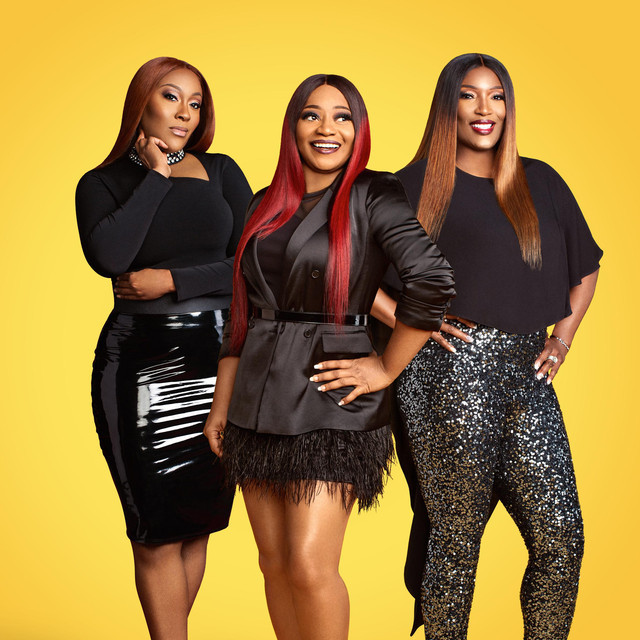
SWV
1992–1997
·
2 albums
Listen
4
/5
Genres
Black Americana
Black Americana is a contemporary umbrella genre that centers Black artists within the traditions of Americana (roots-based U.S. music such as folk, country, blues, gospel, and soul). It often blends acoustic storytelling and roots instrumentation with Black musical lineages, highlighting themes of migration, labor, faith, resilience, love, and social justice. Rather than a single fixed sound, it is a scene and framing that reconnects “Americana” to its multiracial roots while pushing the style forward with modern production, R&B/soul phrasing, and genre-crossing songwriting.
Discover
Listen
Chill R&b
Chill R&B is a mellow, atmospheric branch of contemporary R&B that emphasizes intimate vocals, warm harmonies, and low-key, downtempo grooves. It blends the songwriting and emotive delivery of classic R&B with modern, minimal production, often borrowing the hazy textures of lo-fi hip hop and the spacious sound design of ambient and chillwave. The style is defined by soft, close-miked vocals with layered harmonies, smooth chord extensions, and restrained drum programming that leaves plenty of negative space. Lyrically, it leans into late-night introspection, romance, self-reflection, and mood-setting imagery. The overall effect is cozy and cinematic, designed for headphones, night drives, and relaxed listening.
Discover
Listen
Neo R&b
Neo R&B is a modern evolution of contemporary R&B that blends classic soul vocal traditions with current hip-hop sensibilities and forward-looking electronic production. It typically features intimate, close-mic singing (often with melisma and layered harmonies), spacious mixes, and experimental textures drawn from electronic music, alternative pop, and modern hip-hop beat-making. Compared with earlier mainstream R&B, neo R&B often favors subtler hooks, mood-driven songwriting, and a “late-night” sonic palette built on deep bass, soft drums, and minimalist chord movement.
Discover
Listen
No Beat
No beat is a Brazilian, producer‑driven tag and scene that grew around baile funk and adjacent regional party styles, where the beatmaker’s identity (often voiced as the tag “X no beat!”) is foregrounded. Musically it pulls from funk carioca’s Miami‑bass lineage, paredão/car‑sound‑system aesthetics, and newer dark, minimalist strands (e.g., bruxaria), yielding hard sub‑bass, sparse percussion at 130–150+ BPM, abrupt mutes, chopped/ported vocals, and crowd‑command call‑outs. In some regional pockets the groove leans into arrochadeira/brega influences and trap textures (“trapfunk”). Rather than meaning “without drums,” the label signals a producer‑centric baile funk approach that thrives in street parties and sound‑system culture and has fed into today’s global club and trap‑funk cross‑pollination.
Discover
Listen
Ratchet Music
Ratchet music is a minimalist, club-focused strain of West Coast hip hop that coalesced in the early 2010s, most closely associated with Los Angeles producer DJ Mustard. It emphasizes sparse drum programming built from 808 kicks, handclaps, crisp hi‑hats, and simple percussive fills; bouncy tempos around 95–105 BPM; short, catchy synth or piano stabs; and a weighty sub‑bass that leaves ample space for vocals. Culturally and lyrically, it channels “ratchet” party culture and slang—rooted in Louisiana (notably Shreveport’s nickname “Ratchet City”) and amplified by the L.A. party scene—favoring braggadocio, nightlife, flirtation, and chant‑able hooks over dense lyricism. The result is a stripped‑down, hook‑driven sound engineered for dance floors and radio rotation.
Discover
Listen
The Wave
The Wave is a loosely defined cluster of American post-hardcore/emo bands that surged in the early 2010s as emo-pop’s mainstream moment faded. The name was a tongue‑in‑cheek scene tag that stuck in press coverage, but it points to a real overlap in sound, ethos, and touring networks. Musically, The Wave fuses the urgency of 1990s post‑hardcore and screamo with confessional, literate lyric writing associated with emo. Expect shouted or half‑sung/half‑spoken vocals, dynamic quiet‑loud builds, intricate but driving drums, and guitar textures that shift between glassy clean arpeggios and overdriven, emotive climaxes. The songs often emphasize catharsis, narrative detail, and community-minded DIY presentation.
Discover
Listen
Bedroom Soul
Bedroom soul is a lo‑fi, intimate take on contemporary R&B and soul that foregrounds warm, jazzy harmony and close‑miked vocals tracked in home studios. It blends the DIY ethos of bedroom pop with the grooves and vocal phrasing of neo‑soul and alternative R&B. Production is intentionally unvarnished—subtle tape hiss, vinyl crackle, softly clipped transients, and gentle saturation are embraced to create a lived‑in texture. Electric guitar or Rhodes/soft‑synth keys carry lush seventh‑chord progressions, pocketed bass lines, and minimalist drums with swung hi‑hats and rimshots. Lyrics are inward‑looking and conversational, often exploring romance, self‑discovery, and late‑night reflection.
Discover
Listen
Deep R&b
Deep R&B is a streaming‑era microgenre of contemporary R&B characterized by intimate, atmospheric production, slow to mid‑tempo grooves, and emotionally candid vocals. Producers favor spacious mixes with warm low‑end (808s or sub‑bass), hushed drum programming, and reverb‑washed pads or guitar, creating a late‑night, immersive feel. Aesthetically it sits at the intersection of alternative R&B and the moody, minimalist “Toronto sound” that rose in the early 2010s, blending R&B songwriting with hip‑hop, ambient and electronic textures, and occasional trap soul cadences. Lyrically it leans toward introspection, romance, and vulnerability, often delivered in close‑miked, breathy tones or falsetto.
Discover
Listen
Hip Hop Soul
Hip hop soul fuses the vocal traditions of soul and contemporary R&B with the production aesthetics and rhythms of hip hop. It typically features emotive, melismatic singing over boom‑bap or sample-driven beats, with frequent rap features and remix culture bridging R&B hooks and MC verses. Compared with new jack swing’s brighter, digitized swingbeat, hip hop soul adopts grittier drum textures, deeper bass, and loop-based arrangements drawn from crate-digging or programmed on samplers. Lyrically it centers on love, heartbreak, resilience, and urban life, often delivered with an assertive, streetwise attitude that mirrors hip hop’s aesthetics. The style reached mainstream prominence in the 1990s through artists like Mary J. Blige, Aaliyah, TLC, and Faith Evans, and set the template for much of late-1990s and 2000s R&B.
Discover
Listen
New Jack Swing
New jack swing is a late‑1980s fusion of contemporary R&B vocal harmony and melodies with hip‑hop’s drum programming, sampling aesthetics, and street attitude. It is defined by swung, hard‑hitting drum‑machine grooves (often with gated snares), bright synth stabs and bass, and a slick, dance‑oriented production style. Producers and vocal groups combined rap verses or talk‑style ad‑libs with smooth, hook‑forward choruses, making the sound equally suited for radio and choreography‑heavy performances. The style dominated U.S. pop and R&B charts from the late 1980s into the early 1990s, influencing mainstream pop as well as the first waves of K‑pop and shaping the trajectory of 1990s contemporary R&B.
Discover
Listen
Contemporary R&b
Contemporary R&B is a popular music genre that evolved from rhythm and blues and soul in the late 1970s, largely among African‑American musicians. It blends traditional R&B vocal stylings with elements of pop, funk, hip hop, and electronic music. The style is marked by soulful, passionate and often melismatic lead vocals; lush, smooth, frequently synthesized production; and a groove-first sensibility that can range from slow jams to club‑ready mid‑tempos. Since the 2010s, the incorporation of pop and electronic textures and production techniques has driven strands like electro‑R&B and helped expand the sound on global charts.
Discover
Listen
Hip Hop
Hip hop is a cultural and musical movement that emerged from Black, Latino, and Caribbean communities, centering around rapping (MCing), DJing/turntablism, sampling-based production, and rhythmic speech over beats. It prioritizes groove, wordplay, and storytelling, often reflecting the social realities of urban life. Musically, hip hop is built on drum-centric rhythms (from breakbeats to 808 patterns), looped samples, and bass-forward mixes. Lyrically, it ranges from party anthems and braggadocio to political commentary and intricate poetic forms, with flow, cadence, and rhyme density as core expressive tools. Beyond music, hip hop encompasses a broader culture, historically intertwined with graffiti, b-boying/b-girling (breakdance), fashion, and street entrepreneurship, making it both an art form and a global social language.
Discover
Listen
Girl Group
Girl group is a pop- and R&B-rooted vocal group tradition defined by all-female ensembles whose songs emphasize memorable hooks, close harmonies, and teen-focused narratives about love, longing, friendship, and empowerment. Although female vocal groups existed earlier, the term “girl group” most strongly denotes the early‑to‑mid‑1960s era shaped by the Brill Building writing teams, Motown’s artist-development system, and producers such as Phil Spector. Canonical records combine doo‑wop harmony language, gospel-inflected lead vocals, and sparkling pop arrangements with handclaps, tambourine, string sweetening, and the “Wall of Sound.” Across subsequent decades the template evolved—from 1970s soul and disco through 1990s contemporary R&B and 2000s–2020s global idol scenes—while retaining core hallmarks: tightly blended vocals, catchy chorus-first songwriting, and a strong visual identity with coordinated fashion and choreography.
Discover
Listen
Pop
Pop is a broad, hook-driven style of popular music designed for wide appeal. It emphasizes memorable melodies, concise song structures, polished vocals, and production intended for radio, charts, and mass media. While pop continually absorbs elements from other styles, its core remains singable choruses, accessible harmonies, and rhythmic clarity. Typical forms include verse–pre-chorus–chorus, frequent use of bridges and middle-eights, and ear-catching intros and outros. Pop is not defined by a single instrumentation. It flexibly incorporates acoustic and electric instruments, drum machines, synthesizers, and increasingly digital production techniques, always in service of the song and the hook.
Discover
Listen
R&b
R&B (Rhythm and Blues) is a vocal- and groove-centered popular music tradition that blends blues tonality, jazz harmony, and gospel-inflected singing with a steady backbeat. It emphasizes expressive lead vocals, call-and-response, lush harmonies, and danceable rhythms. From its 1940s roots in African American communities to its later evolutions, R&B has continually absorbed and reshaped surrounding sounds—from jump blues and swing in the early days to soul, funk, hip hop, and electronic production in the contemporary era. Today, R&B ranges from intimate, slow-burning ballads to club-ready tracks, all tied together by a focus on feel, melody, and vocal performance.
Discover
Listen
Show all 15 genres
Albums
1997
4
/5
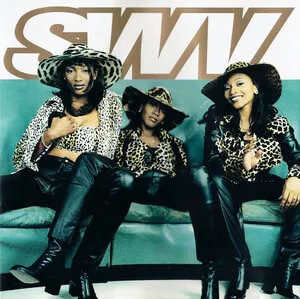
Release Some Tension
SWV
Hip Hop Soul
Contemporary R&b
Hip Hop
1992
4
/5
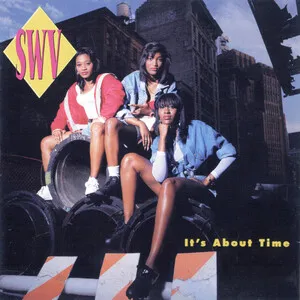
It's About Time
SWV
New Jack Swing
Hip Hop Soul
Contemporary R&b
Similar artists
4
/5
Mary J. Blige
R&b
Hip Hop Soul
Black Americana
4
/5
Janet Jackson
New Jack Swing
Pop
Contemporary R&b
3
/5
Babyface
Contemporary R&b
New Jack Swing
Quiet Storm
4
/5
Prince
Funk
Minneapolis Sound
Synth Funk
1
/5
Various Artists
Afro-Funk
Alternative Rock
Ambient
4
/5
Aaliyah
R&b
Contemporary R&b
Pop
4
/5
Jodeci
New Jack Swing
R&b
Hip Hop
3
/5
Loose Ends
Brit Funk
New Jack Swing
R&b
5
/5
Michael Jackson
Soul
Pop
Contemporary R&b
4
/5
TLC
New Jack Swing
Girl Group
Electronic
Download our mobile app
Get the Melodigging app and start digging for new genres on the go
Download on the App Store
Get it on Google Play
© 2026 Melodigging
Give feedback
Legal
Melodding was created as a tribute to
Every Noise at Once
, which inspired us to help curious minds keep digging into music's ever-evolving genres.