Genres
Artists
Albums
Make Music
Sign in
Sign in
Artists
Djent
Artists
Djent
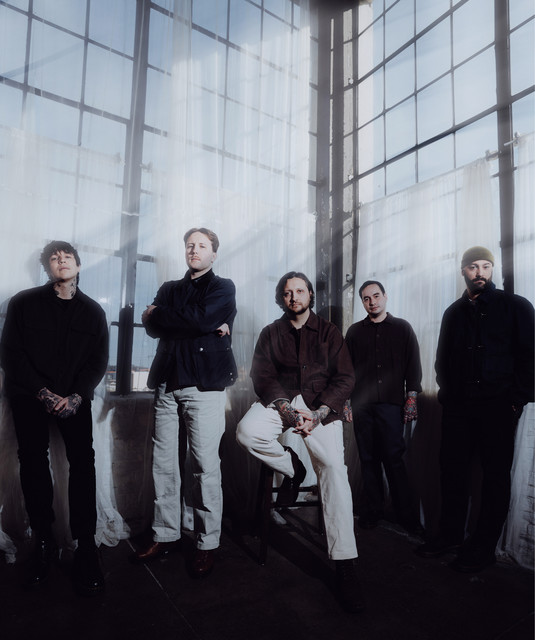
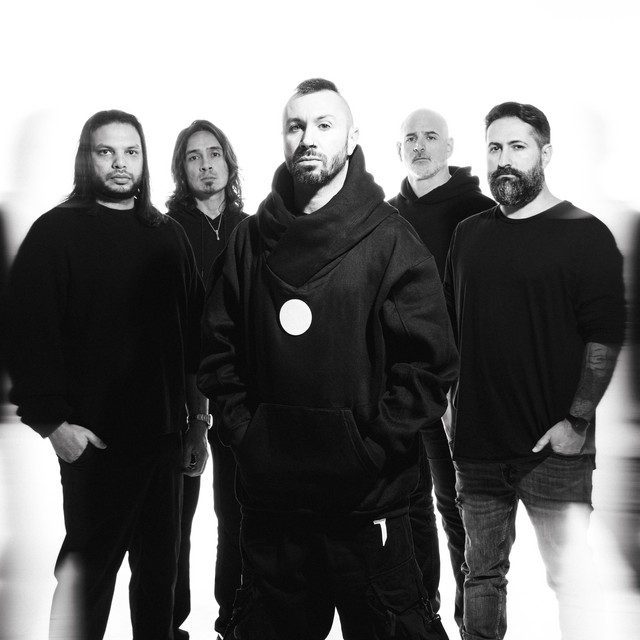
Moebius
Listen
1
/5
Genres
Djent
Djent is a substyle of progressive metal defined by ultra-tight, low‑tuned, palm‑muted guitar riffs that create a percussive, onomatopoeic "djent" sound. It favors extended‑range instruments (7–9 strings), precise rhythmic subdivision, and a highly articulate, modern production aesthetic. Sonically, djent emphasizes polyrhythms, syncopation, and metric modulation, often pairing dense, chugging grooves with ambient clean guitars, spacious synth pads, and melodic choruses. Vocals range from harsh screams and growls to soaring cleans, while drums and bass lock tightly to the rhythmic grid, accenting the guitar’s staccato patterns. Although the term took off online in the late 2000s, the core rhythmic and timbral blueprint traces to the 1990s work of Swedish band Meshuggah.
Discover
Listen
Groove Metal
Groove metal is a heavy metal subgenre defined by mid‑tempo, syncopated, and riff‑centric songwriting that prioritizes head‑nodding "groove" over sheer speed. Guitars are typically down‑tuned and palm‑muted, locking tightly to a punchy, backbeat‑driven drum feel and muscular bass lines. Vocals are usually aggressive shouts or barks with occasional melodic or anthemic passages, while lead guitars favor pinched harmonics, blues‑tinged bends, and compact, percussive phrases rather than long neo‑classical runs. Production tends to be tight and weighty, emphasizing a thick, modern rhythm‑guitar tone and precise drum transients. Stylistically, groove metal grew out of late‑’80s thrash and hardcore but slowed and widened the rhythms, borrowing the feel of funk metal’s syncopation and, in some cases, southern rock’s swagger.
Discover
Listen
Progressive Metal
Progressive metal blends the ambition and extended song forms of progressive rock with the heaviness, timbre, and energy of heavy metal. It is characterized by complex arrangements, frequent time‑signature changes, virtuosic instrumental passages, thematic or concept‑driven albums, and a wide dynamic range from delicate, atmospheric sections to aggressive, high‑gain climaxes. Harmonically it draws on modal interchange, chromatic voice‑leading, and jazz‑fusion colors, while rhythmically it favors polymeters, polyrhythms, and metric modulation. Keyboards and layered production often add orchestral or cinematic scope.
Discover
Listen
Krautrock
Krautrock is an experimental form of rock that emerged in late-1960s West Germany, characterized by hypnotic repetition, long-form structures, and a forward-looking embrace of electronics and studio experimentation. It typically features a steady, driving 4/4 “motorik” beat, circular bass ostinatos, sparse harmonic movement, and textural layering that draws from minimalism, free improvisation, and avant-garde composition. Rather than virtuosic solos, the emphasis is on collective groove, trance-inducing momentum, and timbral exploration. The sound ranges from raw, percussive jams to spacious, cosmic electronics, often eschewing conventional Anglo-American blues forms in favor of a distinctly European modernist aesthetic.
Discover
Listen
Similar artists
4
/5
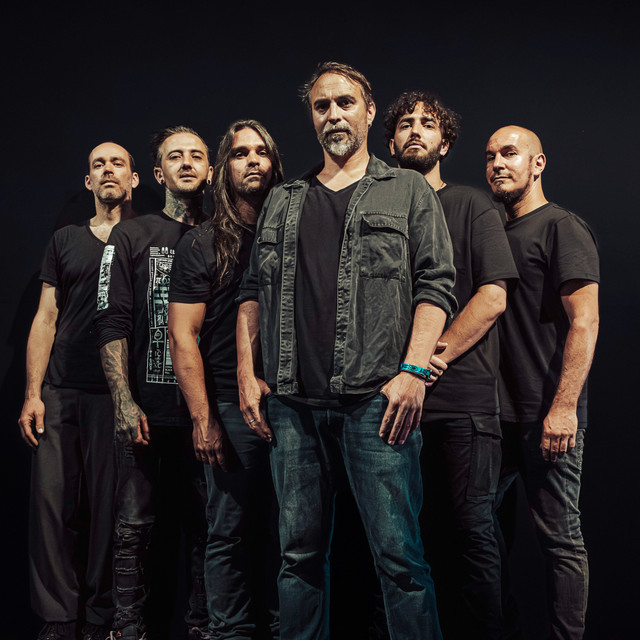
Gojira
French Death Metal
Progressive Groove Metal
Progressive Metal
3
/5
Meshuggah
Djent
Progressive Groove Metal
Technical Groove Metal
3
/5
Jinjer
Slayer
Progressive Metal
Metalcore
2
/5
Klone
Progressive Groove Metal
Djent
Groove Metal
1
/5
Hacride
Djent
Groove Metal
Progressive Groove Metal
1
/5
Xerath
Djent
Groove Metal
Melodic Death Metal
4
/5
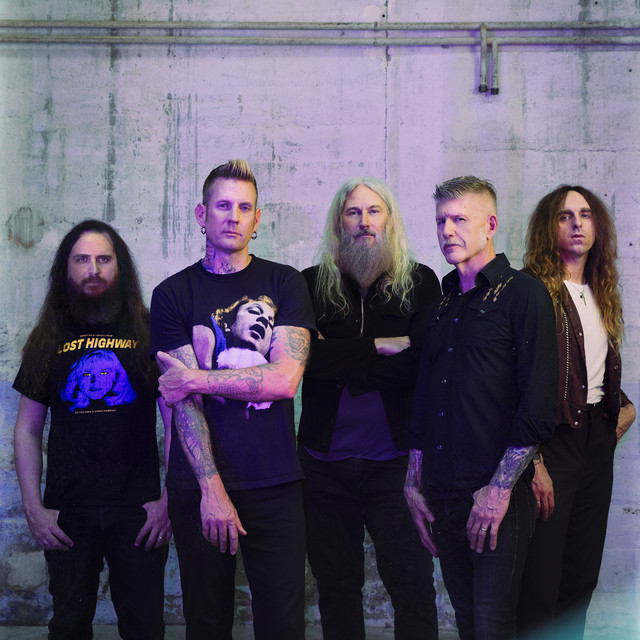
Mastodon
Sludge Metal
Progressive Metal
Stoner Metal
4
/5
Polyphia
Instrumental Rock
Progressive Metal
Math Rock
3
/5
ERRA
Progressive Metal
Djent
Metalcore
3
/5
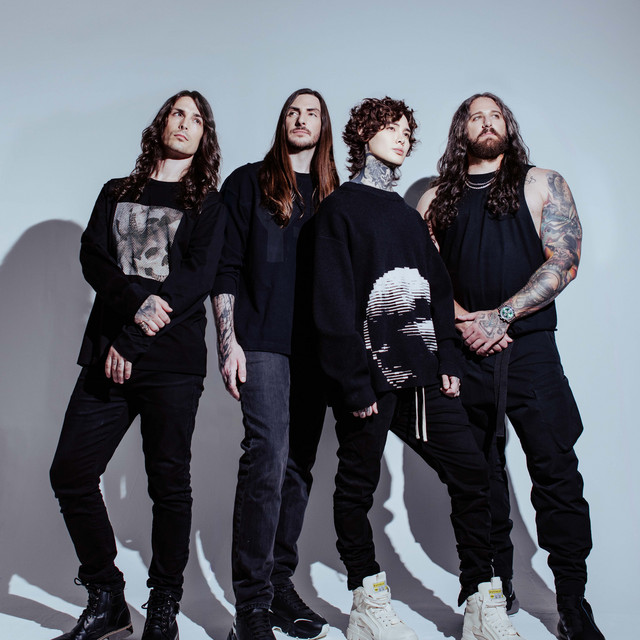
Periphery
Progressive Metal
Djent
Progressive Metalcore
Download our mobile app
Get the Melodigging app and start digging for new genres on the go
Download on the App Store
Get it on Google Play
© 2026 Melodigging
Give feedback
Legal
Melodding was created as a tribute to
Every Noise at Once
, which inspired us to help curious minds keep digging into music's ever-evolving genres.