Genres
Artists
Albums
Make Music
Sign in
Sign in
Artists
Minimalism
Artists
Minimalism
Mivos Quartet
2022–2023
·
2 albums
Listen
1
/5
Genres
Modern Classical
Modern classical is a contemporary strand of instrumental music that applies classical composition techniques to intimate, cinematic settings. It typically foregrounds piano and strings, is sparsely orchestrated, and embraces ambience, repetition, and timbral detail. Rather than the academic modernism of the early 20th century, modern classical as used today refers to accessible, mood-driven works that sit between classical, ambient, and film music. Felt pianos, close‑miked string quartets, tape hiss, drones, soft electronics, and minimal harmonic movement are common, producing a contemplative, emotionally direct sound that translates well to headphones, streaming playlists, and screen media.
Discover
Listen
Minimalism
Minimalism is a style of Western art music that emerged in the United States during the 1960s, characterized by the use of very limited musical materials, steady pulse, and extensive repetition. Composers often build pieces from short cells or motifs that are repeated and slowly transformed through additive or subtractive processes, phase shifting, and gradual changes in harmony, texture, or register. Harmony is typically consonant (often modal or diatonic), though just intonation and extended drones are also common. The result is music that foregrounds process, clarity, audibility of structure, and a hypnotic sense of stasis and flow. Typical ensembles include keyboards, mallet percussion, strings, winds, voices, and electronics or tape. Minimalism influenced a wide array of later styles, from ambient and new age to post-minimalism and minimal techno.
Discover
Listen
American Contemporary Classical
American contemporary classical is the broad umbrella for concert music created in the United States from the mid‑20th century to the present. It includes post‑war modernist currents, radical experimentalism, minimalist process music, and today’s post‑genre, postmodern eclecticism. Hallmarks include expanded harmonic palettes (from atonality and serialism to neo‑tonality and modal writing), rhythmic innovation (pulse‑driven minimalism, additive meters, phasing), a keen interest in timbre (extended techniques, prepared instruments, unconventional ensembles), and a deep engagement with technology (tape, electronics, live processing). American strands often braid in vernacular influences—jazz, rock, folk hymnody—alongside rigorous “uptown” academic traditions, yielding a scene that is both institutionally grounded and fiercely independent.
Discover
Listen
Modern String Quartet
Modern string quartet refers to 20th- and 21st‑century writing and performance for the traditional two‑violins, viola, and cello ensemble, recasting the classical form with modernist, post‑tonal, minimalist, spectral, and post‑minimal languages. Hallmarks include extended techniques (sul ponticello, col legno, microtones, noise textures), flexible rhythm and meter, and harmonic vocabularies that range from atonal/serial procedures to modal, spectral, and neo‑tonal practices. Texture and timbre are often treated as primary compositional parameters, and form may be multi‑movement or a single, continuous arc. The genre bridges concert tradition and contemporary practice: canonical quartets commission and premiere new works, and living composers continuously expand the medium’s expressive palette in dialogue with a centuries‑old chamber tradition.
Discover
Listen
Chamber Music
Chamber music is a tradition of composed music for small ensembles—typically one player per part—intended for intimate spaces such as courts, salons, and private rooms rather than large public halls. Its aesthetic emphasizes clarity of texture, conversational interplay among parts, and balance without a conductor. Hallmark formations include the string quartet, piano trio, wind quintet, string quintet, and various mixed ensembles. Multi‑movement cycles (often in sonata form) and finely wrought counterpoint are common, ranging from Baroque trio sonatas to Classical string quartets and modern works with expanded timbres and techniques. Because of its scale and transparency, chamber music has long been a proving ground for compositional craft and ensemble musicianship, shaping the core of Western art music from the Baroque through the present.
Discover
Listen
Violin
“Violin” as a genre tag refers to violin‑centric music, typically spotlighting the instrument as a solo voice or principal melodic carrier across classical, chamber, and modern concert traditions. It encompasses solo works (sonatas, partitas, caprices), concertos with orchestra, chamber settings (duos with piano, trios, quartets), and contemporary pieces that extend the instrument’s timbral palette. Characteristic features include lyrical cantabile lines, virtuosic passagework, double‑stops and chords, harmonics, pizzicato (including left‑hand), scordatura tuning in select works, and expressive bow articulations. While rooted in European art music, violin repertoire has influenced a wide array of later styles and crossovers, from modern classical and film music to symphonic rock/metal and chamber‑inflected pop and folk.
Discover
Listen
Classical
Classical music is the notated art-music tradition of Europe and its global descendants, characterized by durable forms, carefully codified harmony and counterpoint, and a literate score-based practice. The term “classical” can refer broadly to the entire Western art-music lineage from the Medieval era to today, not just the Classical period (c. 1750s–1820s). It privileges long-form structures (such as symphonies, sonatas, concertos, masses, and operas), functional or modal harmony, thematic development, and timbral nuance across ensembles ranging from solo instruments to full orchestras and choirs. Across centuries, the style evolved from chant and modal polyphony to tonal harmony, and later to post-tonal idioms, while maintaining a shared emphasis on written notation, performance practice, and craft.
Discover
Listen
Show all 7 genres
Albums
2023
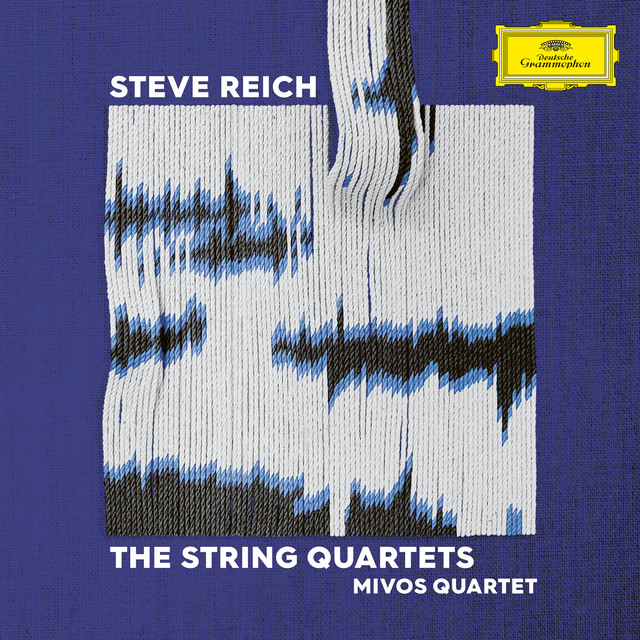
Steve Reich: The String Quartets
Steve Reich, Mivos Quartet
Modern String Quartet
2022
Andy Teirstein: Restless Nation
Andy Teirstein, Marco Ambrosini, Yair Dalal, Mivos Quartet, Cassatt String Quar…
American Contemporary Classical
Similar artists
4
/5
Philip Glass
Classical
Minimalism
Modern Classical
3
/5
Kronos Quartet
Classical
Chamber Music
Latin American Classical Music
3
/5
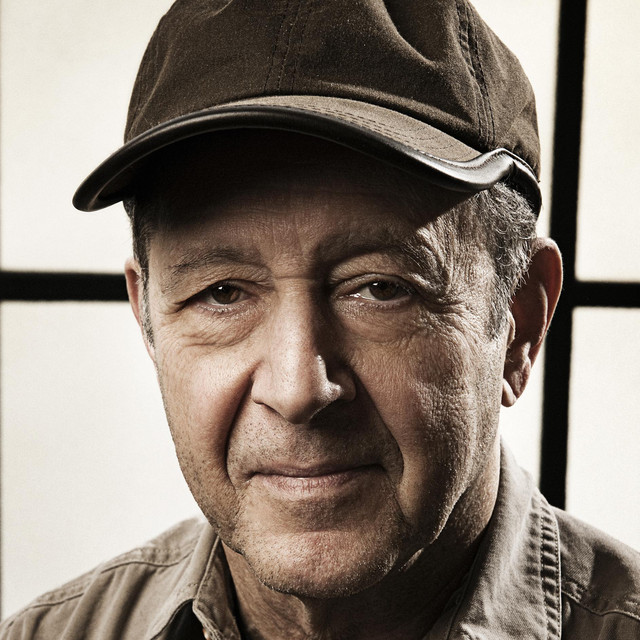
Steve Reich
Minimalism
Classical
Modern Classical
3
/5
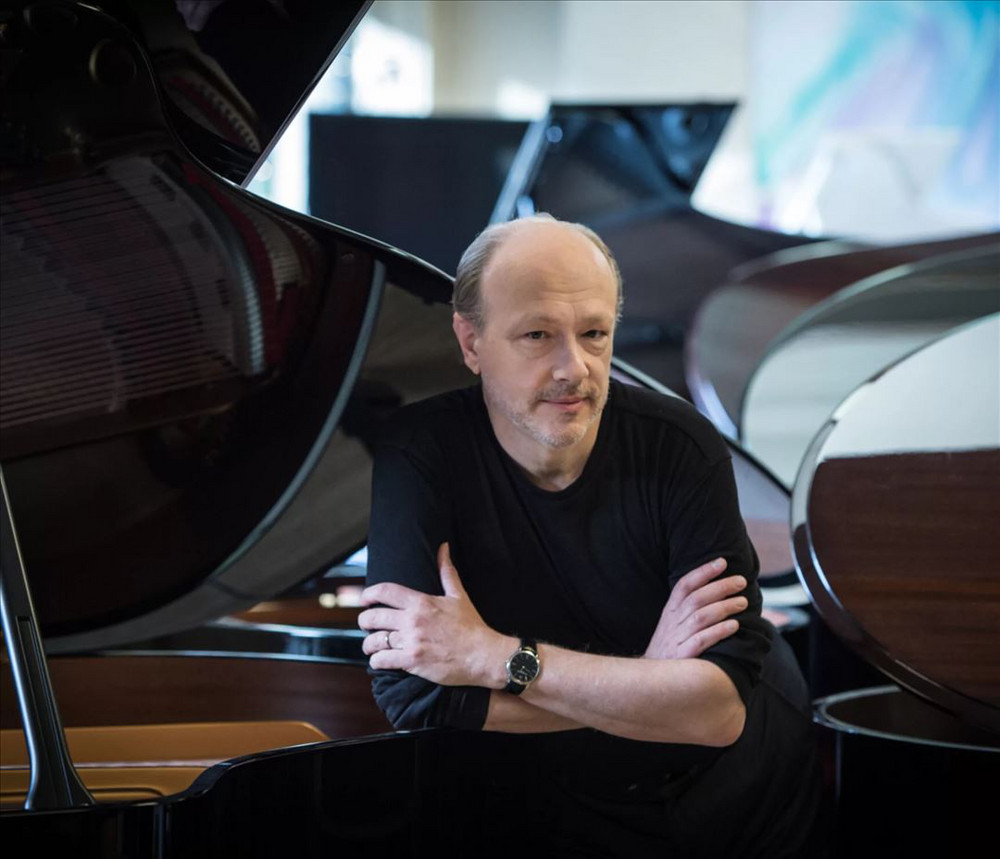
Marc-André Hamelin
Chamber Music
Classical
Classical Piano
2
/5
György Ligeti
Classical
Avant-Garde
Electroacoustic
2
/5
Julius Eastman
Process Music
African-American Classical
American Contemporary Classical
4
/5
Brian Eno
Ambient
Krautrock
Electronic
4
/5
Harold Budd
Ambient
Classical
Electronic
3
/5
Michael Nyman
Classical
Contemporary Classical
Minimalism
3
/5
Bruce Brubaker
Classical Piano
Minimalism
Neoclassicism
Download our mobile app
Get the Melodigging app and start digging for new genres on the go
Download on the App Store
Get it on Google Play
© 2026 Melodigging
Give feedback
Legal
Melodding was created as a tribute to
Every Noise at Once
, which inspired us to help curious minds keep digging into music's ever-evolving genres.