Genres
Artists
Albums
Make Music
Sign in
Sign in
Artists
Psychedelic Soul
Artists
Psychedelic Soul
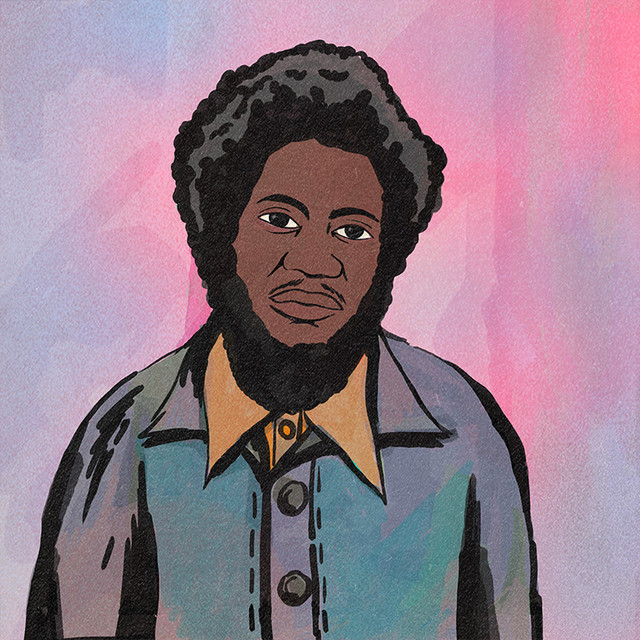
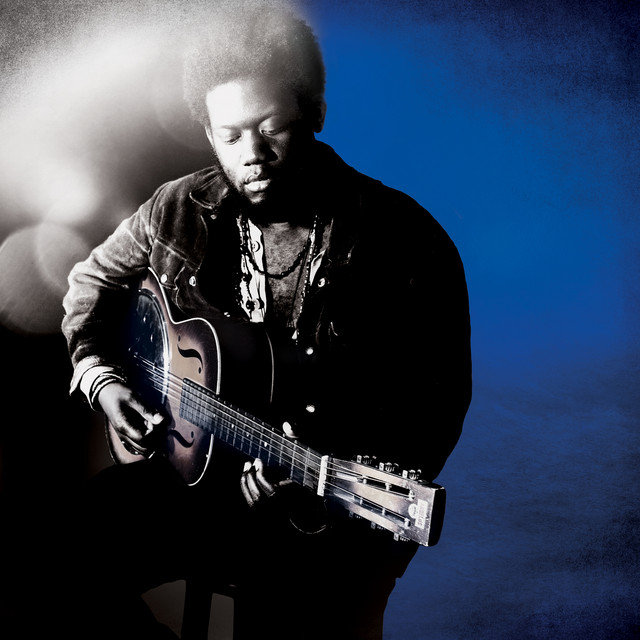
Michael Kiwanuka
2012–2024
·
19 albums
Listen
4
/5
Genres
Chill Abstract Hip Hop
Chill abstract hip hop is a downtempo, largely instrumental branch of abstract hip hop that prioritizes mood, space, and texture over virtuosic rapping or hard-edged beats. Characterized by swung, half-time grooves around 70–90 BPM, jazzy extended chords, vinyl crackle, tape hiss, and warm, dusty sampling, it blends boom-bap drum sensibilities with ambient and downtempo atmosphere. The result is contemplative, mellow, and cinematic—music often used for studying, reading, or late-night reflection. Production typically features Rhodes, nylon-string guitar, upright bass, brushed snares, and chopped Rhodes/piano or soul-jazz samples, occasionally accented by soft vocal snippets rather than full verses. While it overlaps with lo-fi hip hop and trip hop, it tends to be more harmonically nuanced than pure “study beats” and more minimal and meditative than classic jazz-rap.
Discover
Listen
Chill Pop
Chill pop is a contemporary pop micro‑genre that blends radio‑friendly songwriting with the mellow textures of chillout and lo‑fi aesthetics. It favors soft vocals, smooth synths, clean guitar plucks, understated bass, and relaxed, mid‑tempo grooves. Instead of big, bombastic hooks, chill pop tends toward intimate, conversational melodies and minimal, airy arrangements. Production often borrows from bedroom pop and alternative R&B—subtle trap hi‑hats, warm saturation, roomy reverbs, and gentle side‑chain compression—to create a breezy, pastel sound palette well suited to playlists and late‑night listening. Lyrically, chill pop is introspective and relatable: romance, longing, gentle optimism, and coming‑of‑age themes delivered in a plain‑spoken, whisper‑close tone. The result sits between indie pop’s understated cool and mainstream pop’s catchy structures, optimized for the streaming era’s mood‑driven consumption.
Discover
Listen
Chill R&b
Chill R&B is a mellow, atmospheric branch of contemporary R&B that emphasizes intimate vocals, warm harmonies, and low-key, downtempo grooves. It blends the songwriting and emotive delivery of classic R&B with modern, minimal production, often borrowing the hazy textures of lo-fi hip hop and the spacious sound design of ambient and chillwave. The style is defined by soft, close-miked vocals with layered harmonies, smooth chord extensions, and restrained drum programming that leaves plenty of negative space. Lyrically, it leans into late-night introspection, romance, self-reflection, and mood-setting imagery. The overall effect is cozy and cinematic, designed for headphones, night drives, and relaxed listening.
Discover
Listen
Experimental Indie
Experimental indie is a broad, exploratory wing of independent rock and pop that prioritizes curiosity over convention. It blends DIY recording practices with off‑kilter song forms, unusual timbres, and a willingness to fold in ideas from avant‑pop, noise, electronic music, and psych. Rather than a fixed sound, it is a method and attitude: use the tools at hand (bedroom rigs, pedals, samplers, tape, software) to push past genre borders, while keeping the immediacy and intimacy of indie. Expect jagged rhythms, warped hooks, collage‑like arrangements, and production choices that foreground texture as much as melody.
Discover
Listen
Flint Sound
Flint sound is a contemporary Michigan rap style centered in Flint, United States. It is characterized by fast, minimal, piano- or organ-led beats, dry and upfront vocals, and bar-by-bar “punch‑in” delivery that often rides slightly ahead of or behind the grid for a conversational, off‑kilter feel. The production typically favors bright piano loops, staccato 808 slides, crisp claps or rimshots, and sparse percussion, leaving plenty of space for relentless punchlines, gritty street reportage, and mischievous humor. While hard-edged and streetwise, the style frequently leans into charismatic personality and wit, making it both aggressive and infectious for dancing.
Discover
Listen
Indian Indie
Indian indie is the umbrella for independent, non-film music made in India across languages such as Hindi, English, and numerous regional tongues. It is defined more by its DIY production and artist-led release model than by a single sound. Musically, it spans indie pop and rock, folk-fusion, singer‑songwriter ballads, dream‑pop/shoegaze textures, and electronic‑leaning productions. Artists often blend Western harmony and song forms with raga‑tinged melodies, Indian rhythmic feels, and occasional use of traditional instruments like tabla, bansuri, or sitar. The scene grew rapidly with college festivals, small venues, and digital platforms (YouTube, streaming services, Bandcamp), plus boutique labels and festivals such as NH7 Weekender that created national visibility. Lyrically, it tends to be intimate and contemporary—touching on romance, urban life, identity, and nostalgia—while maintaining accessible hooks and warm, organic sonics.
Discover
Listen
Neo R&b
Neo R&B is a modern evolution of contemporary R&B that blends classic soul vocal traditions with current hip-hop sensibilities and forward-looking electronic production. It typically features intimate, close-mic singing (often with melisma and layered harmonies), spacious mixes, and experimental textures drawn from electronic music, alternative pop, and modern hip-hop beat-making. Compared with earlier mainstream R&B, neo R&B often favors subtler hooks, mood-driven songwriting, and a “late-night” sonic palette built on deep bass, soft drums, and minimalist chord movement.
Discover
Listen
Stomp And Holler
Stomp and holler is a modern folk/roots-leaning style marked by foot-stomping rhythms, handclaps, group vocal shouts, and anthemic, sing-along choruses. It blends the acoustic timbres of Americana and bluegrass with the immediacy of indie rock and pop songcraft. Typical arrangements feature acoustic guitar, banjo or mandolin, upright or floor-tom style percussion (often a kick-driven, four-on-the-floor pulse), and layered gang vocals that surge from hushed verses to cathartic, shoutable hooks. Harmonies are simple and diatonic, while lyrics favor earnest themes of resilience, community, travel, love, and self-discovery. The sound rose to mainstream prominence in the early 2010s through festival-ready bands whose performances emphasized communal energy—clapping, stomping, and call-and-response—bridging campfire intimacy and arena-scale uplift.
Discover
Listen
Deep Deep House
Deep deep house is a late-evolution branch of deep house that emphasizes warmth, space, and subtlety over overt hooks or peak-time energy. Compared with classic deep house, it leans even more toward minimal, dub-inflected textures, extended harmonies, and long atmospheric tails. Tracks typically feature understated yet weighty low end, soft Rhodes or pad chords rich in 7ths/9ths, lightly swung percussion, and carefully sculpted ambience. The mood is intimate and immersive—club music that invites close listening as much as dancing—often suited to small rooms, lounges, after-hours sets, and sunset/sunrise moments.
Discover
Listen
Deep Deep Tech House
Deep deep tech house is a particularly stripped‑back, hypnotic strain of tech house that leans heavily into deep house harmony and minimal, dub‑tinged textures. It keeps the 4/4 groove and club functionality of house while favoring restrained arrangements, long tension arcs, and subtle sound‑design over big breakdowns. Typical tempos sit around 120–126 BPM; drums emphasize tight 909‑style hats and crisp, short kicks; basslines are warm, rolling subs that lock with lightly swung percussion; harmonic content tends to be sparse—muted chord stabs, airy pads, and occasional soulful vocal fragments used as texture rather than focal hooks. The overall aim is an immersive “head‑down” flow that rewards long blends and extended sets. The palette and structure trace back to tech house’s fusion of house and techno and to deep house’s smoother harmonies.
Discover
Listen
Gauze Pop
Gauze pop is a hazy, soft‑focus strain of indie and electronic pop built around breathy vocals, blurred textures, and nostalgic synth palettes. The term evokes music that feels veiled—like hearing a pop song through gauze—where reverb, delay, chorus, and tape‑like warble soften contours and melt rhythms into a pastel wash. Musically it blends the tunefulness of synth‑pop and indietronica with the dreamy atmospherics of chillwave and dream pop. Tempo tends to sit in a relaxed mid‑range, drums are cushioned and low‑passed, and harmonies favor warm major‑7ths and add9 colors. The result is intimate, memory‑soaked pop that’s equal parts bedroom‑made and cinema‑wide.
Discover
Listen
Pop Urbaine
Pop urbaine is a French mainstream pop style that blends contemporary R&B, hip hop, Afrobeats, dancehall, zouk, raï, and reggaeton with chart‑friendly songwriting. It emphasizes melodic hooks, mid‑tempo grooves, and sleek vocal production (often with Auto‑Tune) while foregrounding everyday, romantic, and nightlife themes in colloquial French. Rhythmically it favors syncopated Afro‑Caribbean patterns, sparse but bouncy 808 drums, and light guitar or synth plucks, creating a buoyant, danceable feel without the aggressiveness of club music. Vocals typically alternate between sung refrains and rap‑influenced verses, with catchy refrains designed for streaming and social media virality. The genre became a defining sound of French popular culture in the late 2010s, driven by a new generation of Francophone artists with diasporic roots who globalized French pop while keeping its language and local slang at the center.
Discover
Listen
Channel Pop
Channel pop is a digital-era strain of mainstream pop shaped by video and creator platforms—especially YouTube and later TikTok and Instagram—where artists build audiences through frequent uploads on their own “channels.” Musically it favors intimate, highly polished but close-mic’d vocals, acoustic guitar or piano-led arrangements, restrained beats, and succinct, playlist-friendly structures. Many releases are cover-first (reimagining recent chart hits) with a steady flow of glossy singles, session-style performances, and creator collaborations that gradually blend into original material. Titles, artwork, and release cadence are optimized for search and recommendation algorithms, yielding a sound that is simultaneously personal and platform-aware.
Discover
Listen
Modern Funk
Modern funk is a 21st‑century revitalization of late‑’70s/’80s boogie and electro‑funk aesthetics, filtered through contemporary R&B, hip‑hop production, and indie dance scenes. It emphasizes pocket‑tight grooves, syncopated basslines (often synth‑driven), crisp drum‑machine patterns, bright polyphonic synths, talkbox/vocoder leads, and clean, choppy rhythm guitar. Compared with classic funk, modern funk leans more on analog and early‑digital synth colors (Juno, Prophet, DX7, Moog), Linn/808/909‑style drums, glossy mixes, and ear‑candy arrangement details. Lyrically, it favors feel‑good party vibes, love themes, and everyday swagger, aiming for dancefloor immediacy with a retro‑futurist sheen.
Discover
Listen
Neo Soul
Neo soul is a back-to-the-roots subgenre of soul and contemporary R&B that emerged in the mid-to-late 1990s. The term was popularized by executive Kedar Massenburg to describe artists who revived classic soul values while embracing modern production aesthetics. Musically, neo soul blends the warmth of 1960s–70s soul with the rhythmic sensibility of hip hop, plus colors from jazz fusion, funk, and rock. Compared with mainstream contemporary R&B, it typically features more organic instrumentation (Rhodes/Wurlitzer, live bass and drums), harmonically richer progressions, and a laid‑back, behind‑the‑beat groove. Lyrically it tends toward introspective, socially conscious, and spiritual themes, often delivered with jazz-informed phrasing, melisma, and layered background vocals. The overall sound emphasizes authenticity, groove, and an intimate, analog-friendly ambiance.
Discover
Listen
Progressive Soul
Progressive soul is a strand of soul music that embraced the album as an art form, expanding the genre’s harmonic language, song structures, and lyrical scope. It blends the emotional immediacy of classic soul and gospel with the conceptual ambition of progressive rock, the orchestral sweep of Philadelphia soul, and the rhythmic sophistication of funk and jazz fusion. Characterized by extended forms, suites, concept albums, rich orchestration, and studio experimentation, progressive soul often features electric piano and Rhodes, clavinet, early synthesizers, elaborate horn and string arrangements, and layered vocal harmonies. Its lyrics frequently tackle social justice, spirituality, and introspection, while grooves remain deeply rooted in soul and funk.
Discover
Listen
Smooth Soul
Smooth soul is a polished, romantic strain of soul music defined by velvety vocals, lush string and horn arrangements, and immaculately produced, mid-tempo grooves. It maintains the emotional directness of classic soul while softening its edges with gentle rhythms, extended jazz-tinged harmonies, and spacious production. Emerging in the early 1970s from the same currents that produced Philadelphia soul, smooth soul favors elegant orchestrations (strings, woodwinds, muted brass), silky electric pianos, and clean guitar tones. Lyrics typically center on love, intimacy, and adult relationships, delivered with controlled intensity, falsetto flourishes, and refined background harmonies. The genre provided a bridge from 1960s Motown and Southern soul to quiet storm and contemporary R&B, shaping radio formats and a lasting template for intimate, late-night soul.
Discover
Listen
Psychedelic Soul
Psychedelic soul blends the grit and gospel-rooted emotion of soul and rhythm & blues with the studio experimentation and mind-bending textures of late-1960s psychedelic rock. Expect fuzzed-out or wah-wah guitars, extended vamping grooves, bold bass lines, swirling organs and electric pianos, phased drums, and liberal use of tape delay, reverb, and stereo panning. Lyrically it ranges from utopian idealism and cosmic imagery to socially conscious reflections on race, war, and urban life. The result is a sound that’s both danceable and hallucinatory: groove-first soul shot through with acid-rock color and studio-as-instrument creativity.
Discover
Listen
Singer-Songwriter
Singer-songwriter is a song-focused style in which the same person writes, composes, and performs their own material, often accompanying themselves on acoustic guitar or piano. It emphasizes personal voice, lyrical intimacy, and storytelling over elaborate production. Arrangements are typically sparse, allowing the melody, words, and performance nuance to carry the song’s emotional weight. While rooted in folk and blues traditions, singer-songwriter embraces pop and rock songcraft, producing works that can range from quiet confessional ballads to subtly orchestrated, radio-ready pieces.
Discover
Listen
Soul
Soul is a genre of popular music that blends the spiritual fervor and vocal techniques of African‑American gospel with the grooves and song forms of rhythm & blues and the harmonic palette of jazz and blues. It is defined by impassioned, melismatic lead vocals; call‑and‑response with backing singers; handclaps and a strong backbeat; syncopated bass lines; and memorable horn or string riffs. Typical instrumentation includes drum kit, electric bass, electric guitar, piano or Hammond organ, horns (trumpet, saxophone, trombone), and sometimes orchestral strings. Lyrically, soul ranges from love and heartbreak to pride, social commentary, and spiritual yearning. Regionally distinct scenes—such as Detroit’s Motown, Memphis/Stax, Muscle Shoals, Chicago, New Orleans, and Philadelphia—shaped different flavors of soul, while the style’s emotional directness and rhythmic drive made it a cornerstone of later funk, disco, contemporary R&B, and hip hop.
Discover
Listen
Pop
Pop is a broad, hook-driven style of popular music designed for wide appeal. It emphasizes memorable melodies, concise song structures, polished vocals, and production intended for radio, charts, and mass media. While pop continually absorbs elements from other styles, its core remains singable choruses, accessible harmonies, and rhythmic clarity. Typical forms include verse–pre-chorus–chorus, frequent use of bridges and middle-eights, and ear-catching intros and outros. Pop is not defined by a single instrumentation. It flexibly incorporates acoustic and electric instruments, drum machines, synthesizers, and increasingly digital production techniques, always in service of the song and the hook.
Discover
Listen
Rock
Rock is a broad family of popular music centered on amplified instruments, a strong backbeat, and song forms that foreground riffs, choruses, and anthemic hooks. Emerging from mid‑20th‑century American styles like rhythm & blues, country, and gospel-inflected rock and roll, rock quickly expanded in scope—absorbing folk, blues, and psychedelic ideas—while shaping global youth culture. Core sonic markers include electric guitar (often overdriven), electric bass, drum kit emphasizing beats 2 and 4, and emotive lead vocals. Rock songs commonly use verse–chorus structures, blues-derived harmony, and memorable melodic motifs, ranging from intimate ballads to high‑energy, stadium‑sized performances.
Discover
Listen
R&b
R&B (Rhythm and Blues) is a vocal- and groove-centered popular music tradition that blends blues tonality, jazz harmony, and gospel-inflected singing with a steady backbeat. It emphasizes expressive lead vocals, call-and-response, lush harmonies, and danceable rhythms. From its 1940s roots in African American communities to its later evolutions, R&B has continually absorbed and reshaped surrounding sounds—from jump blues and swing in the early days to soul, funk, hip hop, and electronic production in the contemporary era. Today, R&B ranges from intimate, slow-burning ballads to club-ready tracks, all tied together by a focus on feel, melody, and vocal performance.
Discover
Listen
Blues
Blues is an African American musical tradition defined by expressive "blue notes," call-and-response phrasing, and a characteristic use of dominant-seventh harmony in cyclical song forms (most famously the 12‑bar blues). It is as much a feeling as a form, conveying sorrow, resilience, humor, and hard-won joy. Musically, blues commonly employs the I–IV–V progression, swung or shuffled rhythms, and the AAB lyric stanza. Melodies lean on the minor/major third ambiguity and the flattened fifth and seventh degrees. Core instruments include voice, guitar (acoustic or electric), harmonica, piano, bass, and drums, with slide guitar, bends, and vocal melismas as signature techniques. Over time the blues has diversified into regional and stylistic currents—Delta and Piedmont country blues, urban Chicago and Texas blues, West Coast jump and boogie-woogie—while profoundly shaping jazz, rhythm & blues, rock and roll, soul, funk, and much of modern popular music.
Discover
Listen
Show all 24 genres
Albums
2024
4
/5
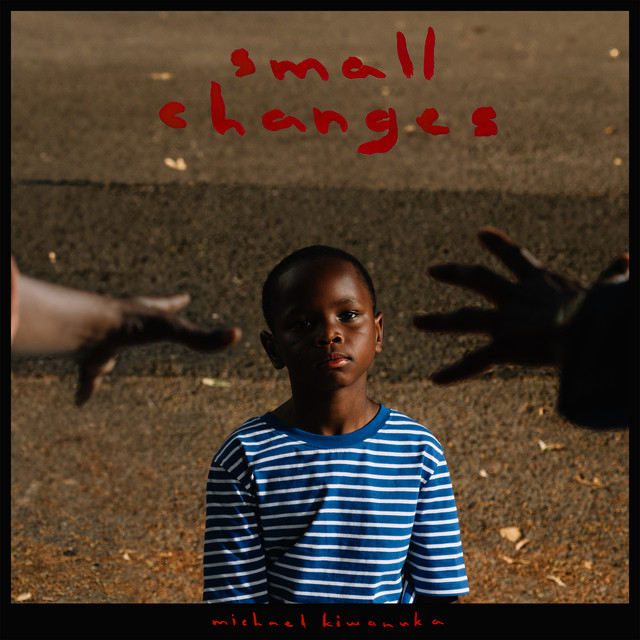
Small Changes
Michael Kiwanuka
Psychedelic Soul
Soul
2024
2
/5
Rebel Soul
Michael Kiwanuka
Psychedelic Soul
2024
2
/5
The Rest Of Me (Edit)
Michael Kiwanuka
Psychedelic Soul
2024
3
/5
The Rest Of Me
Michael Kiwanuka
Psychedelic Soul
2024
2
/5
Lowdown
Michael Kiwanuka
Psychedelic Soul
2024
2
/5
Floating Parade
Michael Kiwanuka
Psychedelic Soul
2021
3
/5
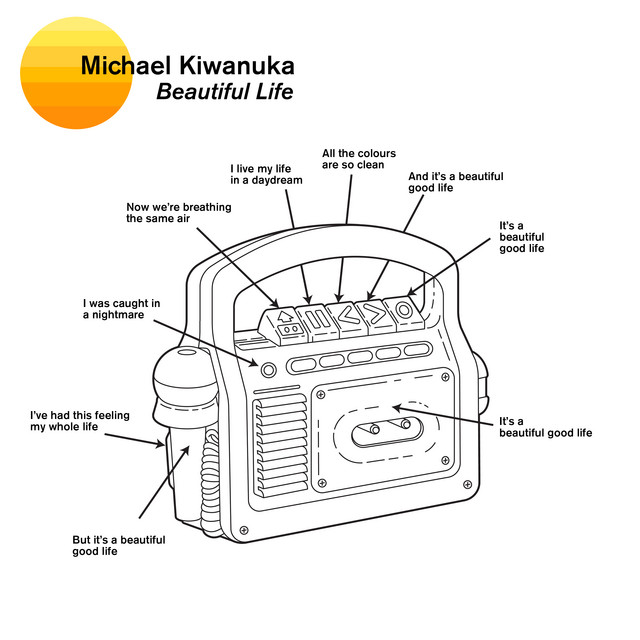
Beautiful Life
Michael Kiwanuka
Psychedelic Soul
2020
2
/5
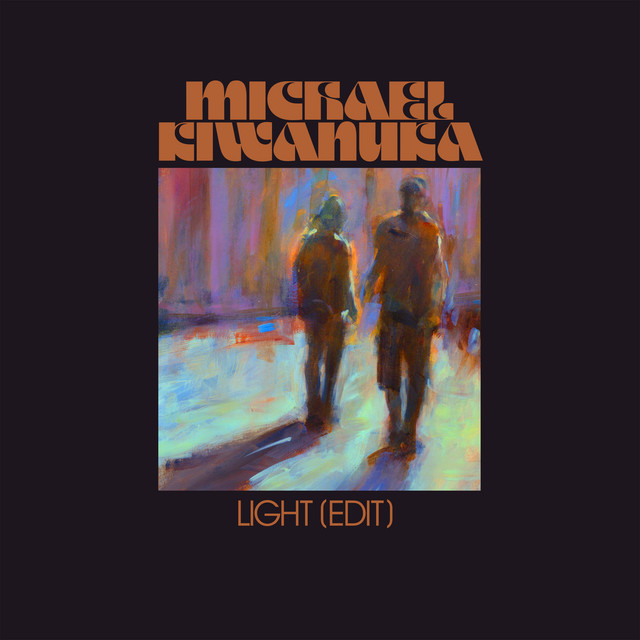
Light (Edit)
Michael Kiwanuka
Psychedelic Soul
2019
3
/5
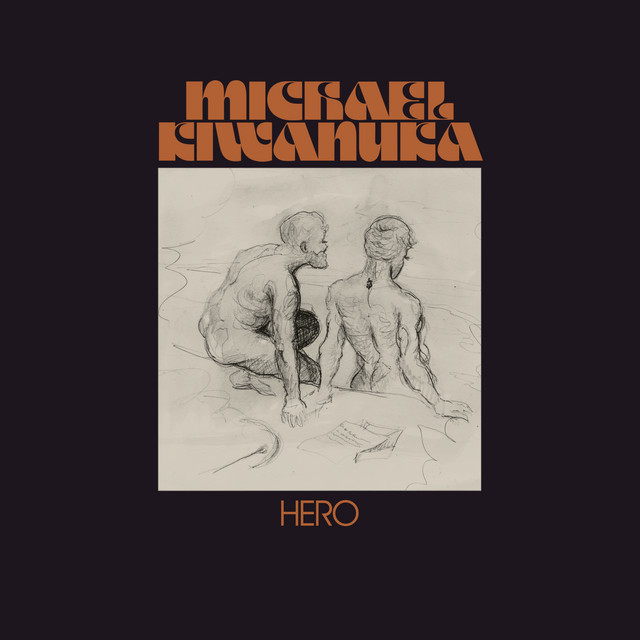
Hero
Michael Kiwanuka
Psychedelic Soul
2019
4
/5
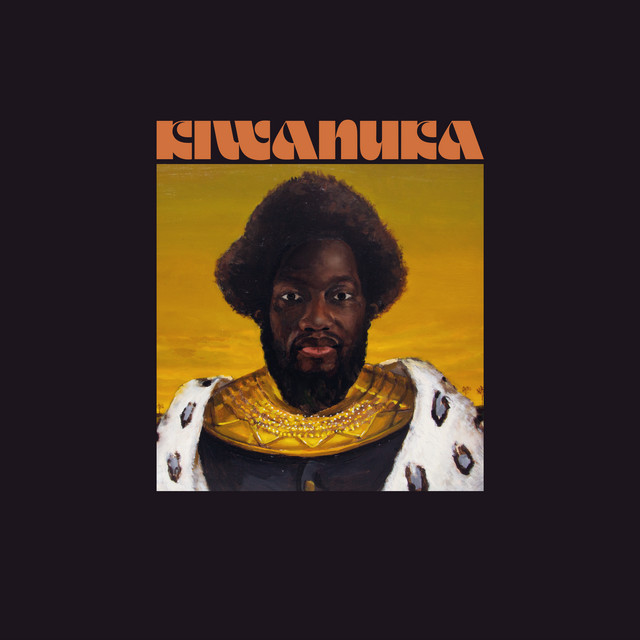
Kiwanuka
Michael Kiwanuka
Psychedelic Soul
Progressive Soul
Pop
2019
2
/5
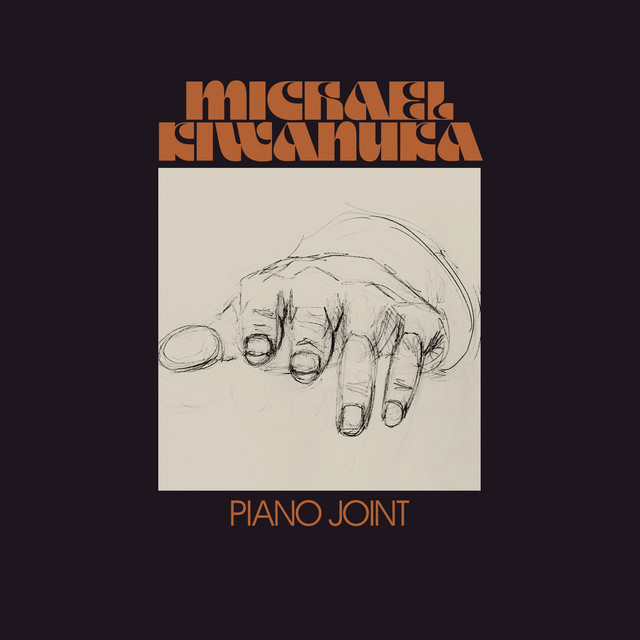
Piano Joint (This Kind Of Love)
Michael Kiwanuka
Psychedelic Soul
2019
3
/5
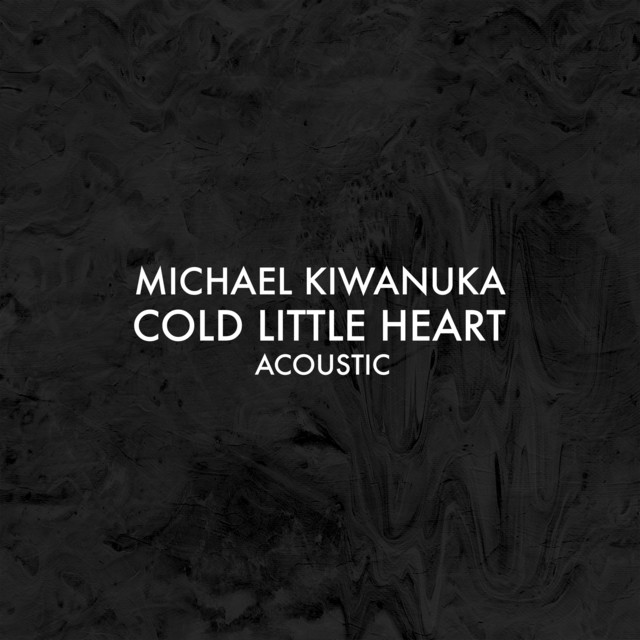
Cold Little Heart (Acoustic)
Michael Kiwanuka
Psychedelic Soul
2017
3
/5
Indie Spotlight
Michael Kiwanuka
Psychedelic Soul
Soul
Neo Soul
2017
4
/5
Cold Little Heart (Radio Edit)
Michael Kiwanuka
Psychedelic Soul
Soul
Neo Soul
2016
4
/5
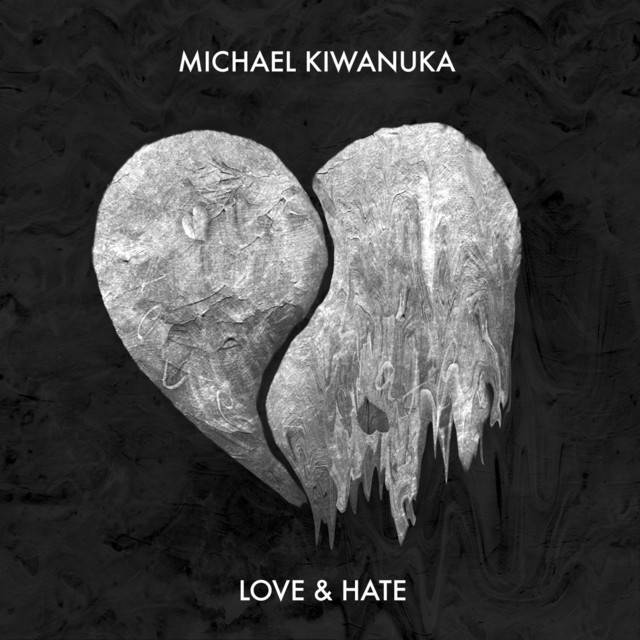
Love & Hate
Michael Kiwanuka
Psychedelic Soul
Soul
R&b
2016
3
/5
Love & Hate (Alternative Radio Mix)
Michael Kiwanuka
Psychedelic Soul
2014
1
/5
You've Got Nothing To Lose
Michael Kiwanuka
Psychedelic Soul
Blues
2012
3
/5
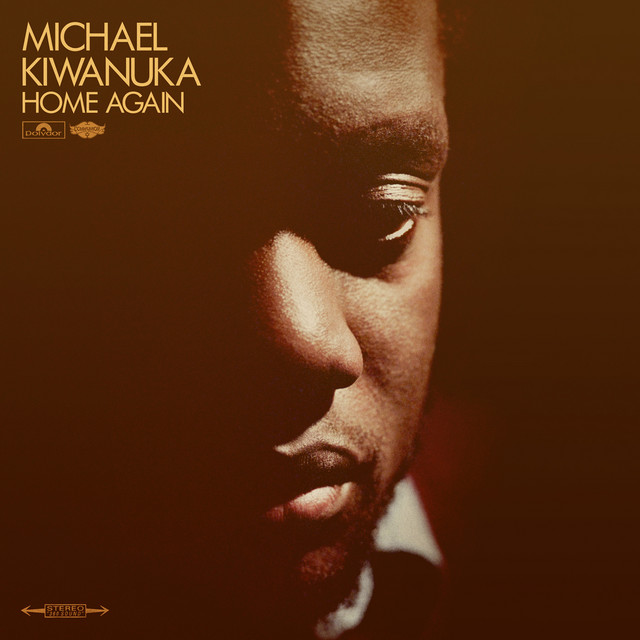
Home Again
Michael Kiwanuka
Psychedelic Soul
Soul
2012
4
/5
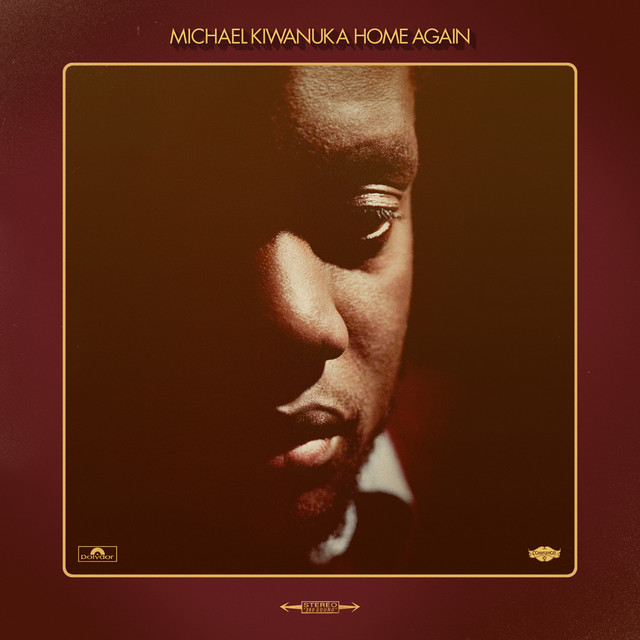
Home Again (Deluxe Version)
Michael Kiwanuka
Psychedelic Soul
Similar artists
3
/5
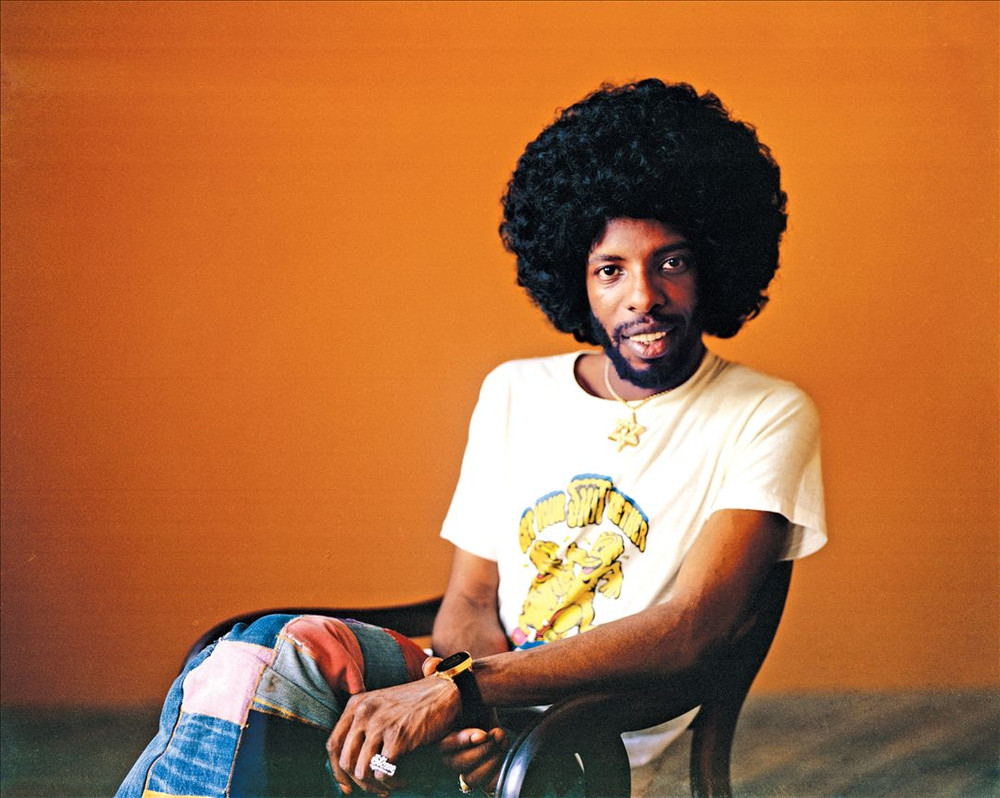
Sly & The Family Stone
Funk
Psychedelic Soul
Soul
4
/5
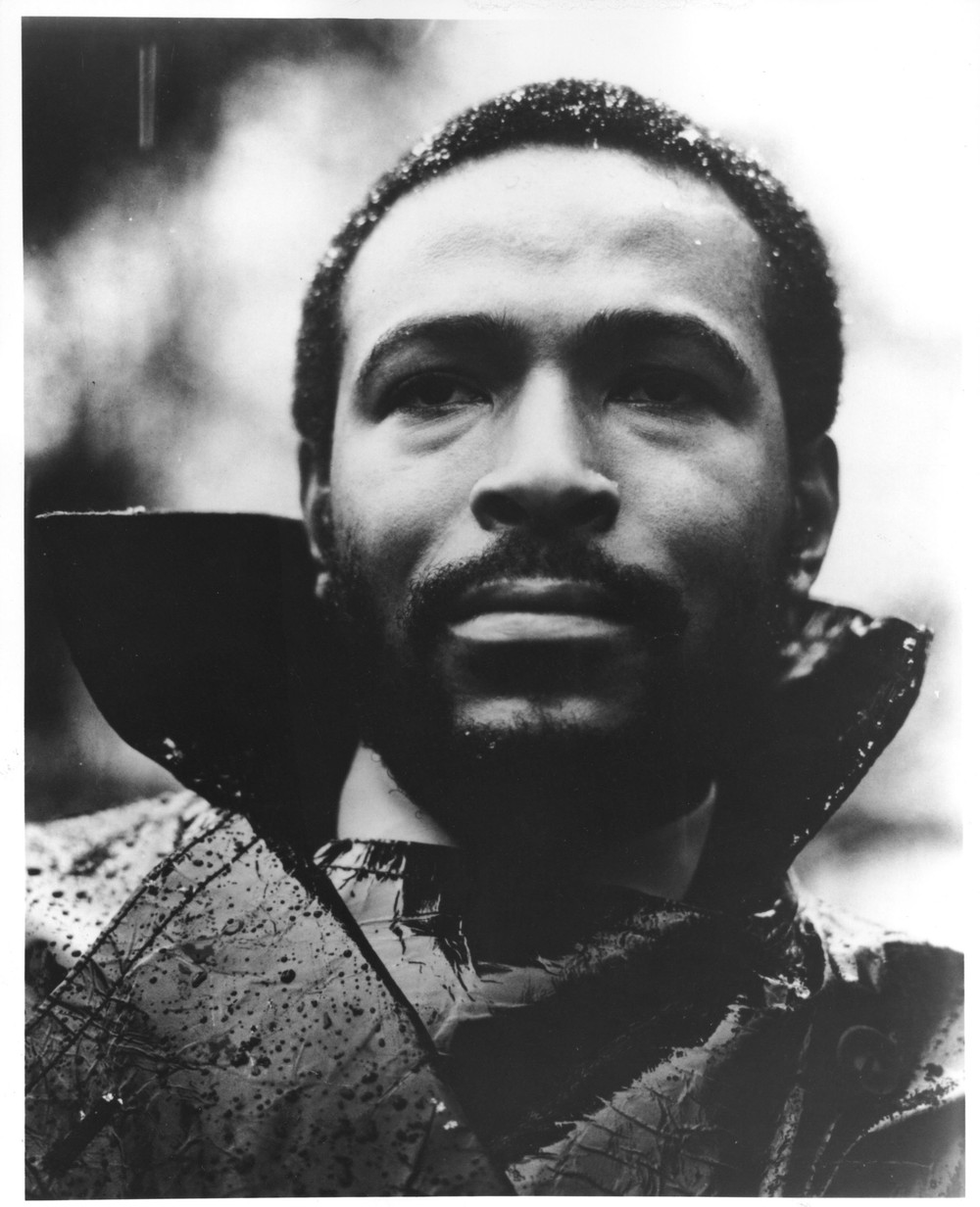
Marvin Gaye
Motown
Soul
Northern Soul
1
/5
Various Artists
Afro-Funk
Alternative Rock
Ambient
4
/5
Prince
Funk
Minneapolis Sound
Synth Funk
4
/5
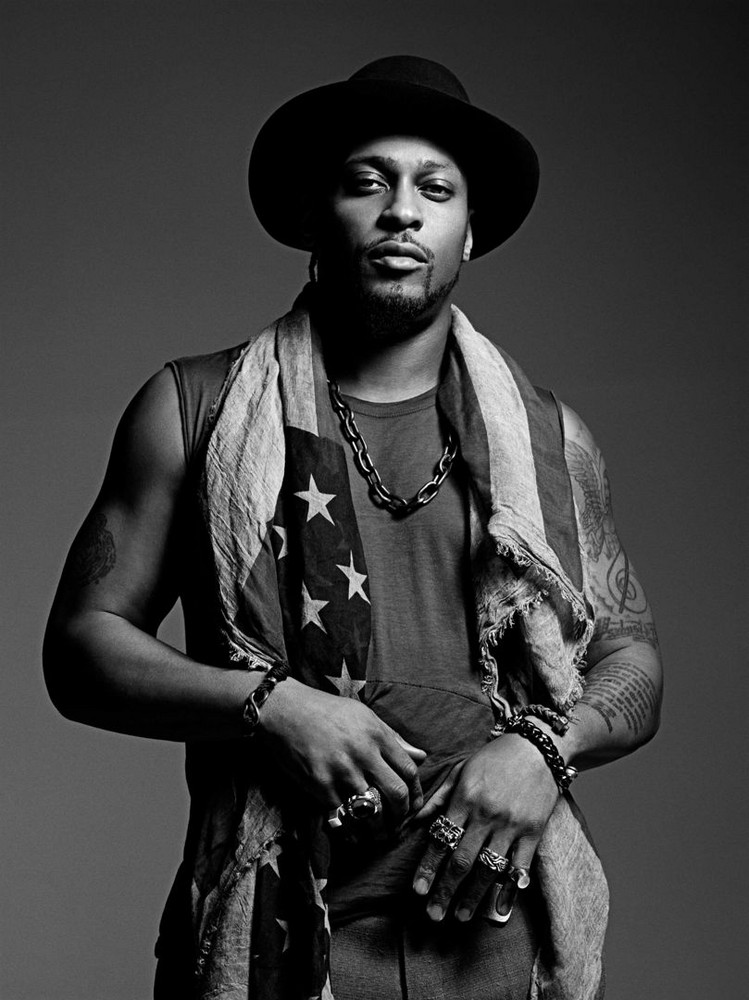
D'Angelo
Neo Soul
Soul
Indie Soul
4
/5
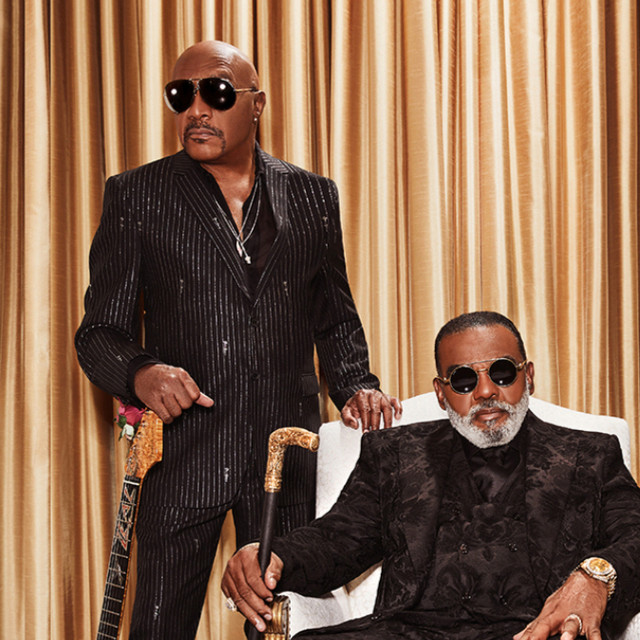
The Isley Brothers
Soul
Funk
Motown
4
/5
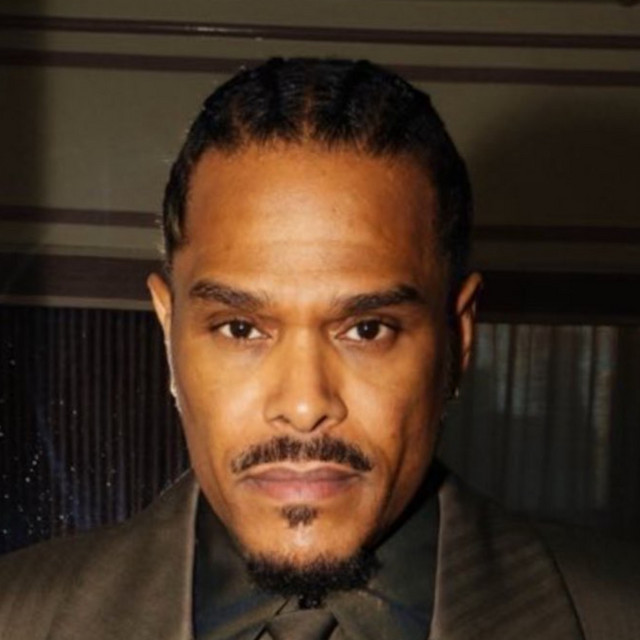
Maxwell
Neo Soul
Contemporary R&b
Flint Sound
3
/5
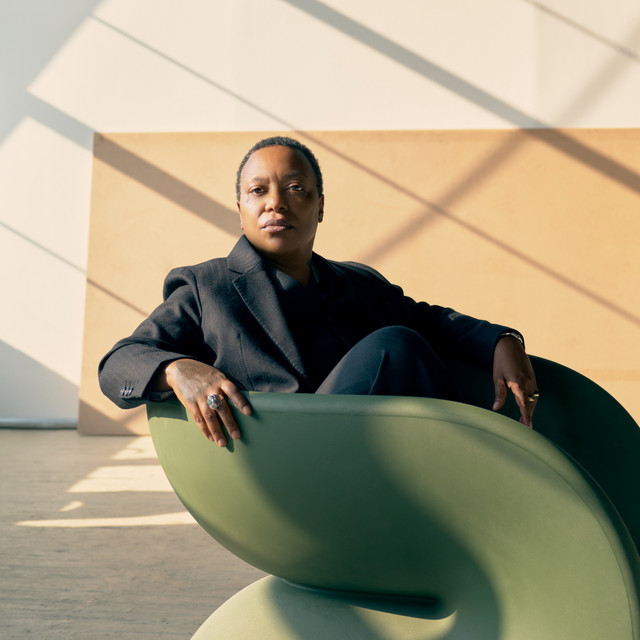
Meshell Ndegeocello
Neo Soul
Chill Abstract Hip Hop
Indie Soul
4
/5
Stevie Wonder
Soul
Funk
Motown
4
/5
Curtis Mayfield
Chicago Soul
Soul
Funk
Download our mobile app
Get the Melodigging app and start digging for new genres on the go
Download on the App Store
Get it on Google Play
© 2026 Melodigging
Give feedback
Legal
Melodding was created as a tribute to
Every Noise at Once
, which inspired us to help curious minds keep digging into music's ever-evolving genres.