Genres
Artists
Albums
Make Music
Sign in
Sign in
Artists
Big Band
Artists
Big Band
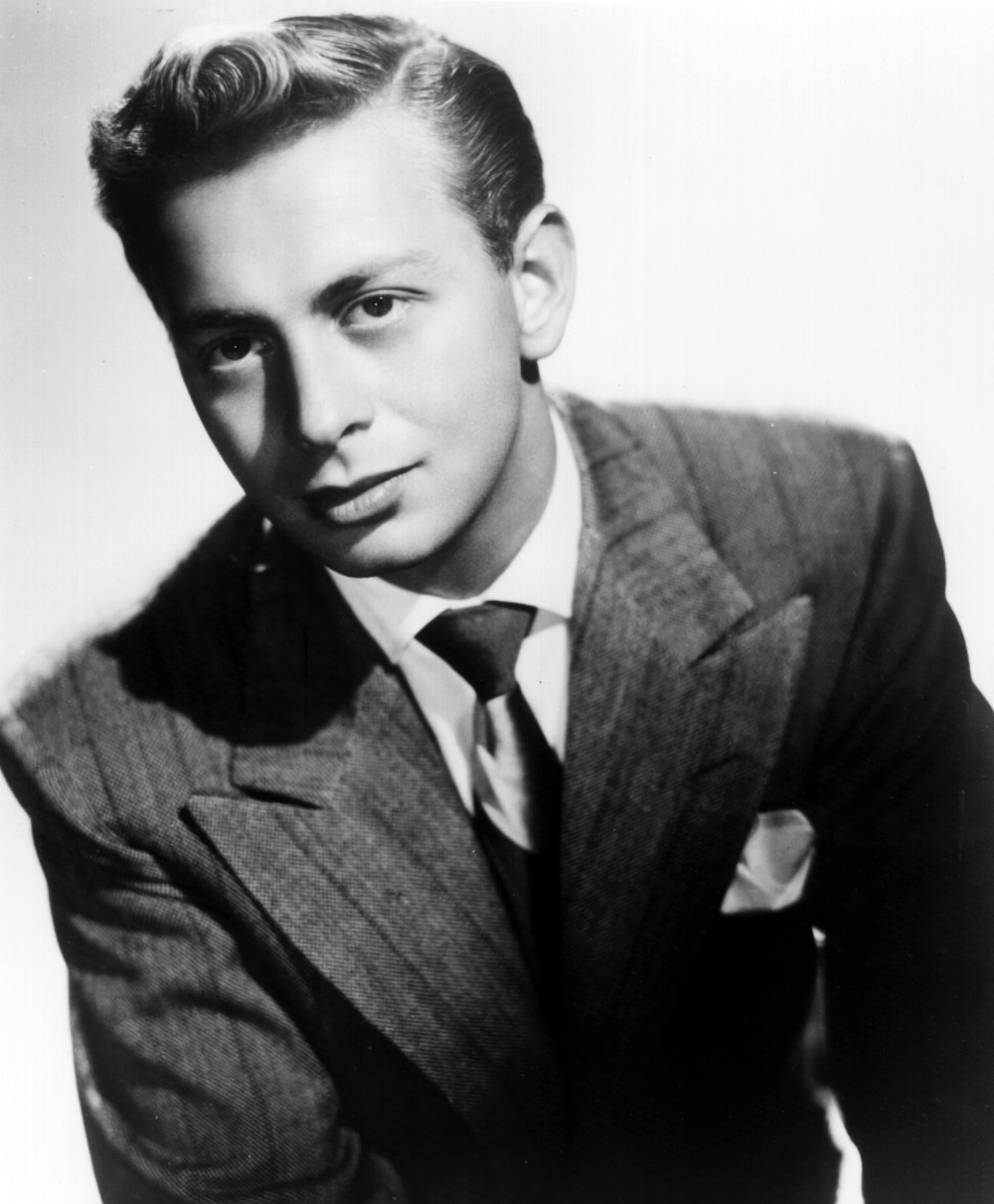
Mel Tormé
1961
·
1 album
Listen
3
/5
Genres
Nyc Pop
NYC pop is a contemporary, hook-forward strain of alternative pop centered on artists living and working in New York City. It blends the sheen of electropop and dance-pop with the songwriting sensibilities of indie pop and indie rock, often pairing bright synths, rhythmic guitars, and punchy drums with large, chantable choruses. Lyrically, it frequently references urban life, ambition, relationships, and self-discovery, capturing the speed, romance, and pressure-cooker energy of the city. Production is glossy but retains an indie edge: live instruments sit beside modern electronic textures, with crisp vocal stacking and ear-catching toplines designed for both radio and festival stages.
Discover
Listen
Lilith
Lilith is a mood-driven, internet-native microgenre that blends dark, feminine alternative pop with elements of trip hop, dream pop, witch house, and ethereal wave. It favors breathy or intimate vocals drenched in reverb, slow to mid-tempo grooves, spectral pads, and cinematic, minor-key harmonies that evoke occult, gothic, or mythic imagery. The overall sound is bass-forward yet gauzy: sub-heavy 808s or dusty breakbeats sit under shimmering guitars, distant choirs, and textural synths. Lyrically, Lilith leans into vulnerability, power, hauntings, and desire—frequently framed through confessional writing and ritual or nocturnal symbolism. It’s less a scene tied to a single city than a streaming-era aesthetic, cohering through playlists and social media communities.
Discover
Listen
Weirdcore
Weirdcore is an internet-native microgenre and aesthetic of experimental electronic music that leans into liminal nostalgia, eerie memory, and uncanny ambience. Its sound palette often combines misty pads, degraded samples, tape hiss, and bitcrushed percussion with disembodied voices, classroom and mall PA announcements, retro operating system chimes, and field recordings of empty or transitional spaces. Harmonically, weirdcore favors drones, slowly shifting modal clusters, and ambiguous, memory-warping intervals that feel familiar yet distorted. Rhythm ranges from beatless, foggy soundscapes to brittle, broken 2-step and slow, stumbling downtempo pulses. Heavy time-stretching, granular manipulation, wow-and-flutter, convolution reverbs, and spectral or cassette-style degradation are central to its texture. Although closely tied to a visual aesthetic (liminal spaces, late-night analog glow, low-resolution signage), weirdcore as a musical style is defined by its uncanny collage sensibility: sampling and warping everyday audio detritus until it becomes emotionally charged, melancholic, and faintly unsettling.
Discover
Listen
Easy Listening
Easy listening is a lush, melodic, and unobtrusive style of popular orchestral music designed to be pleasant in the foreground and effortless in the background. It favors smooth textures, lyrical melodies, and gentle rhythms over virtuosic display or dense complexity. Typical arrangements feature string sections, woodwinds, soft brass, vibraphone, harp, piano, subtle Latin or light swing percussion, and sometimes wordless choirs. Repertoire often consists of standards, film and television themes, and instrumental covers of contemporary hits, presented with polished studio production and wide stereo imaging. The mood ranges from romantic and sentimental to breezy and exotic, prioritizing warmth, clarity, and relaxed pacing. Improvisation, if present, is restrained, with harmony that leans on jazzy extensions while staying consonant and approachable.
Discover
Listen
Adult Standards
Adult standards is a song-based popular style and later radio format centered on the Great American Songbook and pre-rock era pop. It emphasizes sophisticated vocal performances, memorable melodies, and lush arrangements drawn from Broadway, Hollywood musicals, big bands, and jazz-influenced traditional pop. Typical recordings feature rich orchestration (strings, woodwinds, and brass), a polished rhythm section, and crooner-style vocals delivered with close-mic intimacy. Harmonies often include jazz chords, secondary dominants, and modulations, supporting elegant, urbane lyrics that focus on love, longing, and everyday romance. Although it predates rock ’n’ roll in repertoire, adult standards also encompasses later revivals and reinterpretations by contemporary singers who keep the classic songbook alive through modern recordings and live performances.
Discover
Listen
Swing
Swing is a jazz style centered on a buoyant, danceable groove created by a walking bass, four-to-the-bar rhythm guitar, a backbeat emphasis on 2 and 4, and a lilted “swung” eighth-note feel. Typically performed by big bands (saxes, trumpets, trombones, and a rhythm section) as well as small combos, it balances written arrangements with improvised solos. Hallmarks include call-and-response between horn sections, riff-based melodies, shout choruses that build intensity near the end of an arrangement, and rich sectional voicings grounded in blues language and ii–V–I harmonic motion. Tempos range from medium to brisk, serving social dances like the Lindy Hop and Jitterbug. Swing’s expressive phrasing, dance-floor focus, and sophisticated arranging made it the dominant popular music of the late 1930s and early 1940s.
Discover
Listen
Big Band
Big band is a large-ensemble style of jazz and popular dance music built around brass, reed, and rhythm sections playing arranged parts. Typical instrumentation includes five saxophones (often doubling clarinet/flute), four trombones, four trumpets, and a rhythm section of piano, guitar, upright bass, and drum set. The music emphasizes swing rhythms, call-and-response between sections, riff-based writing, and dramatic shout choruses, while leaving space for improvised solos. Born in American ballrooms and theaters, big band became the sound of the Swing Era, providing both music for dancing and a platform for sophisticated arranging and orchestration that shaped much of 20th‑century jazz and popular music.
Discover
Listen
Vocal Jazz
Vocal jazz is a jazz tradition in which the human voice is treated as an instrument—matching the phrasing, articulation, and timbral nuance of horns or piano. Singers often improvise melodically and rhythmically, including using scat singing (nonsense syllables) to emulate instrumental solos. At the same time, many vocal‑jazz performances favor traditional, pop‑leaning song structures and clear lyric delivery, reducing the overall role of extended improvisation compared with small‑group instrumental jazz. Repertoires frequently draw from Tin Pan Alley and Broadway standards (the Great American Songbook), rendered with swing, ballad, or Latin feels.
Discover
Listen
Jazz
Jazz is an improvisation-centered music tradition that emerged from African American communities in the early 20th century. It blends blues feeling, ragtime syncopation, European harmonic practice, and brass band instrumentation into a flexible, conversational art. Defining features include swing rhythm (a triplet-based pulse), call-and-response phrasing, blue notes, and extended harmonies built on 7ths, 9ths, 11ths, and 13ths. Jazz is as much a way of making music—spontaneous interaction, variation, and personal sound—as it is a set of forms and tunes. Across its history, jazz has continually hybridized, from New Orleans ensembles and big-band swing to bebop, cool and hard bop, modal and free jazz, fusion, and contemporary cross-genre experiments. Its influence permeates global popular and art music.
Discover
Listen
Christmas Music
Christmas music is a body of sacred and secular repertoire associated with the celebration of Christmas and the winter season. It spans medieval carols, liturgical hymns, and oratorios through to 20th‑century Tin Pan Alley standards, crooner ballads, jazz‑swing arrangements, pop hits, gospel renditions, and contemporary acoustic or R&B interpretations. Stylistically it is diverse but often shares warm, nostalgic melodies, memorable choruses, and lyrics that reference the Nativity story, peace and goodwill, family gatherings, winter imagery, and figures like Santa Claus. Sleigh bells, choirs, strings, brass, and glockenspiel/celesta are common coloristic touches, while harmony ranges from simple I–IV–V progressions to richer jazz voicings. Its seasonal recurrence has made it a cultural tradition that reappears annually across radio, streaming, film, advertising, and public spaces.
Discover
Listen
Show all 10 genres
Albums
1961
2
/5
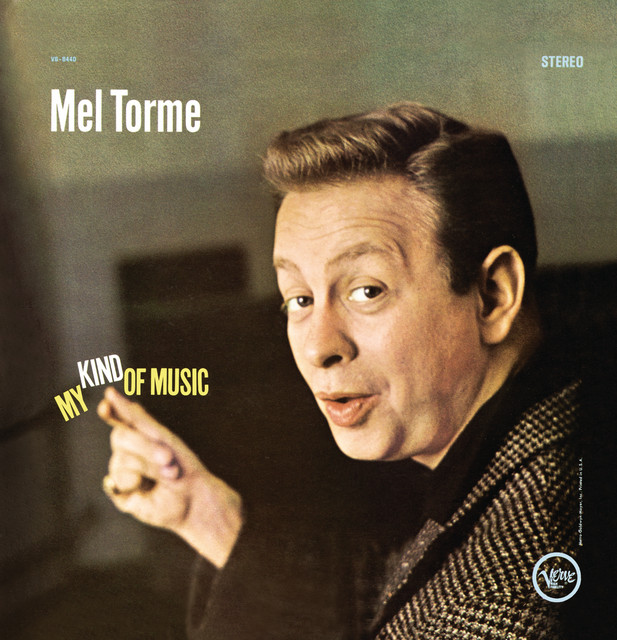
My Kind Of Music
Mel Tormé
Swing
Easy Listening
Big Band
Similar artists
4
/5
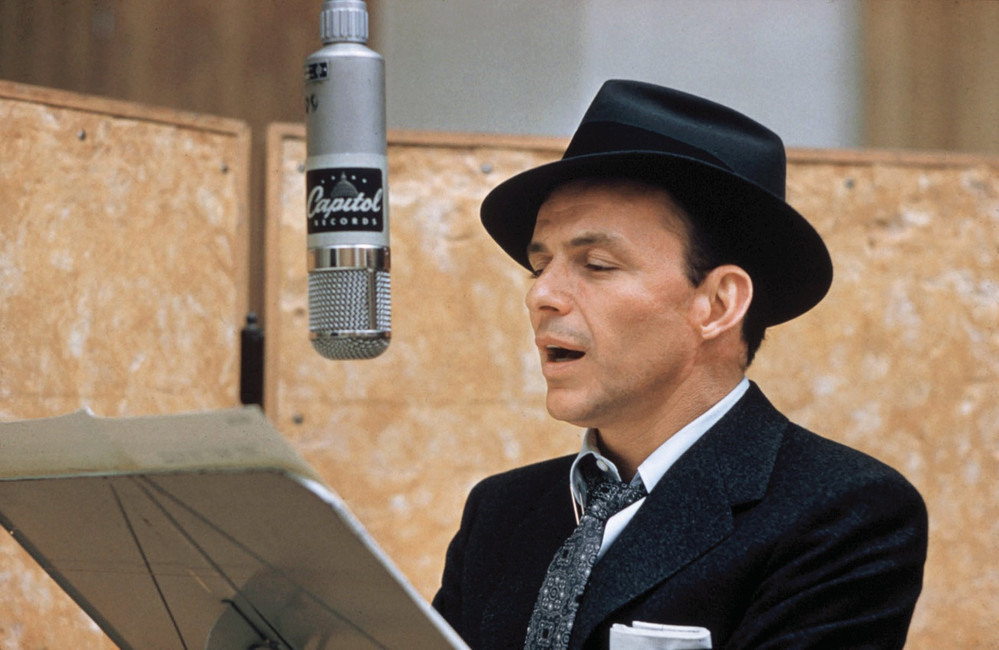
Frank Sinatra
Big Band
Jazz
Swing
1
/5
Various Artists
Afro-Funk
Alternative Rock
Ambient
4
/5
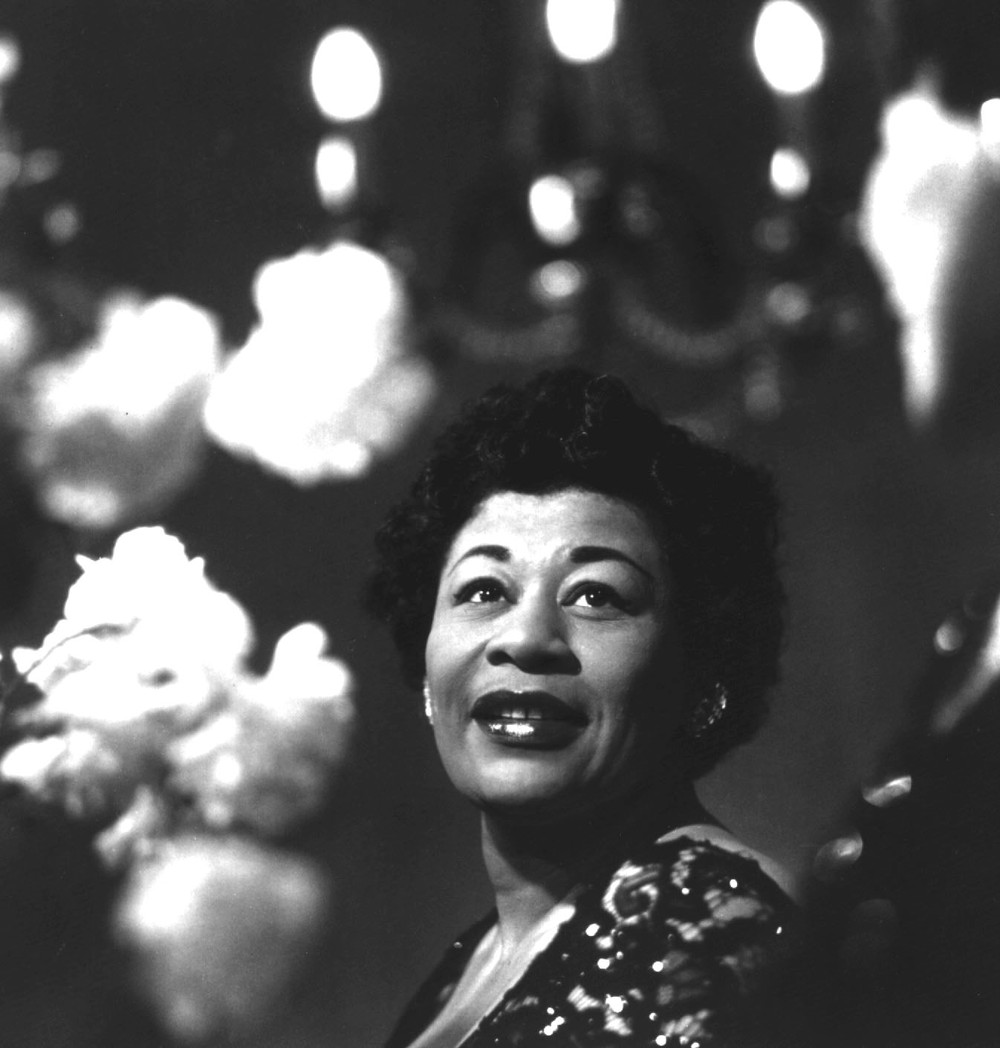
Ella Fitzgerald
Vocal Jazz
Swing
Standards
4
/5
Dean Martin
Big Band
Easy Listening
Adult Standards
4
/5
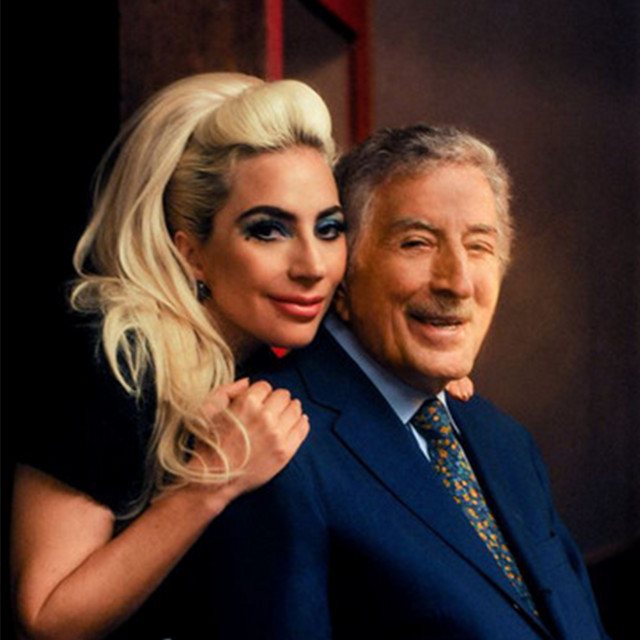
Tony Bennett
Jazz
Adult Standards
Big Band
3
/5
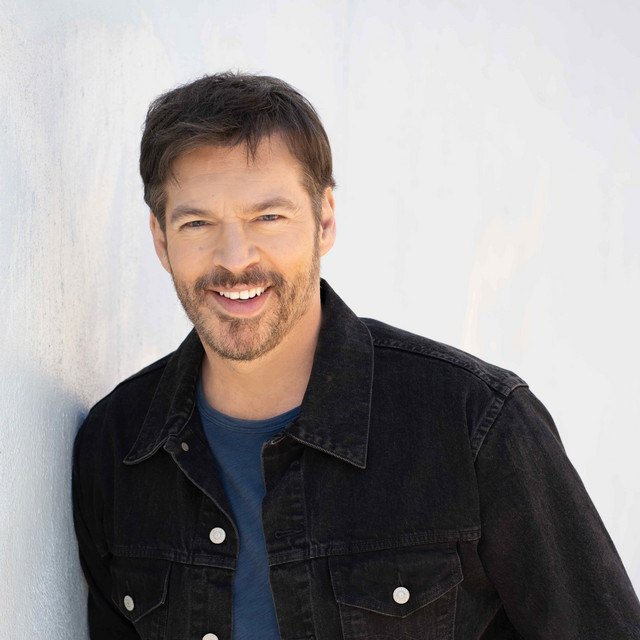
Harry Connick, Jr.
Adult Standards
Big Band
Christmas Music
4
/5
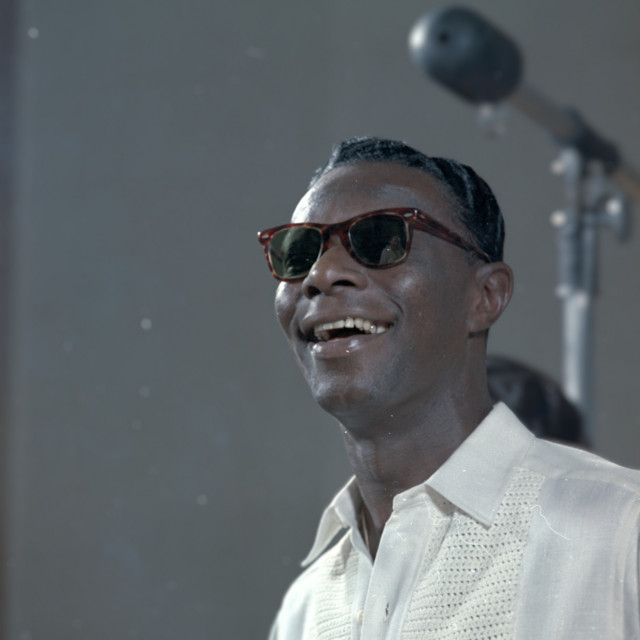
Nat King Cole
Swing
Vocal Jazz
Adult Standards
4
/5
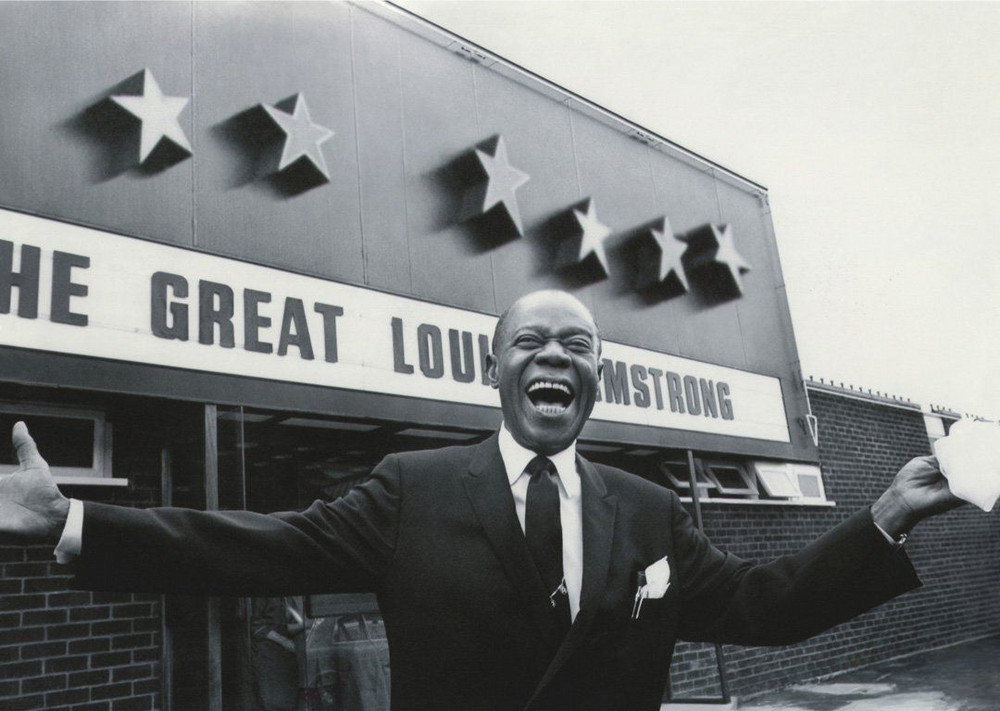
Louis Armstrong
Dixieland
Harlem Renaissance
Jazz Trumpet
4
/5
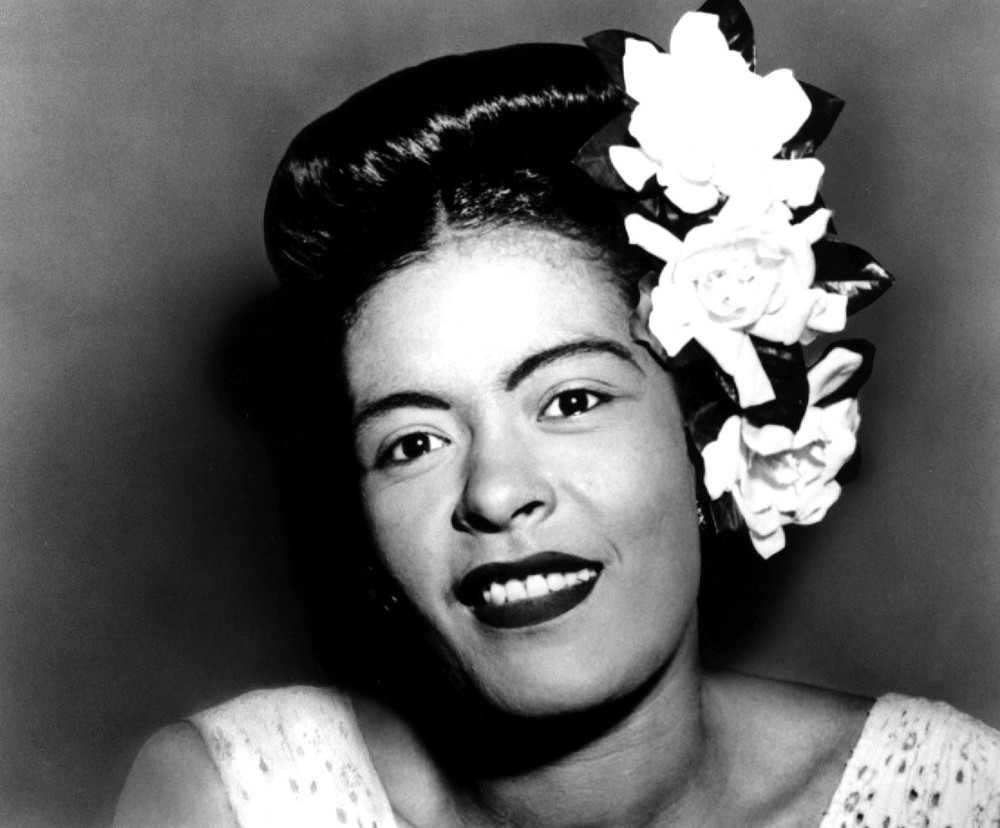
Billie Holiday
Harlem Renaissance
Jazz
Swing
4
/5
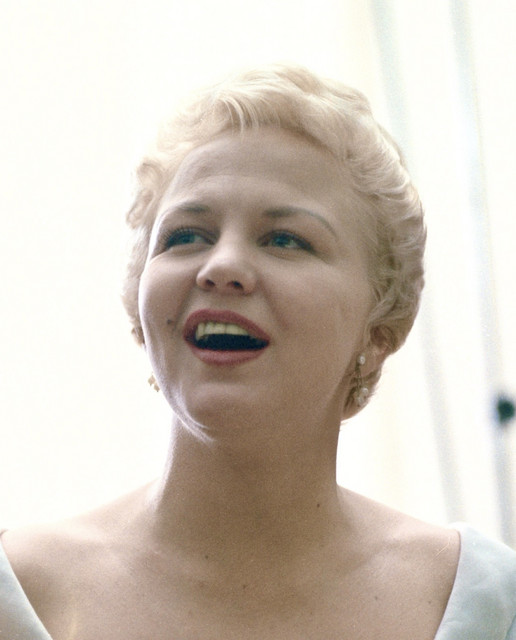
Peggy Lee
Big Band
Vocal Jazz
Jazz
Download our mobile app
Get the Melodigging app and start digging for new genres on the go
Download on the App Store
Get it on Google Play
© 2026 Melodigging
Give feedback
Legal
Melodding was created as a tribute to
Every Noise at Once
, which inspired us to help curious minds keep digging into music's ever-evolving genres.