Genres
Artists
Albums
Make Music
Sign in
Sign in
Artists
Northern Gothic
Artists
Northern Gothic
Medicine Head
1970–2007
·
2 albums
Listen
1
/5
Genres
Northern Gothic
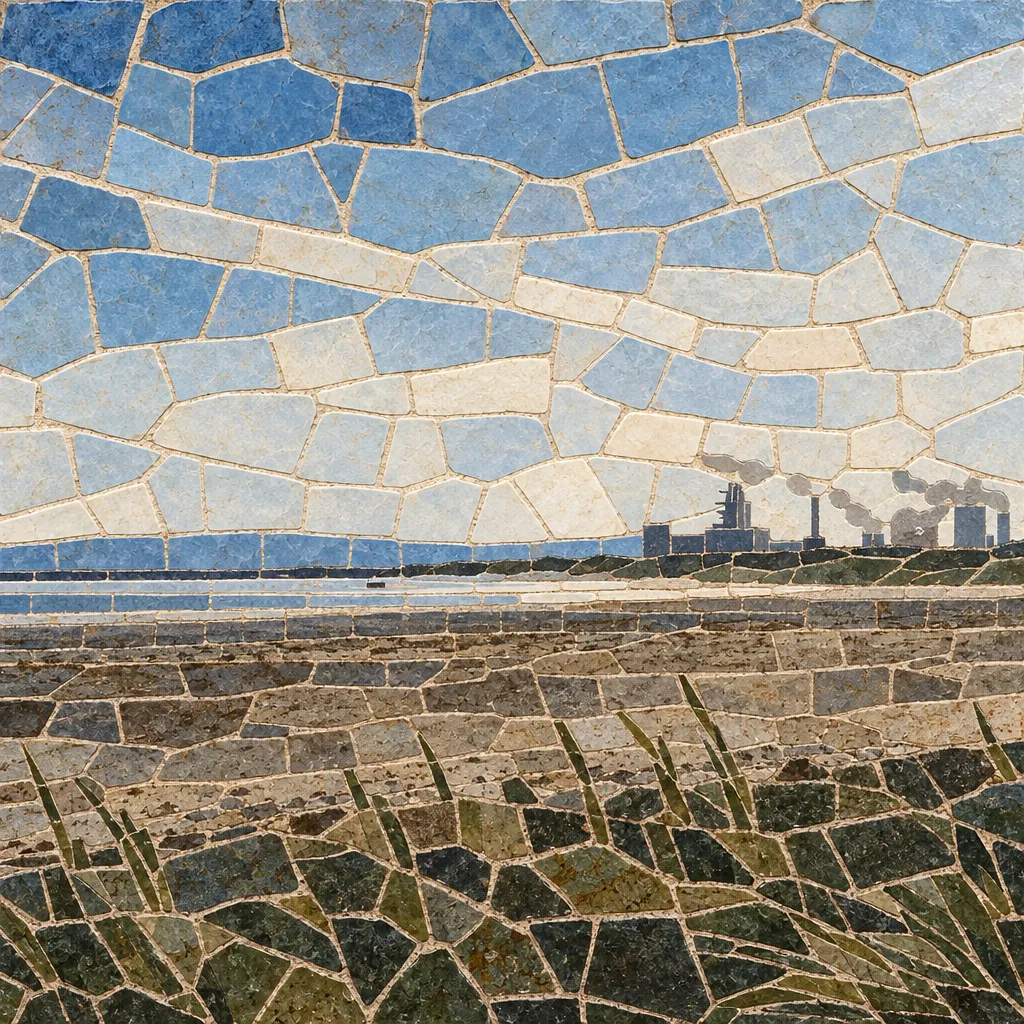
Northern gothic is a modern recontextualization of gothic sensibility rooted in the post‑industrial landscapes, politics, and culture of 21st‑century Northern England. It blends post‑punk austerity, industrial and dark ambient textures, hauntological memory work, and stark folk storytelling. The sound often evokes mills, moorland, sea ports, terraces, and cooling towers—spaces marked by deindustrialization—through tape patina, reverberant spaces, modular drones, and vernacular narratives. Compared with classic goth, it is less theatrical and more documentary or folkloric in tone, prioritizing regional specificity, minimalism, and social realism.
Discover
Listen
Blues Rock
Blues rock is a guitar-driven style that fuses the raw feeling and 12‑bar structures of the blues with the power, volume, and rhythmic punch of rock. It emphasizes riff-based songs, pentatonic and blues-scale soloing, call‑and‑response between voice and guitar, and an expressive, often gritty vocal delivery. Typical ensembles are power trios (guitar, bass, drums) or quartet formats adding second guitar, keyboards, or harmonica, and performances commonly feature extended improvisation. Sonically, it favors overdriven tube-amp tones, sustained bends, vibrato, and dynamic contrasts, moving from shuffles and boogies to straight‑eighth rock grooves.
Discover
Listen
British Blues
British blues is a UK-grown interpretation of African American blues, initially modeled on Chicago and Delta styles but performed with the raw volume and urgency of postwar British youth culture. It features electric guitar, amplified harmonica, bass, drums, and often piano or Hammond organ, favoring 12-bar forms, shuffles, slow blues, and minor-key vamps delivered with emotive vocals and extended soloing. The scene coalesced around early-1960s London venues such as the Ealing Club, catalyzing bands and players who would ignite the British blues boom and, in turn, reshape rock worldwide.
Discover
Listen
Psychedelic Folk
Psychedelic folk (often called acid folk or psych folk) blends the acoustic intimacy and modal harmony of traditional folk with the exploratory textures, surreal lyricism, and studio experimentation of psychedelic music. It typically favors acoustic guitars, hand percussion, flutes, drones (e.g., tambura or harmonium), and small acoustic instruments, while embracing effects such as reverb, delay, tape manipulation, field recordings, and unconventional song structures. Lyrics tend toward the pastoral, mystical, and dreamlike—drawing on folklore, nature, and visionary or inward-looking themes. Musically, it often uses modal melodies (Dorian, Mixolydian), drones, fingerstyle guitar in open tunings, and hypnotic ostinatos, creating a hazy, otherworldly atmosphere that sits between singer‑songwriter intimacy and psychedelic exploration.
Discover
Listen
Rock
Rock is a broad family of popular music centered on amplified instruments, a strong backbeat, and song forms that foreground riffs, choruses, and anthemic hooks. Emerging from mid‑20th‑century American styles like rhythm & blues, country, and gospel-inflected rock and roll, rock quickly expanded in scope—absorbing folk, blues, and psychedelic ideas—while shaping global youth culture. Core sonic markers include electric guitar (often overdriven), electric bass, drum kit emphasizing beats 2 and 4, and emotive lead vocals. Rock songs commonly use verse–chorus structures, blues-derived harmony, and memorable melodic motifs, ranging from intimate ballads to high‑energy, stadium‑sized performances.
Discover
Listen
Blues
Blues is an African American musical tradition defined by expressive "blue notes," call-and-response phrasing, and a characteristic use of dominant-seventh harmony in cyclical song forms (most famously the 12‑bar blues). It is as much a feeling as a form, conveying sorrow, resilience, humor, and hard-won joy. Musically, blues commonly employs the I–IV–V progression, swung or shuffled rhythms, and the AAB lyric stanza. Melodies lean on the minor/major third ambiguity and the flattened fifth and seventh degrees. Core instruments include voice, guitar (acoustic or electric), harmonica, piano, bass, and drums, with slide guitar, bends, and vocal melismas as signature techniques. Over time the blues has diversified into regional and stylistic currents—Delta and Piedmont country blues, urban Chicago and Texas blues, West Coast jump and boogie-woogie—while profoundly shaping jazz, rhythm & blues, rock and roll, soul, funk, and much of modern popular music.
Discover
Listen
Albums
2007
2
/5
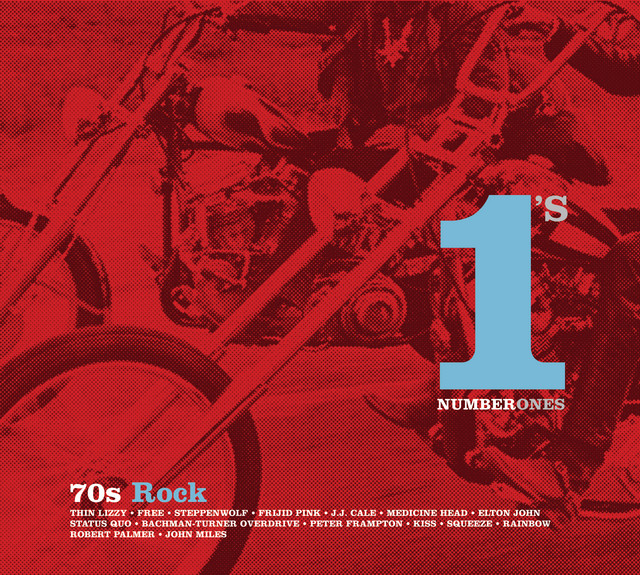
Number Ones - 70s Rock
Medicine Head
Psychedelic Folk
1970
2
/5
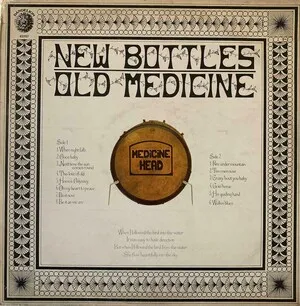
New Bottles Old Medicine
Medicine Head
British Blues
Blues
Blues Rock
Similar artists
1
/5
Various Artists
Afro-Funk
Alternative Rock
Ambient
5
/5
Hozier
Modern Rock
Bedroom R&b
Chill Pop
4
/5
The Black Keys
Blues Rock
Modern Blues
Punk Blues
4
/5
Tom Waits
Dark Cabaret
Singer-Songwriter
Blues
3
/5
John Lee Hooker
Delta Blues
Blues
Country Blues
3
/5
Ten Years After
British Blues
Blues Rock
Chill Pop
3
/5
The Blue Stones
Modern Blues Rock
Blues Rock
Modern Hard Rock
3
/5
Gary Clark Jr.
Texas Blues
Blues
Electric Blues
3
/5
Taj Mahal
Blues
Classic Blues
Country Blues
3
/5
R.L. Burnside
Hill Country Blues
Country Blues
Delta Blues
Download our mobile app
Get the Melodigging app and start digging for new genres on the go
Download on the App Store
Get it on Google Play
© 2026 Melodigging
Give feedback
Legal
Melodding was created as a tribute to
Every Noise at Once
, which inspired us to help curious minds keep digging into music's ever-evolving genres.