Genres
Artists
Albums
Make Music
Sign in
Sign in
Artists
Funk De Bh
Artists
Funk De Bh
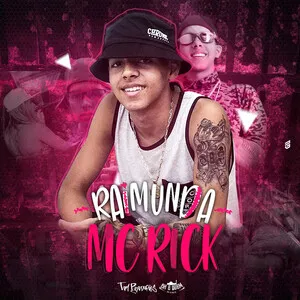
MC Rick
2018–2023
·
10 albums
Listen
4
/5
Genres
Rave Funk
Rave funk is a contemporary Brazilian club style that fuses the raw percussion, call‑and‑response vocals, and gritty bass of funk carioca with the supersaws, hoover stabs, white‑noise risers, and big‑room drops of EDM and rave. Typically sitting between 140–150 BPM (often at the Brazilian "150 BPM" pace), it uses the tamborzão or mandelão drum feel under festival‑scale synth builds and DJ‑friendly drops. The result is a high‑impact, dance‑floor sound that keeps the street energy of funk while adopting the dramatic structures of modern rave.
Discover
Listen
Funk Viral
Funk viral is a contemporary, platform-native strain of Brazilian funk designed to explode on social media feeds and short‑video apps. It emphasizes instantly catchy hooks, hard‑hitting drums, sped‑up edits, and micro‑arrangements tailored to 15–30 second danceable segments. Sonically it lives close to the 150 BPM "mandelão/rave" end of funk, with booming 808 subs, clipped claps, sharp tom fills, risers, vox chops, and meme‑ready catchphrases. Producers frequently tag tracks as MTG (montagem), signaling mash‑up/remix techniques and quick cut transitions, or lean on automotivo aesthetics for extra sub and car‑sound‑system impact. Culturally it sits at the intersection of baile funk’s street party tradition and the algorithmic dynamics of TikTok/Reels, where choreography challenges, sped‑up versions, and DJ IDs travel fast. The result is a highly portable, hook‑first dance music that cycles rapidly through trends while remaining rooted in Brazilian funk’s grooves and vocal delivery.
Discover
Listen
Arrocha Funk
Arrocha funk is a Brazilian fusion that marries the romantic, crooner-style melodies of Arrocha with the streetwise punch of contemporary funk and reggaeton production. Characterized by slow and gritty reggaeton-like drums, it places a clear emphasis on brassy horn riffs and stabs, echoing Arrocha’s band arrangements while keeping the rhythmic engine syncopated and danceable. Harmonies tend to be minor and bittersweet, supporting lyrical themes of longing, jealousy, reconciliation, and celebration. Vocals are typically upfront and expressive, often ornamented with melisma, light Auto‑Tune, and call‑and‑response hooks that translate well to dance floors and social media clips.
Discover
Listen
No Melody Trap
No melody trap is a minimalist branch of trap where the beat intentionally avoids tonal melodies and chord progressions. Instead, it relies almost entirely on drums, 808s, and percussive one‑shots, letting the rapper’s cadence and the 808 bass line supply most of the musical movement. The style emphasizes negative space, stark textures, and raw rhythm. Producers often use bouncy hi‑hat grids, emphatic claps/snares, and saturated, sliding 808s as the "hook" in place of a synth or sample lead. The result is a direct, performance-forward canvas that spotlights flow, punchlines, and personality.
Discover
Listen
Funk De Bh
Funk de BH (Belo Horizonte) is a regional strain of Brazilian funk that crystallized in Minas Gerais’ capital during the 2010s. It takes the party-ready DNA of funk brasileiro and pares it down to a darker, more hypnotic, bass‑led minimalism. Compared with Rio’s tamborzão-driven euphoria or São Paulo’s ostentação flash, Funk de BH emphasizes sub‑heavy 808s, sparse percussion, and chant‑like vocals that feel intimate and street‑level. The result is a moody, rolling groove aimed equally at neighborhood bailes and car‑sound (“som de carro”) culture, with lyrics that swing between hedonistic party themes, everyday hustle, and local pride.
Discover
Listen
Brazilian Trap
Brazilian trap (trap brasileiro) is the Brazilian adaptation of the Atlanta-born trap sound, performed primarily in Portuguese and colored by local rhythms, slang, and aesthetics. It features 808-heavy beats, half-time grooves, rapid hi-hat rolls, and melodic, Auto-Tuned vocals, while often folding in the swing and percussive feel of funk carioca. Lyrics commonly move between street realities, internet-native lifestyle, fashion, and aspirational luxury, with strong regional accents and Brazilian vernacular giving it a distinct identity from US trap.
Discover
Listen
Funk 150 Bpm
Funk 150 BPM is a high‑tempo offshoot of Brazilian funk (funk carioca) that standardizes the groove around 150 beats per minute. It speeds up the classic tamborzão rhythm, emphasizing pounding sub‑kicks, snappy claps/snares, tom fills, sirens, and shouty vocal tags designed for baile (street party) energy. Arrangements are usually minimal and loop‑driven, centering on call‑and‑response MC lines, short hooks, and montage-style edits, with drops that arrive quickly and repeat often. The result is an intense, dance-forward sound that retains the raw grit of Rio’s funk while pushing the adrenaline and club-readiness to the foreground.
Discover
Listen
Trapfunk
Trapfunk is a Brazilian hybrid that fuses the drum programming, 808 bass, and hi‑hat articulations of trap with the syncopated tamborzão grooves, vocal cadences, and party‑ready attitude of funk carioca (baile funk). Tracks typically balance sparse, hard‑hitting trap frameworks with driving Brazilian funk percussion at 130–150 BPM, sliding 808s, and vocal deliveries that alternate between melodic hooks and rapid-fire chants. Lyrically, it draws on the street storytelling, ostentation, and party culture of the baile while adopting the darker textures and sound design of contemporary trap. The result is a club-optimized, bass-forward style that feels equally at home in the baile, on streaming playlists, and across social platforms, linking Brazil’s local funk scenes to global trap aesthetics.
Discover
Listen
Funk Evangelico
Funk evangélico is a Brazilian Christian take on funk carioca that keeps the style’s hard-hitting, dance‑floor energy while replacing secular or explicit themes with evangelical Christian messages. Built on the classic tamborzão beat, booming sub‑bass, and call‑and‑response hooks, it uses the language of the baile to preach testimony, “vitória,” and spiritual warfare. The result is music that feels at once street‑level and devotional—meant for dancing, collective chanting, and faith‑based outreach in the same neighborhoods where funk originally flourished.
Discover
Listen
Funk Paulista
Funk paulista is the São Paulo city and metropolitan variation of Brazilian funk that crystallized in the early 2010s. It preserves the Miami-bass-rooted drum programming and MC-driven call‑and‑response of funk carioca, but emphasizes punchy, front‑of‑mix 808s, minimal synth riffs, and hooky, chant‑like refrains tailored for large bailes and YouTube virality. Lyrically, it became widely known through "funk ostentação," which foregrounded aspiration and conspicuous consumption (cars, fashion, nightlife), and later broadened into socially aware "funk consciente" and the darker, heavier club‑facing "funk mandelão."
Discover
Listen
Funk Mandelão
Funk mandelão is a minimalist, hard‑hitting branch of Brazilian funk that crystallized in São Paulo’s street party (fluxo) scene. It emphasizes a stripped, percussive groove with booming sub‑bass, clipped toms and rims, and shouted call‑and‑response vocals that command the dancefloor. Compared with Rio’s tamborzão-driven funk carioca, mandelão tends to sit a bit slower and heavier, favoring hypnotic repetition, stark spaces, and gritty saturation (“estouro”) that translates well on massive, bass-heavy sound systems. Producers often recycle short vocal chops and neighborhood shoutouts, building tension through micro-variations in drums, drops, and crowd‑engaging breaks.
Discover
Listen
No Beat
No beat is a Brazilian, producer‑driven tag and scene that grew around baile funk and adjacent regional party styles, where the beatmaker’s identity (often voiced as the tag “X no beat!”) is foregrounded. Musically it pulls from funk carioca’s Miami‑bass lineage, paredão/car‑sound‑system aesthetics, and newer dark, minimalist strands (e.g., bruxaria), yielding hard sub‑bass, sparse percussion at 130–150+ BPM, abrupt mutes, chopped/ported vocals, and crowd‑command call‑outs. In some regional pockets the groove leans into arrochadeira/brega influences and trap textures (“trapfunk”). Rather than meaning “without drums,” the label signals a producer‑centric baile funk approach that thrives in street parties and sound‑system culture and has fed into today’s global club and trap‑funk cross‑pollination.
Discover
Listen
Trap Carioca
Trap carioca is a Rio de Janeiro–rooted branch of Brazilian trap that fuses the half‑time 808 power of U.S. trap with the swing, percussion accents, and party ethos of funk carioca. Built on booming 808 sub‑bass, triplet hi‑hats, and minor‑key loops, it often layers or references the tamborzão and other baile funk drum idioms, local slang, and narratives of favela life, hustle, style, and romance. The result is a gritty yet polished sound that can slide between cold, nocturnal menace and swaggering dance energy, reflecting Rio’s street reality and club culture.
Discover
Listen
Bregadeira
Bregadeira is a contemporary Brazilian party style that fuses romantic and melodic brega songwriting with the percussive swing of pagodão baiano and the booming low‑end of funk scenes. Built for paredão (sound‑system) culture, it emphasizes catchy hooks, call‑and‑response vocals, and drop‑driven arrangements that explode on heavy car and street systems. Producers blend tamborzão- and pagodão‑inspired drum patterns with technobrega/brega‑funk synths and sub‑bass, creating an extroverted, dance‑first sound that can be both flirtatious and rowdy.
Discover
Listen
Chill Baile
Chill baile is a mellow, beat-driven offshoot of Brazil’s baile funk ecosystem that blends the genre’s signature tamborzão/808 percussion with laid‑back tempos, dreamy chords, and R&B‑ and downtempo‑leaning atmospheres. Instead of the raw, high‑energy club edge typical of baile funk, chill baile smooths the edges: tempos often drop into halftime or mid‑tempo ranges, grooves are swingy and elastic, and harmony favors jazzy seventh and ninth chords. The result is a sun‑bleached, coastal vibe—equal parts street rhythm and bedroom introspection—that sits comfortably between lo‑fi beats, chilled trap, and modern R&B.
Discover
Listen
Deboxe
Deboxe is a contemporary Brazilian club and car-audio offshoot of funk that emphasizes massive, hypnotic sub‑bass, sparse drum patterns, and short, chant-like vocal phrases. Compared with earlier funk styles, deboxe is darker and more minimal: long 808 glides, roomy percussive hits, and reverbed stabs create an atmosphere designed for huge speaker arrays and parking‑lot parties. Drops are often built around “desande” moments—sections where the groove strips down, then slams back with heavier bass—while producer tags, chopped ad‑libs, and micro‑hooks replace long verses. Tempos most commonly sit between 135–150 BPM, borrowing the drive of mega funk and the weight of automotivo (car‑sound) culture, but delivered with a swaggering, deboche (“mocking”) attitude that gives the genre its name and vibe.
Discover
Listen
Mega Funk
Mega funk is a recent branch of Brazilian funk that pushes the sound toward heavier, darker, and more minimal club drops. Tracks are typically built around a slow-to-mid tempo groove (roughly 100–120 BPM), with huge, overdriven 808 sub-bass slides, clipped kicks, and sparse, percussive hits. The style favors short vocal chops, catchphrases, and meme-ready hooks over full verses, often processed with pitch/formant shifting and aggressive compression to cut through massive systems. Arrangements borrow EDM-style build–drop dynamics, but keep the raw drum DNA of funk carioca and the car-audio emphasis of funk automotivo. The result is a dancefloor-oriented, high-impact sound engineered to shake speakers as much as bodies.
Discover
Listen
Noiadance
Noiadance is a Brazilian club-music microgenre that blends Dutch house-style EDM production with the rhythmic feel of moombahton. It typically layers funk brasileiro vocal chops, call-and-response hooks, and percussion patterns over mid-tempo, dance-floor-oriented grooves. The sound is built for parties and street-dance energy: heavy low end, bright synth leads, and tightly edited vocal snippets that function as rhythmic hooks as much as lyrics.
Discover
Listen
Pop Lgbtq+ Brasileira
Pop lgbtq+ brasileira is contemporary Brazilian pop created by openly LGBTQIA+ artists and rooted in the country’s club culture, internet-native scenes, and mainstream pop industry. Sonically, it blends glossy electropop and dance-pop with distinctly Brazilian rhythms and textures—most notably funk carioca’s tamborzão, brega/tecno-brega melodrama, axé’s carnival exuberance, and MPB’s lyrical sensibility. Productions often pull from reggaeton, house, trap-funk, and ballroom-vogue percussion, yielding high-energy tracks designed for both radio and dance floors. The genre is as much about voice and visibility as it is about hooks: lyrics commonly foreground queer love, pride, self-fashioning, resilience, and nightlife. Vocals range from diva belting to rap/sung hybrids, with campy, theatrical performance aesthetics that translate strongly to video and stage. The scene’s rise is tightly linked to streaming-era dynamics, YouTube/Instagram/TikTok virality, and collaborations with DJs and funk producers.
Discover
Listen
Ritmada
Ritmada is a contemporary Brazilian dance-music style built around short, repetitive, resonant rhythmic loops. It favors immersive, highly danceable grooves that draw on Afro‑Brazilian percussion and timbres, but presents them with a cleaner, more radio-friendly production aesthetic. Compared to rougher street-oriented bass styles, ritmada typically places greater emphasis on sung or rapped lyrics and hook structure, while keeping the beat hypnotic and driving.
Discover
Listen
Funk Brasileiro
Funk brasileiro (also known internationally as baile funk) is an urban dance music from Brazil that grew out of Rio de Janeiro’s favela party culture. It took the skeletal templates of Miami bass and electro, then reimagined them with Portuguese lyrics, crowd‑shouting hooks, and Afro‑Brazilian rhythmic ideas. The sound is defined by booming 808 sub‑bass, punchy drum programming, and chant‑like vocals designed for participation on the dance floor. While early tracks typically sat around 130–140 BPM with the iconic tamborzão groove, later waves popularized 150 BPM energy and an even more percussive, hard‑hitting feel. Lyrically it ranges from party anthems and romantic “melody” cuts to street reportage and social commentary. Over time it branched into many substyles—proibidão, ostentação, 150 BPM/mandelão, automotivo, and pop‑crossover hybrids—while influencing global pop, rap, and club music.
Discover
Listen
Show all 21 genres
Albums
2023
3
/5
RICKNELSO
MC Rick
Funk De Bh
2023
2
/5
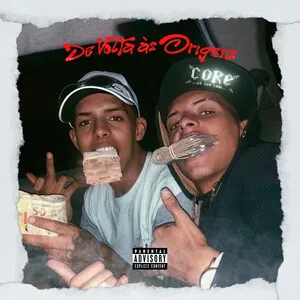
De volta as origens
MC Rick
Funk De Bh
2021
2
/5
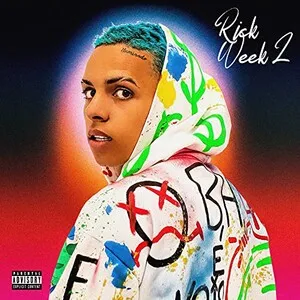
Rickweek 2
MC Rick
Funk De Bh
2020
2
/5
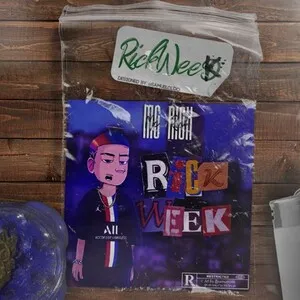
Rickweek
MC Rick
Funk De Bh
2019
3
/5
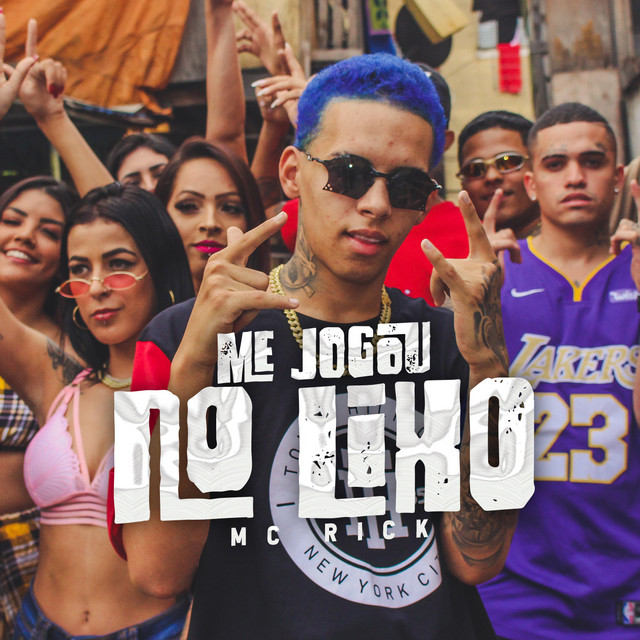
Me Jogou no Lixo
MC Rick
Funk De Bh
2019
3
/5
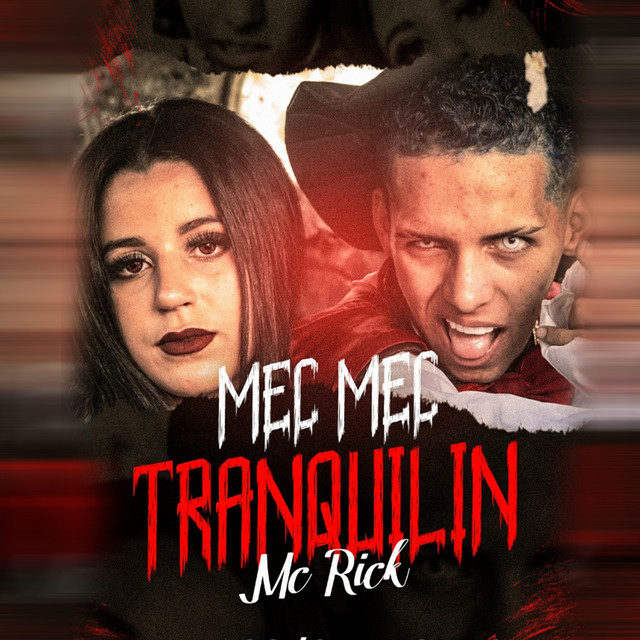
Mec Mec Tranquilin
MC Rick
Funk De Bh
2018
3
/5
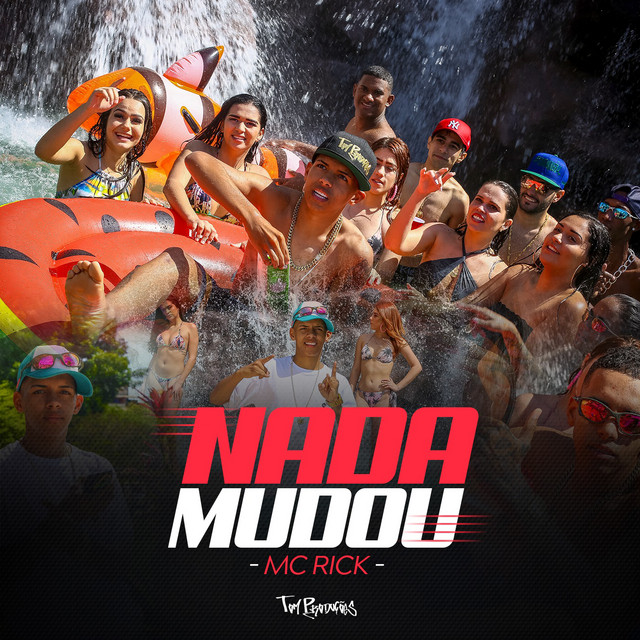
Nada Mudou
MC Rick
Funk De Bh
2018
3
/5
Raimunda
MC Rick
Funk De Bh
Aventuras do Nelso
MC Rick
Funk De Bh
Poder do minerim
MC Rick
Funk De Bh
Similar artists
4
/5
Mc Morena
Brega Funk
Funk De Bh
Brazilian Trap
5
/5
Mc IG
Funk Consciente
Funk Paulista
Trapfunk
4
/5
MC LUUKY
Trapfunk
Funk Evangelico
Funk Mandelão
4
/5
Mc Poze do Rodo
Trapfunk
Brazilian Hip Hop
Brazilian Trap
4
/5
MC PH
Brazilian Trap
Funk Consciente
Trapfunk
3
/5
VHOOR
Chill Baile
Trapfunk
Funk De Bh
3
/5
MC Gustavinho
Funk De Bh
Funk 150 Bpm
Funk Brasileiro
4
/5
Mc Leozin
Funk Mtg
Funk De Bh
Rave Funk
4
/5
MC Saci
Funk De Bh
Brega Funk
Funk 150 Bpm
3
/5
Tropa do Bruxo
Funk De Bh
Brazilian Trap
Funk Brasileiro
Download our mobile app
Get the Melodigging app and start digging for new genres on the go
Download on the App Store
Get it on Google Play
© 2026 Melodigging
Give feedback
Legal
Melodding was created as a tribute to
Every Noise at Once
, which inspired us to help curious minds keep digging into music's ever-evolving genres.