Genres
Artists
Albums
Make Music
Sign in
Sign in
Artists
Trapfunk
Artists
Trapfunk
Mc Poze do Rodo
1 album
Listen
4
/5
Genres
No Melody Trap
No melody trap is a minimalist branch of trap where the beat intentionally avoids tonal melodies and chord progressions. Instead, it relies almost entirely on drums, 808s, and percussive one‑shots, letting the rapper’s cadence and the 808 bass line supply most of the musical movement. The style emphasizes negative space, stark textures, and raw rhythm. Producers often use bouncy hi‑hat grids, emphatic claps/snares, and saturated, sliding 808s as the "hook" in place of a synth or sample lead. The result is a direct, performance-forward canvas that spotlights flow, punchlines, and personality.
Discover
Listen
Rave Funk
Rave funk is a contemporary Brazilian club style that fuses the raw percussion, call‑and‑response vocals, and gritty bass of funk carioca with the supersaws, hoover stabs, white‑noise risers, and big‑room drops of EDM and rave. Typically sitting between 140–150 BPM (often at the Brazilian "150 BPM" pace), it uses the tamborzão or mandelão drum feel under festival‑scale synth builds and DJ‑friendly drops. The result is a high‑impact, dance‑floor sound that keeps the street energy of funk while adopting the dramatic structures of modern rave.
Discover
Listen
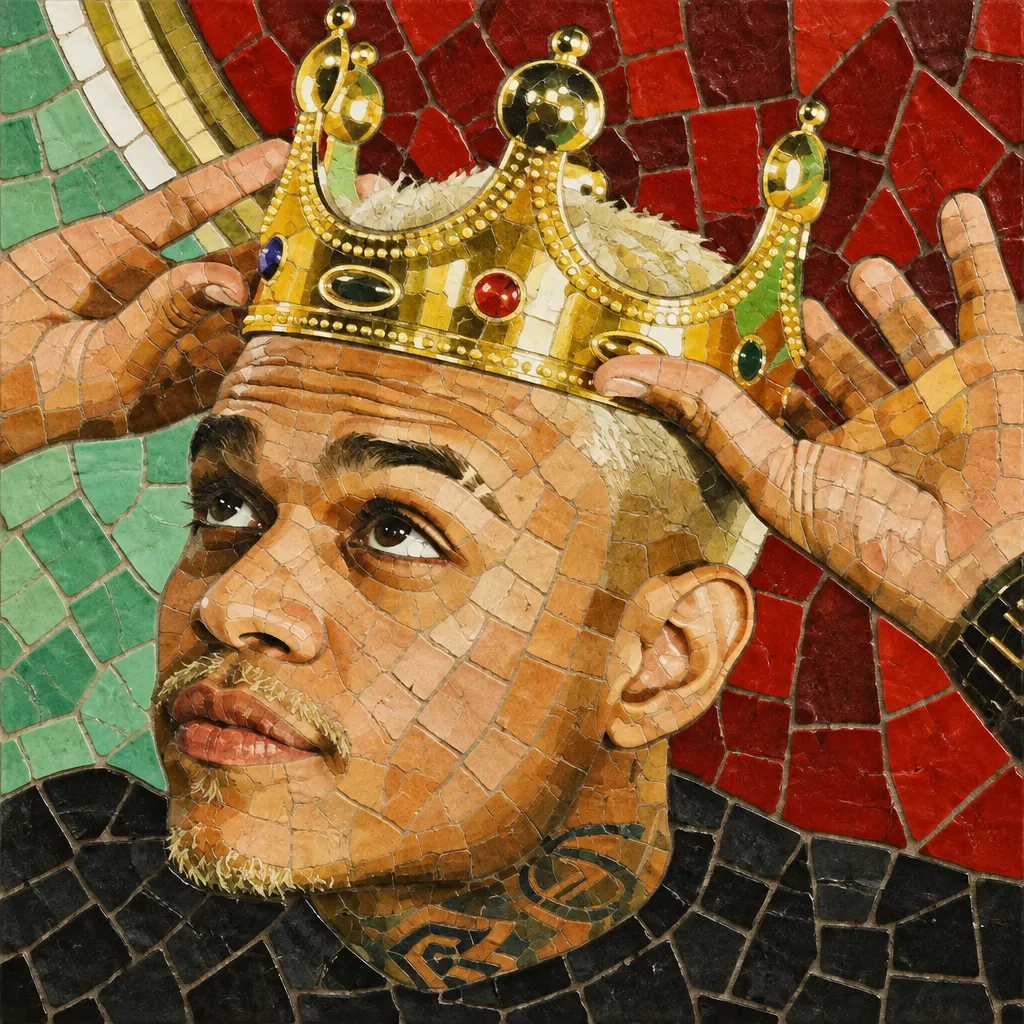
Trapfunk
Trapfunk is a Brazilian hybrid that fuses the drum programming, 808 bass, and hi‑hat articulations of trap with the syncopated tamborzão grooves, vocal cadences, and party‑ready attitude of funk carioca (baile funk). Tracks typically balance sparse, hard‑hitting trap frameworks with driving Brazilian funk percussion at 130–150 BPM, sliding 808s, and vocal deliveries that alternate between melodic hooks and rapid-fire chants. Lyrically, it draws on the street storytelling, ostentation, and party culture of the baile while adopting the darker textures and sound design of contemporary trap. The result is a club-optimized, bass-forward style that feels equally at home in the baile, on streaming playlists, and across social platforms, linking Brazil’s local funk scenes to global trap aesthetics.
Discover
Listen
Brazilian Trap
Brazilian trap (trap brasileiro) is the Brazilian adaptation of the Atlanta-born trap sound, performed primarily in Portuguese and colored by local rhythms, slang, and aesthetics. It features 808-heavy beats, half-time grooves, rapid hi-hat rolls, and melodic, Auto-Tuned vocals, while often folding in the swing and percussive feel of funk carioca. Lyrics commonly move between street realities, internet-native lifestyle, fashion, and aspirational luxury, with strong regional accents and Brazilian vernacular giving it a distinct identity from US trap.
Discover
Listen
Funk 150 Bpm
Funk 150 BPM is a high‑tempo offshoot of Brazilian funk (funk carioca) that standardizes the groove around 150 beats per minute. It speeds up the classic tamborzão rhythm, emphasizing pounding sub‑kicks, snappy claps/snares, tom fills, sirens, and shouty vocal tags designed for baile (street party) energy. Arrangements are usually minimal and loop‑driven, centering on call‑and‑response MC lines, short hooks, and montage-style edits, with drops that arrive quickly and repeat often. The result is an intense, dance-forward sound that retains the raw grit of Rio’s funk while pushing the adrenaline and club-readiness to the foreground.
Discover
Listen
Trap Carioca
Trap carioca is a Rio de Janeiro–rooted branch of Brazilian trap that fuses the half‑time 808 power of U.S. trap with the swing, percussion accents, and party ethos of funk carioca. Built on booming 808 sub‑bass, triplet hi‑hats, and minor‑key loops, it often layers or references the tamborzão and other baile funk drum idioms, local slang, and narratives of favela life, hustle, style, and romance. The result is a gritty yet polished sound that can slide between cold, nocturnal menace and swaggering dance energy, reflecting Rio’s street reality and club culture.
Discover
Listen
Eletronica Underground Brasileira
Eletrônica underground brasileira (Brazilian underground electronic) is a catch‑all term for the country’s DIY, club‑rooted and internet‑native electronic scenes that blossomed outside the mainstream in the 2010s. It blends global club languages (techno, house, electro, bass music) with local rhythmic DNA (funk carioca, tecnobrega, samba, maracatu and other regional grooves), favoring gritty textures, syncopation, and adventurous sound design. The scene thrives on independent labels, parties and micro‑communities—often prioritizing live hardware sets and Bandcamp‑centric releases over commercial channels. A signature trait is rhythmic hybridity: straight four‑on‑the‑floor coexists with broken beats, baile‑derived tamborzão patterns, lo‑fi sampling of Brazilian percussion, and bold tempo play. The result is a spectrum that runs from hypnotic warehouse techno to colourful, percussive club experiments.
Discover
Listen
Funk De Bh
Funk de BH (Belo Horizonte) is a regional strain of Brazilian funk that crystallized in Minas Gerais’ capital during the 2010s. It takes the party-ready DNA of funk brasileiro and pares it down to a darker, more hypnotic, bass‑led minimalism. Compared with Rio’s tamborzão-driven euphoria or São Paulo’s ostentação flash, Funk de BH emphasizes sub‑heavy 808s, sparse percussion, and chant‑like vocals that feel intimate and street‑level. The result is a moody, rolling groove aimed equally at neighborhood bailes and car‑sound (“som de carro”) culture, with lyrics that swing between hedonistic party themes, everyday hustle, and local pride.
Discover
Listen
Trap Pesado
Trap pesado is a Brazilian substyle of trap characterized by hard‑hitting, saturated 808s, clipped kicks, and ominous, minor‑key melodies. It emphasizes density and impact: dark pads or detuned synth leads sit under tight snare rolls and rapid, syncopated hi‑hats, while bass slides and distortion push the low end to the front. Lyrically it leans toward street realism, braggadocio, and nightlife imagery, often reflecting Brazil’s contemporary urban scenes. Compared with more melodic or plug‑influenced variants, trap pesado favors an aggressive, weighty mix and a colder, grittier mood designed for both club sound systems and headphone impact.
Discover
Listen
Trap
Trap is a subgenre of hip hop that emerged from the Southern United States, defined by half-time grooves, ominous minor-key melodies, and the heavy use of 808 sub-bass. The style is characterized by rapid, syncopated hi-hat rolls, crisp rimshot/clap on the backbeat, and cinematic textures that convey tension and grit. Lyrically, it centers on street economies, survival, ambition, and introspection, with ad-libs used as percussive punctuation. Production is typically minimal but hard-hitting: layered 808s, sparse piano or bell motifs, dark pads, and occasional orchestral or choir samples. Vocals range from gravelly, staccato deliveries to melodic, Auto-Tuned flows, often using triplet cadences.
Discover
Listen
Funk Consciente
Funk consciente is a socially minded current of Brazilian funk (funk carioca) that foregrounds reflective, narrative lyrics about everyday life in the favelas, work, faith, romance, and perseverance. Instead of the hedonistic or explicit themes common in baile funk, it emphasizes “consciência” (awareness) and messages of uplift and survival. Musically it uses the same rhythmic DNA as funk carioca—tamborzão, rasterinha/rasteirinha grooves, and modern 150 BPM variants—while often opting for mid‑tempo, lyrically clear arrangements with simple, minor‑key chord loops, melodic hooks, and clean vocal production. The result is danceable yet thoughtful tracks that travel easily between street bailes, streaming playlists, and radio.
Discover
Listen
Brazilian Hip Hop
Brazilian hip hop (often called "rap nacional") adapts the core aesthetics of U.S. hip hop—MC-led storytelling, sample-based beats, and DJ culture—to Brazilian realities, accents, and rhythms. It balances gritty street reportage with poetic social critique, frequently referencing life in the periferias (urban outskirts), racism, police violence, and everyday resilience. Musically it ranges from classic boom-bap to trap-inflected productions and occasional fusions with samba, MPB, and funk carioca, creating a distinctly local cadence and swing. Over time, it has grown from a grassroots movement centered on breakdance circles and DIY shows to a mainstream force, launching influential albums, cyphers, and festival circuits while nurturing powerful scenes in São Paulo, Rio de Janeiro, Belo Horizonte, and beyond.
Discover
Listen
Funk Brasileiro
Funk brasileiro (also known internationally as baile funk) is an urban dance music from Brazil that grew out of Rio de Janeiro’s favela party culture. It took the skeletal templates of Miami bass and electro, then reimagined them with Portuguese lyrics, crowd‑shouting hooks, and Afro‑Brazilian rhythmic ideas. The sound is defined by booming 808 sub‑bass, punchy drum programming, and chant‑like vocals designed for participation on the dance floor. While early tracks typically sat around 130–140 BPM with the iconic tamborzão groove, later waves popularized 150 BPM energy and an even more percussive, hard‑hitting feel. Lyrically it ranges from party anthems and romantic “melody” cuts to street reportage and social commentary. Over time it branched into many substyles—proibidão, ostentação, 150 BPM/mandelão, automotivo, and pop‑crossover hybrids—while influencing global pop, rap, and club music.
Discover
Listen
Funk Carioca
Funk carioca, also known as baile funk, is a high-energy dance music born in the favelas of Rio de Janeiro. It blends the booming 808 sub-bass and drum-machine punch of Miami bass and electro with Brazilian street party culture, Portuguese slang, and call-and-response vocals. At its core is the tamborzão rhythm, a syncopated, percussive groove that drives simple, looping beats and chant-like hooks. Lyrics range from playful and explicitly sexual (putaria) to socially conscious narratives and favela pride, and performances are designed for massive neighborhood bailes (street parties). Over time the style has branched into many variants—from melodic radio-friendly hits to darker proibidão—and has influenced global club music while remaining a defining sound of contemporary urban Brazil.
Discover
Listen
Funk
Funk is a rhythm-forward African American popular music style that centers on groove, syncopation, and interlocking parts. Rather than emphasizing complex chord progressions, funk builds tight, repetitive vamps that highlight the rhythm section and create an irresistible dance feel. The genre is marked by syncopated drum patterns, melodic yet percussive bass lines, choppy guitar "chanks," punchy horn stabs, call‑and‑response vocals, and a strong backbeat. Funk’s stripped-down harmony, prominent use of the one (accenting the downbeat), and polyrhythmic layering draw deeply from soul, rhythm and blues, jazz, gospel, and African rhythmic traditions. From James Brown’s late-1960s innovations through the expansive P-Funk universe and the slicker sounds of the 1970s and 1980s, funk has continually evolved while seeding countless other genres, from disco and hip hop to house and modern R&B.
Discover
Listen
Show all 15 genres
Albums
O sábio
MC Poze do Rodo
Trapfunk
Similar artists
5
/5
Mc IG
Funk Consciente
Funk Paulista
Trapfunk
4
/5
L7NNON
Funk Rj
Brazilian Trap
Trapfunk
5
/5
Anitta
Funk Pop
Brazilian Pop
Pop
4
/5
Mc Don Juan
Batidão Romântico
Funk Mtg
Funk Paulista
4
/5
Mc Livinho
Funk Rj
Funk Paulista
Funk
4
/5
Luísa Sonza
Funk Pop
Brazilian Pop
Funk
4
/5
Mc Pedrinho
Funk Mtg
Funk Paulista
Funk
4
/5
MC Kevin o Chris
Funk 150 Bpm
Brega Funk
Funk Carioca
4
/5
Mc Paiva ZS
Funk Rj
Funk
Funk Carioca
4
/5
MC G15
Funk
Funk Mtg
Funk Ostentação
Download our mobile app
Get the Melodigging app and start digging for new genres on the go
Download on the App Store
Get it on Google Play
© 2026 Melodigging
Give feedback
Legal
Melodding was created as a tribute to
Every Noise at Once
, which inspired us to help curious minds keep digging into music's ever-evolving genres.