Genres
Artists
Albums
Make Music
Sign in
Sign in
Artists
Chill Baile
Artists
Chill Baile
VHOOR
2017–2024
·
11 albums
Listen
3
/5
Genres
Rave Funk
Rave funk is a contemporary Brazilian club style that fuses the raw percussion, call‑and‑response vocals, and gritty bass of funk carioca with the supersaws, hoover stabs, white‑noise risers, and big‑room drops of EDM and rave. Typically sitting between 140–150 BPM (often at the Brazilian "150 BPM" pace), it uses the tamborzão or mandelão drum feel under festival‑scale synth builds and DJ‑friendly drops. The result is a high‑impact, dance‑floor sound that keeps the street energy of funk while adopting the dramatic structures of modern rave.
Discover
Listen
Chill Baile
Chill baile is a mellow, beat-driven offshoot of Brazil’s baile funk ecosystem that blends the genre’s signature tamborzão/808 percussion with laid‑back tempos, dreamy chords, and R&B‑ and downtempo‑leaning atmospheres. Instead of the raw, high‑energy club edge typical of baile funk, chill baile smooths the edges: tempos often drop into halftime or mid‑tempo ranges, grooves are swingy and elastic, and harmony favors jazzy seventh and ninth chords. The result is a sun‑bleached, coastal vibe—equal parts street rhythm and bedroom introspection—that sits comfortably between lo‑fi beats, chilled trap, and modern R&B.
Discover
Listen
Trapfunk
Trapfunk is a Brazilian hybrid that fuses the drum programming, 808 bass, and hi‑hat articulations of trap with the syncopated tamborzão grooves, vocal cadences, and party‑ready attitude of funk carioca (baile funk). Tracks typically balance sparse, hard‑hitting trap frameworks with driving Brazilian funk percussion at 130–150 BPM, sliding 808s, and vocal deliveries that alternate between melodic hooks and rapid-fire chants. Lyrically, it draws on the street storytelling, ostentation, and party culture of the baile while adopting the darker textures and sound design of contemporary trap. The result is a club-optimized, bass-forward style that feels equally at home in the baile, on streaming playlists, and across social platforms, linking Brazil’s local funk scenes to global trap aesthetics.
Discover
Listen
Funk De Bh
Funk de BH (Belo Horizonte) is a regional strain of Brazilian funk that crystallized in Minas Gerais’ capital during the 2010s. It takes the party-ready DNA of funk brasileiro and pares it down to a darker, more hypnotic, bass‑led minimalism. Compared with Rio’s tamborzão-driven euphoria or São Paulo’s ostentação flash, Funk de BH emphasizes sub‑heavy 808s, sparse percussion, and chant‑like vocals that feel intimate and street‑level. The result is a moody, rolling groove aimed equally at neighborhood bailes and car‑sound (“som de carro”) culture, with lyrics that swing between hedonistic party themes, everyday hustle, and local pride.
Discover
Listen
Brazilian Trap
Brazilian trap (trap brasileiro) is the Brazilian adaptation of the Atlanta-born trap sound, performed primarily in Portuguese and colored by local rhythms, slang, and aesthetics. It features 808-heavy beats, half-time grooves, rapid hi-hat rolls, and melodic, Auto-Tuned vocals, while often folding in the swing and percussive feel of funk carioca. Lyrics commonly move between street realities, internet-native lifestyle, fashion, and aspirational luxury, with strong regional accents and Brazilian vernacular giving it a distinct identity from US trap.
Discover
Listen
Phonk
Phonk is a dark, sample-heavy microgenre of hip hop and trap that resurrects the gritty aesthetics of 1990s Memphis rap. It blends chopped-and-screwed vocals, ominous minor-key loops, lo‑fi textures, and overdriven 808s to create a woozy, menacing atmosphere. While early phonk leaned on slowed vocal samples and cassette‑era grit, a later offshoot known as drift phonk foregrounded hard‑clipping 808 bass and bright cowbell patterns at faster tempos, becoming synonymous with car/drift videos and social media virality. Across its variants, phonk is united by retro Southern rap DNA, tape‑worn sonics, and an underground, DIY producer culture.
Discover
Listen
Tecnofunk
Tecnofunk is a raw, dance-centered hybrid genre from northern Brazil that fuses the melodic and party-driven language of tecnobrega with the percussive force, erotic directness, and street energy of Brazilian funk. It emerged in Belém do Pará in the late 2010s, especially through DJs, producers, and sound-system-centered party culture. The style is marked by heavy electronic beats, loud low-end, provocative vocal samples or lyrics, and a deliberately vulgar, festive, and high-impact aesthetic. Compared with classic tecnobrega, tecnofunk tends to hit harder rhythmically and often feels more aggressive and stripped-down. Compared with mainstream funk brasileiro, it retains strong Pará dance-music traits, including regional melodic phrasing, synth textures, and the legacy of brega-derived party production. The genre is closely tied to local dance scenes, DJ remix culture, and informal music circulation, where tracks are designed for immediate crowd response rather than polished pop presentation.
Discover
Listen
Uk Drill
UK drill is a dark, hard-edged offshoot of hip hop that emerged in London in the mid‑2010s. It is characterized by sliding 808 basslines, sparse minor‑key melodies, skittering hi‑hat rolls, and heavy, punchy drums programmed in a cold, half‑time groove around 138–144 BPM. Vocals are delivered in deadpan, menacing flows that draw on London road slang and, at times, Jamaican patois cadences. Lyrical themes often depict street realities, territoriality, and social pressure, set against an austere, cinematic soundscape. The genre’s sound design emphasizes tension—detuned pianos, eerie pads, choral stabs, and dissonant textures—while maintaining a head‑nodding bounce that makes it club‑potent despite its bleak tone. Developed by crews across South and East London, UK drill translated the template of Chicago drill through the lens of grime and UK road rap, becoming a globally influential style that reshaped drill scenes from New York to Sydney.
Discover
Listen
Rasteirinha
Rasteirinha (often called “funk rasteirinha”) is a mid‑tempo branch of Brazilian funk that slows the classic baile funk groove to a warmer, more sensual pace. It blends the dembow swing of dancehall and reggaeton with samba and pagode percussion (pandeiro, cuíca, surdo, agogô, tamborim, and shakers), typically sitting around 90–105 BPM. Vocals tend to be chant‑like, playful, and street‑wise, with hooks built from call‑and‑response phrases and chopped vocal shots. Harmony is minimal—often one to three chords—so that the syncopated drums and round sub‑bass can drive the dancefloor. The overall feel is percussive, tropical, and intimate—made for block parties and clubs where groove and swing matter more than dense arrangements.
Discover
Listen
Fake
“Fake” is an informal, streaming-era genre tag used for sound‑alike covers, karaoke takes, tribute recordings, and generic instrumental remakes that closely mimic current or classic hits. Rather than foregrounding the original songwriter’s concept, these recordings prioritize recognizability, search optimization, and fast turnaround. Session singers and studio players reproduce the hook, tempo, and arrangement with minimal reinterpretation; track and artist names often echo the original title or lyrical catchphrase to capture search traffic.
Discover
Listen
Drill
Drill is a subgenre of hip hop that emerged on Chicago’s South Side in the early 2010s. It is defined by stark, menacing production; booming 808 sub‑bass with frequent pitch slides; skittering hi‑hats; and sparse, minor‑key melodies built from pianos, synth pads, strings, bells, or eerie soundscapes. Vocals are typically deadpan or urgent, with ad‑libs punctuating lines. Lyrically, drill foregrounds raw street reportage—survival, trauma, crews, and contested territory—often delivered with bleak realism. Tempos in original Chicago drill tend to sit around 60–75 BPM (often felt in double‑time), while later UK and New York scenes adopt 130–145 BPM grids with off‑kilter snare placement and distinctive sliding 808 patterns. The overall aesthetic prioritizes weighty low end, rhythmic tension, and an uncompromising mood.
Discover
Listen
Eletronica Underground Brasileira
Eletrônica underground brasileira (Brazilian underground electronic) is a catch‑all term for the country’s DIY, club‑rooted and internet‑native electronic scenes that blossomed outside the mainstream in the 2010s. It blends global club languages (techno, house, electro, bass music) with local rhythmic DNA (funk carioca, tecnobrega, samba, maracatu and other regional grooves), favoring gritty textures, syncopation, and adventurous sound design. The scene thrives on independent labels, parties and micro‑communities—often prioritizing live hardware sets and Bandcamp‑centric releases over commercial channels. A signature trait is rhythmic hybridity: straight four‑on‑the‑floor coexists with broken beats, baile‑derived tamborzão patterns, lo‑fi sampling of Brazilian percussion, and bold tempo play. The result is a spectrum that runs from hypnotic warehouse techno to colourful, percussive club experiments.
Discover
Listen
Miami Bass
Miami bass is a high-energy, bass-forward hip hop and electro offshoot that emerged in South Florida during the mid-to-late 1980s. It is defined by booming TR-808 sub-bass, crisp handclaps and snares, uptempo breakbeats, and chant-like vocals that favor call-and-response hooks over dense lyricism. Often nicknamed "booty bass," the style prioritizes dancefloor function and car-audio impact, with many tracks effectively serving as "bass tests" for subwoofers. Melodic and harmonic elements are sparse and repetitive, while the rhythmic programming and low-end power drive the music’s party-centric atmosphere.
Discover
Listen
Funk Brasileiro
Funk brasileiro (also known internationally as baile funk) is an urban dance music from Brazil that grew out of Rio de Janeiro’s favela party culture. It took the skeletal templates of Miami bass and electro, then reimagined them with Portuguese lyrics, crowd‑shouting hooks, and Afro‑Brazilian rhythmic ideas. The sound is defined by booming 808 sub‑bass, punchy drum programming, and chant‑like vocals designed for participation on the dance floor. While early tracks typically sat around 130–140 BPM with the iconic tamborzão groove, later waves popularized 150 BPM energy and an even more percussive, hard‑hitting feel. Lyrically it ranges from party anthems and romantic “melody” cuts to street reportage and social commentary. Over time it branched into many substyles—proibidão, ostentação, 150 BPM/mandelão, automotivo, and pop‑crossover hybrids—while influencing global pop, rap, and club music.
Discover
Listen
Funk Carioca
Funk carioca, also known as baile funk, is a high-energy dance music born in the favelas of Rio de Janeiro. It blends the booming 808 sub-bass and drum-machine punch of Miami bass and electro with Brazilian street party culture, Portuguese slang, and call-and-response vocals. At its core is the tamborzão rhythm, a syncopated, percussive groove that drives simple, looping beats and chant-like hooks. Lyrics range from playful and explicitly sexual (putaria) to socially conscious narratives and favela pride, and performances are designed for massive neighborhood bailes (street parties). Over time the style has branched into many variants—from melodic radio-friendly hits to darker proibidão—and has influenced global club music while remaining a defining sound of contemporary urban Brazil.
Discover
Listen
Hip Hop
Hip hop is a cultural and musical movement that emerged from Black, Latino, and Caribbean communities, centering around rapping (MCing), DJing/turntablism, sampling-based production, and rhythmic speech over beats. It prioritizes groove, wordplay, and storytelling, often reflecting the social realities of urban life. Musically, hip hop is built on drum-centric rhythms (from breakbeats to 808 patterns), looped samples, and bass-forward mixes. Lyrically, it ranges from party anthems and braggadocio to political commentary and intricate poetic forms, with flow, cadence, and rhyme density as core expressive tools. Beyond music, hip hop encompasses a broader culture, historically intertwined with graffiti, b-boying/b-girling (breakdance), fashion, and street entrepreneurship, making it both an art form and a global social language.
Discover
Listen
Show all 16 genres
Albums
2024
1
/5
Só Pura
VHOOR
Chill Baile
2024
2
/5
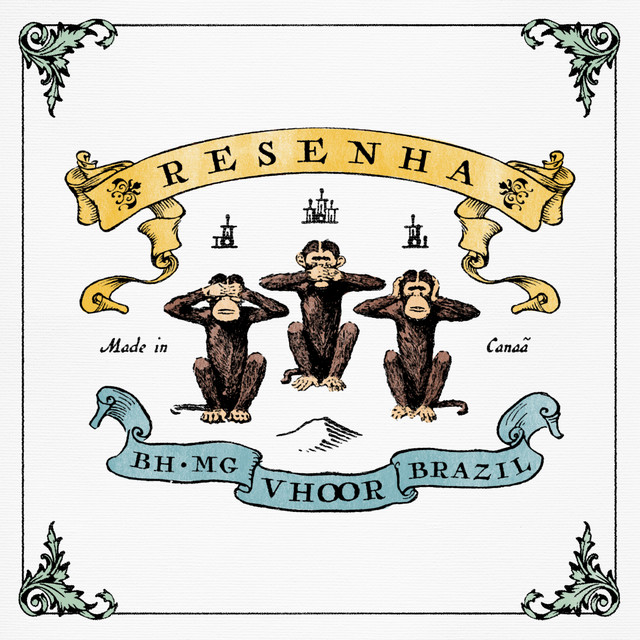
Resenha
VHOOR
Funk De Bh
Chill Baile
2024
1
/5
Flash
VHOOR
Chill Baile
2022
1
/5
Balinha da Alegria / Fica a Vontade
VHOOR
Chill Baile
2022
1
/5
Vem Malandra
VHOOR
Chill Baile
2022
1
/5
Baile & Bass
VHOOR
Miami Bass
2021
4
/5
Baile
FBC & VHOOR
Funk Carioca
Miami Bass
Funk Brasileiro
2018
2
/5
BRAZILLIAN BOOGIE
VHOOR
Chill Baile
2017
2
/5
Amor
VHOOR
Chill Baile
Baile & Sauce
VHOOR
Trapfunk
Ritmo
VHOOR
Rasteirinha
Similar artists
4
/5
Mc Morena
Brega Funk
Funk De Bh
Brazilian Trap
2
/5
Jaca Beats
Chill Baile
Funk 150 Bpm
Brazilian Trap
4
/5
Mc Talibã
Deboxe
Funk De Bh
Funk Paulista
3
/5
Former City Records
Breakbeat
Detroit Sound
Footwork
2
/5
DJ Sandrinho
Funk Carioca
Funk De Bh
Kuduro
2
/5
Deize Tigrona
Funk Brasileiro
Funk Carioca
Miami Bass
1
/5
Various Artists
Afro-Funk
Alternative Rock
Ambient
2
/5
Wealstarcks
Chill Baile
Brazilian Trap
Organic Ambient
2
/5
Tui
Chill Baile
Brazilian Trap
Tecnofunk
3
/5
Deekapz
Musica Eletronica Brasileira
Chill Baile
Brazilian Trap
Download our mobile app
Get the Melodigging app and start digging for new genres on the go
Download on the App Store
Get it on Google Play
© 2026 Melodigging
Give feedback
Legal
Melodding was created as a tribute to
Every Noise at Once
, which inspired us to help curious minds keep digging into music's ever-evolving genres.