Your digging level
Description
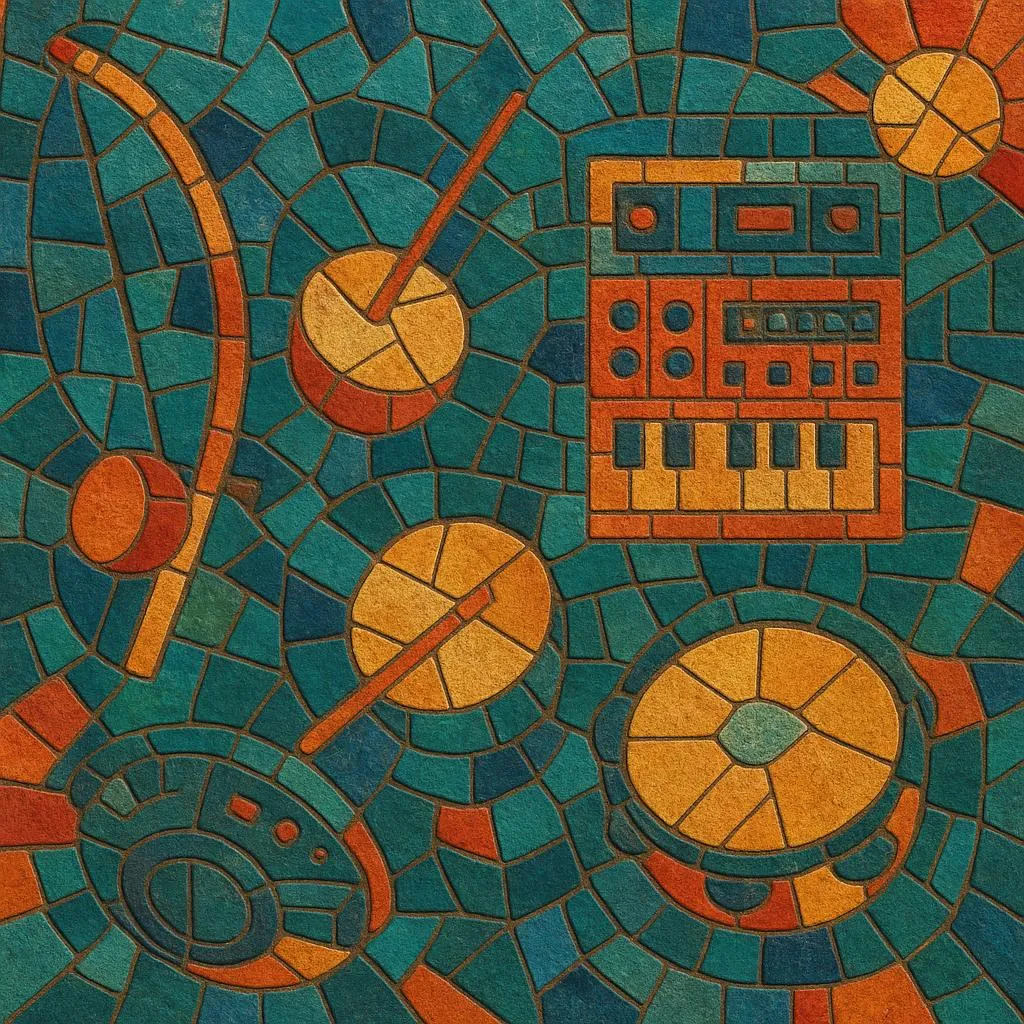
Música Eletrônica Brasileira (Brazilian Electronic Music) is a vibrant and diverse umbrella genre that encompasses the fusion of Brazil's rich rhythmic heritage with global electronic music styles. It is characterized by the integration of traditional Brazilian instruments like the berimbau, cuíca, and pandeiro, as well as samples from Samba, Bossa Nova, and MPB (Música Popular Brasileira), into modern electronic frameworks such as House, Techno, and Drum and Bass. The genre ranges from the soulful, jazz-inflected 'Drum & Bossa' (Sambass) to the heavy, bass-driven club sounds of Brazilian Bass and the raw, syncopated beats of Funk Carioca, creating a unique sonic identity that is both tropical and futuristic.

History
The history of Música Eletrônica Brasileira is a journey from academic experimentation to global dancefloor dominance.
The roots of the genre lie in the avant-garde academic circles of the 1960s, with composers like Jorge Antunes and Jocy de Oliveira experimenting with early synthesizers and tape loops, creating 'Música Eletroacústica'. In the 1980s, the democratization of synthesizers led to a wave of Brazilian Synthpop and Post-Punk bands, while underground clubs in São Paulo began introducing Chicago House and Detroit Techno to local audiences.
The 1990s marked the true explosion of the scene. The 'Hell's Club' and 'A Loca' in São Paulo became legendary incubators. A pivotal moment occurred when DJs like DJ Marky and DJ Patife began mixing Drum and Bass with classic Brazilian Samba samples. This fusion, known as Sambass (Drum & Bossa), exploded internationally, with tracks like 'LK' becoming global anthems. Simultaneously, the Funk Carioca scene in Rio de Janeiro began to evolve from Miami Bass influences into its own distinct electronic identity.
The 2000s saw the rise of Technobrega in the north of Brazil, a DIY electronic genre fusing cheesy pop with techno beats. Meanwhile, the Psytrance scene found a massive home in Brazil, influencing a generation of producers. Artists like Gui Boratto brought a sophisticated, melodic Minimal Techno sound to the world stage, proving Brazil could produce high-brow electronic music beyond just 'tropical' remixes.
In the mid-2010s, a new subgenre dubbed Brazilian Bass emerged, spearheaded by artists like Alok and Vintage Culture. Characterized by deep, punchy basslines and pitch-corrected vocals, it influenced the global 'Slap House' trend. Today, the scene is one of the largest in the world, with Brazilian artists headlining major festivals and continuously reinventing genres like Tech House and Trap with a distinct Brazilian flair.
Composing Música Eletrônica Brasileira requires balancing modern production techniques with the organic 'swing' of Brazilian rhythms.
1. Rhythm and Percussion:
Start with a standard 4/4 House or broken Drum & Bass beat, but layer it with organic Brazilian percussion. Use shakers, ganzás, and tamborims to create a syncopated 16th-note groove. The 'swing' is crucial; avoid rigid quantization on the percussion to maintain a human feel. For Funk-influenced tracks, use the 'Tamborzão' beat pattern.
2. Basslines:
For the 'Brazilian Bass' style, use a punchy, plucked bass sound with a short decay, often playing a driving, rhythmic pattern that interacts heavily with the kick drum. In Sambass, use an upright bass sample or a smooth sub-bass to mimic the walking basslines of Bossa Nova.
3. Sampling and Harmony:
Sample classic Bossa Nova or Samba records, particularly acoustic guitar (violão) riffs and piano chords. Look for jazz-influenced chord progressions (major 7ths, minor 9ths) to add sophistication. Vocal chops in Portuguese, often soulful or spoken word, add immediate authenticity.
4. Instrumentation:
Incorporate lead melodies using instruments like the Cuíca (for its distinctive friction drum sound), Berimbau, or a nylon-string guitar. Synthesizers should be clean and modern to contrast with the vintage samples.