Genres
Artists
Albums
Make Music
Sign in
Sign in
Artists
Funk De Bh
Artists
Funk De Bh
MC L da Vinte
2020
·
1 album
Listen
4
/5
Genres
Funk Viral
Funk viral is a contemporary, platform-native strain of Brazilian funk designed to explode on social media feeds and short‑video apps. It emphasizes instantly catchy hooks, hard‑hitting drums, sped‑up edits, and micro‑arrangements tailored to 15–30 second danceable segments. Sonically it lives close to the 150 BPM "mandelão/rave" end of funk, with booming 808 subs, clipped claps, sharp tom fills, risers, vox chops, and meme‑ready catchphrases. Producers frequently tag tracks as MTG (montagem), signaling mash‑up/remix techniques and quick cut transitions, or lean on automotivo aesthetics for extra sub and car‑sound‑system impact. Culturally it sits at the intersection of baile funk’s street party tradition and the algorithmic dynamics of TikTok/Reels, where choreography challenges, sped‑up versions, and DJ IDs travel fast. The result is a highly portable, hook‑first dance music that cycles rapidly through trends while remaining rooted in Brazilian funk’s grooves and vocal delivery.
Discover
Listen
Rave Funk
Rave funk is a contemporary Brazilian club style that fuses the raw percussion, call‑and‑response vocals, and gritty bass of funk carioca with the supersaws, hoover stabs, white‑noise risers, and big‑room drops of EDM and rave. Typically sitting between 140–150 BPM (often at the Brazilian "150 BPM" pace), it uses the tamborzão or mandelão drum feel under festival‑scale synth builds and DJ‑friendly drops. The result is a high‑impact, dance‑floor sound that keeps the street energy of funk while adopting the dramatic structures of modern rave.
Discover
Listen
Sped-Up Music
Sped-up music is the practice of releasing or circulating versions of existing tracks that have been deliberately accelerated, often with a corresponding pitch raise that produces the classic "chipmunk" timbre. These versions are typically 10–35% faster than the original and are optimized for short‑form video platforms, where quick hooks and heightened energy improve replayability and engagement. While the aesthetic traces back to 2000s nightcore and fan edits on YouTube, the 2020s saw a commercial normalization: labels and artists now issue official “sped up” (and often “slowed”) versions on streaming services. The result is a micro‑genre defined less by unique compositional vocabulary than by a production treatment that recontextualizes mainstream pop, R&B, hip hop, and dance records for viral, danceable, hook‑forward consumption.
Discover
Listen
Funk De Bh
Funk de BH (Belo Horizonte) is a regional strain of Brazilian funk that crystallized in Minas Gerais’ capital during the 2010s. It takes the party-ready DNA of funk brasileiro and pares it down to a darker, more hypnotic, bass‑led minimalism. Compared with Rio’s tamborzão-driven euphoria or São Paulo’s ostentação flash, Funk de BH emphasizes sub‑heavy 808s, sparse percussion, and chant‑like vocals that feel intimate and street‑level. The result is a moody, rolling groove aimed equally at neighborhood bailes and car‑sound (“som de carro”) culture, with lyrics that swing between hedonistic party themes, everyday hustle, and local pride.
Discover
Listen
Afro Drill
Afro drill is a regionalized form of drill that fuses the gritty, sliding-808 sonics and half‑time bounce of UK/Chicago drill with African rhythmic feel, languages, and street narratives. Born around the turn of the 2020s in Ghana (popularly called the Asakaa movement) and quickly echoed across other African scenes and diasporas, it retains drill’s cold, minor‑key atmosphere while introducing Afrobeats/highlife‑tinged melodies, syncopated percussion, and local flows in Twi, Ghanaian Pidgin, Yoruba, Sheng, and more. The result is music that is simultaneously raw and danceable—dark, street‑level storytelling delivered with regional slang and call‑and‑response hooks, framed by modern drill drum programming and African groove sensibilities.
Discover
Listen
Brazilian Trap
Brazilian trap (trap brasileiro) is the Brazilian adaptation of the Atlanta-born trap sound, performed primarily in Portuguese and colored by local rhythms, slang, and aesthetics. It features 808-heavy beats, half-time grooves, rapid hi-hat rolls, and melodic, Auto-Tuned vocals, while often folding in the swing and percussive feel of funk carioca. Lyrics commonly move between street realities, internet-native lifestyle, fashion, and aspirational luxury, with strong regional accents and Brazilian vernacular giving it a distinct identity from US trap.
Discover
Listen
Latin Afrobeats
Latin Afrobeats is a hybrid of West African Afrobeats and Latin urban pop in which Spanish (and sometimes Portuguese) lyrics ride syncopated, polyrhythmic grooves. It marries Afrobeats’ swung shakers, off‑beat hi‑hats, guitar licks, and buoyant bass with dembow and dancehall drum patterns common to reggaeton and Latin pop. The result is a bright, dance‑forward style with catchy toplines, call‑and‑response hooks, and concise song forms tailored to streaming. Production tends to be minimal yet percussive, with Afro‑percussion (shekere, conga/bongo colors), plucked guitars or synth plucks, and warm sub‑bass supporting melodies that often draw on pentatonic or natural minor scales. Themes revolve around romance, partying, and feel‑good celebration, making the music equally at home in clubs and playlists.
Discover
Listen
Funk Ostentação
Funk ostentação is a São Paulo–born branch of Brazilian funk that celebrates conspicuous consumption and upward mobility from the urban periphery. Its lyrics revolve around luxury brands, cars and motorbikes, nightlife, and the dream of financial success, delivered through catchy sing-rap hooks and heavy use of Auto-Tune. Musically, it keeps the tamborzão-derived drum patterns of funk carioca while adding brighter synth leads, melodic choruses, and radio-ready structures. Typical tempos sit around 125–135 BPM, with booming 808-style kicks, syncopated claps, and sub-bass drops underscoring aspirational, party-oriented themes. High-gloss music videos—showing designer fashion and status symbols—are central to the genre’s identity and helped it spread nationwide.
Discover
Listen
Twerk
Twerk is a high-energy club and festival style built around pounding 808 bass, head-nodding half‑time grooves at double‑time feel, and chantable hooks designed for the dancefloor. Typically sitting near 95–110 BPM, its percussion borrows the call‑and‑response patterns and bounce of New Orleans Bounce while embracing the sub‑heavy thump and party-forward attitude of Miami Bass. Modern productions often fold in trap-style hi-hats, crowd commands, and minimal, catchy riffs, prioritizing rhythm and movement over complex harmony.
Discover
Listen
Trapfunk
Trapfunk is a Brazilian hybrid that fuses the drum programming, 808 bass, and hi‑hat articulations of trap with the syncopated tamborzão grooves, vocal cadences, and party‑ready attitude of funk carioca (baile funk). Tracks typically balance sparse, hard‑hitting trap frameworks with driving Brazilian funk percussion at 130–150 BPM, sliding 808s, and vocal deliveries that alternate between melodic hooks and rapid-fire chants. Lyrically, it draws on the street storytelling, ostentation, and party culture of the baile while adopting the darker textures and sound design of contemporary trap. The result is a club-optimized, bass-forward style that feels equally at home in the baile, on streaming playlists, and across social platforms, linking Brazil’s local funk scenes to global trap aesthetics.
Discover
Listen
Funk Paulista
Funk paulista is the São Paulo city and metropolitan variation of Brazilian funk that crystallized in the early 2010s. It preserves the Miami-bass-rooted drum programming and MC-driven call‑and‑response of funk carioca, but emphasizes punchy, front‑of‑mix 808s, minimal synth riffs, and hooky, chant‑like refrains tailored for large bailes and YouTube virality. Lyrically, it became widely known through "funk ostentação," which foregrounded aspiration and conspicuous consumption (cars, fashion, nightlife), and later broadened into socially aware "funk consciente" and the darker, heavier club‑facing "funk mandelão."
Discover
Listen
Bashment Soca
Bashment soca is a Barbadian-born variant of soca that fuses the high-energy party Spirit of Crop Over with the grit and vocal delivery of Jamaican dancehall. Compared with power soca’s fast tempos, bashment soca typically runs slower and heavier, leaning on booming sub‑bass, minimal chord movement, and infectious, chantable hooks. The style foregrounds Bajan dialect, cheeky wordplay, and call‑and‑response crowd interaction. Tracks are often built on shared riddims, encouraging multiple vocal takes, remixes, and sound‑system style performances. The result is a raw, street‑level party music tailor‑made for “wuk up” dancing and road marches.
Discover
Listen
Electro Bailando
Electro bailando is a Spanish‑language, club‑ready dance‑pop microgenre that blends big‑room/electro‑house sonics with Latin pop songwriting and Caribbean rhythms. It favors four‑on‑the‑floor kicks, bright supersaw leads, handclaps, and festival‑style builds and drops, while keeping lyrics simple, catchy, and centered on dancing, romance, and summer nightlife. Typical tracks run in the 120–130 BPM range, use ear‑worm hooks in Spanish, and may weave in short dembow or merengue‑influenced percussion breaks. The overall feel is glossy, uplifting, and designed for mass‑appeal dance floors and radio.
Discover
Listen
Funk Evangelico
Funk evangélico is a Brazilian Christian take on funk carioca that keeps the style’s hard-hitting, dance‑floor energy while replacing secular or explicit themes with evangelical Christian messages. Built on the classic tamborzão beat, booming sub‑bass, and call‑and‑response hooks, it uses the language of the baile to preach testimony, “vitória,” and spiritual warfare. The result is music that feels at once street‑level and devotional—meant for dancing, collective chanting, and faith‑based outreach in the same neighborhoods where funk originally flourished.
Discover
Listen
Pop Urbaine
Pop urbaine is a French mainstream pop style that blends contemporary R&B, hip hop, Afrobeats, dancehall, zouk, raï, and reggaeton with chart‑friendly songwriting. It emphasizes melodic hooks, mid‑tempo grooves, and sleek vocal production (often with Auto‑Tune) while foregrounding everyday, romantic, and nightlife themes in colloquial French. Rhythmically it favors syncopated Afro‑Caribbean patterns, sparse but bouncy 808 drums, and light guitar or synth plucks, creating a buoyant, danceable feel without the aggressiveness of club music. Vocals typically alternate between sung refrains and rap‑influenced verses, with catchy refrains designed for streaming and social media virality. The genre became a defining sound of French popular culture in the late 2010s, driven by a new generation of Francophone artists with diasporic roots who globalized French pop while keeping its language and local slang at the center.
Discover
Listen
Bregadeira
Bregadeira is a contemporary Brazilian party style that fuses romantic and melodic brega songwriting with the percussive swing of pagodão baiano and the booming low‑end of funk scenes. Built for paredão (sound‑system) culture, it emphasizes catchy hooks, call‑and‑response vocals, and drop‑driven arrangements that explode on heavy car and street systems. Producers blend tamborzão- and pagodão‑inspired drum patterns with technobrega/brega‑funk synths and sub‑bass, creating an extroverted, dance‑first sound that can be both flirtatious and rowdy.
Discover
Listen
Lo Star
Lo star is a streaming-era umbrella tag used to group under-the-radar, low-profile artists who sit on the fringes of indie, alternative, DIY pop, and related scenes. Rather than denoting a single, tightly defined musical vocabulary, it marks a discovery space of self-produced or small-label projects with modest audiences, genre-fluid aesthetics, and a distinctly DIY approach to recording and release. Expect intimate vocals, inexpensive or home-studio production, hybrid acoustic/electronic textures, and songwriting that favors personal storytelling and immediacy over polish. Because it functions as a curatorial category for emerging or niche acts, the sonic palette spans indie rock and folk-pop to bedroom pop and lo-fi electronic, unified by scale, ethos, and distribution more than by strict musical rules.
Discover
Listen
Shatta
Shatta is a raw, high-energy French Caribbean take on dancehall that crystallized in the 2010s within the Guadeloupe–Martinique scene. It is powered by hard-hitting dembow-derived grooves, booming 808 sub-bass, clipped snares, and sirens/airhorns designed for clubs and car sound systems. Vocals—often in Antillean Creole and French—favor short, repetitive hooks, call-and-response chants, and provocative, party-focused or streetwise themes. Stylistically, Shatta blends Jamaican dancehall attitude with local French Antillean aesthetics (and some bouyon drive), plus trap-era sound design. The result is an aggressive, minimal, dancefloor-first sound that’s immediately “bashment” in feel yet distinct to the FWI (French West Indies).
Discover
Listen
Funk Brasileiro
Funk brasileiro (also known internationally as baile funk) is an urban dance music from Brazil that grew out of Rio de Janeiro’s favela party culture. It took the skeletal templates of Miami bass and electro, then reimagined them with Portuguese lyrics, crowd‑shouting hooks, and Afro‑Brazilian rhythmic ideas. The sound is defined by booming 808 sub‑bass, punchy drum programming, and chant‑like vocals designed for participation on the dance floor. While early tracks typically sat around 130–140 BPM with the iconic tamborzão groove, later waves popularized 150 BPM energy and an even more percussive, hard‑hitting feel. Lyrically it ranges from party anthems and romantic “melody” cuts to street reportage and social commentary. Over time it branched into many substyles—proibidão, ostentação, 150 BPM/mandelão, automotivo, and pop‑crossover hybrids—while influencing global pop, rap, and club music.
Discover
Listen
Funk Carioca
Funk carioca, also known as baile funk, is a high-energy dance music born in the favelas of Rio de Janeiro. It blends the booming 808 sub-bass and drum-machine punch of Miami bass and electro with Brazilian street party culture, Portuguese slang, and call-and-response vocals. At its core is the tamborzão rhythm, a syncopated, percussive groove that drives simple, looping beats and chant-like hooks. Lyrics range from playful and explicitly sexual (putaria) to socially conscious narratives and favela pride, and performances are designed for massive neighborhood bailes (street parties). Over time the style has branched into many variants—from melodic radio-friendly hits to darker proibidão—and has influenced global club music while remaining a defining sound of contemporary urban Brazil.
Discover
Listen
Show all 20 genres
Albums
2020
3
/5
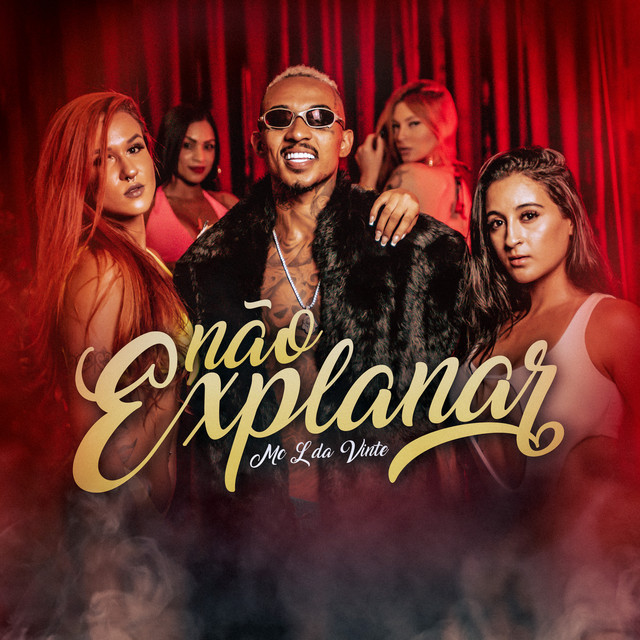
Não Explanar
MC L da Vinte
Funk De Bh
Funk Ostentação
Similar artists
4
/5
Mc Gw
Funk Brasileiro
Funk Carioca
Phonk
4
/5
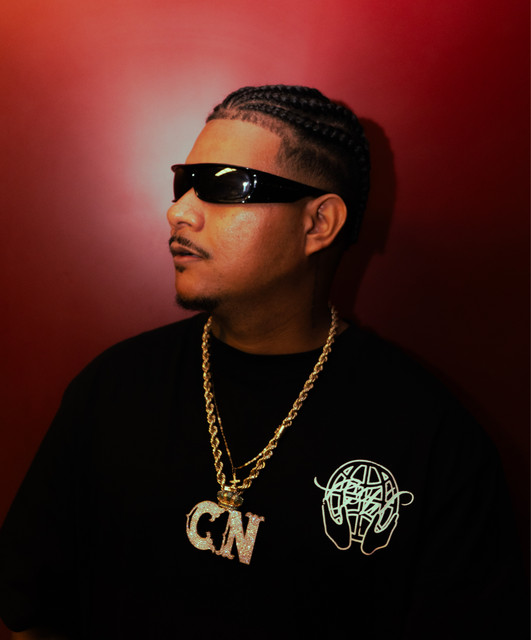
Mc Rodrigo do CN
Brazilian Trap
Funk 150 Bpm
Funk Brasileiro
4
/5
PEDRO SAMPAIO
Brazilian Pop
Brega Funk
Funk Pop
4
/5
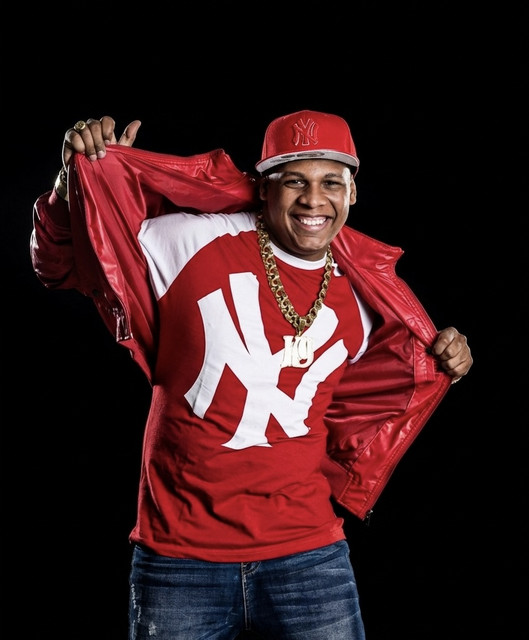
MC Kevinho
Funk Ostentação
Funk Pop
Funk Carioca
3
/5
MC K9
Funk Viral
Brazilian Trap
Funk 150 Bpm
3
/5
MC Myres
Brazilian Trap
Brega Funk
Doomshop Phonk
4
/5
Mc Morena
Brega Funk
Funk De Bh
Brazilian Trap
3
/5
VHOOR
Chill Baile
Trapfunk
Funk De Bh
4
/5
MC Rick
Funk De Bh
Brazilian Trap
Funk 150 Bpm
3
/5
Tropa do Bruxo
Funk De Bh
Brazilian Trap
Funk Brasileiro
Download our mobile app
Get the Melodigging app and start digging for new genres on the go
Download on the App Store
Get it on Google Play
© 2026 Melodigging
Give feedback
Legal
Melodding was created as a tribute to
Every Noise at Once
, which inspired us to help curious minds keep digging into music's ever-evolving genres.