Genres
Artists
Albums
Make Music
Sign in
Sign in
Artists
Classical
Artists
Classical
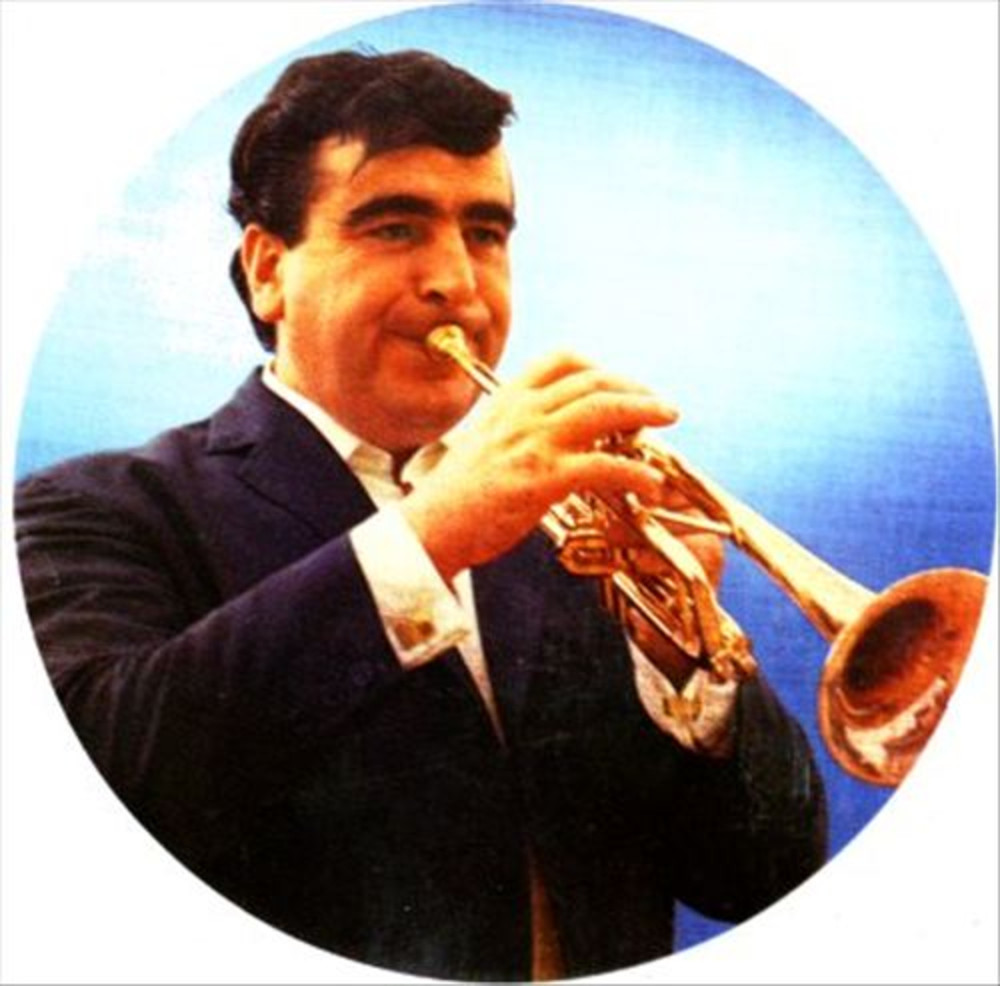
Maurice André
1963–1999
·
2 albums
Listen
2
/5
Genres
Early Avant Garde
Early avant garde refers to the first wave of radically experimental art music in the early 20th century, when composers deliberately broke with Romantic conventions of harmony, form, and timbre. It centers on innovations such as atonality and the emancipation of dissonance, fragmented and aphoristic forms, novel rhythmic organization, and an expanded conception of musical sound. Key figures explored noise, new instruments, and unconventional performance techniques, treating timbre and space as structural parameters. Movements like Viennese atonality (Schoenberg, Webern, Berg) and Italian Futurism (Russolo) coincided with French and American experiments (Satie, Varèse, Ives), together laying the foundation for modern and postwar experimental music.
Discover
Listen
Galante Era
The galante era (or galant style) describes a fashion in early‑ to mid‑18th‑century music that prized elegance, clarity, and immediately appealing melody. It arose as a reaction against the learned counterpoint and dense textures of late Baroque music, favoring tuneful, balanced phrases over intricate polyphony. Typical features include homophonic textures with a clear melody supported by simple chordal accompaniment (often Alberti‑bass figures), short antecedent–consequent phrases, regular cadences, diatonic harmony, and light, graceful ornamentation. The galant taste spread quickly through opera, instrumental chamber music, and the nascent symphony, forming a crucial bridge between the late Baroque and the Classical style of Haydn and Mozart.
Discover
Listen
Classical
Classical music is the notated art-music tradition of Europe and its global descendants, characterized by durable forms, carefully codified harmony and counterpoint, and a literate score-based practice. The term “classical” can refer broadly to the entire Western art-music lineage from the Medieval era to today, not just the Classical period (c. 1750s–1820s). It privileges long-form structures (such as symphonies, sonatas, concertos, masses, and operas), functional or modal harmony, thematic development, and timbral nuance across ensembles ranging from solo instruments to full orchestras and choirs. Across centuries, the style evolved from chant and modal polyphony to tonal harmony, and later to post-tonal idioms, while maintaining a shared emphasis on written notation, performance practice, and craft.
Discover
Listen
Albums
1999
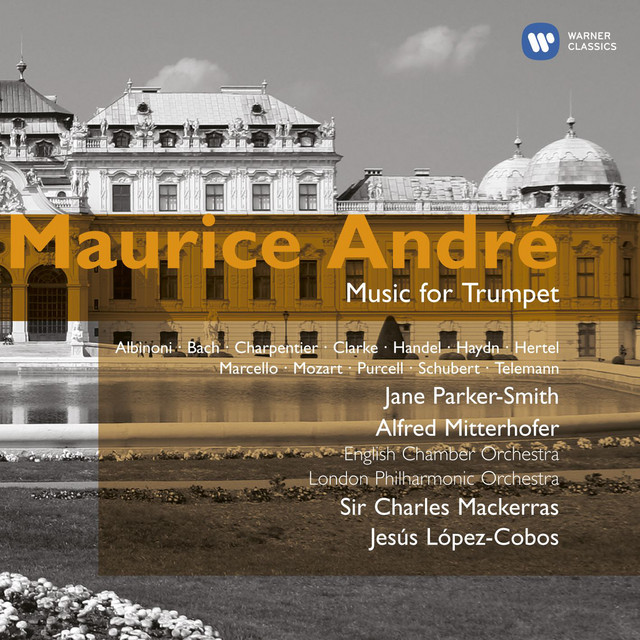
Music for Trumpet
Maurice André
Galante Era
1963
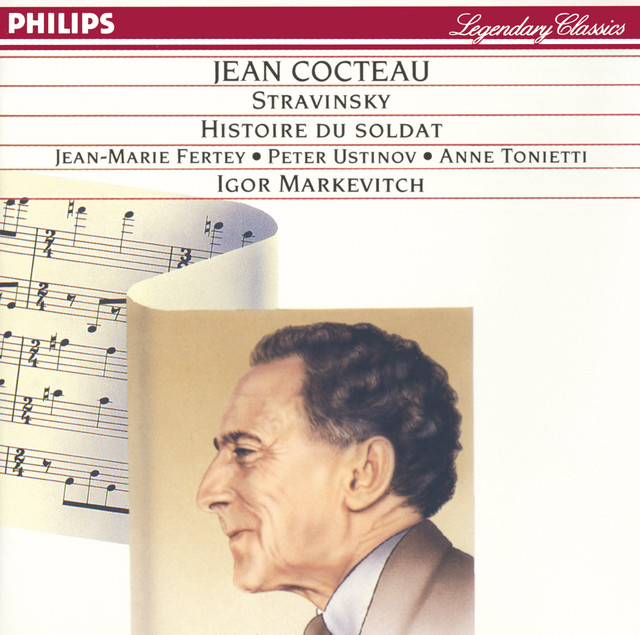
Stravinsky: The Soldier's Tale
Igor Stravinsky, Jean Cocteau, Peter Ustinov, Jean-Marie Fertey, Anne Tonietti,…
Early Avant Garde
Similar artists
4
/5
Johann Sebastian Bach
Baroque
Classical
Baroque Suite
4
/5
London Symphony Orchestra
Classical
Ballet
American Classical Piano
4
/5
Academy of St. Martin in the Fields
Baroque
Classical
Classical Performance
4
/5
London Philharmonic Orchestra
Opera
Classical
Deep Soundtrack
4
/5
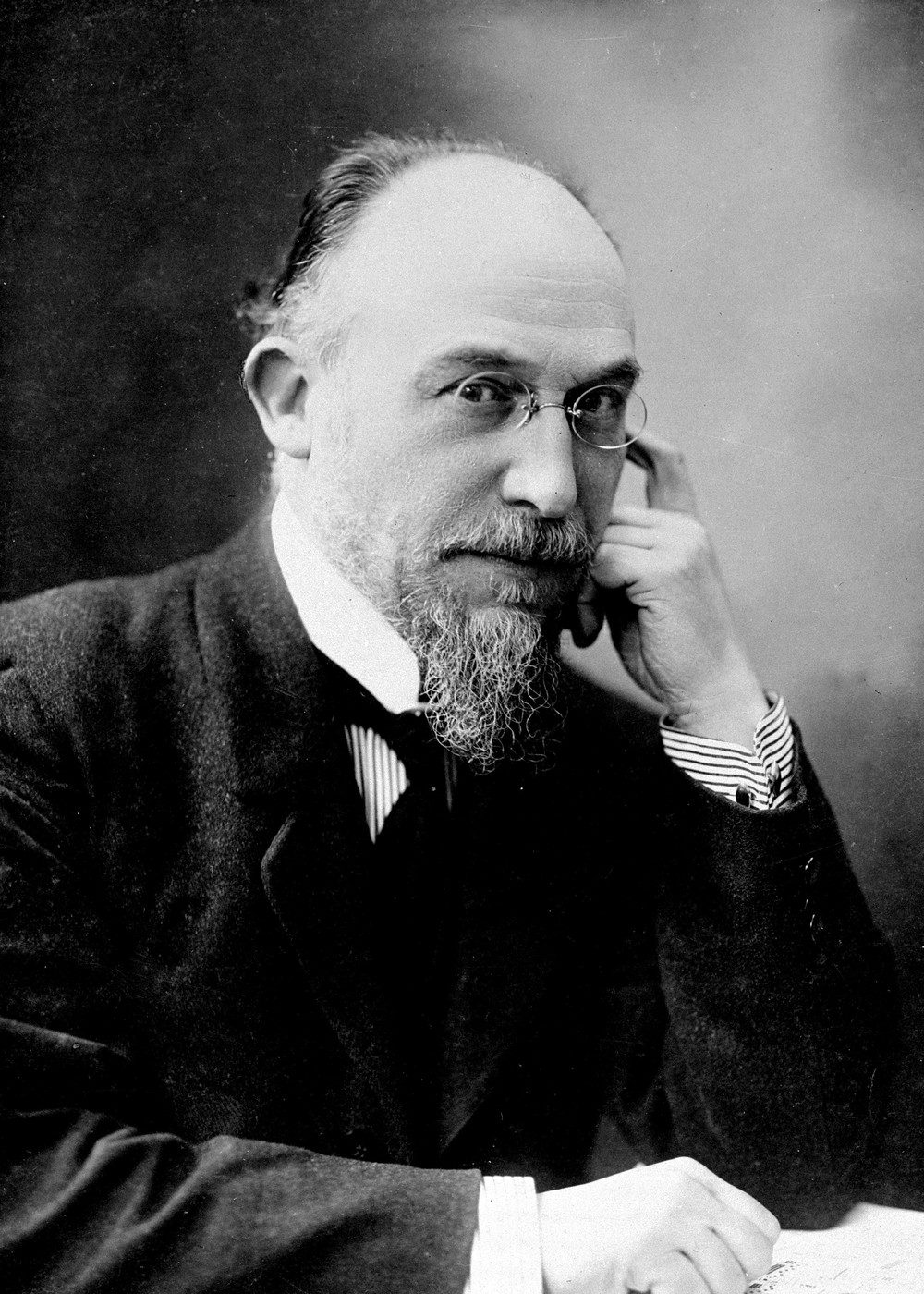
Erik Satie
Impressionism
Classical
Modern Classical
3
/5
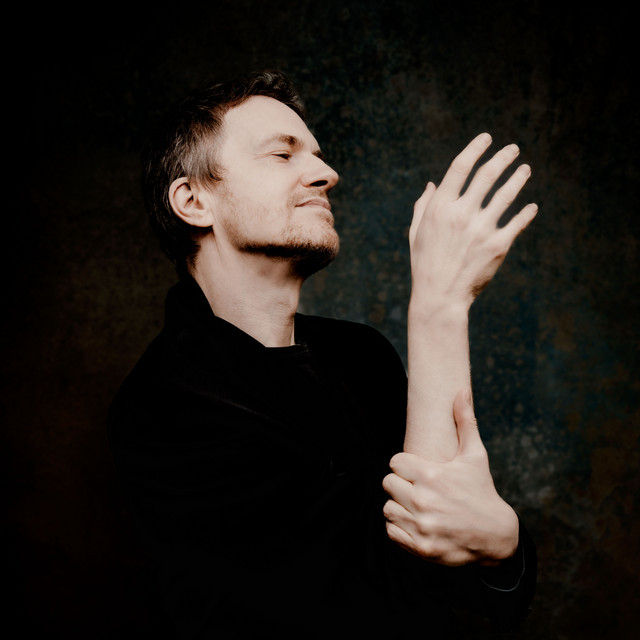
Alexandre Tharaud
Impressionism
Classical
Classical Piano
3
/5
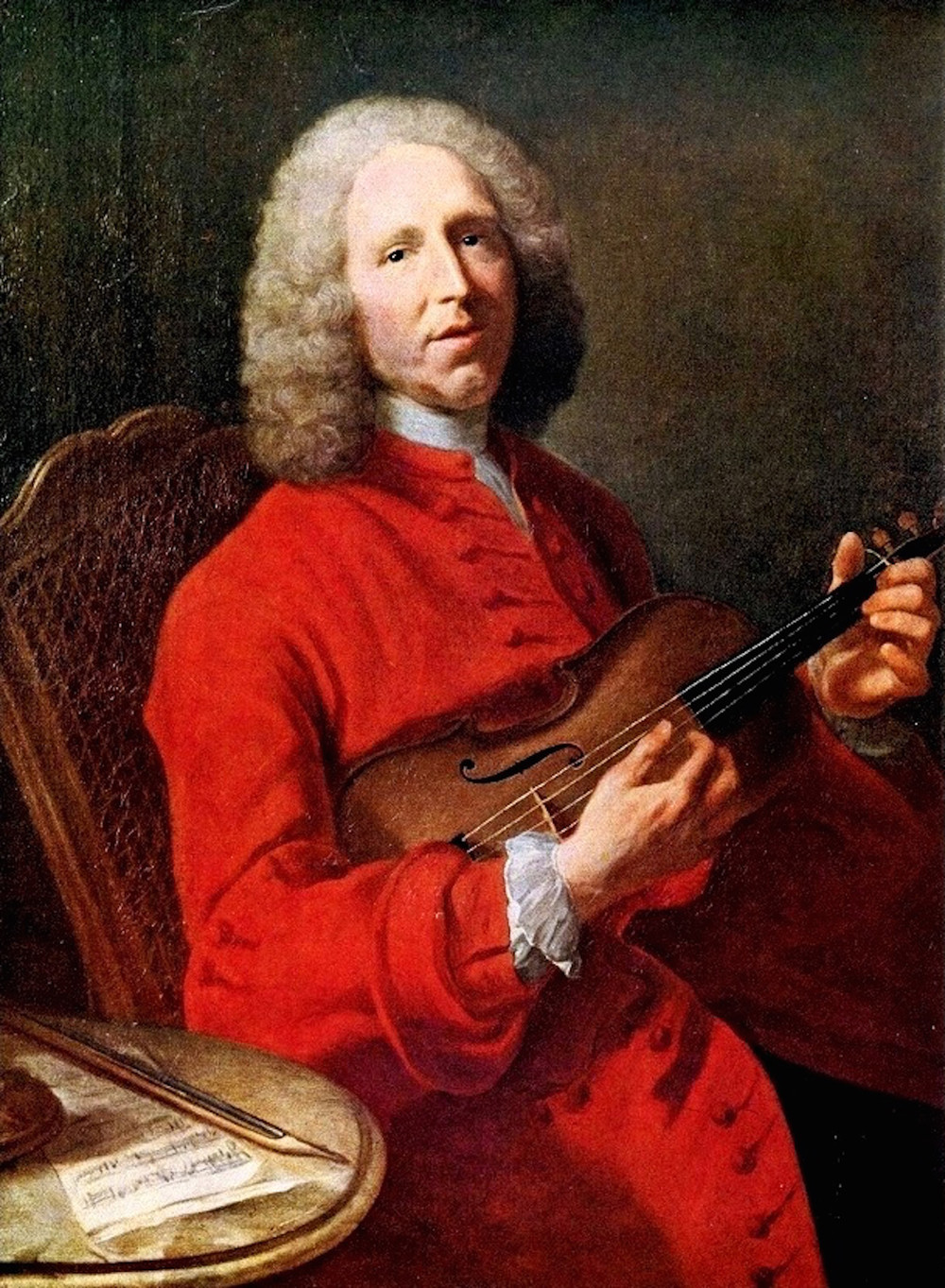
Jean-Philippe Rameau
Classical
Opera-Ballet
Tragédie En Musique
3
/5
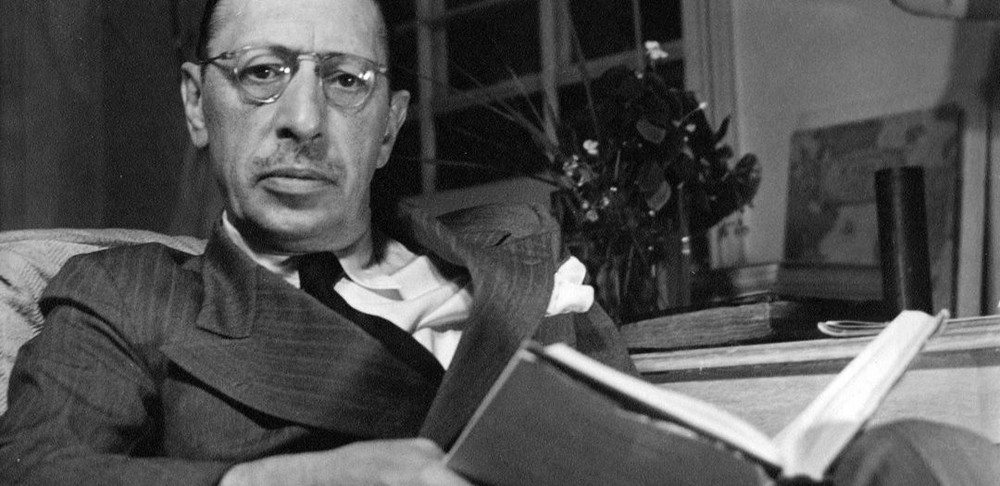
Igor Stravinsky
Ballet
Neoclassicism
Classical
3
/5
Kevin Mallon
Baroque
Classical
Early Music
3
/5
Akademie für Alte Musik Berlin
Baroque
Classical
Opera
Download our mobile app
Get the Melodigging app and start digging for new genres on the go
Download on the App Store
Get it on Google Play
© 2026 Melodigging
Give feedback
Legal
Melodding was created as a tribute to
Every Noise at Once
, which inspired us to help curious minds keep digging into music's ever-evolving genres.