Genres
Artists
Albums
Make Music
Sign in
Sign in
Artists
Baroque
Artists
Baroque
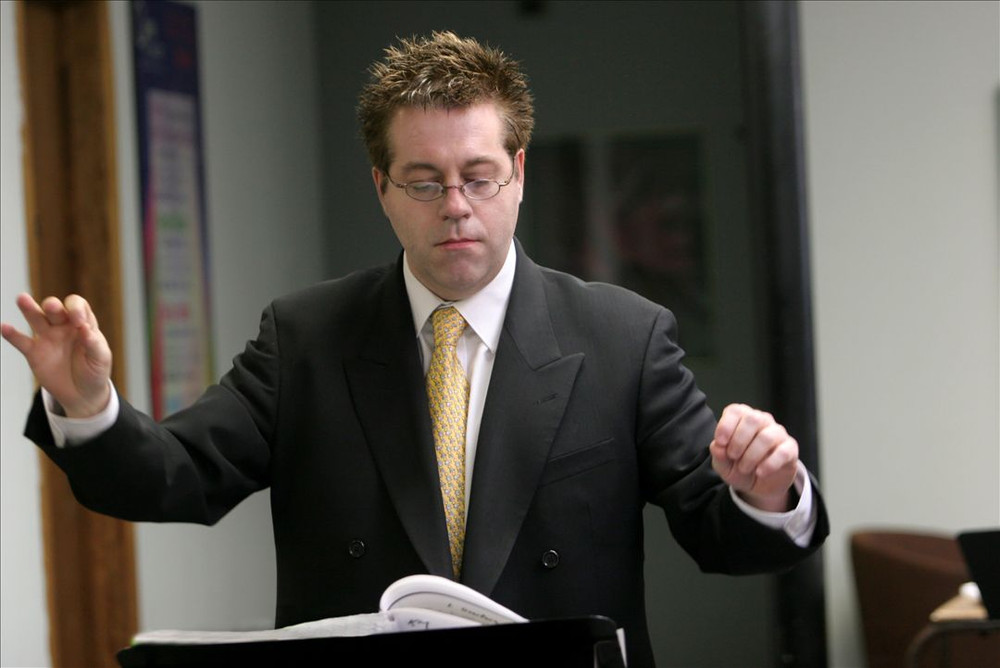
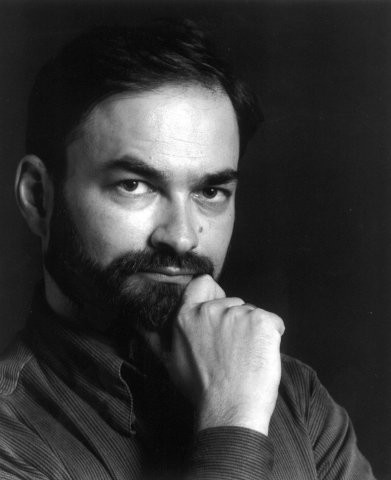
Kevin Mallon
2005–2015
·
3 albums
Listen
3
/5
Genres
Early Music
Early music is a modern performance movement devoted to the repertoire of the Medieval, Renaissance, and early Baroque eras (roughly before c. 1750), approached with historically informed performance (HIP) practices. It emphasizes period instruments (or faithful replicas), historical tunings and temperaments, original notations and sources, and performance conventions documented in treatises of the time. The sound world ranges from monophonic chant and modal organum, to intricate Renaissance polyphony, to the emergence of basso continuo and dramatic affect in the early Baroque. Rather than being a single historical style, early music is a contemporary practice of reviving diverse pre‑Classical musics with scholarly rigor and artistic vitality.
Discover
Listen
Chamber Orchestra
A chamber orchestra is a small, flexible orchestra typically ranging from about 15 to 45 musicians. It preserves the clarity and intimacy of chamber music while retaining orchestral color and range. Compared with a full symphony orchestra, it uses reduced forces—often single or paired winds and brass, a compact string body, and limited percussion—producing a transparent, agile sound. Chamber orchestras perform repertoire from the Baroque and Classical eras through to contemporary works, and they frequently revive older pieces with historically informed approaches. The format lends itself to conductor-led or conductorless performance, encouraging close ensemble listening, elegant phrasing, and finely detailed articulation.
Discover
Listen
Galante Era
The galante era (or galant style) describes a fashion in early‑ to mid‑18th‑century music that prized elegance, clarity, and immediately appealing melody. It arose as a reaction against the learned counterpoint and dense textures of late Baroque music, favoring tuneful, balanced phrases over intricate polyphony. Typical features include homophonic textures with a clear melody supported by simple chordal accompaniment (often Alberti‑bass figures), short antecedent–consequent phrases, regular cadences, diatonic harmony, and light, graceful ornamentation. The galant taste spread quickly through opera, instrumental chamber music, and the nascent symphony, forming a crucial bridge between the late Baroque and the Classical style of Haydn and Mozart.
Discover
Listen
Baroque
Baroque is a period and style of Western art music spanning roughly 1600–1750. It is characterized by the birth of functional tonality, the widespread use of basso continuo (figured bass), and a love of contrast—between soloist and ensemble, loud and soft, and different timbres. Hallmark genres and forms of the era include opera, cantata, oratorio, concerto (especially the concerto grosso), dance suite, sonata, and fugue. Textures range from expressive monody to intricate counterpoint, and melodies are richly ornamented with trills, mordents, and appoggiaturas. Baroque music flourished in churches, courts, and theaters across Europe, with regional styles (Italian, French, German, English) shaping distinctive approaches to rhythm, dance, harmony, and ornamentation.
Discover
Listen
String Orchestra
A string orchestra is an orchestral ensemble made exclusively (or almost exclusively) of bowed string instruments—first and second violins, violas, cellos, and double basses—forming a homogeneous “string choir.” Unlike full symphony orchestras, which mix winds, brass, and percussion, the string orchestra’s color palette is built from a single instrumental family. This gives it exceptional flexibility in blend, balance, and nuance: from transparent, madrigal‑like counterpoint to rich, organ‑like sonorities, and from whispering sul tasto textures to incisive martelé and spiccato rhythms. Historically rooted in the Baroque concerto grosso and early sinfonia, the string orchestra later became a favored medium for serenades, suites, and modern mini‑symphonies. Today it is equally at home in concert halls, education and youth programs, and cross‑over projects, and it remains a go‑to sound for film and media when warmth, clarity, and expressivity are desired.
Discover
Listen
Classical
Classical music is the notated art-music tradition of Europe and its global descendants, characterized by durable forms, carefully codified harmony and counterpoint, and a literate score-based practice. The term “classical” can refer broadly to the entire Western art-music lineage from the Medieval era to today, not just the Classical period (c. 1750s–1820s). It privileges long-form structures (such as symphonies, sonatas, concertos, masses, and operas), functional or modal harmony, thematic development, and timbral nuance across ensembles ranging from solo instruments to full orchestras and choirs. Across centuries, the style evolved from chant and modal polyphony to tonal harmony, and later to post-tonal idioms, while maintaining a shared emphasis on written notation, performance practice, and craft.
Discover
Listen
Albums
2015
Beck: 6 Symphonies, Op. 2
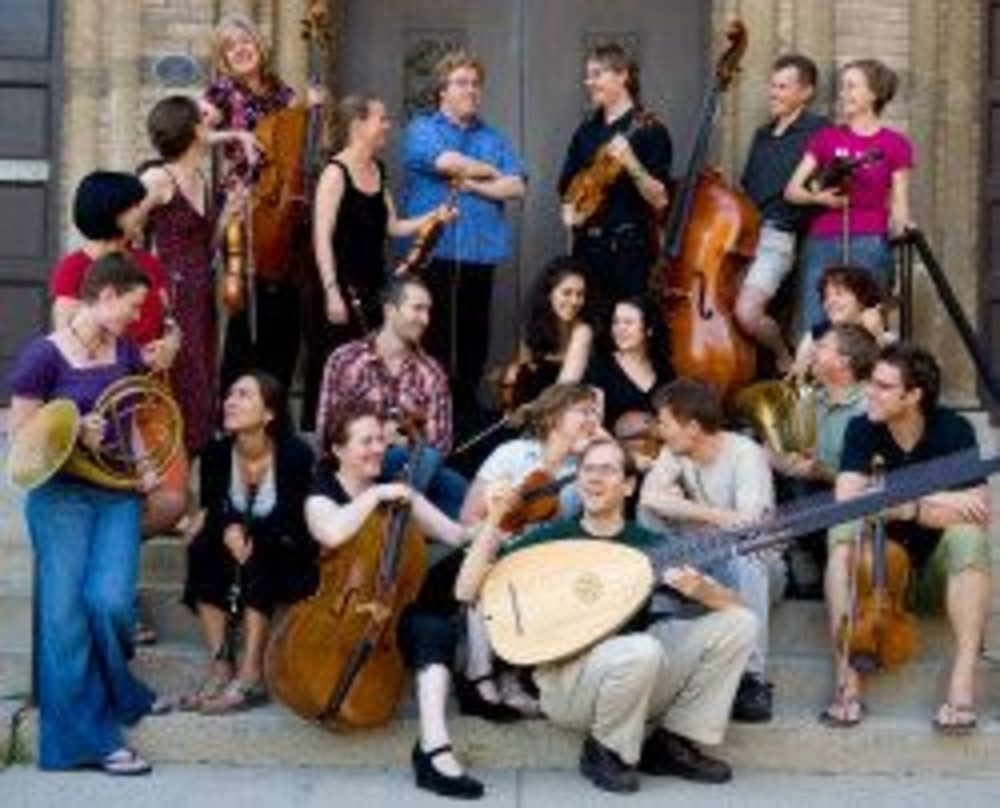
Franz Ignaz Beck, Thirteen Strings Chamber Orchestra, Kevin Mallon
String Orchestra
2006
Arnold, S.: 6 Overtures, Op. 8 / Macbeth (Incidental Music)
Samuel Arnold, Toronto Chamber Orchestra, Kevin Mallon
Chamber Orchestra
2005
Boyce: Symphonies Nos. 1-8, Op. 2
William Boyce, Aradia Ensemble, Kevin Mallon
Galante Era
Similar artists
4
/5
Johann Sebastian Bach
Baroque
Classical
Baroque Suite
4
/5
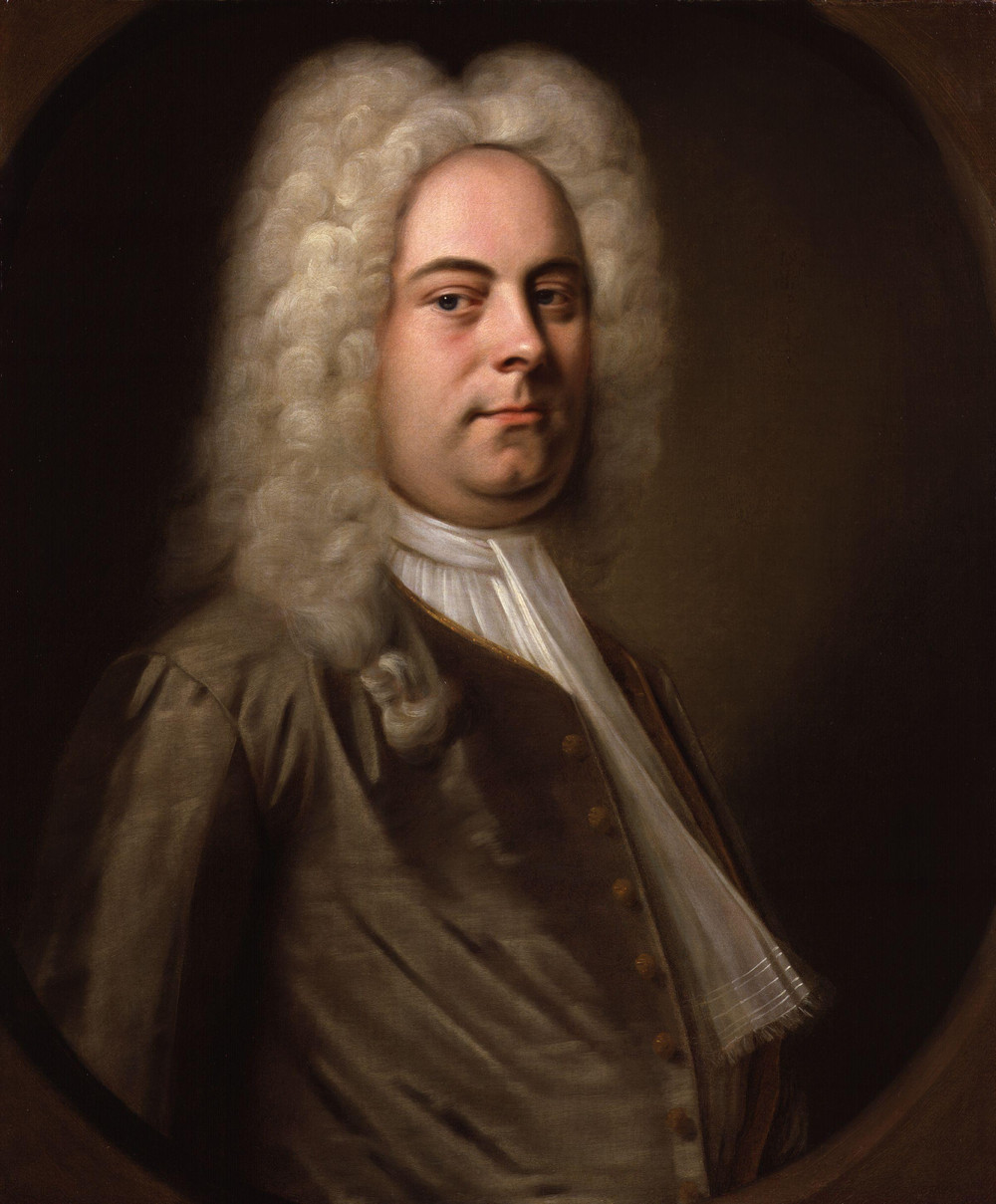
George Frideric Handel
Classical
Opera Seria
Classical Countertenor
3
/5
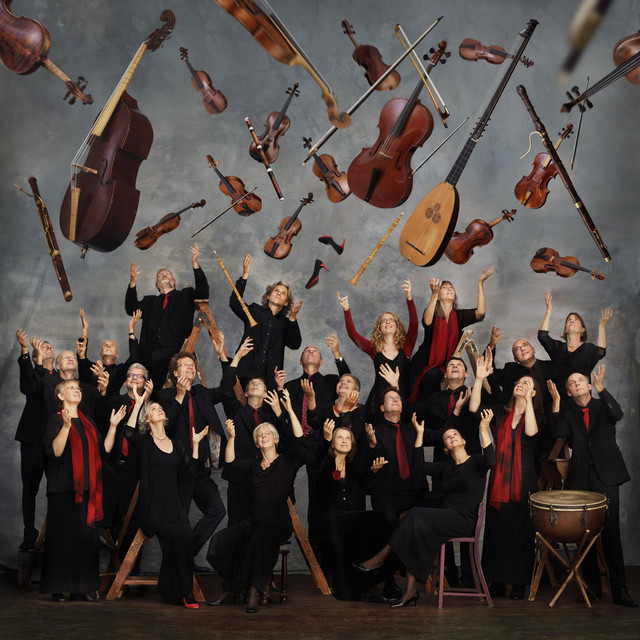
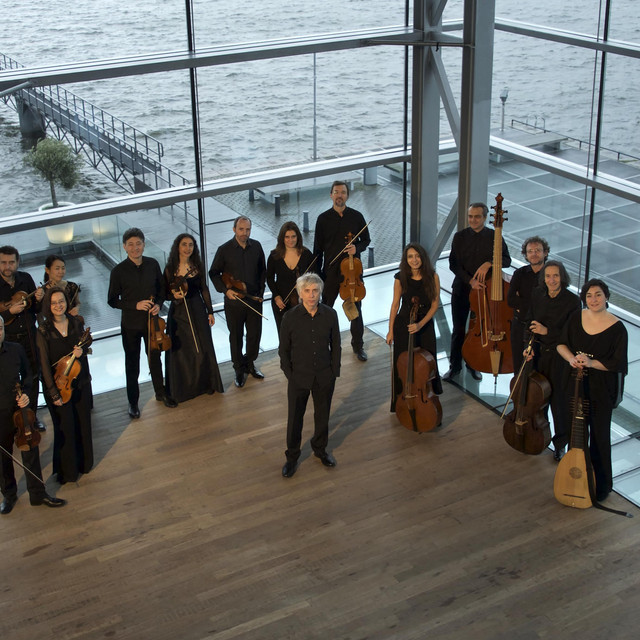
Akademie für Alte Musik Berlin
Baroque
Classical
Opera
3
/5
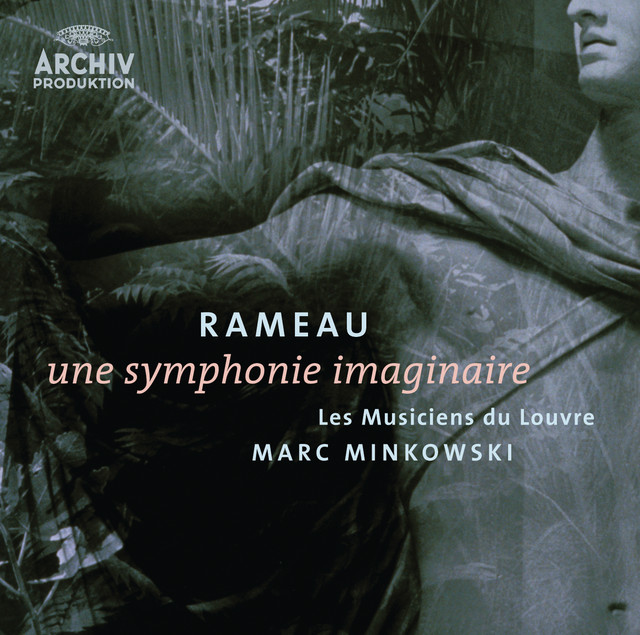
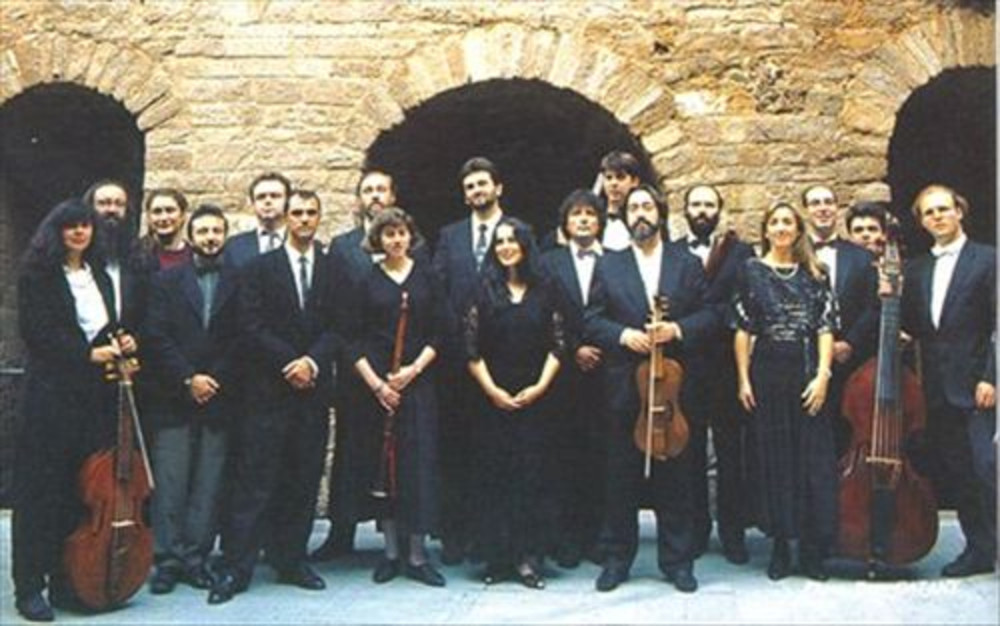
Les Musiciens du Louvre
Baroque
Classical
Opera
3
/5
Andreas Scholl
Baroque
Classical
Cantata
3
/5
Aradia Ensemble
Baroque
Classical
Early Music
2
/5
Christophe Coin
Baroque
Baroque Cello
Chamber Music
3
/5
Il Giardino Armonico
Baroque
Classical
Opera
2
/5
Hespèrion XXI
Renaissance
Baroque
Medieval
4
/5
Academy of St. Martin in the Fields
Baroque
Classical
Classical Performance
Download our mobile app
Get the Melodigging app and start digging for new genres on the go
Download on the App Store
Get it on Google Play
© 2026 Melodigging
Give feedback
Legal
Melodding was created as a tribute to
Every Noise at Once
, which inspired us to help curious minds keep digging into music's ever-evolving genres.