Genres
Artists
Albums
Make Music
Sign in
Sign in
Artists
Chamber Jazz
Artists
Chamber Jazz
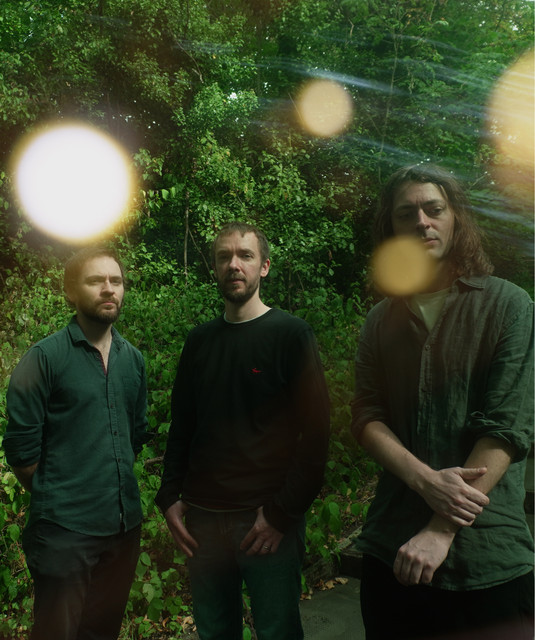
Mammal Hands
2016–2017
·
2 albums
Listen
3
/5
Genres
Indie Jazz
Indie jazz blends the improvisational language and harmonic richness of jazz with the songwriting, aesthetics, and DIY production ethos of indie rock and indie pop. It favors intimate, groove-oriented ensembles, accessible melodies, and textural experimentation over virtuosic display alone, often incorporating ambient electronics, hip hop rhythms, and post‑rock dynamics. The result is a contemporary, listener-friendly sound that keeps jazz harmony and improvisation at its core while embracing indie sensibilities in arrangement, tone, and mood.
Discover
Listen
Nu Jazz
Nu jazz is a late-1990s movement that blends contemporary electronic production with the improvisational language and harmony of jazz. It keeps jazz’s extended chords, modal colors, and live soloing, but places them over programmed beats, sampled textures, and synth-driven arrangements. Typical tracks feature warm Rhodes or piano voicings, roomy horns, and deep bass sitting alongside house, broken beat, or downtempo grooves. The result is music that feels both club-ready and listening-focused, bridging intimate jazz sensibilities with modern electronic sound design.
Discover
Listen
Contemporary Jazz
Contemporary jazz is an umbrella term for post-1970 jazz that absorbs advances from post‑bop, fusion, free jazz, modern classical, and global traditions while retaining the core values of improvisation and interaction. It favors a flexible rhythmic feel (from straight‑8 to polyrhythms), modal and post‑tonal harmony, and a producer’s ear for space, texture, and sound design. Unlike earlier era labels tied to a single movement, contemporary jazz denotes a living, evolving practice. It ranges from intimate acoustic trios to electronics‑enhanced ensembles, often using odd meters, ambient timbres, and song forms that move beyond the 32‑bar standard. The result is a wide spectrum—from lyrical, ECM‑influenced spaciousness to groove‑forward, rhythmically intricate music influenced by funk and world traditions.
Discover
Listen
Chamber Jazz
Chamber jazz is a refined, small-ensemble approach to jazz that borrows the intimacy, timbral palette, and structural thinking of classical chamber music. Instead of big-band power or hard-swinging virtuosic displays, it prioritizes subtle dynamics, contrapuntal lines, and carefully shaped arrangements. Typical instrumentation includes piano, vibraphone, guitar, double bass, light percussion, and at times strings or woodwinds. Improvisation remains central, but solos are restrained, conversational, and integrated into composed frameworks. The overall sound is spacious, lyrical, and acoustically focused—frequently closer to the volume and precision of a chamber group than to a club combo. Historically adjacent to cool jazz and Third Stream, the style was later deepened by the ECM label’s spacious production aesthetic, which emphasized silence, resonance, and a modern classical sensibility. The result is music that can feel calm and contemplative without losing jazz’s harmonic depth and rhythmic subtlety.
Discover
Listen
Jazz
Jazz is an improvisation-centered music tradition that emerged from African American communities in the early 20th century. It blends blues feeling, ragtime syncopation, European harmonic practice, and brass band instrumentation into a flexible, conversational art. Defining features include swing rhythm (a triplet-based pulse), call-and-response phrasing, blue notes, and extended harmonies built on 7ths, 9ths, 11ths, and 13ths. Jazz is as much a way of making music—spontaneous interaction, variation, and personal sound—as it is a set of forms and tunes. Across its history, jazz has continually hybridized, from New Orleans ensembles and big-band swing to bebop, cool and hard bop, modal and free jazz, fusion, and contemporary cross-genre experiments. Its influence permeates global popular and art music.
Discover
Listen
Instrumental
Instrumental is music created and performed without sung lyrics, placing the expressive weight on melody, rhythm, harmony, and timbre produced by instruments. As an umbrella practice it appears in many cultures, but its modern identity cohered in Baroque-era Europe when purely instrumental forms such as the sonata, concerto, and dance suites began to flourish. Since then, instrumental thinking—developing motives, structuring form without text, and showcasing timbral contrast—has informed everything from orchestral music and solo piano repertoire to post-rock, film scores, and beat-driven electronic styles. Instrumental works can be intimate (solo or chamber) or expansive (full orchestra), narrative (programmatic) or abstract (absolute music). The absence of lyrics invites listeners to project imagery and emotion, making the style a natural fit for cinema, games, and contemplative listening.
Discover
Listen
Albums
2017
1
/5
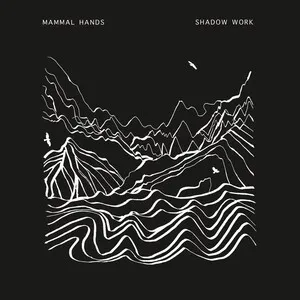
Shadow Work
Mammal Hands
Chamber Jazz
2016
1
/5
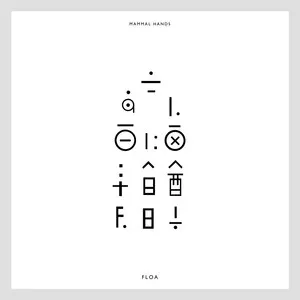
Floa
Mammal Hands
Chamber Jazz
Similar artists
3
/5
Alfa Mist
Jazz
New London Jazz
Experimental Club Music
3
/5
Matthew Halsall
Jazz
Ambient
Classical
3
/5
GoGo Penguin
Modern Jazz Trio
Contemporary Jazz
Jazz
3
/5
Nubya Garcia
Jazz
New London Jazz
Indie Jazz
2
/5
Christian Scott aTunde Adjuah
Contemporary Jazz
Indie Jazz
Jazz
2
/5
Makaya McCraven
Contemporary Jazz
Jazz
Free Jazz
2
/5
Yussef Kamaal
Jazz
Jazz-Funk
New London Jazz
2
/5
Ill Considered
New London Jazz
Free Jazz
Jazz
3
/5
Portico Quartet
Contemporary Jazz
Nu Jazz
Jazz
3
/5
Yussef Dayes
Jazz Fusion
New London Jazz
Indie Soul
Download our mobile app
Get the Melodigging app and start digging for new genres on the go
Download on the App Store
Get it on Google Play
© 2026 Melodigging
Give feedback
Legal
Melodding was created as a tribute to
Every Noise at Once
, which inspired us to help curious minds keep digging into music's ever-evolving genres.