Genres
Artists
Albums
Make Music
Sign in
Sign in
Artists
New London Jazz
Artists
New London Jazz
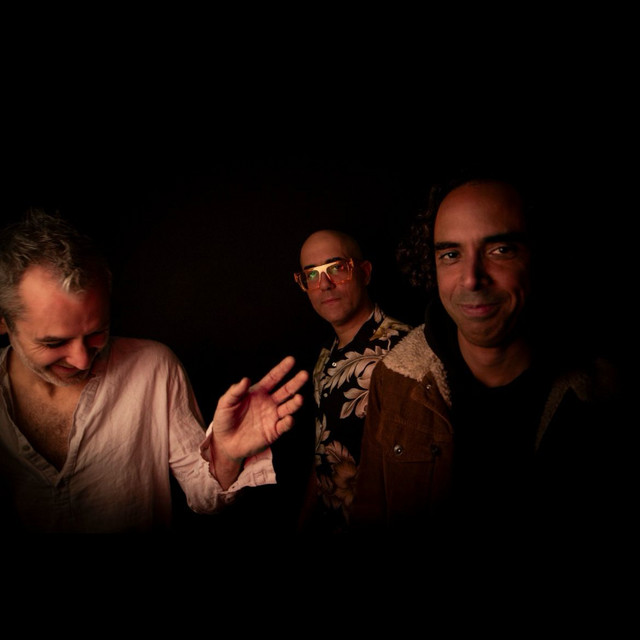
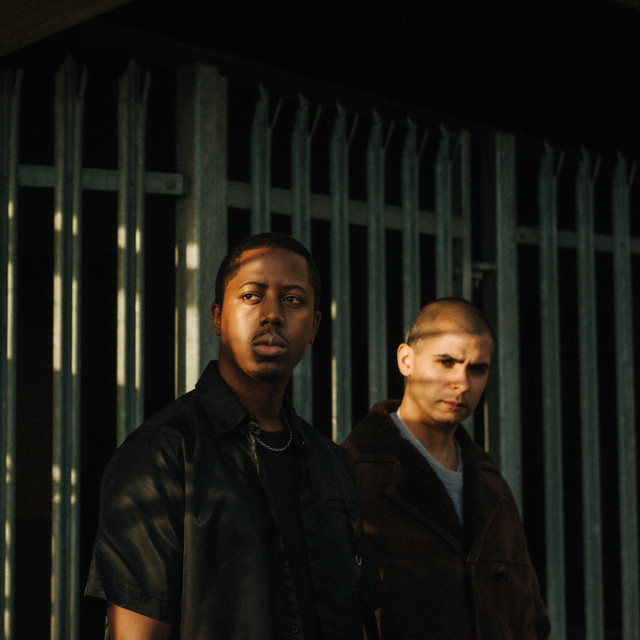
Ill Considered
2017–2025
·
6 albums
Listen
2
/5
Genres
New London Jazz
New London Jazz is a contemporary jazz movement centered in London that fuses classic jazz language with Afro-diasporic rhythms, UK club culture, and DIY community energy. It is characterized by polyrhythmic drumming, strong bass foundations drawn from sound‑system culture, concise melodic hooks for horns, and open, riff‑based vamps that invite collective improvisation. Aesthetically it sits between spiritual jazz, afrobeat/highlife grooves, broken beat and hip hop, often performed with the immediacy of a live dance set while retaining the harmonic curiosity of modern jazz. Grassroots platforms such as Tomorrow’s Warriors, Jazz re:freshed, Steam Down, Church of Sound, and the Total Refreshment Centre incubated the scene, while labels and curators like Brownswood amplified it globally.
Discover
Listen
Indie Jazz
Indie jazz blends the improvisational language and harmonic richness of jazz with the songwriting, aesthetics, and DIY production ethos of indie rock and indie pop. It favors intimate, groove-oriented ensembles, accessible melodies, and textural experimentation over virtuosic display alone, often incorporating ambient electronics, hip hop rhythms, and post‑rock dynamics. The result is a contemporary, listener-friendly sound that keeps jazz harmony and improvisation at its core while embracing indie sensibilities in arrangement, tone, and mood.
Discover
Listen
Nu Jazz
Nu jazz is a late-1990s movement that blends contemporary electronic production with the improvisational language and harmony of jazz. It keeps jazz’s extended chords, modal colors, and live soloing, but places them over programmed beats, sampled textures, and synth-driven arrangements. Typical tracks feature warm Rhodes or piano voicings, roomy horns, and deep bass sitting alongside house, broken beat, or downtempo grooves. The result is music that feels both club-ready and listening-focused, bridging intimate jazz sensibilities with modern electronic sound design.
Discover
Listen
Dark Jazz
Dark jazz is a moody, slow-burning strain of jazz that blends late-night noir atmospheres with ambient, drone, and doom-influenced pacing. It favors minimal harmony, cavernous reverbs, and an emphasis on space and texture over virtuosic solos. Smoky saxophones, bowed double bass, brushed drums, piano or Rhodes, vibraphone, and guitars drenched in delay are common timbral anchors. Rather than bebop’s momentum or swing’s buoyancy, dark jazz lingers on hushed dynamics and sustained tones, creating a cinematic, often melancholic aura reminiscent of urban rain, deserted streets, and after-hours solitude.
Discover
Listen
Contemporary Jazz
Contemporary jazz is an umbrella term for post-1970 jazz that absorbs advances from post‑bop, fusion, free jazz, modern classical, and global traditions while retaining the core values of improvisation and interaction. It favors a flexible rhythmic feel (from straight‑8 to polyrhythms), modal and post‑tonal harmony, and a producer’s ear for space, texture, and sound design. Unlike earlier era labels tied to a single movement, contemporary jazz denotes a living, evolving practice. It ranges from intimate acoustic trios to electronics‑enhanced ensembles, often using odd meters, ambient timbres, and song forms that move beyond the 32‑bar standard. The result is a wide spectrum—from lyrical, ECM‑influenced spaciousness to groove‑forward, rhythmically intricate music influenced by funk and world traditions.
Discover
Listen
Jazz Fusion
Jazz fusion (often simply called "fusion") blends the improvisational language and harmonic richness of jazz with the amplified instruments, grooves, and song forms of rock, funk, and R&B. It typically features electric guitars, electric bass or fretless bass, Rhodes electric piano, clavinet, analog and digital synthesizers, and a drum kit playing backbeat- and syncopation-heavy patterns. Hallmarks include extended chords and modal harmony, complex and shifting meters, brisk unison lines, virtuosic improvisation, and a production aesthetic that embraces effects processing and studio craft. The style ranges from fiery, aggressive workouts to polished, atmospheric textures, often within the same piece. Emerging in the late 1960s and flourishing through the 1970s, jazz fusion became a bridge between jazz audiences and rock/funk listeners, shaping later styles such as jazz-funk, smooth jazz, nu jazz, and parts of progressive and technical rock/metal.
Discover
Listen
Free Jazz
Free jazz is a radical branch of jazz that rejects fixed chord progressions, strict meter, and conventional song forms in favor of collective improvisation, textural exploration, and spontaneous interaction. Musicians prioritize timbre, dynamics, and gesture as much as pitch and harmony, often using extended techniques (multiphonics, overblowing, prepared piano) and unconventional sounds. While rooted in the blues and earlier jazz vocabularies, free jazz frees improvisers from pre-set harmonic cycles, allowing lines to unfold over tonal centers, shifting modes, drones, or complete atonality. Rhythm sections may float without a steady pulse, or drive with layered polyrhythms and “energy playing.” The result ranges from contemplative soundscapes to cathartic, high-intensity eruptions. Culturally, the genre intersected with the civil rights era and broader avant-garde movements, emphasizing autonomy, community, and new possibilities for musical expression.
Discover
Listen
Jazz
Jazz is an improvisation-centered music tradition that emerged from African American communities in the early 20th century. It blends blues feeling, ragtime syncopation, European harmonic practice, and brass band instrumentation into a flexible, conversational art. Defining features include swing rhythm (a triplet-based pulse), call-and-response phrasing, blue notes, and extended harmonies built on 7ths, 9ths, 11ths, and 13ths. Jazz is as much a way of making music—spontaneous interaction, variation, and personal sound—as it is a set of forms and tunes. Across its history, jazz has continually hybridized, from New Orleans ensembles and big-band swing to bebop, cool and hard bop, modal and free jazz, fusion, and contemporary cross-genre experiments. Its influence permeates global popular and art music.
Discover
Listen
Show all 8 genres
Albums
2025
1
/5
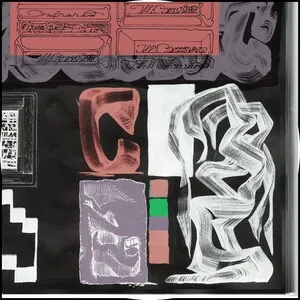
Balm
Ill Considered
Dark Jazz
2024
1
/5
Emergence
Ill Considered & Rob Lewis
New London Jazz
2024
1
/5
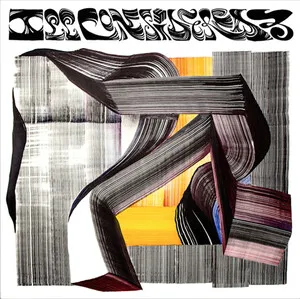
Infrared
Ill Considered
New London Jazz
2021
1
/5
Liminal Space
Ill Considered
New London Jazz
Contemporary Jazz
Free Jazz
2020
1
/5
Ill Considered 3
Ill Considered
New London Jazz
2017
1
/5
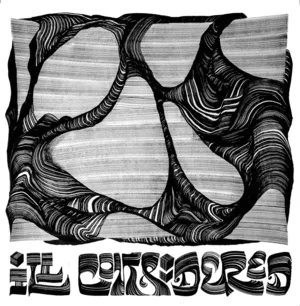
Ill Considered
Ill Considered
New London Jazz
Similar artists
1
/5
Binker and Moses
Free Jazz
Jazz
New London Jazz
2
/5
Yazz Ahmed
Jazz
New London Jazz
Arabic Jazz
3
/5
Alfa Mist
Jazz
New London Jazz
Experimental Club Music
2
/5
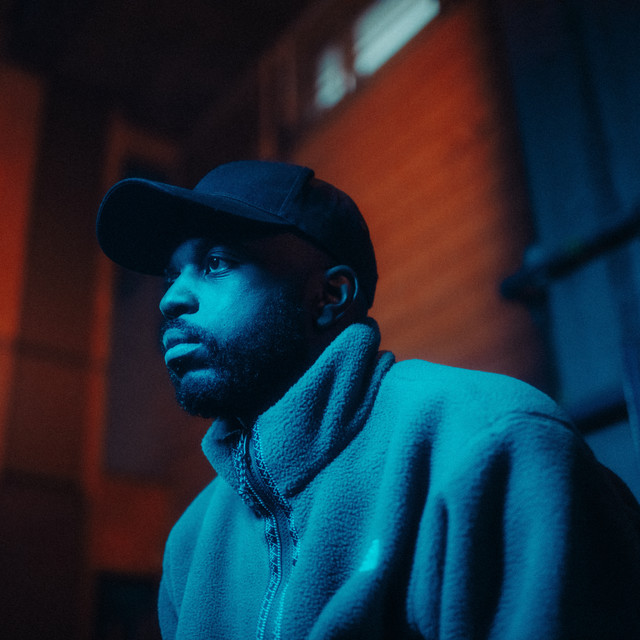
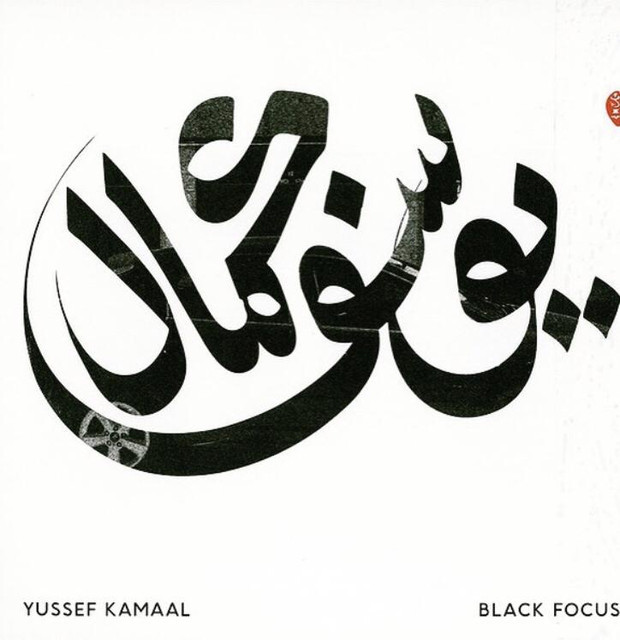
Yussef Kamaal
Jazz
Jazz-Funk
New London Jazz
3
/5
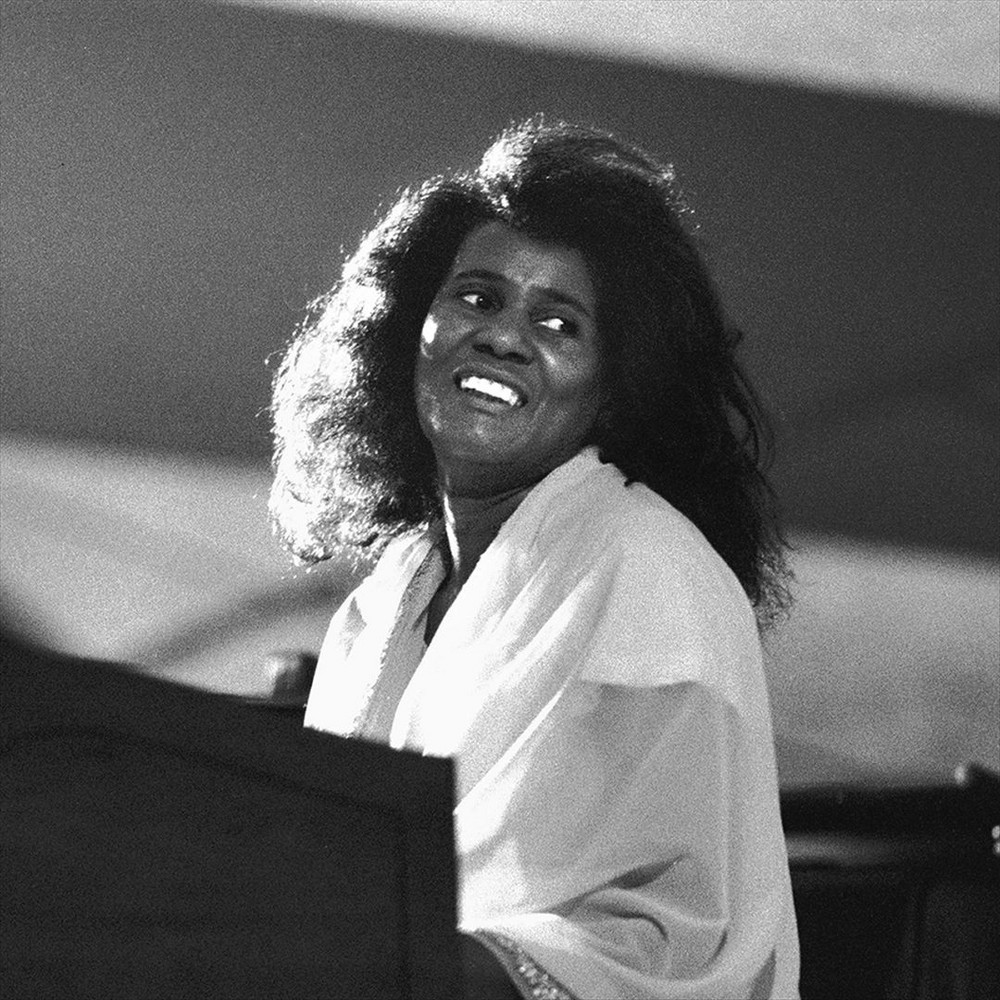
Alice Coltrane
Jazz
Free Jazz
Spiritual Jazz
3
/5
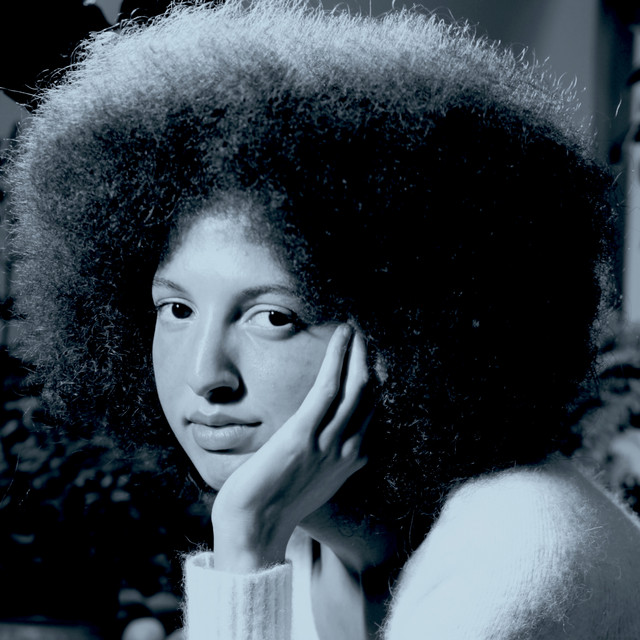
Nala Sinephro
Ambient
New London Jazz
Nu Jazz
2
/5
Shabaka and the Ancestors
New London Jazz
Free Jazz
Indie Jazz
3
/5
Snarky Puppy
Contemporary Jazz
Jazz
Funk Rock
3
/5
GoGo Penguin
Modern Jazz Trio
Contemporary Jazz
Jazz
2
/5
Makaya McCraven
Contemporary Jazz
Jazz
Free Jazz
Download our mobile app
Get the Melodigging app and start digging for new genres on the go
Download on the App Store
Get it on Google Play
© 2026 Melodigging
Give feedback
Legal
Melodding was created as a tribute to
Every Noise at Once
, which inspired us to help curious minds keep digging into music's ever-evolving genres.