Genres
Artists
Albums
Make Music
Sign in
Sign in
Artists
Afrobeats
Artists
Afrobeats
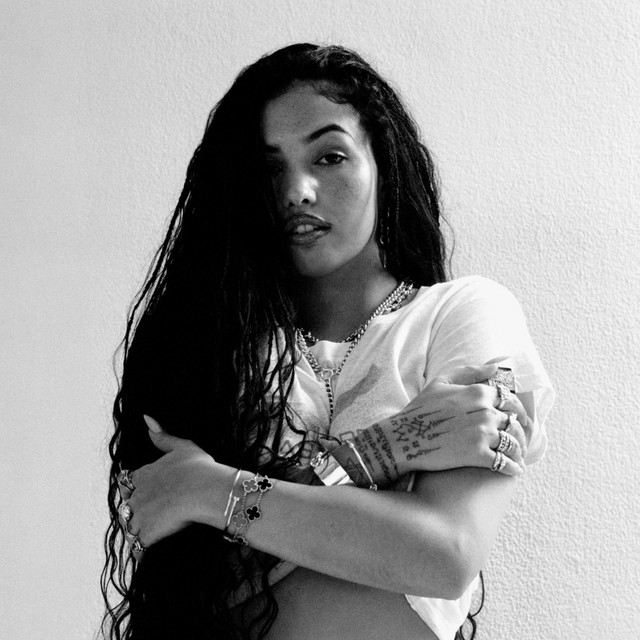
Mabel
Listen
4
/5
Genres
Gym Phonk
Gym phonk is a high-energy, modern offshoot of phonk that is tailored for workout edits, lifting montages, and short‑form video clips. It merges the gritty, lo‑fi Memphis rap sampling of classic phonk with the clipped, overdriven bass, cowbell leads, and fast tempos popularized by drift phonk. Producers aim for immediate impact: hard 808 slides, distorted low end, and chant‑like vocal chops are arranged for quick drops and clear, repeatable hooks. Compared to earlier, moodier phonk, gym phonk emphasizes intensity and propulsion—often sitting around 150–170 BPM—and frequently draws from a 4‑on‑the‑floor “phonk house” feel or a halftime trap bounce. The sound went viral across TikTok, YouTube, and gym playlists, driven by Russian/Eastern European and global producers who optimized the style for heavy training and motivational edits.
Discover
Listen
Afrobeats
Afrobeats (plural) is a contemporary West African pop umbrella that blends indigenous Nigerian and Ghanaian rhythms with global Black music—especially dancehall, hip hop, R&B, and highlife. Typical tracks sit in the mid‑tempo 95–115 BPM range and feature syncopated, polyrhythmic drum programming (shakers, rimshots, congas, talking drum), rubbery sub‑bass lines, bright synths, and guitar licks that recall highlife. Vocals are melodic and hook‑driven, often delivered in a fluid mix of English, Nigerian Pidgin, Yoruba, Twi, or other local languages, with call‑and‑response refrains tailored for dance floors. Distinct from Fela Kuti’s Afrobeat (singular), Afrobeats prioritizes songcraft, club‑ready grooves, and pop structures. It travels easily across diasporas, seamlessly absorbing UK club influences and Caribbean cadence while maintaining unmistakably West African rhythmic DNA.
Discover
Listen
Aussie Drill
Aussie drill is the Australian take on drill rap, fusing the dark, minor‑key production and sliding 808s of UK drill with local slang, Pacific Islander and Western Sydney street culture, and distinctly Australian accents. Typical tracks sit around 135–145 BPM, with syncopated hi‑hats, counter‑snares, and gliding 808 basslines beneath ominous piano, string, or choral stabs. Vocals are baritone‑leaning, aggressive, and often chanted by crews, with call‑and‑response ad‑libs and postcode shout‑outs that emphasize group identity and territorial pride. Lyrically, the style centers on loyalty, everyday struggles, rivalry, and social realities, but also includes aspirational and reflective moments. The sound rose quickly via YouTube and streaming platforms in the late 2010s, turning local crews into national talking points while drawing scrutiny from authorities and mainstream media.
Discover
Listen
Deep Big Room
Deep big room is a hybrid branch of EDM that fuses the stadium-scale drops and arrangement of big‑room house with the warmer timbres, deeper basslines, and more groove‑led sensibilities of deep/progressive house. Instead of the piercing supersaw leads and maximalist claps typical of early‑2010s main‑stage tracks, deep big room favors chunky, sidechained low‑end, percussive toplines, filtered plucks, organ/piano stabs, and longer, moodier breakdowns. The result is music that still “hits” on large systems but reads less abrasive—more rolling, hypnotic, and groove‑centric—while retaining crowd‑moving build/drop architecture.
Discover
Listen
Experimental Club Music
Experimental club music (often called post-club or deconstructed club) is a hybrid, avant‑garde approach to club production and performance that treats the dancefloor as a laboratory. It uses the grammar of contemporary club forms—heavy sub‑bass, kick patterns, samples, MC or chopped vocals—as raw material to be cut apart, collaged, and reassembled. Instead of four‑to‑the‑floor regularity, it favors asymmetry, abrupt contrasts, negative space, and extreme sound design drawn from noise, industrial, grime, ballroom/vogue, reggaeton, and internet culture. The result ranges from skeletal, percussive workouts to dense, cinematic soundscapes that can be as confrontational as they are cathartic. Just as importantly, the scene has been a site of diasporic, queer, and trans expression, where identity and politics are embedded in sonic choices and performance practice.
Discover
Listen
Pop Edm
Pop EDM (often written as pop-EDM) is a crossover style that fuses the song-centric writing, hooks, and structure of mainstream pop with the sound design, drops, and production techniques of modern electronic dance music. It typically features verse–pre‑chorus–chorus forms, radio-friendly toplines, and polished vocals, but replaces a traditional instrumental chorus with an EDM-style drop built from synth leads, vocal chops, or rhythmic bass. Tempos commonly range from 100–128 BPM, with harmonic language that favors diatonic, feel‑good progressions and bright, euphoric timbres. Commercially oriented and festival‑compatible, pop EDM is designed to work on both radio/streaming and the dancefloor, prioritizing memorable hooks, high-impact drops, and a glossy, sidechained mix.
Discover
Listen
Pop Urbaine
Pop urbaine is a French mainstream pop style that blends contemporary R&B, hip hop, Afrobeats, dancehall, zouk, raï, and reggaeton with chart‑friendly songwriting. It emphasizes melodic hooks, mid‑tempo grooves, and sleek vocal production (often with Auto‑Tune) while foregrounding everyday, romantic, and nightlife themes in colloquial French. Rhythmically it favors syncopated Afro‑Caribbean patterns, sparse but bouncy 808 drums, and light guitar or synth plucks, creating a buoyant, danceable feel without the aggressiveness of club music. Vocals typically alternate between sung refrains and rap‑influenced verses, with catchy refrains designed for streaming and social media virality. The genre became a defining sound of French popular culture in the late 2010s, driven by a new generation of Francophone artists with diasporic roots who globalized French pop while keeping its language and local slang at the center.
Discover
Listen
Ukg Revival
UKG revival refers to the modern resurgence of UK garage (UKG) aesthetics after the style’s early‑2000s decline. It recasts classic 2‑step swing, rubbery sub‑bass, chopped R&B vocals, and organ/piano stabs with contemporary production, club formats, and pop sensibilities. Typical tracks sit around 128–135 BPM, with syncopated, skippy drum programming and swung hi‑hats, soulful chord colors, and prominent, rolling basslines. The revival often blends speed‑garage grit, bassline energy, and house polish, while borrowing contemporary topline writing and social‑media‑driven hooks for wider crossover appeal. Culturally, the movement connects today’s audiences to late‑’90s/early‑’00s UKG heritage (pirate radio, MC culture, and champagne‑garage euphoria) through fresh artists, labels, and events that foreground inclusivity, DIY distribution, and festival‑ready anthems.
Discover
Listen
Future House
Future house is a mid‑2010s strain of house music known for rubbery, plucked bass leads, clean and punchy drums, and streamlined, drop‑focused arrangements. It bridges the groove and warmth of deep/UK house with the sheen and impact of big‑room/electro‑house, often featuring metallic or organ‑like bass timbres that “speak” melodically. Typical tracks sit around 124–128 BPM, use tight sidechain compression for a pumping feel, and contrast sparse, atmospheric breakdowns with hooky, syncopated bass drops. Vocals, when present, are concise—often chopped or pitched—and the sound design emphasizes clarity, swing, and a modern, club‑ready polish.
Discover
Listen
Beats
Beats is a loose, producer-driven category for rhythm-forward instrumentals built around hip‑hop drum patterns without necessarily being rap songs or featuring vocals. It functions as an umbrella for stock, "type," and backing tracks used by rappers, singers, streamers, and content creators, spanning boom‑bap swing to trap hi‑hat grids and R&B‑leaning grooves. On streaming platforms it often appears as standalone instrumentals packaged by tempo, mood, or artist style (e.g., “trap type beat,” “R&B instrumental,” “club beat”), prioritizing portability and utility over artist identity. While rooted in hip‑hop production aesthetics—kicks, snares, 808s, chopped samples—Beats blends downtempo, electronic, and contemporary R&B sensibilities, aiming for clarity, loopability, and immediate vibe.
Discover
Listen
Modern Uplift
Modern uplift is a streaming‑era microgenre label for contemporary, radio‑friendly pop/rock that emphasizes optimistic, motivational songwriting and anthemic, sing‑along choruses. It sits at the intersection of post‑grunge sheen and arena‑rock scale, updated with modern pop production touches. Compared with darker alternative strains, modern uplift favors major‑key progressions, mid‑tempo grooves, layered guitars and keys, and polished mixes designed to translate from headphones to large venues. Its lineage runs through 1990s–2000s post‑grunge’s radio‑ready polish and 1970s–1980s arena rock’s big, melodic hooks, reframed in the 2010s by streaming and playlist culture that grouped kindred artists under fine‑grained microgenre tags.
Discover
Listen
Acoustic Guitar Cover
Acoustic guitar cover is a contemporary practice of reinterpreting well‑known songs on a solo or prominently featured acoustic guitar, often as fully arranged instrumentals and sometimes with intimate, unplugged vocals. Built on fingerstyle and modern percussive techniques, performers weave a song’s melody, bass, and harmony into a single guitar part. The sound skews warm, spacious, and close‑mic’d—optimized for streaming, playlists, and social video. While rooted in older guitar traditions, its identity solidified in the streaming era as a calm, portable format for pop, rock, and film/TV themes. Today it serves multiple listening contexts—study, focus, weddings, coffeehouse ambience—and acts as a bridge between mainstream hits and guitar artistry.
Discover
Listen
Bass House
Bass house is a strain of house music that pairs a four-on-the-floor groove with aggressive, highly designed basslines drawn from UK bass, bassline, and electro house. It typically runs around 124–130 BPM, emphasizing tight drum programming, swung garage-influenced shuffles, and drops centered on modulated mid-bass riffs and weighty subs. Producers favor gritty synth timbres, call-and-response bass phrases, minimal vocals (often chopped one-shots or rap ad-libs), and DJ-friendly intros/outros. The result is club-focused, high-impact music that bridges UK underground sensibilities with North American festival energy.
Discover
Listen
Big Room House
Big room house is a festival-focused strain of EDM built for massive sound systems and outdoor main stages. It typically runs around 126–132 BPM (most commonly 128), uses four-on-the-floor kick patterns, and features huge, simple lead riffs designed to be instantly memorable to large crowds. A defining trait is the contrast between cinematic, reverb-washed breakdowns and ultra-dry, percussive drops driven by a powerful kick, sub, and a few bold supersaw or horn-like synth stabs. Arrangements lean on dramatic builds with snare rolls, risers, and crowd-hyping vocal chops, culminating in drops that emphasize impact over harmonic complexity.
Discover
Listen
High Vibe
High vibe is a contemporary, wellness-oriented microgenre that blends uplifting pop songwriting with gentle electronic textures and spiritually tinged lyrics. It emphasizes positivity, gratitude, self-empowerment, and connection to nature, often employing soothing vocal timbres, airy pads, acoustic guitars or piano, and light, mid-tempo grooves. The production is spacious and warm, favoring reverb-washed atmospheres, soft percussion, and subtle world-influenced instrumentation to create a sense of calm elevation. While rooted in pop accessibility, high vibe draws on new age and devotional traditions, bringing mantra-like hooks and affirmational refrains into modern indie and electronic frameworks.
Discover
Listen
Melodic Drill
Melodic drill is a substyle of drill rap that blends the dark, sliding 808s and syncopated drum programming of UK and New York drill with tuneful, often Auto‑Tuned hooks and emotive toplines. It typically uses minor‑key piano, guitar, or vocal‑chop loops, and favors spacious, reverb‑washed textures that leave room for singers and sing‑rap flows. While it keeps drill’s street‑reportage and coded slang, its songwriting leans toward catchy choruses, bittersweet melodies, and themes of loss, ambition, and love alongside grit. In clubs and on social media, the style’s hook‑forward writing and accessible harmonies helped it cross from the streets to mainstream pop playlists.
Discover
Listen
Motivation
Motivation is a functional, cross-genre style designed to inspire action, confidence, and perseverance. It blends modern pop and EDM energy with cinematic/orchestral builds and post-rock textures to create an uplifting, triumphant arc. Arrangements typically move from a sparse, contemplative opening (piano, pads, delayed guitars) into steadily layered drums, rhythmic ostinatos, and wide, anthemic choruses. Major keys, bright synths, claps, stomps, and chantable hooks are common, while harmonic progressions favor familiar, optimistic cycles (e.g., I–V–vi–IV) that signal resolve and forward motion. Originally tied to production and library music for promos, sports, tech launches, and YouTube storytelling, Motivation has become a recognizable aesthetic across advertising, fitness culture, and personal development media.
Discover
Listen
Azontobeats
Azontobeats is a high-energy Ghanaian club sound built to power the Azonto dance craze of the early 2010s. It blends the melodic sensibility of highlife and the rap-forward urgency of hiplife with contemporary Afrobeats pop gloss, dancehall swagger, and UK club rhythms. Typically sitting around 118–128 BPM, the style features punchy, dance-focused drum programming, bright synth hooks, and recurring call-and-response chants in Ghanaian languages (especially Twi and Ga) and Ghanaian Pidgin English. Percussion draws on kpanlogo-inspired bell and drum patterns, while arrangements prioritize catchy toplines and hooky, instruction-style lyrics that cue dance moves. More than just a beat, Azontobeats became a cultural wave that helped push Ghana’s sound onto global dance floors, laying a pathway for later diasporic Afrobeats and UK Afroswing crossovers.
Discover
Listen
Festival Trap
Festival trap is a high‑energy, mainstage‑oriented branch of EDM trap that translates hip‑hop‑rooted 808 rhythms into oversized, stadium‑scale drops. It pairs halftime drum patterns at 70/140 BPM with big‑room buildups, supersaw and brass stabs, sirens/air‑horns, and chantable vocal chops engineered for crowd participation. Compared with classic hip‑hop trap it is brighter, louder, and more bombastic; compared with big room house or dubstep it retains a halftime groove with rolling hi‑hats and sub‑heavy 808s. Typical drops use dramatic snare rolls and risers into a silence‑then‑impact hit, followed by call‑and‑response riffs designed to move festival crowds.
Discover
Listen
London On Indie
London ON indie refers to the indie rock and indie pop scene centered in London, Ontario, Canada (often nicknamed the Forest City). It blends guitar-forward alternative rock, tuneful indie pop, and a DIY punk spirit, with occasional synth-pop shimmer and dream‑pop textures. The scene is sustained by university radio (CHRW/Radio Western), grassroots labels and promoters, and a tight network of venues such as London Music Hall, Rum Runners, and the much‑mythologized Call The Office. Lyrically, artists often capture small‑city resilience, relationships, and touring life across Southwestern Ontario, favoring earnest hooks, driving rhythms, and sing‑along choruses.
Discover
Listen
Transpop
Transpop is a contemporary pop micro-scene centered on transgender and gender‑expansive artists and narratives. It blends glossy pop songwriting with internet‑native production aesthetics drawn from hyperpop, electropop, and bedroom pop. Stylistically, it favors hook‑forward melodies, bright synths, pitched and processed vocals, and beat palettes that oscillate between four‑on‑the‑floor dance-pop and trap‑influenced rhythms. Lyrically it foregrounds identity, euphoria, dysphoria, love, self‑fashioning, and chosen family, often with a confessional, diaristic tone. While global and community‑driven, the sound coalesced online (SoundCloud/Discord/TikTok) and in indie queer club spaces, making it both danceable and emotionally candid.
Discover
Listen
Uk Jackin
UK jackin is a bass-forward strain of house and UK garage that emerged in the UK during the early 2010s. It blends the swing and shuffle of garage with the chunky, percussive drive of house, emphasizing rubbery low‑end riffs, organ stabs, and chopped R&B or soul vocals. Compared with classic Chicago jackin’ house, the UK variant is darker and punchier, drawing heavily from bassline and UK bass aesthetics. Tracks typically sit around 124–130 BPM, use swung drums and syncopated bass patterns, and are arranged with DJ‑friendly intros, tension‑building breakdowns, and emphatic drops.
Discover
Listen
Eurodance
Eurodance is a high-energy, club-oriented pop style that emerged in Europe in the early 1990s. It is characterized by a strong four-on-the-floor kick, catchy synth hooks, prominent piano riffs, and a blend of sung choruses (often female) with rap verses (often male). The style typically runs between 128–145 BPM, favors simple, anthemic chord progressions, and emphasizes uplifting, motivational, or romantic lyrics delivered in English for international appeal. Production commonly features staccato house pianos, bright saw-lead melodies, choir/strings pads, and tight drum-machine patterns with offbeat open hi-hats. The result is hook-driven dance-pop designed for maximum radio and dancefloor impact.
Discover
Listen
Italo Dance
Italo dance is a melodic, radio-ready strain of European dance music that emerged from Italy in the late 1990s. It blends the hook-forward gloss of Italo disco and Eurodance with the groove of house, emphasizing catchy toplines, bright synth leads, and four‑on‑the‑floor rhythms. Tracks typically run around 128–140 BPM and feature an off‑beat bass, side‑chained pads, and supersaw or square‑lead riffs that mirror the vocal chorus. English‑language vocals—often delivered with a distinctly Italian timbre—alternate with instrumental refrains, making songs equally suited for club play and mainstream charts. The overall aesthetic is uplifting, sentimental, and unabashedly “pop,” with earworm choruses and simple, emotive chord progressions.
Discover
Listen
Show all 24 genres
Similar artists
5
/5
Kanye West
Hip Hop
Pop Rap
Rap
5
/5
Playboi Carti
Plugg
Pluggnb
Rage Rap
4
/5
Nate Dogg
G-Funk
West Coast Hip Hop
Old School Hip Hop
5
/5
Drake
Canadian Hip Hop
Hip Hop
Rap
5
/5
The Weeknd
Contemporary R&b
Alternative R&b
Pop
5
/5
Travis Scott
Slap House
Hip Hop
Rap
5
/5
Don Toliver
Rap
Hip Hop
Afrobeats
5
/5
Post Malone
Melodic Rap
Hip Hop
Pop
5
/5
Nicki Minaj
Hip Hop
Hip Pop
Rap
5
/5
J. Cole
Conscious Hip Hop
Hip Hop
Boom Bap
Download our mobile app
Get the Melodigging app and start digging for new genres on the go
Download on the App Store
Get it on Google Play
© 2026 Melodigging
Give feedback
Legal
Melodding was created as a tribute to
Every Noise at Once
, which inspired us to help curious minds keep digging into music's ever-evolving genres.