Genres
Artists
Albums
Make Music
Sign in
Sign in
Artists
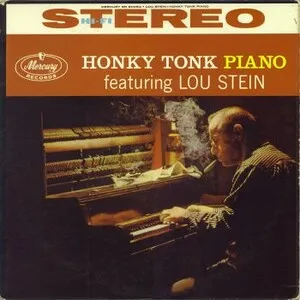
Honky-Tonk Piano
Artists
Honky-Tonk Piano
Lou Stein
1 album
Listen
Genres
Honky-Tonk Piano
Honky-tonk piano is a lively, nostalgic offshoot of ragtime that spotlights a bright, percussive, slightly out‑of‑tune upright or “tack” piano. The hallmark sound comes from lightly detuning the unison strings and/or inserting thumbtacks into the hammers to produce a crisp attack and jangly shimmer—evoking saloon and barroom pianos. Performances are upbeat and whimsical, with two‑beat left‑hand oom‑pah or stride figures and a right hand full of syncopated ragtime runs, crushed grace notes, glissandi, and octave tremolos. Popularized in the 1950s as a nostalgic revival of pre‑jazz piano styles, honky‑tonk piano repackaged ragtime and novelty pieces for radio, records, and TV, becoming a shorthand sound for old‑timey fun and classic saloon scenes.
Discover
Listen
Swing
Swing is a jazz style centered on a buoyant, danceable groove created by a walking bass, four-to-the-bar rhythm guitar, a backbeat emphasis on 2 and 4, and a lilted “swung” eighth-note feel. Typically performed by big bands (saxes, trumpets, trombones, and a rhythm section) as well as small combos, it balances written arrangements with improvised solos. Hallmarks include call-and-response between horn sections, riff-based melodies, shout choruses that build intensity near the end of an arrangement, and rich sectional voicings grounded in blues language and ii–V–I harmonic motion. Tempos range from medium to brisk, serving social dances like the Lindy Hop and Jitterbug. Swing’s expressive phrasing, dance-floor focus, and sophisticated arranging made it the dominant popular music of the late 1930s and early 1940s.
Discover
Listen
Jazz
Jazz is an improvisation-centered music tradition that emerged from African American communities in the early 20th century. It blends blues feeling, ragtime syncopation, European harmonic practice, and brass band instrumentation into a flexible, conversational art. Defining features include swing rhythm (a triplet-based pulse), call-and-response phrasing, blue notes, and extended harmonies built on 7ths, 9ths, 11ths, and 13ths. Jazz is as much a way of making music—spontaneous interaction, variation, and personal sound—as it is a set of forms and tunes. Across its history, jazz has continually hybridized, from New Orleans ensembles and big-band swing to bebop, cool and hard bop, modal and free jazz, fusion, and contemporary cross-genre experiments. Its influence permeates global popular and art music.
Discover
Listen
Albums
Honky Tonk Piano
Lou Stein
Honky-Tonk Piano
Similar artists
1
/5
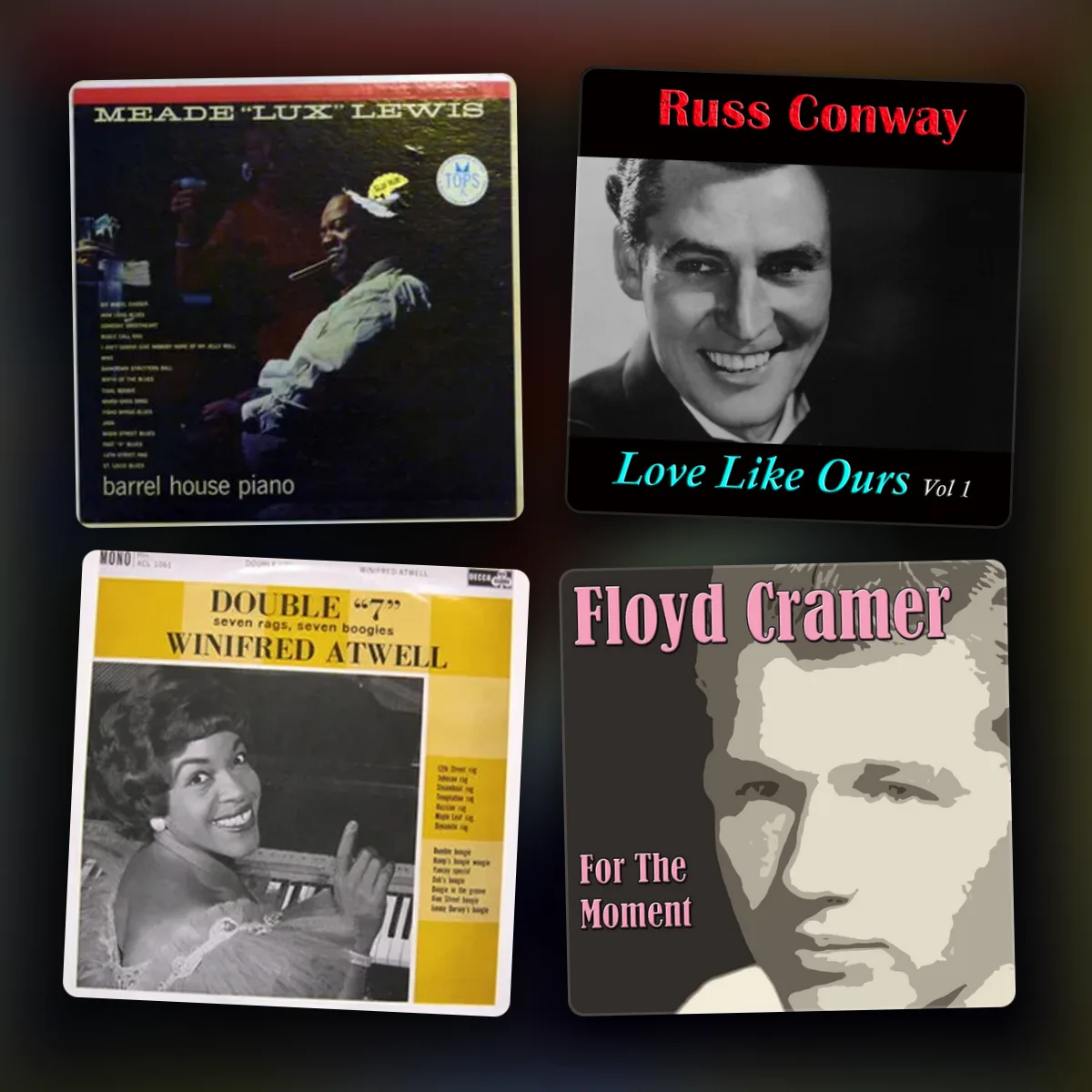
Johnny Maddox
Honky-Tonk Piano
Dixieland
Jazz
5
/5
Lady Gaga
Pop
Dance-Pop
Art Pop
5
/5
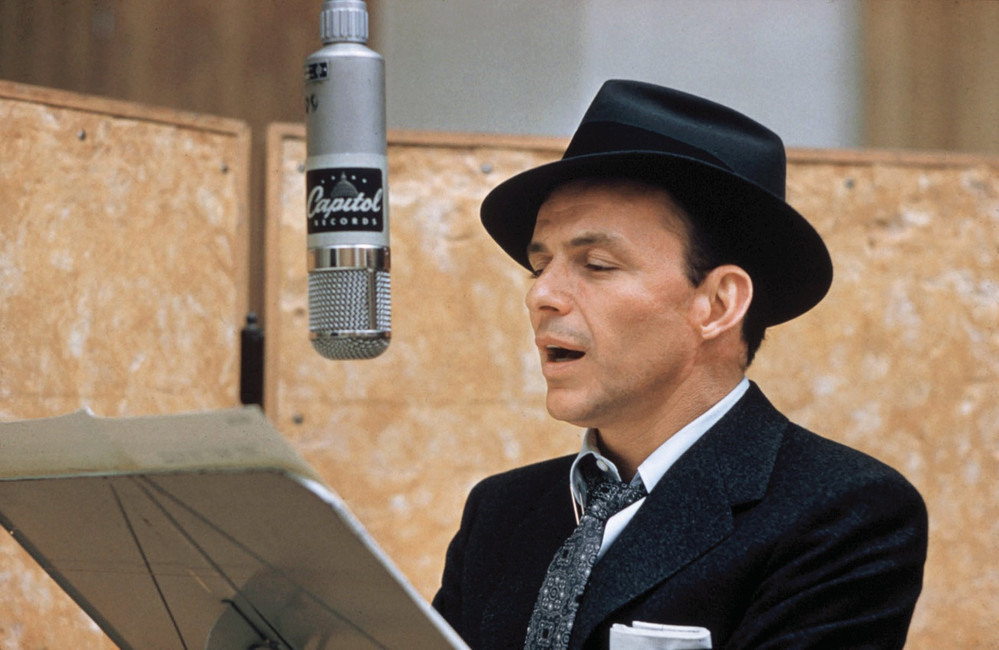
Frank Sinatra
Big Band
Jazz
Swing
4
/5
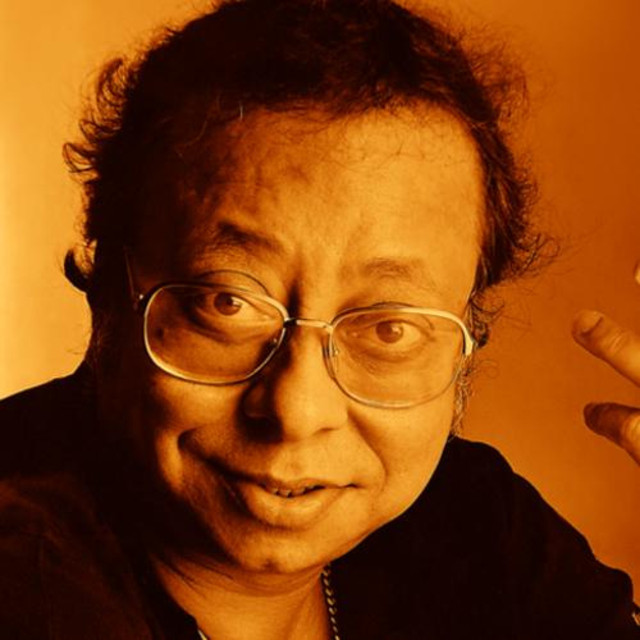
R. D. Burman
Bollywood
Filmi
Soundtrack
4
/5
Michael Bublé
Adult Standards
Jazz Pop
Christmas Music
4
/5
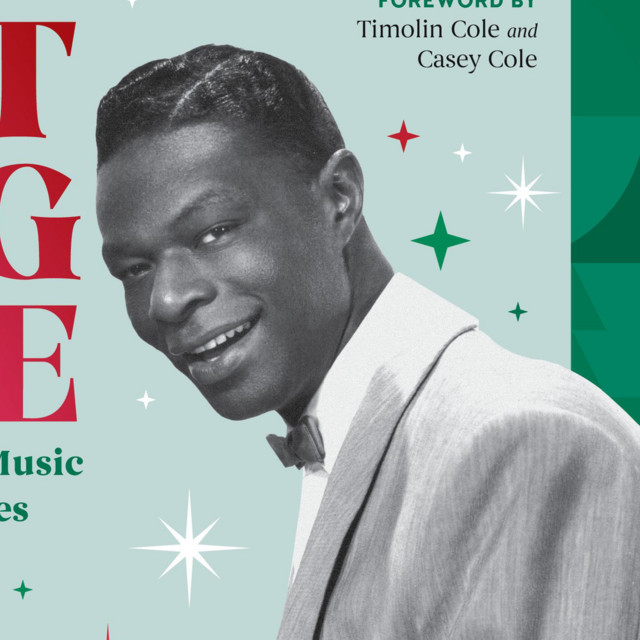
Nat King Cole
Swing
Jazz
Pop
4
/5
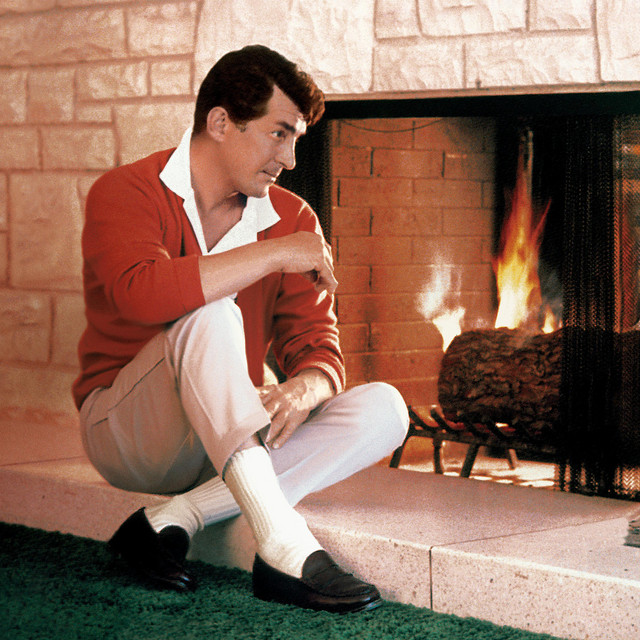
Dean Martin
Big Band
Easy Listening
Pop
4
/5
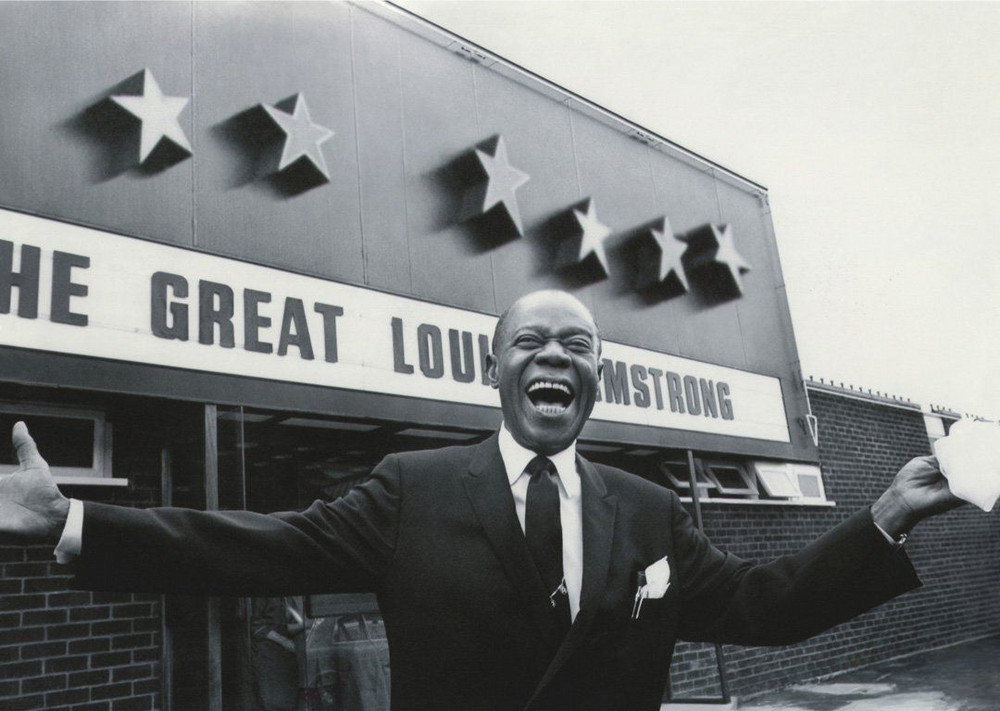
Louis Armstrong
Dixieland
Harlem Renaissance
Jazz Trumpet
4
/5
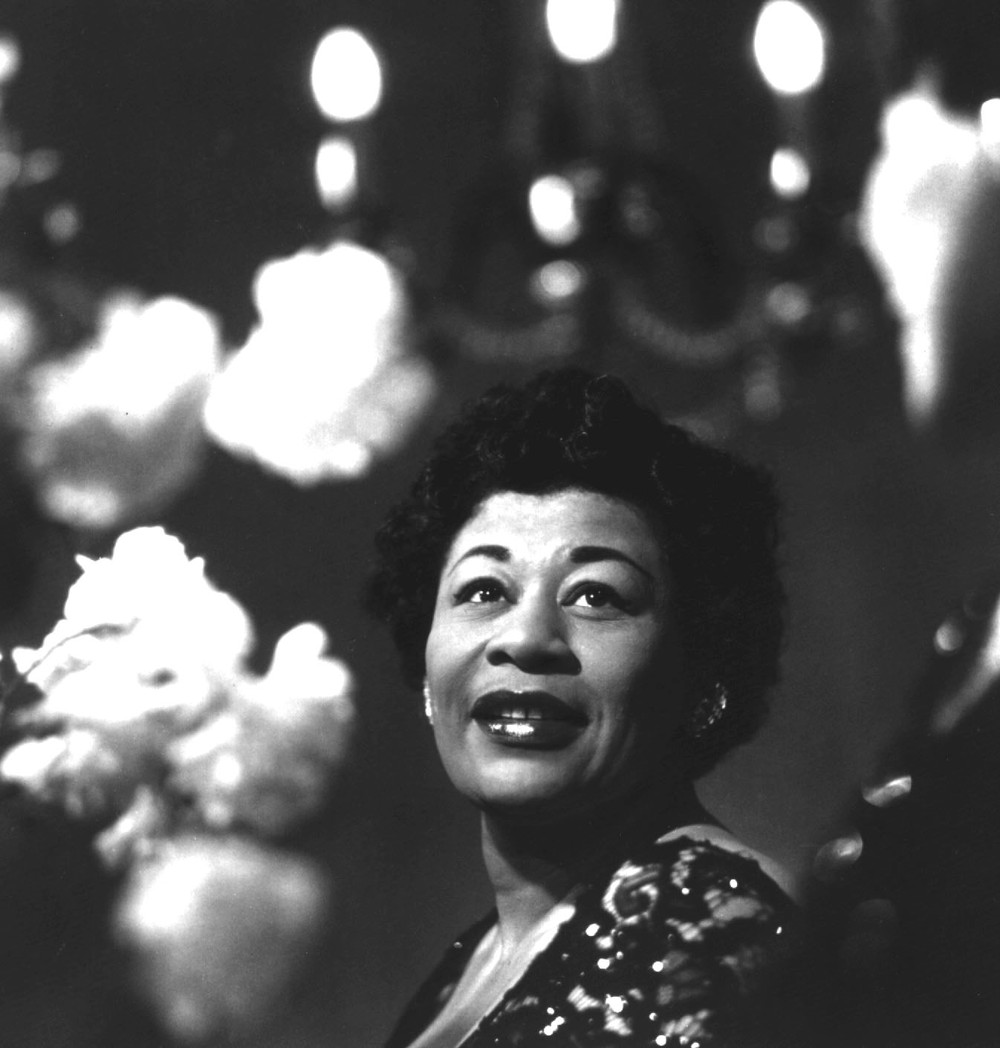
Ella Fitzgerald
Jazz
Swing
Vocal Jazz
4
/5
Billie Holiday
Harlem Renaissance
Jazz
Swing
Download our mobile app
Get the Melodigging app and start digging for new genres on the go
Download on the App Store
Get it on Google Play
© 2026 Melodigging
Give feedback
Legal
Melodding was created as a tribute to
Every Noise at Once
, which inspired us to help curious minds keep digging into music's ever-evolving genres.