Genres
Artists
Albums
Make Music
Sign in
Sign in
Artists
Bolero-Beat
Artists
Bolero-Beat
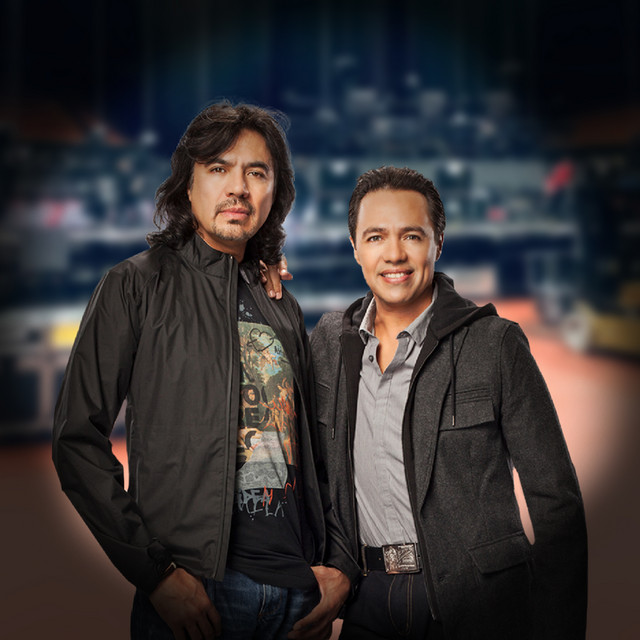
Los Angeles Negros
1970
·
7 albums
Listen
4
/5
Genres
Electro Corridos
Electro corridos (often styled as electrocorridos, electro bélico, or house belicón) fuse the narrative songwriting, vocal delivery, and melodic motifs of Mexican corridos with modern electronic dance production. Hallmarks include four-on-the-floor or syncopated club drums, sidechained bass lines that mirror traditional tuba/tololoche figures, bright synth leads echoing requinto/accordion riffs, and drop-focused arrangements. While lyrics retain corridos’ storytelling—romance, street life, hustle, regional pride—the sound is engineered for clubs and festivals, sitting at the crossroads of Regional Mexicano and EDM/house culture.
Discover
Listen
Queer Country
Queer country is a contemporary movement within country and Americana that centers LGBTQ+ voices, stories, and aesthetics while keeping strong ties to classic country songwriting, instrumentation, and vocal styles. Musically, it often draws from traditional country, outlaw country, honky-tonk, and folk-country, but its defining feature is lyrical perspective: songs about queer love, gender expression, chosen family, rural/working-class life, and the tension between tradition and belonging. Rather than being a single fixed sound, queer country is best understood as a scene and cultural re-framing of country music—one that challenges the genre’s historic heteronormativity while celebrating its narrative power and community roots.
Discover
Listen
Grupera
Grupera is a romantic, keyboard-driven branch of Mexican popular music that blends the songwriting sensibility of the Latin ballad with rhythms and instrumentation from regional styles such as cumbia, ranchera, norteño, mariachi, and bolero. Typically performed by "grupos" (bands) with electric guitars, bass, drums, and prominent synthesizers or electric keyboards, grupera favors melodic hooks, emotive lead vocals, and lush, reverb-heavy production. Songs often alternate between gentle ballads and danceable cumbias or ranchera-derived polkas, all wrapped in pop-friendly arrangements that made the style a radio and chart staple across Mexico and the U.S. Latino market during the 1980s and 1990s.
Discover
Listen
Bolero-Beat
Bolero-beat is a mid-1960s pop style that blends the romantic lyricism, harmonic language, and clave-derived motion of the bolero with the electric instrumentation, backbeat, and concise arrangements of beat groups. The result is a tender, danceable ballad idiom: clean electric guitars (often tremolo-tinged), steady 4/4 drums emphasizing the 2-and-4 backbeat, maracas or light congas maintaining a tresillo feel, and lush vocal harmonies. Songs tend to focus on yearning, heartbreak, and idealized love while keeping the melodic sweetness of bolero within a youthful, British-Invasion-informed framework.
Discover
Listen
Canción Melódica
Canción melódica is a Spanish popular song tradition centered on emotive, melody-forward ballads delivered by powerful vocalists and framed by lush, orchestral arrangements. It is the Spanish counterpart to Europe’s mainstream schlager and the Italian canzone tradition, but with clear ties to Iberian styles and Latin romanticism. Characterized by dramatic vocal climaxes, key changes near the finale, and string-heavy, cinematic backdrops, the style privileges memorable melodies, heartfelt lyrics, and a polished, elegant sound. Its themes revolve around love, longing, heartbreak, and resilience, using poetic images and rhetorical flourishes to maximize emotional impact. The genre achieved mass popularity in Spain and the Spanish-speaking world from the late 1960s through the 1980s, and its repertoire remains a staple of television galas, festival circuits, and nostalgic revivals.
Discover
Listen
Psychedelic Rock
Psychedelic rock is a style of rock music that seeks to evoke, simulate, and expand altered states of consciousness through sound. It typically features timbral experimentation (fuzz, wah, tape delay, phasing), drones, modal or raga-influenced harmony, extended improvisation, studio-as-instrument production, and surreal, mystical, or mind-expanding lyrics. Emerging from mid-1960s counterculture, it fused garage-band energy with folk, blues, and non-Western musical ideas—especially Indian classical ragas—while embracing new studio technologies and concert light shows. Both a live and a studio art, psychedelic rock ranges from jangly, kaleidoscopic pop to heavy, hypnotic jams and cosmic soundscapes.
Discover
Listen
Latin Ballad
Latin ballad (balada romántica) is a sentimental, melodically rich style of Spanish-language popular song that evolved directly from the Cuban/Mexican bolero tradition. It emphasizes expressive vocals, lush harmonic progressions, and romantic narratives about love, heartbreak, longing, and reconciliation. The genre coalesced in the early 1960s in Los Angeles and Southern California, where Latin-American and Mexican-American songwriters, arrangers, and singers modernized bolero aesthetics with contemporary pop orchestration, crooner-style delivery, and studio production techniques. Typically set at slow-to-medium tempos, Latin ballads feature piano or nylon‑string guitar, warm string sections, and climactic modulations that heighten emotional impact.
Discover
Listen
Música Cebolla
Música cebolla is a Chilean strain of hyper‑romantic popular music marked by intensely emotive vocals, melodramatic storytelling, and arrangements rooted in the bolero tradition. The nickname “cebolla” (onion) alludes to its tear‑jerking effect: songs dwell on heartbreak, abandonment, jealousy, and moral dilemmas of love, aiming for an immediate, visceral response. Musically, it favors slow to mid‑tempo bolero and ballad rhythms in 4/4, lush strings or organ pads, requinto or electric guitar arpeggios, and ornamental lead singing with vibrato, rubato, and portamento. While critics once dismissed it as kitsch, música cebolla has been reappraised as an authentic working‑class urban torch style that connects post‑war bolero with later Chilean romantic pop and “cumbia cebolla.”
Discover
Listen
Pop
Pop is a broad, hook-driven style of popular music designed for wide appeal. It emphasizes memorable melodies, concise song structures, polished vocals, and production intended for radio, charts, and mass media. While pop continually absorbs elements from other styles, its core remains singable choruses, accessible harmonies, and rhythmic clarity. Typical forms include verse–pre-chorus–chorus, frequent use of bridges and middle-eights, and ear-catching intros and outros. Pop is not defined by a single instrumentation. It flexibly incorporates acoustic and electric instruments, drum machines, synthesizers, and increasingly digital production techniques, always in service of the song and the hook.
Discover
Listen
Rock
Rock is a broad family of popular music centered on amplified instruments, a strong backbeat, and song forms that foreground riffs, choruses, and anthemic hooks. Emerging from mid‑20th‑century American styles like rhythm & blues, country, and gospel-inflected rock and roll, rock quickly expanded in scope—absorbing folk, blues, and psychedelic ideas—while shaping global youth culture. Core sonic markers include electric guitar (often overdriven), electric bass, drum kit emphasizing beats 2 and 4, and emotive lead vocals. Rock songs commonly use verse–chorus structures, blues-derived harmony, and memorable melodic motifs, ranging from intimate ballads to high‑energy, stadium‑sized performances.
Discover
Listen
Latin
Latin (as a genre label) is a broad umbrella used by the recording industry to categorize popular music rooted in Latin America, the Caribbean, and the Iberian world, often characterized by syncopated Afro-diasporic rhythms, dance-forward grooves, and lyrics primarily in Spanish or Portuguese. As a marketplace category that took shape in the mid-20th century United States, it gathers diverse traditions—Afro-Cuban, Brazilian, Mexican, and Caribbean styles—into a shared space. In practice, "Latin" spans everything from big-band mambo and bolero ballads to contemporary pop, rock, hip hop, and dance fusions produced by artists of Latin American heritage.
Discover
Listen
Chilean Music
Chilean music is an umbrella term for the diverse musical practices that developed in Chile, spanning rural folk traditions, urban popular music, and modern hybrid scenes. Its core pillars include the cueca (the national dance), the tonada chilena, and Andean-influenced folk, alongside later movements such as Nueva Canción Chilena, rock en español, cumbia chilena, indie pop/rock, hip hop, reggaetón, and experimental scenes. Forged at the crossroads of Indigenous (Mapuche and Andean), Iberian (Spanish folk and salon forms), and Afro-diasporic currents (via the zamacueca), Chilean music combines characteristic strummed guitars, the guitarrón chileno and paya traditions, Andean winds (quena, zampoña), cueca’s stamping rhythms and pandero hand drum, and poetic, socially conscious lyricism. In the 20th century it became a continental reference through Nueva Canción’s politically engaged songwriting and later through rock, pop, and urban genres that placed Chile on the global map.
Discover
Listen
Bolero
Bolero is both a Spanish dance-music form from the late 18th century and, later, a Cuban song style from the late 19th century. The Spanish bolero emerged as a moderately slow solo or partner dance in 3/4 time, shaped by Andalusian song-dance traditions. It typically features guitar accompaniment and castanets, and its sung texts often follow the seguidilla stanza pattern. In Cuba, bolero evolved into a romantic ballad—most often in 2/4 (later also felt in 4/4)—performed by singers, trios, and salon ensembles. Cuban bolero emphasizes intimate, lyrical melodies, guitar-led accompaniment (often with requinto), and gentle Afro-Caribbean rhythmic undercurrents (habanera feel, soft bongo, claves), becoming one of Latin America’s quintessential love-song forms.
Discover
Listen
Ballad
A ballad is a narrative song form that tells a story in simple, singable stanzas, traditionally using quatrains in ballad meter (alternating lines of iambic tetrameter and trimeter with an ABCB rhyme scheme). Ballads typically recount dramatic events—love, betrayal, tragedy, murder, the supernatural—or notable historical incidents. Early ballads were often sung unaccompanied or with minimal accompaniment, carried by memorable, modal melodies and refrains that aided oral transmission. Over time, the term also came to describe slow, sentimental popular songs in the 20th century, but the core of the genre remains the storytelling focus and strophic, easily learned structure. Ballads are central to the English- and Scots-language folk traditions, migrated to North America where they flourished in Appalachian singing, and continue to be performed, adapted, and reinterpreted in contemporary folk and roots scenes.
Discover
Listen
Show all 14 genres
Albums
1970
4
/5
Y volveré
Los Angeles Negros
Música Cebolla
Canción Melódica
Chilean Music
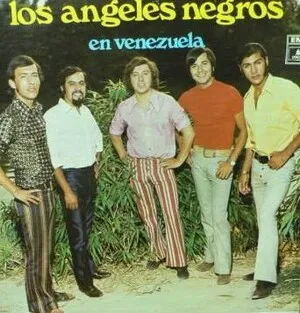
En Venezuela
Los Angeles Negros
Música Cebolla
Porque te quiero
Los Angeles Negros
Música Cebolla
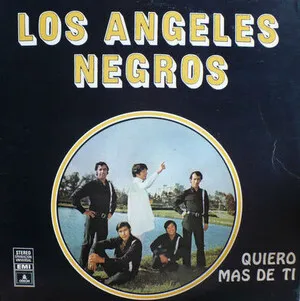
Quiero más de ti
Los Angeles Negros
Bolero-Beat
Porque te quiero
Los Angeles Negros
Bolero-Beat
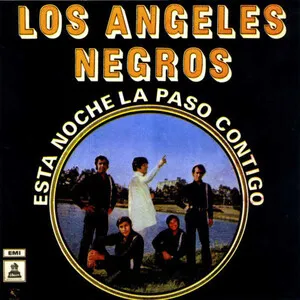
Esta Noche la Paso Contigo
Los Angeles Negros
Bolero-Beat
Y volveré
Los Angeles Negros
Bolero-Beat
Similar artists
5
/5
Los Temerarios
Grupera
Ranchera
Bolero-Beat
3
/5
Los Pasteles Verdes
Bolero-Beat
Bolero
Grupera
4
/5
Los Bukis
Bolero-Beat
Grupera
Ranchera
5
/5
Luis Miguel
Bolero
Latin Pop
Mariachi
5
/5
Mon Laferte
Latin Alternative
Latin Pop
Latin Indie
5
/5
José José
Bolero
Canción Melódica
Ballad
5
/5
Juan Gabriel
Bolero
Mariachi
Canción Melódica
4
/5
Alejandro Fernández
Ranchera
Latin
Mariachi
4
/5
Nat King Cole
Swing
Vocal Jazz
Adult Standards
4
/5
Roberto Carlos
Jovem Guarda
Mpb
Brega
Download our mobile app
Get the Melodigging app and start digging for new genres on the go
Download on the App Store
Get it on Google Play
© 2026 Melodigging
Give feedback
Legal
Melodding was created as a tribute to
Every Noise at Once
, which inspired us to help curious minds keep digging into music's ever-evolving genres.