Genres
Artists
Albums
Make Music
Sign in
Sign in
Artists
Ballad
Artists
Ballad
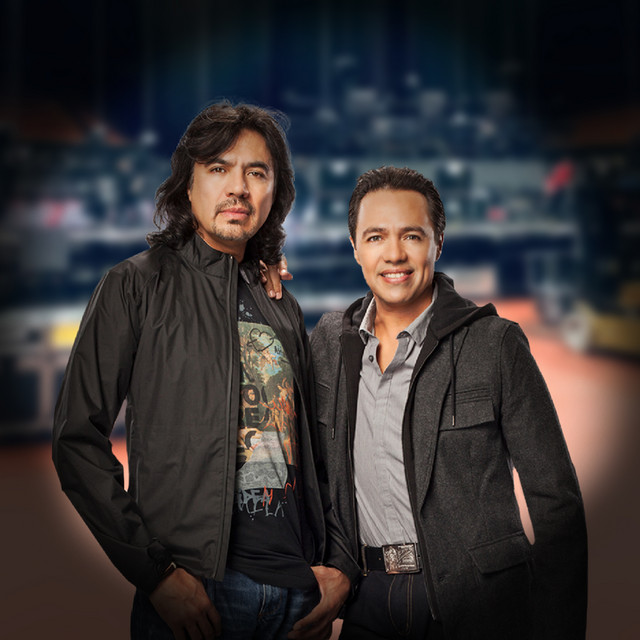
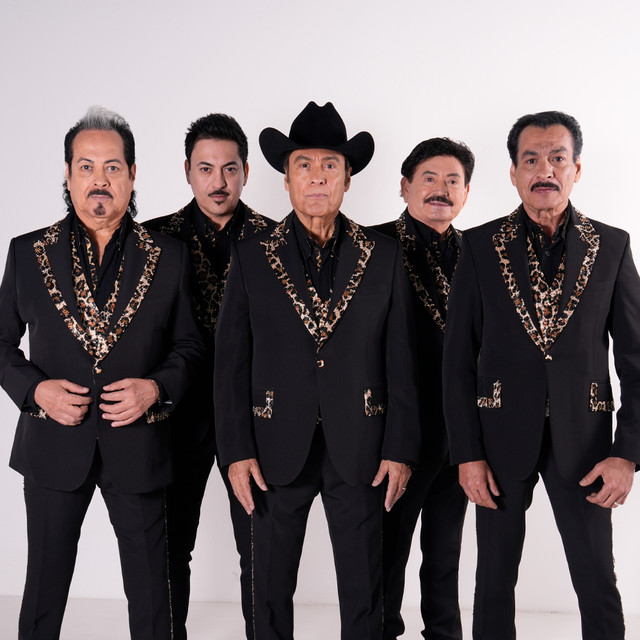
Los Bukis
1978–1995
·
15 albums
Listen
4
/5
Genres
Grupera
Grupera is a romantic, keyboard-driven branch of Mexican popular music that blends the songwriting sensibility of the Latin ballad with rhythms and instrumentation from regional styles such as cumbia, ranchera, norteño, mariachi, and bolero. Typically performed by "grupos" (bands) with electric guitars, bass, drums, and prominent synthesizers or electric keyboards, grupera favors melodic hooks, emotive lead vocals, and lush, reverb-heavy production. Songs often alternate between gentle ballads and danceable cumbias or ranchera-derived polkas, all wrapped in pop-friendly arrangements that made the style a radio and chart staple across Mexico and the U.S. Latino market during the 1980s and 1990s.
Discover
Listen
Latin Pop
Latin pop is mainstream pop music performed primarily in Spanish (and sometimes Portuguese) that blends contemporary pop songwriting with Latin American and Iberian rhythms, harmonies, and vocal stylings. It typically features verse–pre-chorus–chorus forms, catchy hooks, polished production, and a balance between rhythmic drive and romantic lyric themes. Classic Latin pop often leans on bolero- and ballad-informed melodies and soft-rock textures, while modern Latin pop readily incorporates dance-pop, electronic, and urbano elements (such as reggaeton-influenced grooves) without losing its sing-along pop core.
Discover
Listen
Bolero-Beat
Bolero-beat is a mid-1960s pop style that blends the romantic lyricism, harmonic language, and clave-derived motion of the bolero with the electric instrumentation, backbeat, and concise arrangements of beat groups. The result is a tender, danceable ballad idiom: clean electric guitars (often tremolo-tinged), steady 4/4 drums emphasizing the 2-and-4 backbeat, maracas or light congas maintaining a tresillo feel, and lush vocal harmonies. Songs tend to focus on yearning, heartbreak, and idealized love while keeping the melodic sweetness of bolero within a youthful, British-Invasion-informed framework.
Discover
Listen
Pop
Pop is a broad, hook-driven style of popular music designed for wide appeal. It emphasizes memorable melodies, concise song structures, polished vocals, and production intended for radio, charts, and mass media. While pop continually absorbs elements from other styles, its core remains singable choruses, accessible harmonies, and rhythmic clarity. Typical forms include verse–pre-chorus–chorus, frequent use of bridges and middle-eights, and ear-catching intros and outros. Pop is not defined by a single instrumentation. It flexibly incorporates acoustic and electric instruments, drum machines, synthesizers, and increasingly digital production techniques, always in service of the song and the hook.
Discover
Listen
Latin
Latin (as a genre label) is a broad umbrella used by the recording industry to categorize popular music rooted in Latin America, the Caribbean, and the Iberian world, often characterized by syncopated Afro-diasporic rhythms, dance-forward grooves, and lyrics primarily in Spanish or Portuguese. As a marketplace category that took shape in the mid-20th century United States, it gathers diverse traditions—Afro-Cuban, Brazilian, Mexican, and Caribbean styles—into a shared space. In practice, "Latin" spans everything from big-band mambo and bolero ballads to contemporary pop, rock, hip hop, and dance fusions produced by artists of Latin American heritage.
Discover
Listen
Ranchera
Ranchera (canción ranchera) is a traditional Mexican song genre characterized by passionate, emotive vocals; memorable, singable melodies; and direct, heartfelt lyrics about love, heartbreak, drinking, patriotism, rural life, and personal honor. Although its roots reach back to rural song traditions of the late 18th and early 19th centuries, ranchera consolidated as a national popular style before the Mexican Revolution and was later projected across Latin America through the Golden Age of Mexican cinema. The genre is commonly performed with mariachi (violins, trumpets, vihuela, guitarra, guitarrón), but it can also appear with norteño, banda, or solo voice-and-guitar arrangements. Musically, rancheras often use simple strophic or verse–chorus forms, tonal harmonies (I–IV–V with occasional secondary dominants or modulations), and meters in 3/4 (vals ranchero) or 2/4 and 4/4 (ranchera alegre or ranchera lenta). Vocal delivery features expressive rubato, dramatic dynamic arcs, and the iconic grito (a shouted cry) between phrases.
Discover
Listen
Romantic Classical
Romantic classical (Romantic-era) music is the 19th‑century phase of Western art music in which expression, individuality, and imagination came to the fore. Composers expanded the orchestra, embraced chromatic harmony and bold modulations, and favored long‑breathed, emotive melodies. Aligned with the wider Romantic movement in literature and the arts, it prized the subjective—love, nature, the supernatural, nationalism, and the sublime—often through programmatic narratives. New and transformed genres (the symphonic poem, grand opera, the art song/Lied, concert overtures) coexisted with reimagined Classical forms (symphony, sonata, concerto) that grew in scale and harmonic daring. From ca. 1800 through the early 20th century, Romantic music stretched from Beethoven’s heroic style and Schubert’s lyricism to Wagner’s leitmotivic dramas and Tchaikovsky’s symphonic ballet-infused language, culminating in late-Romantic gigantism and post-Romantic continuations.
Discover
Listen
Ballad
A ballad is a narrative song form that tells a story in simple, singable stanzas, traditionally using quatrains in ballad meter (alternating lines of iambic tetrameter and trimeter with an ABCB rhyme scheme). Ballads typically recount dramatic events—love, betrayal, tragedy, murder, the supernatural—or notable historical incidents. Early ballads were often sung unaccompanied or with minimal accompaniment, carried by memorable, modal melodies and refrains that aided oral transmission. Over time, the term also came to describe slow, sentimental popular songs in the 20th century, but the core of the genre remains the storytelling focus and strophic, easily learned structure. Ballads are central to the English- and Scots-language folk traditions, migrated to North America where they flourished in Appalachian singing, and continue to be performed, adapted, and reinterpreted in contemporary folk and roots scenes.
Discover
Listen
Show all 8 genres
Albums
1995
Te tuve y te perdí
Los Bukis
Bolero-Beat
1995
Por amor a mi pueblo
Los Bukis
Bolero-Beat
1994
Yo te necesito
Los Bukis
Bolero-Beat
1994
Falso amor
Los Bukis
Bolero-Beat
1992
Quiéreme
Los Bukis
Romantic Classical
1991
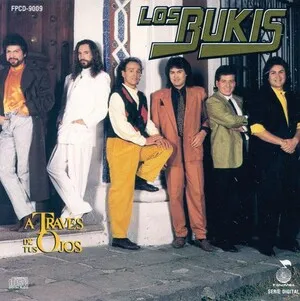
A través de tus ojos
Los Bukis
Bolero-Beat
1989
Y para siempre
Los Bukis
Bolero-Beat
1988
Si me recuerdas
Los Bukis
Bolero-Beat
1987
4
/5
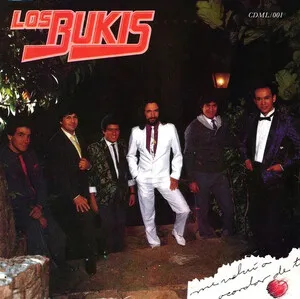
Me Volvi a Acordar De Ti
Los Bukis
Bolero-Beat
Ballad
Latin
1983
Mi fantasía
Los Bukis
Bolero-Beat
1981
Presiento que voy a llorar
Los Bukis
Bolero-Beat
1980
Me muero porque seas mi novia
Los Bukis
Bolero-Beat
1979
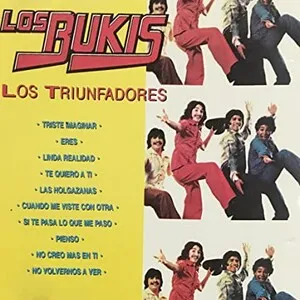
Los Triunfadores
Los Bukis
Bolero-Beat
1978
Me siento solo
Los Bukis
Bolero-Beat
Triste imaginar
Los Bukis
Bolero-Beat
Similar artists
5
/5
Los Temerarios
Grupera
Ranchera
Bolero-Beat
5
/5
Marco Antonio Solís
Latin Pop
Mariachi
Cumbia 420
4
/5
Bronco
Cumbia Norteña Mexicana
Cumbia
Tejano
5
/5
Luis Miguel
Bolero
Latin Pop
Mariachi
5
/5
José José
Bolero
Canción Melódica
Ballad
5
/5
Juan Gabriel
Bolero
Mariachi
Canción Melódica
5
/5
Carín León
Regional Mexicano
Alternative Country
Latin Pop
5
/5
Joan Sebastian
Grupera
Mariachi
Ranchera
5
/5
Los Tigres Del Norte
Corrido
Norteño
Latin
4
/5
Calibre 50
Movimiento Alterado
Grupera
Ranchera
Download our mobile app
Get the Melodigging app and start digging for new genres on the go
Download on the App Store
Get it on Google Play
© 2026 Melodigging
Give feedback
Legal
Melodding was created as a tribute to
Every Noise at Once
, which inspired us to help curious minds keep digging into music's ever-evolving genres.