Genres
Make Music
Artists
Albums
Challenges
Sign in
Sign in
Albums
By Los Angeles Negros
Albums
By Los Angeles Negros
Y volveré
September 5, 1970
Listen
4
/5
Genres
Canción Melódica
Canción melódica is a Spanish popular song tradition centered on emotive, melody-forward ballads delivered by powerful vocalists and framed by lush, orchestral arrangements. It is the Spanish counterpart to Europe’s mainstream schlager and the Italian canzone tradition, but with clear ties to Iberian styles and Latin romanticism. Characterized by dramatic vocal climaxes, key changes near the finale, and string-heavy, cinematic backdrops, the style privileges memorable melodies, heartfelt lyrics, and a polished, elegant sound. Its themes revolve around love, longing, heartbreak, and resilience, using poetic images and rhetorical flourishes to maximize emotional impact. The genre achieved mass popularity in Spain and the Spanish-speaking world from the late 1960s through the 1980s, and its repertoire remains a staple of television galas, festival circuits, and nostalgic revivals.
Discover
Listen
Psychedelic Rock
Psychedelic rock is a style of rock music that seeks to evoke, simulate, and expand altered states of consciousness through sound. It typically features timbral experimentation (fuzz, wah, tape delay, phasing), drones, modal or raga-influenced harmony, extended improvisation, studio-as-instrument production, and surreal, mystical, or mind-expanding lyrics. Emerging from mid-1960s counterculture, it fused garage-band energy with folk, blues, and non-Western musical ideas—especially Indian classical ragas—while embracing new studio technologies and concert light shows. Both a live and a studio art, psychedelic rock ranges from jangly, kaleidoscopic pop to heavy, hypnotic jams and cosmic soundscapes.
Discover
Listen
Música Cebolla
Música cebolla is a Chilean strain of hyper‑romantic popular music marked by intensely emotive vocals, melodramatic storytelling, and arrangements rooted in the bolero tradition. The nickname “cebolla” (onion) alludes to its tear‑jerking effect: songs dwell on heartbreak, abandonment, jealousy, and moral dilemmas of love, aiming for an immediate, visceral response. Musically, it favors slow to mid‑tempo bolero and ballad rhythms in 4/4, lush strings or organ pads, requinto or electric guitar arpeggios, and ornamental lead singing with vibrato, rubato, and portamento. While critics once dismissed it as kitsch, música cebolla has been reappraised as an authentic working‑class urban torch style that connects post‑war bolero with later Chilean romantic pop and “cumbia cebolla.”
Discover
Listen
Pop
Pop is a broad, hook-driven style of popular music designed for wide appeal. It emphasizes memorable melodies, concise song structures, polished vocals, and production intended for radio, charts, and mass media. While pop continually absorbs elements from other styles, its core remains singable choruses, accessible harmonies, and rhythmic clarity. Typical forms include verse–pre-chorus–chorus, frequent use of bridges and middle-eights, and ear-catching intros and outros. Pop is not defined by a single instrumentation. It flexibly incorporates acoustic and electric instruments, drum machines, synthesizers, and increasingly digital production techniques, always in service of the song and the hook.
Discover
Listen
Rock
Rock is a broad family of popular music centered on amplified instruments, a strong backbeat, and song forms that foreground riffs, choruses, and anthemic hooks. Emerging from mid‑20th‑century American styles like rhythm & blues, country, and gospel-inflected rock and roll, rock quickly expanded in scope—absorbing folk, blues, and psychedelic ideas—while shaping global youth culture. Core sonic markers include electric guitar (often overdriven), electric bass, drum kit emphasizing beats 2 and 4, and emotive lead vocals. Rock songs commonly use verse–chorus structures, blues-derived harmony, and memorable melodic motifs, ranging from intimate ballads to high‑energy, stadium‑sized performances.
Discover
Listen
Chilean Music
Chilean music is an umbrella term for the diverse musical practices that developed in Chile, spanning rural folk traditions, urban popular music, and modern hybrid scenes. Its core pillars include the cueca (the national dance), the tonada chilena, and Andean-influenced folk, alongside later movements such as Nueva Canción Chilena, rock en español, cumbia chilena, indie pop/rock, hip hop, reggaetón, and experimental scenes. Forged at the crossroads of Indigenous (Mapuche and Andean), Iberian (Spanish folk and salon forms), and Afro-diasporic currents (via the zamacueca), Chilean music combines characteristic strummed guitars, the guitarrón chileno and paya traditions, Andean winds (quena, zampoña), cueca’s stamping rhythms and pandero hand drum, and poetic, socially conscious lyricism. In the 20th century it became a continental reference through Nueva Canción’s politically engaged songwriting and later through rock, pop, and urban genres that placed Chile on the global map.
Discover
Listen
Similar albums
1966
Revolver
The Beatles
1967
Sgt. Pepper's Lonely Hearts Club Band
The Beatles
2022
Revolver
The Beatles
1967
Jacqueline Taïeb
Jacqueline Taïeb
1968
Friends
The Beach Boys
1979
Nasıl? Ne Zaman?
Hardal
2019
Gece
Altın Gün
2004
Smile
Brian Wilson
2010
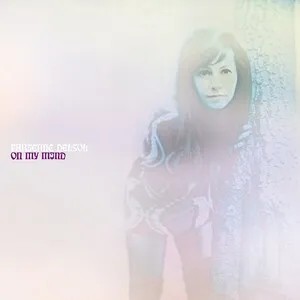
On My Mind
Fabienne Delsol
1969
Joseph and the Amazing Technicolor Dreamcoat
The Joseph Consortium
Download our mobile app
Get the Melodigging app and start digging for new genres on the go
Download on the App Store
Get it on Google Play
© 2026 Melodigging
Give feedback
Legal
Melodding was created as a tribute to
Every Noise at Once
, which inspired us to help curious minds keep digging into music's ever-evolving genres.