Genres
Artists
Albums
Make Music
Sign in
Sign in
Artists
Alternative Pop
Artists
Alternative Pop
Lauv
Listen
4
/5
Genres
Post-Teen Pop
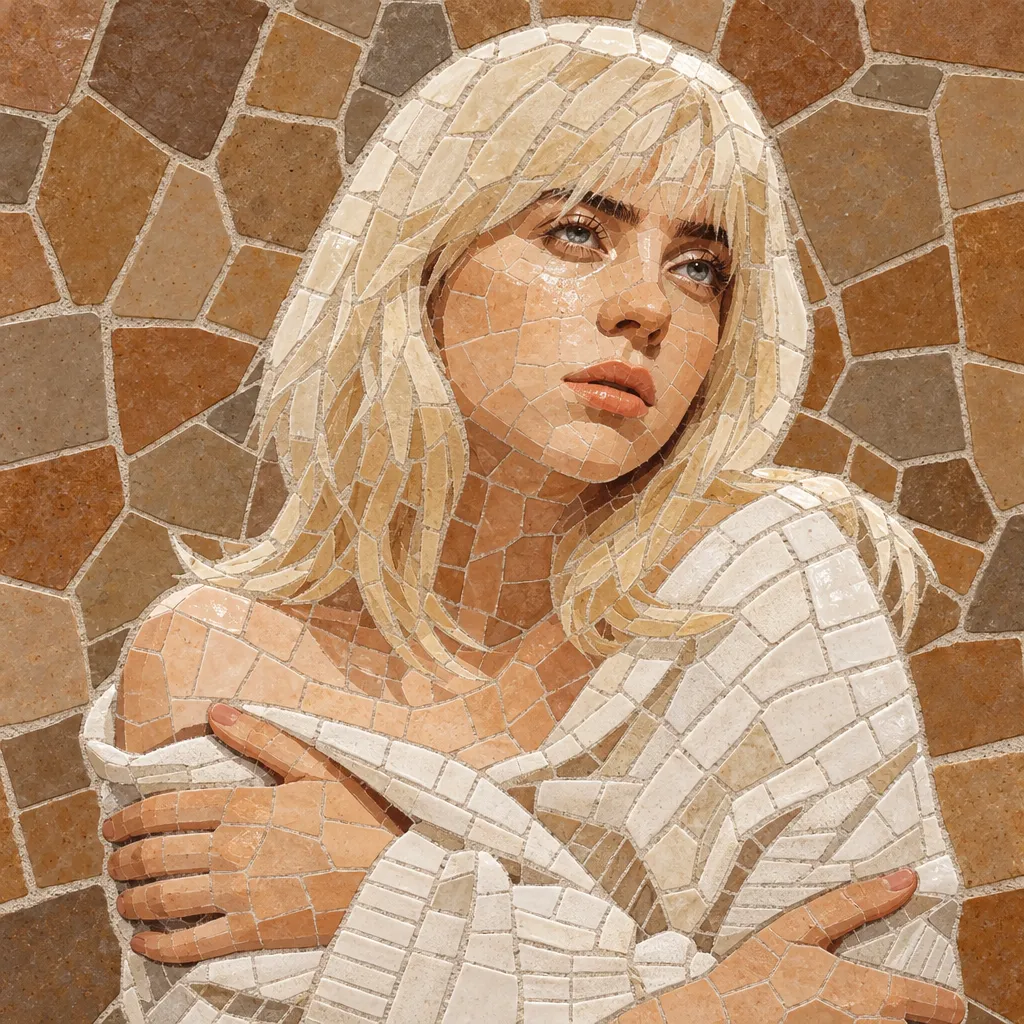
Post-teen pop is a strand of mainstream and alternative-leaning pop that emerges when teen-pop artists and their audiences age into early adulthood. The sound keeps the immediacy and melody of teen pop, but deepens the subject matter and broadens the production palette with alt-pop, electropop, R&B, and indie sensibilities. Songs typically feature glossy but tastefully restrained production, hook-forward toplines, and lyrics about independence, relationships with more nuance, and self-definition after adolescence. Compared with teen pop, tempos are slightly wider in range, beats can be moodier or more minimal, and synth textures and guitar or R&B inflections are more common.
Discover
Listen
Sky Room
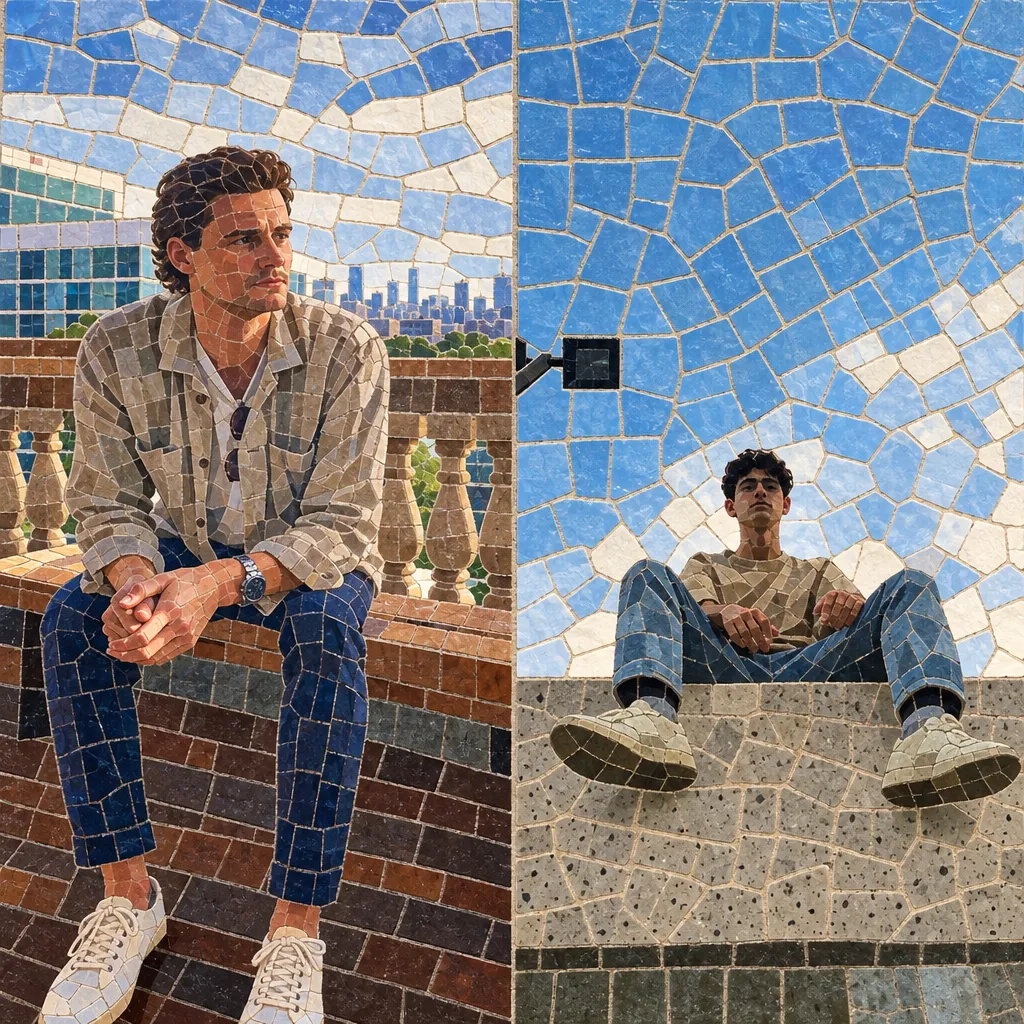
Sky room is a streaming-era microgenre of airy, pastel-hued alt‑pop and indie R&B that sits between bedroom pop and chill electronic music. It emphasizes soft, close-miked vocals, spacious reverbs, light trap‑influenced percussion, and gentle synth or clean guitar textures. The overall sound is weightless and daydreamy—designed as much for background listening as for late‑night introspection. Lyrically, sky room leans toward intimate, confessional themes—quiet anxieties, tender romance, and coming‑of‑age self-reflection—conveyed with minimalist phrasing and catchy, understated hooks.
Discover
Listen
Big Room House
Big room house is a festival-focused strain of EDM built for massive sound systems and outdoor main stages. It typically runs around 126–132 BPM (most commonly 128), uses four-on-the-floor kick patterns, and features huge, simple lead riffs designed to be instantly memorable to large crowds. A defining trait is the contrast between cinematic, reverb-washed breakdowns and ultra-dry, percussive drops driven by a powerful kick, sub, and a few bold supersaw or horn-like synth stabs. Arrangements lean on dramatic builds with snare rolls, risers, and crowd-hyping vocal chops, culminating in drops that emphasize impact over harmonic complexity.
Discover
Listen
Progressive Electro House
Progressive electro house is a festival‑ready hybrid that marries the long, melodic builds and emotive chord progressions of progressive house with the gritty basslines, saw‑lead stabs, and syncopated drops of electro house. Tracks typically run around 126–130 BPM in 4/4, featuring wide supersaw stacks, side‑chained pads, and bright, anthemic toplines that crescendo into aggressive, electro‑flavored drops. The style thrived during the early 2010s EDM boom, with Dutch and Scandinavian producers pushing a sound designed for big‑room and main‑stage impact. Production aesthetics favor layered synth leads (Serum, Sylenth1, Massive), tight festival kicks, off‑beat open hats, sweeping risers, and snare‑roll builds, while arrangements spotlight tension‑and‑release between harmonic, euphoric breakdowns and powerful, synth‑driven drops.
Discover
Listen
Beats
Beats is a loose, producer-driven category for rhythm-forward instrumentals built around hip‑hop drum patterns without necessarily being rap songs or featuring vocals. It functions as an umbrella for stock, "type," and backing tracks used by rappers, singers, streamers, and content creators, spanning boom‑bap swing to trap hi‑hat grids and R&B‑leaning grooves. On streaming platforms it often appears as standalone instrumentals packaged by tempo, mood, or artist style (e.g., “trap type beat,” “R&B instrumental,” “club beat”), prioritizing portability and utility over artist identity. While rooted in hip‑hop production aesthetics—kicks, snares, 808s, chopped samples—Beats blends downtempo, electronic, and contemporary R&B sensibilities, aiming for clarity, loopability, and immediate vibe.
Discover
Listen
Future House
Future house is a mid‑2010s strain of house music known for rubbery, plucked bass leads, clean and punchy drums, and streamlined, drop‑focused arrangements. It bridges the groove and warmth of deep/UK house with the sheen and impact of big‑room/electro‑house, often featuring metallic or organ‑like bass timbres that “speak” melodically. Typical tracks sit around 124–128 BPM, use tight sidechain compression for a pumping feel, and contrast sparse, atmospheric breakdowns with hooky, syncopated bass drops. Vocals, when present, are concise—often chopped or pitched—and the sound design emphasizes clarity, swing, and a modern, club‑ready polish.
Discover
Listen
Uk Jackin
UK jackin is a bass-forward strain of house and UK garage that emerged in the UK during the early 2010s. It blends the swing and shuffle of garage with the chunky, percussive drive of house, emphasizing rubbery low‑end riffs, organ stabs, and chopped R&B or soul vocals. Compared with classic Chicago jackin’ house, the UK variant is darker and punchier, drawing heavily from bassline and UK bass aesthetics. Tracks typically sit around 124–130 BPM, use swung drums and syncopated bass patterns, and are arranged with DJ‑friendly intros, tension‑building breakdowns, and emphatic drops.
Discover
Listen
Acoustic Guitar Cover
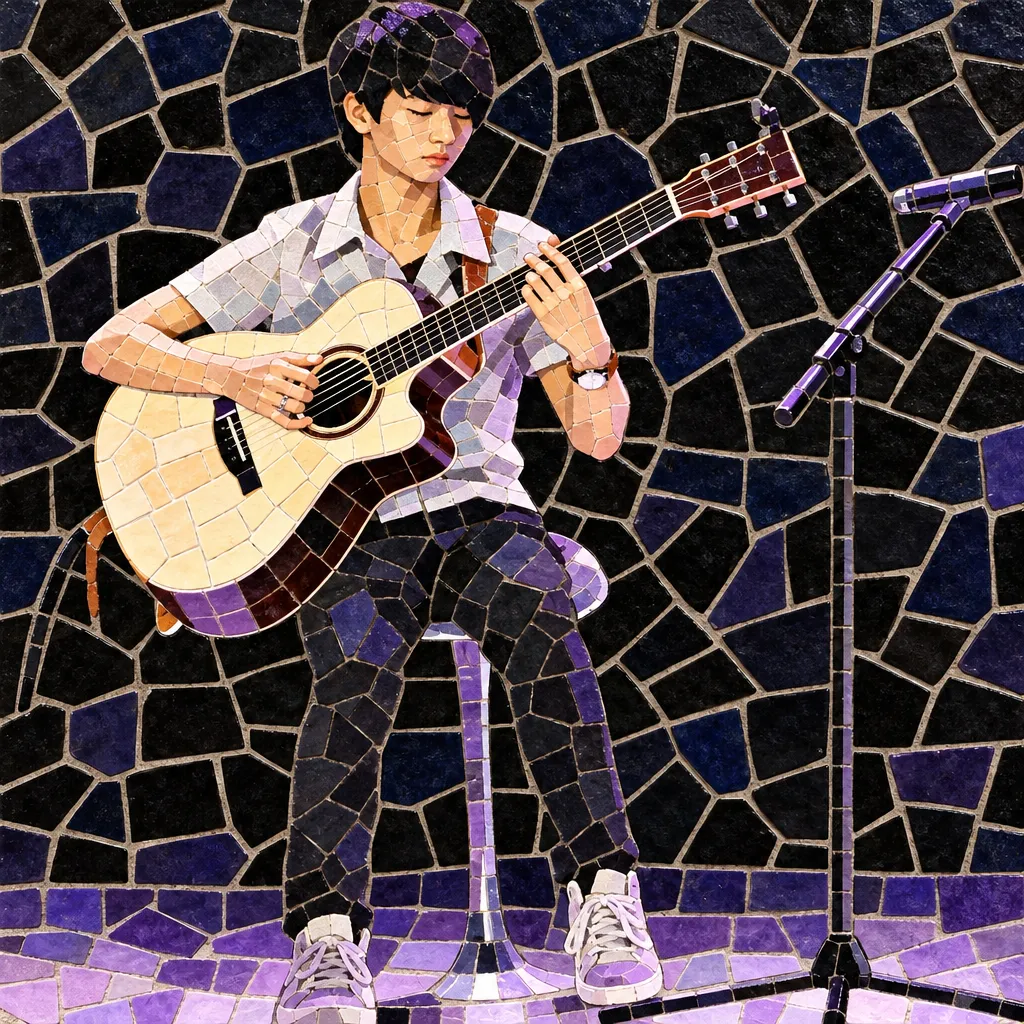
Acoustic guitar cover is a contemporary practice of reinterpreting well‑known songs on a solo or prominently featured acoustic guitar, often as fully arranged instrumentals and sometimes with intimate, unplugged vocals. Built on fingerstyle and modern percussive techniques, performers weave a song’s melody, bass, and harmony into a single guitar part. The sound skews warm, spacious, and close‑mic’d—optimized for streaming, playlists, and social video. While rooted in older guitar traditions, its identity solidified in the streaming era as a calm, portable format for pop, rock, and film/TV themes. Today it serves multiple listening contexts—study, focus, weddings, coffeehouse ambience—and acts as a bridge between mainstream hits and guitar artistry.
Discover
Listen
Bossbeat
Bossbeat is an internet‑born, high‑octane branch of EDM tailored to evoke the intensity of a video‑game “boss fight.” Producers fuse modern dubstep and trap sound design with melodic, leitmotif‑driven writing borrowed from video game music and film scoring, aiming for cinematic build‑ups and explosive, riff‑like drops. Characteristic features include minor‑key motifs, fast and syncopated percussion, halftime switch‑ups, aggressive bass design (growls, reeses, metallic FM), and hybrid orchestral layers (brass stabs, choirs, epic drums). The result is music that feels both dance‑floor ready and narratively dramatic—perfect for action montages, game content, and creator culture.
Discover
Listen
G-House
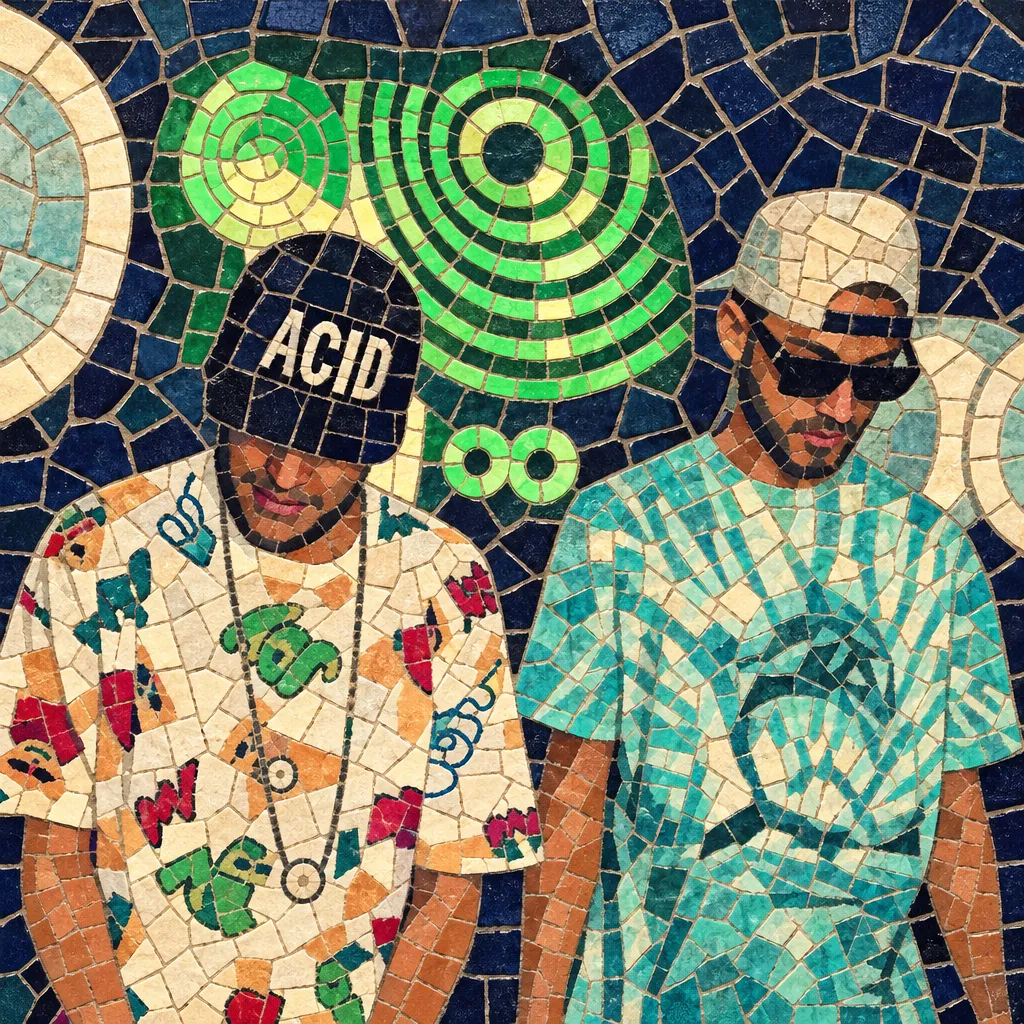
G-house ("gangsta house") is a club-focused fusion of house music and hip-hop, characterized by dark, low-slung basslines, shuffling house drums, and rap vocals or samples with a streetwise, West Coast swagger. Typically sitting around 120–126 BPM, it borrows the groove and arrangement discipline of deep/tech house while foregrounding the attitude and timbral aesthetics of gangsta rap and G-funk. Vocal hooks are often pitched, chopped, or looped, sitting over minimal, sub-heavy bass figures and crisp 909/808-derived percussion. The result is music that feels both sleek and menacing—built for late-night dancefloors with a noir, urban edge.
Discover
Listen
Jungle Terror
Jungle terror is a high-impact festival style of electronic dance music that fuses the punch of big-room and electro house with hyper-percussive, "tribal" drum programming. Rather than relying on massive supersaw leads, it centers on toms, congas, wooden blocks, clacks, and animalistic shouts that drive the drop. Typically around 128–135 BPM, its arrangements emphasize tension-and-release: long risers, vocal calls, and cinematic breaks snap into sparse, tom-led drops with heavy sub-kicks and syncopated patterns. The overall aesthetic is wild, raw, and rhythmic—designed for large dancefloors and open-air festival stages.
Discover
Listen
Pop Urbaine
Pop urbaine is a French mainstream pop style that blends contemporary R&B, hip hop, Afrobeats, dancehall, zouk, raï, and reggaeton with chart‑friendly songwriting. It emphasizes melodic hooks, mid‑tempo grooves, and sleek vocal production (often with Auto‑Tune) while foregrounding everyday, romantic, and nightlife themes in colloquial French. Rhythmically it favors syncopated Afro‑Caribbean patterns, sparse but bouncy 808 drums, and light guitar or synth plucks, creating a buoyant, danceable feel without the aggressiveness of club music. Vocals typically alternate between sung refrains and rap‑influenced verses, with catchy refrains designed for streaming and social media virality. The genre became a defining sound of French popular culture in the late 2010s, driven by a new generation of Francophone artists with diasporic roots who globalized French pop while keeping its language and local slang at the center.
Discover
Listen
The Wave
The Wave is a loosely defined cluster of American post-hardcore/emo bands that surged in the early 2010s as emo-pop’s mainstream moment faded. The name was a tongue‑in‑cheek scene tag that stuck in press coverage, but it points to a real overlap in sound, ethos, and touring networks. Musically, The Wave fuses the urgency of 1990s post‑hardcore and screamo with confessional, literate lyric writing associated with emo. Expect shouted or half‑sung/half‑spoken vocals, dynamic quiet‑loud builds, intricate but driving drums, and guitar textures that shift between glassy clean arpeggios and overdriven, emotive climaxes. The songs often emphasize catharsis, narrative detail, and community-minded DIY presentation.
Discover
Listen
Bytebeat
Bytebeat is a minimalist form of algorithmic music in which very short computer programs (often a single arithmetic expression) generate raw PCM audio directly. It typically uses 8-bit integer math and a running time counter t to produce harsh, glitchy, melody-like patterns, rhythms, and textures through bitwise operations, shifts, modular arithmetic, and simple integer multiplications. The aesthetic sits between chiptune timbres and noise art: crunchy aliasing, stepping waveforms, and emergent structure arise from extremely compact code. First popularized online in 2011, bytebeat is as much a programming puzzle as it is a musical style, celebrated for revealing how complex musical behaviors can emerge from ultra-simple rules.
Discover
Listen
Glitch Hop Edm
Glitch hop EDM is a bass-heavy, midtempo offshoot of glitch and hip-hop that adopts the large-scale sound design, drops, and festival-ready structures of contemporary EDM. It typically runs around 90–115 BPM with a swung or syncopated hip-hop groove, while employing stutter edits, tape stops, bitcrushing, buffer repeats, granular chops, and intricate automation to create the characteristic "glitched" feel. Tracks often feature thick, modulated basslines; punchy, off-kilter drums; chopped vocals and foley; and harmonies that borrow from jazz, funk, and soul, all arranged in EDM-style buildups and drops.
Discover
Listen
Hybrid Trap
Hybrid trap is an EDM subgenre that fuses Southern hip hop–derived trap rhythms and 808 low end with the sound-design intensity and drop-centric structure of dubstep and electro house. It typically runs at 75/150 BPM in a halftime feel, features skittering hi-hats and snare/clap hits on beat three, and pairs punchy 808 kick–sub combos with midrange growls, reese basses, screeches, and cinematic brass stabs. Producers lean heavily on modern synthesis, resampling, and aggressive processing (distortion, multiband compression, OTT) to craft dynamic, call-and-response drops suited to festival stages. Compared with “classic” EDM trap, hybrid trap places greater emphasis on dubstep-like bass design, complex fills, and theatrical builds, while retaining trap’s swaggering grooves and minimalistic, percussive motifs.
Discover
Listen
Indie R&b
Indie R&B (often overlapping with or adjacent to "alternative R&B") is a strand of contemporary R&B that embraces independent, DIY, and art-pop sensibilities. It blends the vocal intimacy and melodic DNA of classic soul and modern R&B with left-field electronic production, ambient textures, and experimental song forms. The sound foregrounds space, mood, and atmosphere: hushed vocals, gauzy synth pads, deep sub‑bass, and half‑time grooves are common. Lyrics tend to be introspective and diaristic, exploring intimacy, vulnerability, identity, and late‑night urban life. Rather than radio‑oriented sheen, Indie R&B often favors lo‑fi warmth, minimalist arrangements, and boundary‑pushing production choices.
Discover
Listen
Moombahcore
Moombahcore is a heavy, mid‑tempo offshoot of moombahton that fuses reggaeton’s dembow groove with the sound‑design and impact of dubstep and electro house. Typically set around 100–115 BPM (with 108–110 BPM common), it features syncopated dembow drums, massive wobble/growl basses, hard electro leads, and festival‑style builds and drops. Compared to standard moombahton, moombahcore is darker, more aggressive, and more sound‑design‑driven, yet it retains the swaying, dance‑forward pulse of Latin and dancehall rhythms. Producers often employ complex bass resampling, heavy distortion and saturation, sharp snare accents on the 3, and percussive fills drawn from reggaeton and dancehall, making the genre ideal for high‑energy club and festival contexts.
Discover
Listen
Pov: Indie
"pov: indie" is a social-media-native microstyle built around short, cinematic indie-pop/indie-rock snippets designed to accompany a first-person (POV) narrative. Instead of being defined by a single new musical technique, it is defined by context: the music is chosen or written to feel like the soundtrack to a specific moment (a crush, a late-night walk, moving to a new city, seasonal nostalgia). Sonically it typically uses bright but soft guitars or synths, intimate vocals, simple memorable hooks, and production that reads clearly on phone speakers. The emotional tone is often wistful, tender, and “coming-of-age,” with lyrics that can be understood quickly in a 10–30 second clip.
Discover
Listen
Alternative Pop
Alternative pop is a strand of pop music that keeps the melodic accessibility of mainstream pop while foregrounding unconventional songwriting, left‑field production, and an indie or art‑driven sensibility. It often blends acoustic and electronic timbres, juxtaposes intimate vocals with textural sound design, and favors mood, concept, and experimentation over radio‑formula structures. Hooks remain central, but they may sit within atypical forms, lo‑fi palettes, off‑kilter rhythms, or cinematic arrangements. Lyrically, alternative pop tends toward introspection, ambiguity, and subcultural reference points, addressing identity, technology, and contemporary alienation as frequently as classic pop themes like romance.
Discover
Listen
Indie Pop
Indie pop is a melodic, DIY-rooted branch of alternative music that blends the immediacy of pop songwriting with the independence and aesthetics of underground scenes. It typically features jangly, clean-toned guitars, tuneful bass lines, compact song structures, and intimate, literate lyrics that balance sweetness with subtle melancholy. The sound often leans toward bright chord progressions, earworm choruses, and understated production, favoring charm and personality over gloss. Culturally, indie pop is tied to small labels, fanzines, and community radio, with influential scenes and imprints such as Postcard, Sarah, and Creation laying the groundwork for its global diffusion.
Discover
Listen
Electropop
Electropop is a branch of pop music that foregrounds electronic instruments—especially synthesizers, drum machines, and sequencers—to deliver catchy, hook-driven songs. It preserves the verse–pre-chorus–chorus architecture and melodic immediacy of pop while replacing most traditional band instrumentation with programmed rhythms, synthetic bass lines, and glossy textures. The style emphasizes earworm toplines, precise rhythmic grids, and tightly produced arrangements that often highlight contrast between minimal, punchy verses and expansive, anthemic choruses. Timbres range from warm analog pads and arpeggiators reminiscent of the late 1970s/early 1980s to ultra-modern, hyper-detailed sound design, making electropop both retro-leaning and future-facing depending on the artist.
Discover
Listen
Pop
Pop is a broad, hook-driven style of popular music designed for wide appeal. It emphasizes memorable melodies, concise song structures, polished vocals, and production intended for radio, charts, and mass media. While pop continually absorbs elements from other styles, its core remains singable choruses, accessible harmonies, and rhythmic clarity. Typical forms include verse–pre-chorus–chorus, frequent use of bridges and middle-eights, and ear-catching intros and outros. Pop is not defined by a single instrumentation. It flexibly incorporates acoustic and electric instruments, drum machines, synthesizers, and increasingly digital production techniques, always in service of the song and the hook.
Discover
Listen
R&b
R&B (Rhythm and Blues) is a vocal- and groove-centered popular music tradition that blends blues tonality, jazz harmony, and gospel-inflected singing with a steady backbeat. It emphasizes expressive lead vocals, call-and-response, lush harmonies, and danceable rhythms. From its 1940s roots in African American communities to its later evolutions, R&B has continually absorbed and reshaped surrounding sounds—from jump blues and swing in the early days to soul, funk, hip hop, and electronic production in the contemporary era. Today, R&B ranges from intimate, slow-burning ballads to club-ready tracks, all tied together by a focus on feel, melody, and vocal performance.
Discover
Listen
Show all 24 genres
Similar artists
5
/5
Halsey
Etherpop
Electropop
Pop
1
/5
Various Artists
Soundtrack
Afro-Funk
Alternative Rock
5
/5
Ariana Grande
Pop
Contemporary R&b
Dance-Pop
5
/5
Billie Eilish
Art Pop
Pop
Alternative Pop
5
/5
Malcolm Todd
Indie Pop
R&b
Meme
5
/5
Sia
Pop
Electronic
Electropop
5
/5
Twenty One Pilots
Modern Rock
Rock
Indie Pop
5
/5
Charli xcx
Hyperpop
Candy Pop
Electropop
5
/5
Demi Lovato
Pop
Post-Teen Pop
Dance-Pop
5
/5
Melanie Martinez
Electropop
Pop
Indie Pop
Download our mobile app
Get the Melodigging app and start digging for new genres on the go
Download on the App Store
Get it on Google Play
© 2026 Melodigging
Give feedback
Legal
Melodding was created as a tribute to
Every Noise at Once
, which inspired us to help curious minds keep digging into music's ever-evolving genres.