Genres
Artists
Albums
Make Music
Sign in
Sign in
Artists
Classical
Artists
Classical
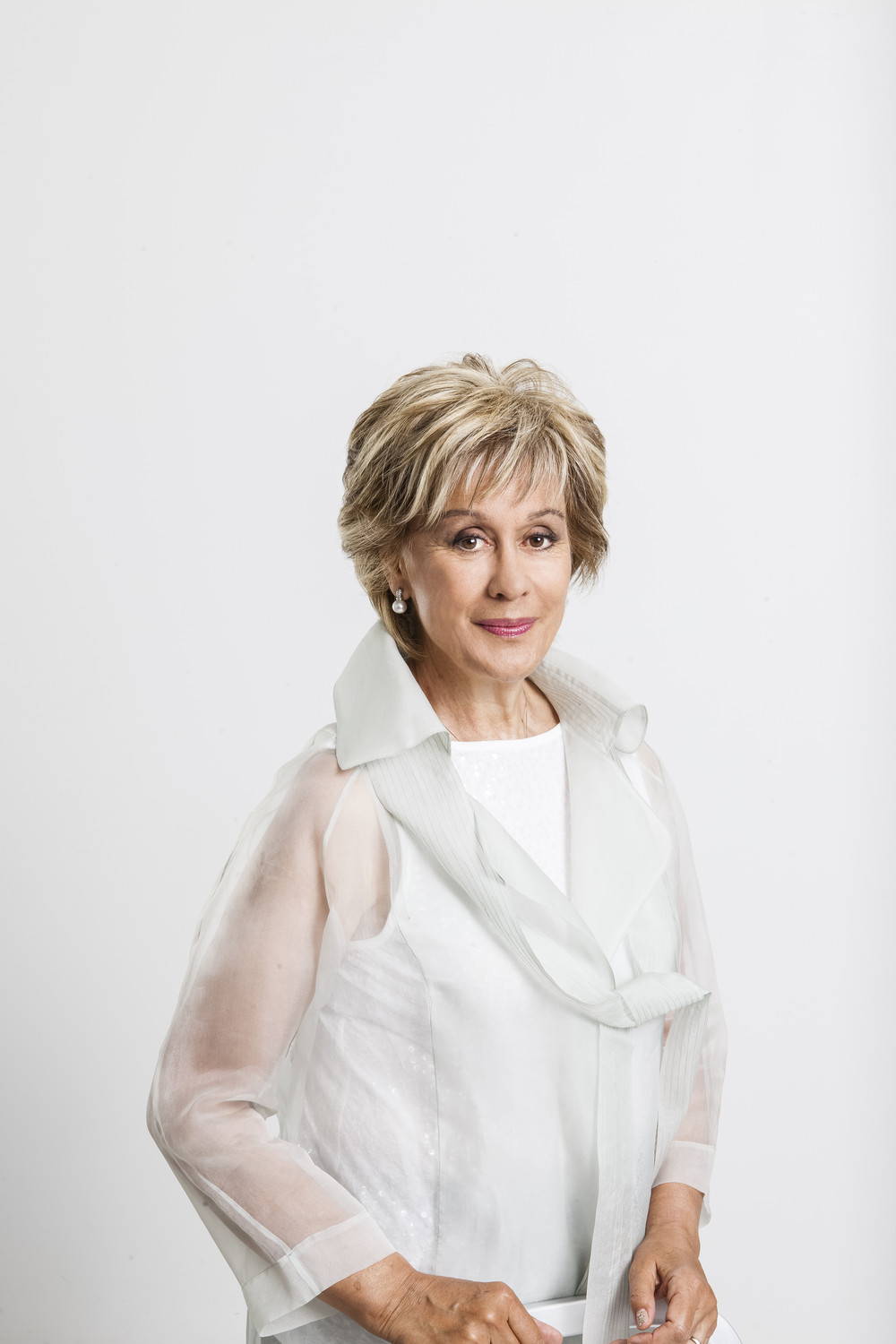
Kiri Te Kanawa
1975–1999
·
5 albums
Listen
3
/5
Genres
Deep Soundtrack
Deep soundtrack is a modern, cinematic substyle that emphasizes low, immersive textures, slow-moving harmony, and spacious ambience over bombast. It sits at the intersection of ambient music, post-classical scoring, and contemporary film/TV/game underscore, favoring drones, soft pulses, and intimate instruments (piano, strings, analog synths) treated with generous space and subtle sound design. Rather than foregrounding memorable themes or trailer-scale crescendos, deep soundtrack cultivates mood: tense, melancholic, or quietly hopeful. It is designed to sit under narrative, visuals, or concentration—music that breathes, evolves slowly, and suggests emotion without overwhelming it.
Discover
Listen
Modern Alternative Pop
Modern alternative pop is a broad, internet-era strain of pop that blends mainstream songcraft with left-of-center production, aesthetics, and subject matter. It borrows glossy hooks from radio pop while incorporating indie sensibilities, electronic textures, and experimental arrangement ideas. Lyrics lean confessional and self-aware—often addressing mental health, digital life, identity, and complicated relationships—with an emphasis on personality-forward vocal delivery. Sonically it spans hushed, minimal, bass-forward tracks to bright, synth-led anthems; what unites it is a willingness to break Top 40 conventions while remaining hook-centric and emotionally direct.
Discover
Listen
Singspiel
Singspiel is a German-language musical stage genre that alternates spoken dialogue with musical numbers such as arias, ensembles, choruses, and finales. Unlike through‑composed opera, the plot advances through spoken scenes, which makes the style theatrically agile and accessible to broad audiences. Musically, Singspiel blends tuneful, folk‑like melodies and clear Classical‑era harmonies with theatrical flair. Subjects range from domestic comedy to adventure, exoticism, and magic (Zauberoper), and the tone can move from light and humorous to noble and sentimental. It flourished in public theaters across German lands and Austria, where it became closely identified with Viennese stages in the late 18th century.
Discover
Listen
Opera Buffa
Opera buffa is an Italian comic opera tradition that crystallized in the early 18th century as a lively, vernacular counterpart to opera seria. It features everyday characters, social satire, rapid-fire patter singing (especially for the basso buffo), and bustling ensemble finales that drive the drama forward. Musically it favors clear, galant-era melody, diatonic harmony, recitativo secco with continuo in earlier works, and increasingly sophisticated multi-voice ensembles. Plotlines draw on commedia dell’arte archetypes and revolve around mistaken identities, class tensions, and witty intrigues, presented in the Italian language with crisp, syllabic text setting.
Discover
Listen
Opéra Comique
Opéra comique is a French operatic genre defined by the presence of spoken dialogue between musical numbers rather than by comic subject matter. Early works used popular tunes (vaudevilles) with newly written words, later evolving into fully original scores with arias, ensembles, finales, and orchestral writing. Originating in Paris fairground theatres, the genre developed at the Opéra-Comique institution into a flexible form that could encompass light, humorous plots as well as serious and even tragic stories. By the 19th century it ranged from graceful, classical elegance to full Romantic drama—so much so that a tragedy like Bizet’s Carmen is still called an opéra comique because it originally included spoken dialogue. Typical features include an overture, clear French prosody, memorable lyrical numbers (romances, couplets), conversational pacing, and finales that integrate multiple characters on stage. Harmony and orchestration track the broader shift from late Baroque/Classical clarity to Romantic color and intensity.
Discover
Listen
Opera
Opera is a large-scale theatrical genre that combines music, drama, and visual spectacle, in which the story is primarily conveyed through singing accompanied by an orchestra. It unites solo voices, ensembles, and chorus with staging, costumes, and often dance to create a total artwork. Emerging in late Renaissance Italy and flourishing in the Baroque era, opera developed signature forms such as recitative (speech-like singing that advances the plot) and aria (lyrical numbers that explore character and emotion). Over the centuries it evolved diverse national styles—Italian bel canto, French grand opéra, German music drama—while continually experimenting with orchestration, harmony, narrative structure, and stagecraft.
Discover
Listen
Māori Music
Māori music is the musical tradition of the Indigenous Māori of Aotearoa New Zealand, spanning ancient chant (mōteatea), percussive dance forms like haka and poi, and a rich corpus of waiata (songs) performed in te reo Māori. At its core are vocal expressions that range from free-rhythm, speech-like chant to later, post-contact part-singing influenced by Christian hymnody. Traditional sound worlds are shaped by taonga pūoro (Māori instruments) such as the kōauau (flute), pūtōrino (bugle-flute), pūtātara (conch trumpet), and various percussive and aerophonic instruments that imitate wind, birds, and the environment. In the modern era, Māori music includes both strictly traditional practice and contemporary fusion with reggae, pop, hip hop, and choral styles, while retaining tikanga (customs), communal participation, and strong links to genealogy, land, and language.
Discover
Listen
Classical
Classical music is the notated art-music tradition of Europe and its global descendants, characterized by durable forms, carefully codified harmony and counterpoint, and a literate score-based practice. The term “classical” can refer broadly to the entire Western art-music lineage from the Medieval era to today, not just the Classical period (c. 1750s–1820s). It privileges long-form structures (such as symphonies, sonatas, concertos, masses, and operas), functional or modal harmony, thematic development, and timbral nuance across ensembles ranging from solo instruments to full orchestras and choirs. Across centuries, the style evolved from chant and modal polyphony to tonal harmony, and later to post-tonal idioms, while maintaining a shared emphasis on written notation, performance practice, and craft.
Discover
Listen
Show all 8 genres
Albums
1999
2
/5
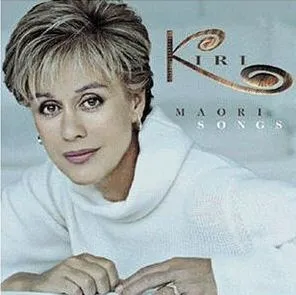
Maori Songs
Kiri
Māori Music
1990
2
/5
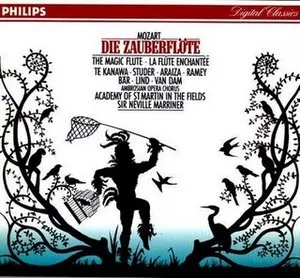
Die Zauberflöte
Wolfgang Amadeus Mozart
Singspiel
1982
2
/5
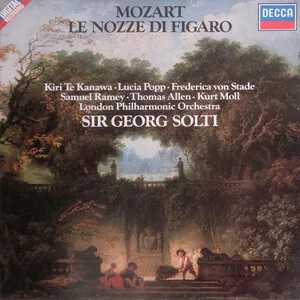
Le nozze di Figaro
Wolfgang Amadeus Mozart
Opera Buffa
1975
2
/5
Carmen
Georges Bizet
Opéra Comique
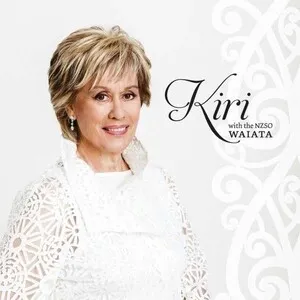
Waiata
Kiri Te Kanawa
Māori Music
Similar artists
4
/5
London Symphony Orchestra
Classical
Ballet
Concerto
4
/5
Berliner Philharmoniker
Classical
Romantic Classical
Romanticism
4
/5
London Philharmonic Orchestra
Opera
Classical
Deep Soundtrack
4
/5
Philharmonia Orchestra
Classical
Opera
Choral
4
/5
English Chamber Orchestra
Classical
Baroque
Chamber Music
3
/5
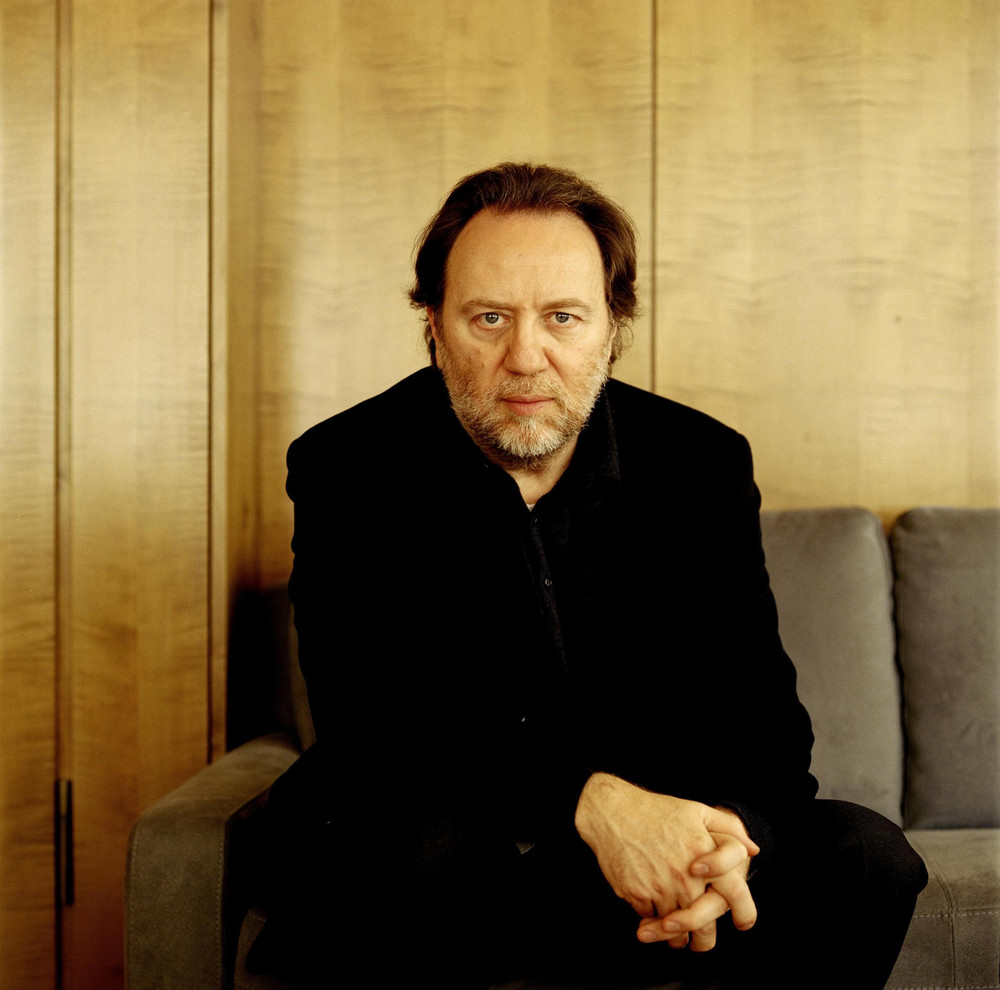
Riccardo Chailly
Classical
Deep Soundtrack
Isekai
4
/5
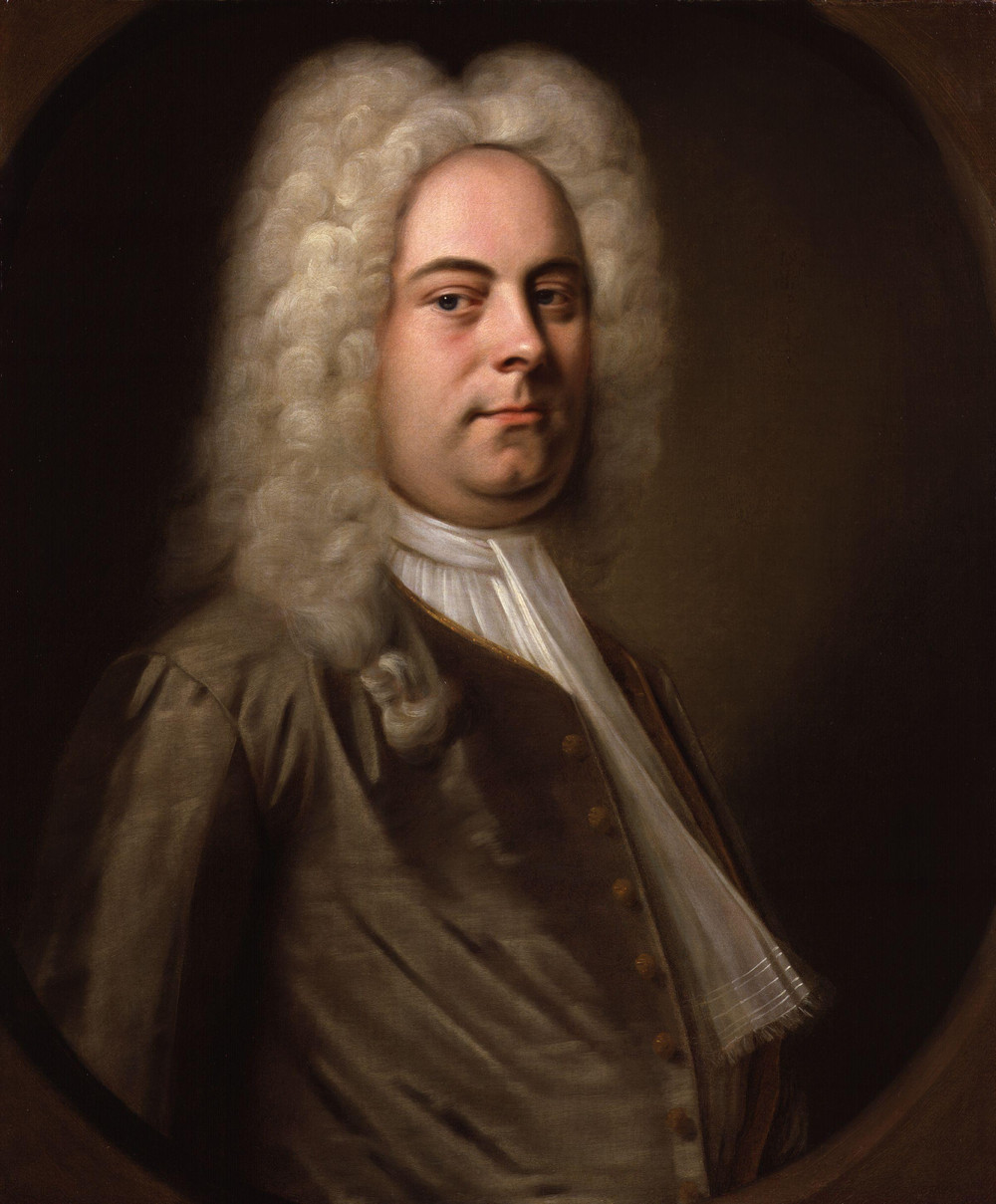
George Frideric Handel
Classical
Opera Seria
Baroque
3
/5
Léo Delibes
Opéra Comique
Classical
Deep Soundtrack
3
/5
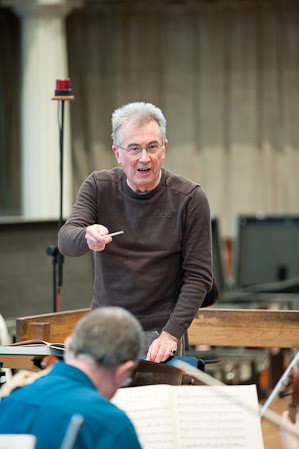
David Parry
Classical
Deep Soundtrack
Opera
3
/5
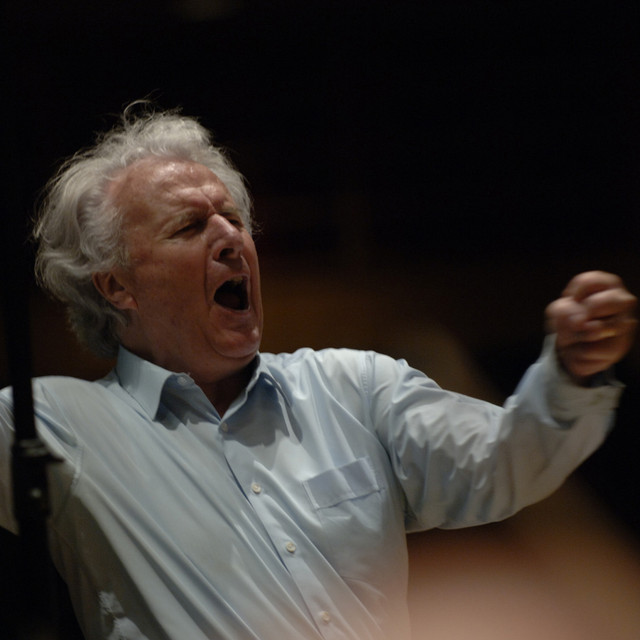
Sir Colin Davis
Classical
Requiem
Deep Soundtrack
Download our mobile app
Get the Melodigging app and start digging for new genres on the go
Download on the App Store
Get it on Google Play
© 2026 Melodigging
Give feedback
Legal
Melodding was created as a tribute to
Every Noise at Once
, which inspired us to help curious minds keep digging into music's ever-evolving genres.