Genres
Artists
Albums
Make Music
Sign in
Sign in
Artists
Jùjú
Artists
Jùjú
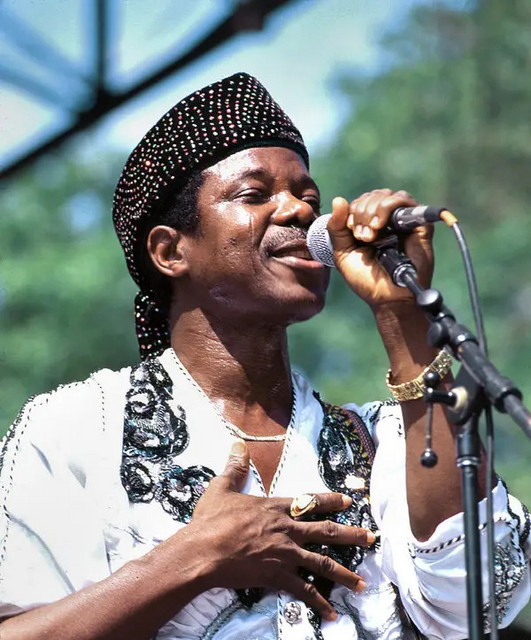
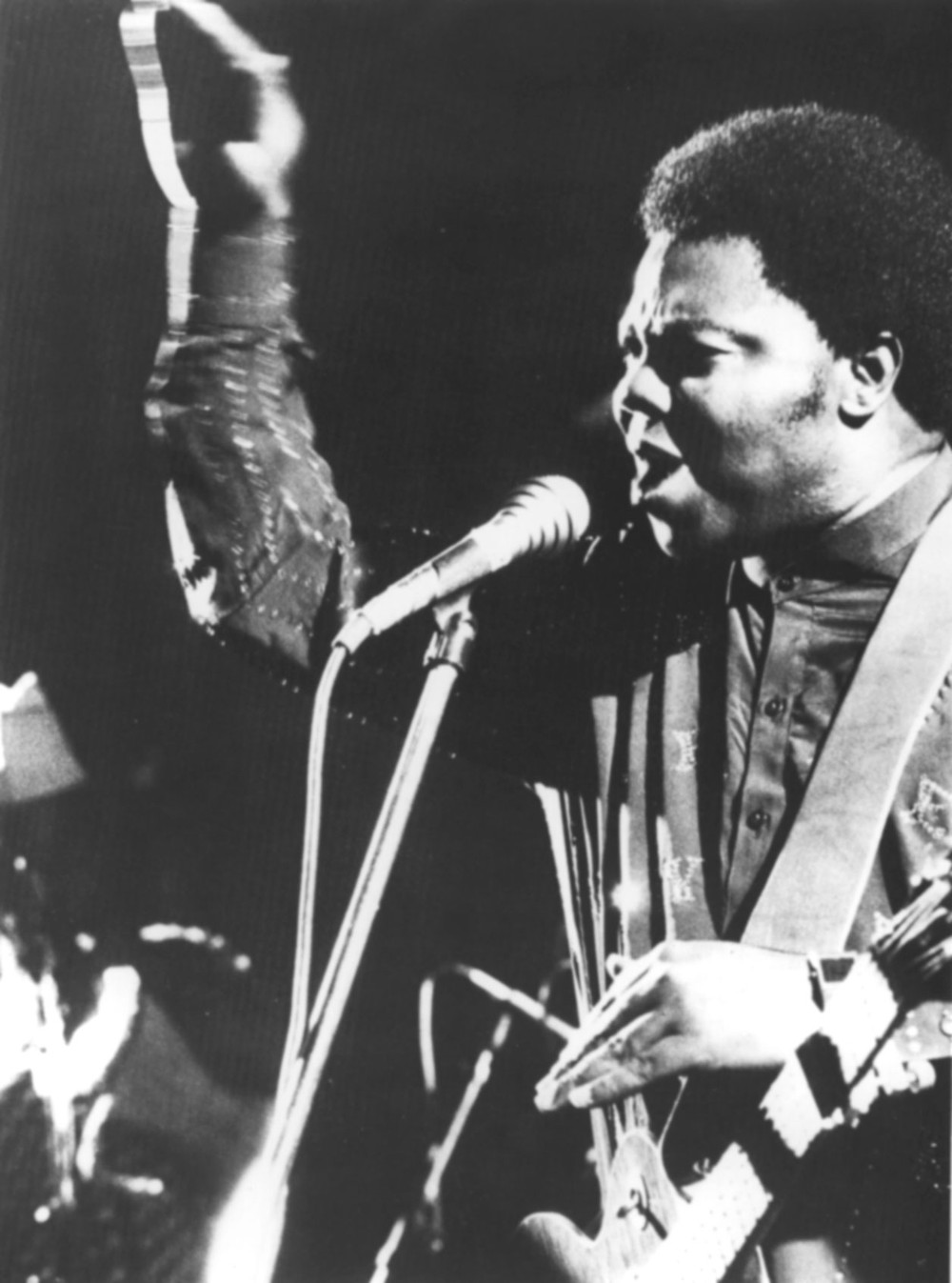
King Sunny Ade
1971–2023
·
32 albums
Listen
3
/5
Genres
Souldies
Souldies is a modern revival of classic lowrider “oldies” soul—slow, tender ballads rooted in 1960s and early-’70s sweet soul and doo‑wop aesthetics, reimagined by a new generation of largely Chicano/Latinx artists in Southern California. Characterized by warm, analog-leaning production, mellow backbeats, honeyed vocal harmonies, and heart‑on‑sleeve lyricism, the style favors mid‑slow tempos, tape‑like saturation, spring/plate reverb, and minimalist yet expressive arrangements. English and Spanish (or Spanglish) lyrics often explore love, longing, devotion, and cruising/lowrider culture. Souldies sits at the intersection of classic soul, rhythm & blues, northern soul selections, and Latin soul, offering a contemporary, community‑centered sound that feels both timeless and newly personal.
Discover
Listen
Afropop
Afropop is a modern, pan‑African pop style that blends West and Central African rhythmic traditions with global pop, R&B, hip hop, dancehall, and electronic production. It favors catchy toplines, call‑and‑response hooks, bright guitar licks inspired by highlife and soukous, and mid‑tempo grooves designed for dancing. Songs are often multilingual, moving fluidly between English or French and local languages or pidgins, while lyrics center on romance, joy, aspiration, and celebration. Production commonly uses syncopated percussion, warm sub‑bass, plucky synths or marimbas, and clean, melodic vocals (often with tasteful Auto‑Tune), resulting in an upbeat, accessible sound with unmistakably African groove and feel.
Discover
Listen
Afrobeat
Afrobeat is a horn-driven, polyrhythmic, and politically charged style that emerged in Nigeria, spearheaded by bandleader Fela Kuti and drummer Tony Allen. It fuses West African highlife and juju with American funk, jazz, and soul to create extended, hypnotic grooves. Typical tracks revolve around interlocking guitar and keyboard ostinatos, elastic bass vamps, dense percussion (shekere, congas, agogô, cowbell), and tightly arranged horn riffs that punctuate the beat. Vocals often use call-and-response and socially conscious lyrics, delivered in English, Nigerian Pidgin, or Yoruba. Harmonically sparse but rhythmically intricate, Afrobeat prioritizes feel: long, evolving arrangements, richly syncopated drum patterns, and sectional dynamics that spotlight solos and collective interplay.
Discover
Listen
Fuji
Fuji is a percussion‑driven popular music from southwestern Nigeria that grew out of Muslim wake‑up (wèrè/ajisari) songs performed during Ramadan. It blends the call‑and‑response vocals and praise‑singing tradition of Yoruba culture with dense drum ensembles, hand percussion, and later, modern band instruments. Characterized by rolling polyrhythms, insistent grooves, and melismatic lead vocals, fuji emphasizes rhythm and vocal interplay more than complex harmony. Since the 1980s it has absorbed elements of jùjú, highlife, and contemporary urban pop, producing both traditional street‑party variants and sleek, band‑backed concert styles.
Discover
Listen
Jùjú
Jùjú is a Yoruba-rooted popular music from southwestern Nigeria that blends indigenous percussion and call-and-response vocals with guitar-driven dance grooves. It is characterized by interlocking electric and steel guitars, talking drums (dundun family), shekere shakers, and long, flowing performances built on cyclical vamps. Often performed at weddings, ceremonies, and social gatherings, jùjú features praise-singing (oríkì), proverbial lyrics, and a warm, uplifting atmosphere that invites communal dancing.
Discover
Listen
Highlife
Highlife is a popular music genre from Ghana that blends indigenous rhythmic cycles and song forms with Western instrumentation and harmonies. It is instantly recognizable by its bright, interlocking guitar lines (often played with a two‑finger plucking technique), buoyant polyrhythms, call‑and‑response vocals, and jazzy horn riffs. Early dance‑band highlife favored brass and woodwinds (trumpet, saxophone, trombone) and big‑band arrangements, while guitar‑band highlife drew from palm‑wine guitar styles with lighter, lilted grooves. Across its variants, the music typically sits in major or mixolydian tonalities and uses dominant 7th/9th chord colors. From its coastal roots in the late 19th and early 20th centuries to post‑independence urban dance halls, highlife has continually evolved, later embracing electric guitars, synthesizers, and drum machines—yielding contemporary uptempo, synth‑driven forms that still retain the genre’s danceable feel.
Discover
Listen
Yoruba Music
Yoruba music refers to the traditional and popular musical practices of the Yoruba people of southwestern Nigeria and neighboring regions. It is built on polyrhythmic drum ensembles, call‑and‑response vocals, and praise poetry (oríkì) that celebrates deities, lineages, and notable individuals. Core instruments include the dùndún (talking drum) family, bàtá drums used in Òrìṣà ceremonies, sẹ̀kẹ̀rẹ̀ (gourd rattle), agogô (iron bell), sakara (frame drum), omele (support drums), and agídìgbò (a box lamellophone/bass thumb piano). Melodies closely follow the tonal contours of the Yoruba language, while lead drummers “speak” phrases on pressure drums. Across the 20th century, Yoruba music provided the foundation for modern styles such as jùjú, apala, sakara, waka, and fuji, and strongly informed pan‑African and global genres like afrobeat and afrobeats.
Discover
Listen
Griot
Griot (also called jeli/jali) is the hereditary West African tradition of poet-singers, historians, and musicians whose craft combines storytelling, praise-singing, genealogy, diplomacy, and music. It is centered in the Mande world of today’s Mali, Senegal, Gambia, and Guinea, and is best known for virtuosic performances on the kora (21‑string harp-lute), balafon (xylophone), and ngoni (lute), alongside powerful, ornamented vocals. Griot music is structured around cyclical ostinatos with improvisatory flourishes, call-and-response, and text that preserves communal memory—epics, lineages, and moral instruction—delivered in languages such as Mandinka and Bambara. While deeply traditional, the griot aesthetic has adapted to modern stages and studios, influencing global “world music,” West African pop, and blues-derived styles.
Discover
Listen
West African Music
West African music is a broad regional tradition centered on cyclical grooves, polyrhythms, and call-and-response, carried by griot (jeli) storytellers and community ensembles. Its core sound is driven by interlocking percussion patterns—often in 12/8 or 4/4—anchored by bell timelines and hand drums, over which praise-singing, chant, and melodic ostinatos unfold. Typical instruments include the kora (21‑string harp-lute), balafon (wooden xylophone), ngoni/xalam (lute), bolon (bass harp), talking drum, djembe and dunun, sabar, and shekere. Melodies tend to be modal and pentatonic, relying on repetition, variation, and improvisation. Islamic recitation and Sahelian court traditions contribute melismatic vocal styles and poetic structures, while coastal guitar idioms (palm‑wine, dance bands) shaped modern urban genres. From Mande jeliya to Wolof sabar and Yoruba bata/talking-drum ensembles, West African music is both ceremonial and social—used for praise, weddings, initiations, communal work, and dance. Its rhythmic logic, timbral layering, and participatory performance practice profoundly shaped global popular music.
Discover
Listen
Show all 9 genres
Albums
2023
1
/5
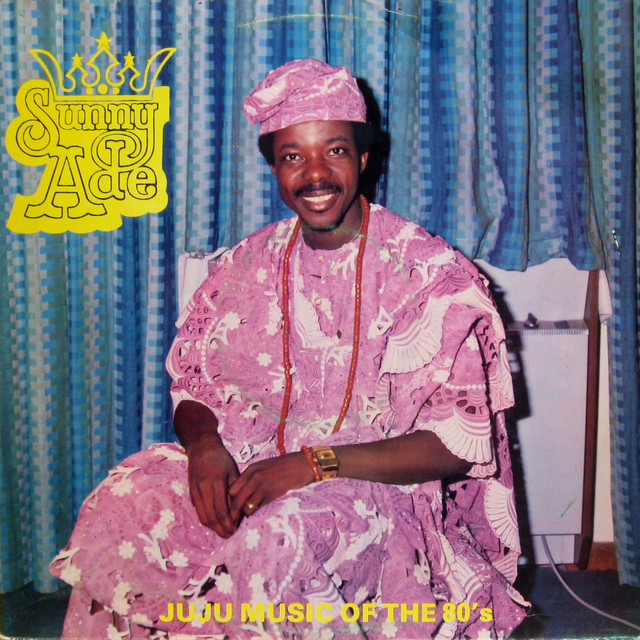
Juju Music of the 80's
King Sunny Ade
Jùjú
2019
1
/5
Lagos Evergreen Golden Oldies
King Sunny Ade
Jùjú
Griot
2010
1
/5
Baba Mo Tunde
King Sunny Adé
Jùjú
Yoruba Music
2007
1
/5
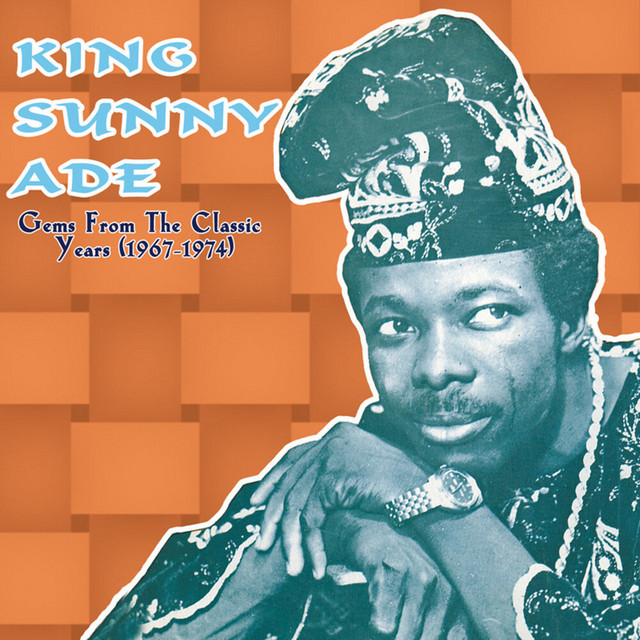
Gems From the Classic Years (1967-1974)
King Sunny Ade
Jùjú
2003
2
/5
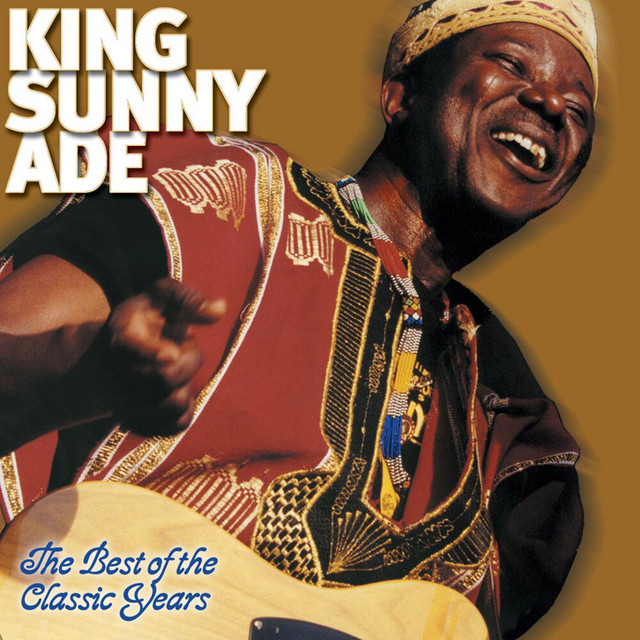
The Best of the Classic Years
King Sunny Ade
Jùjú
2001
3
/5
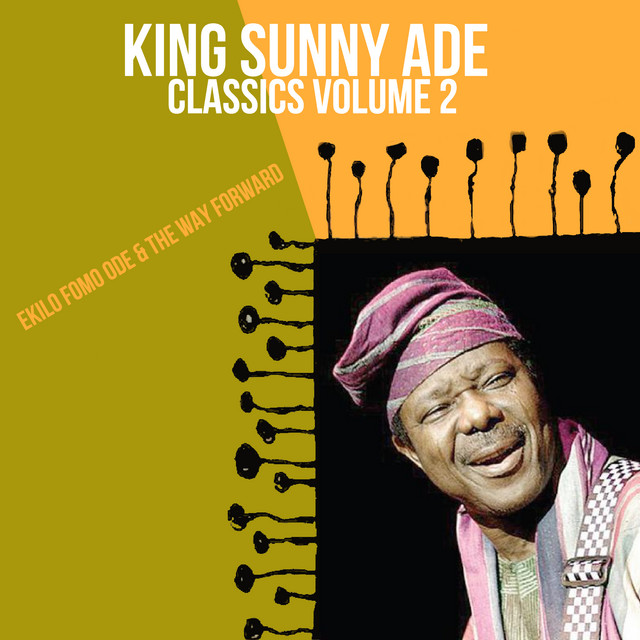
Classics, Vol. 2: Ekilo Fomo Ode & the Way Forward
King Sunny Ade
Jùjú
Griot
2000
3
/5
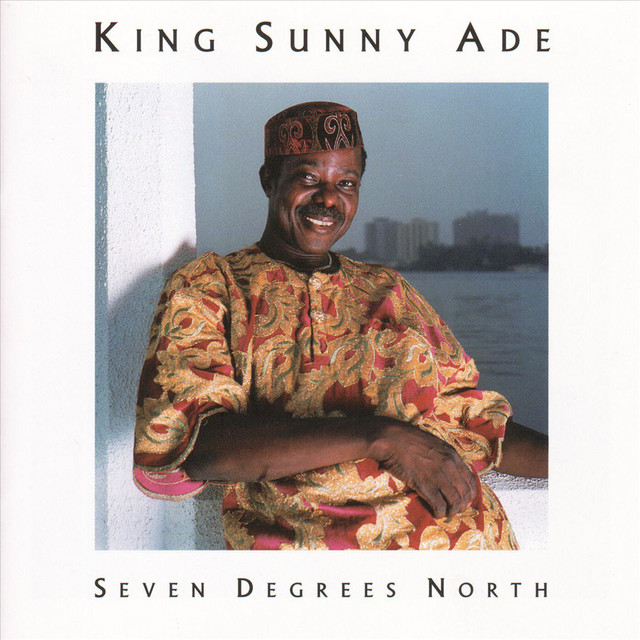
Seven Degrees North
King Sunny Adé
Jùjú
Griot
Yoruba Music
1999
3
/5
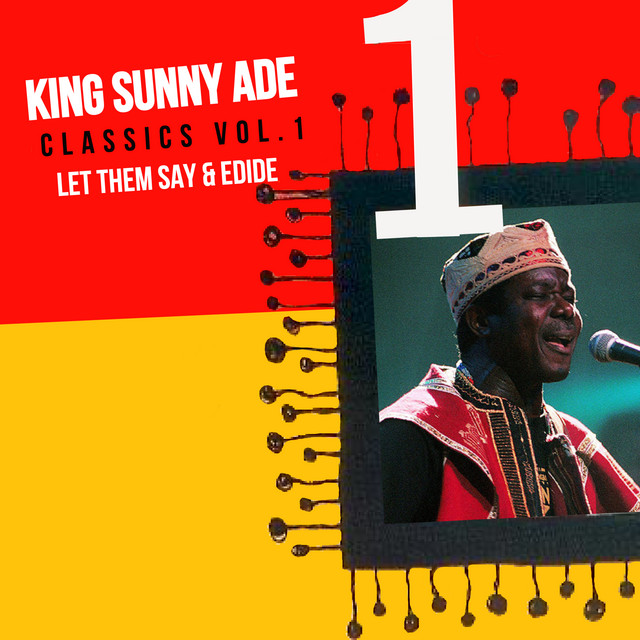
Classics, Vol. 1: Let Them Say & Edide
King Sunny Ade
Jùjú
Griot
1995
3
/5
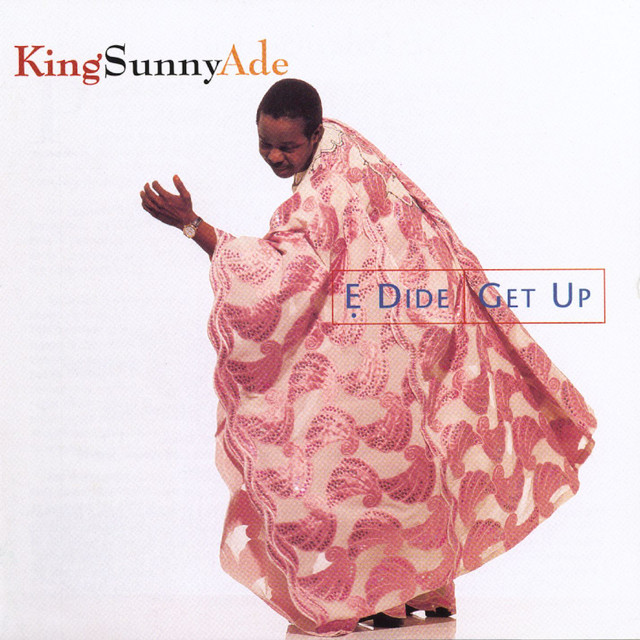
E dide Get Up
King Sunny Adé
Jùjú
Yoruba Music
Griot
1992
3
/5
Surprise
King Sunny Ade
Jùjú
Griot
1987
2
/5
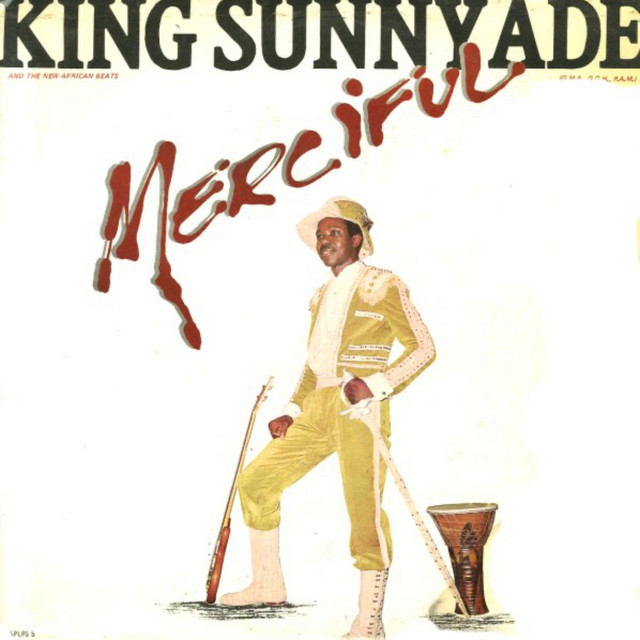
Merciful
King Sunny Ade
Jùjú
1986
1
/5
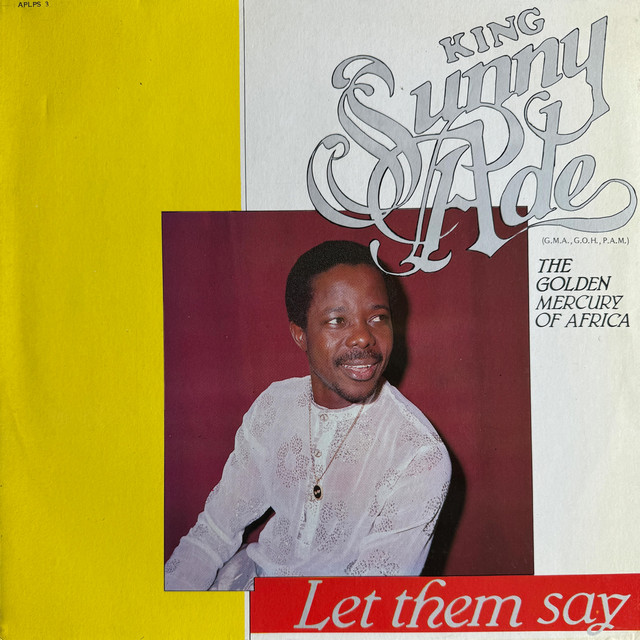
Let Them Say
King Sunny Ade
Jùjú
1985
1
/5
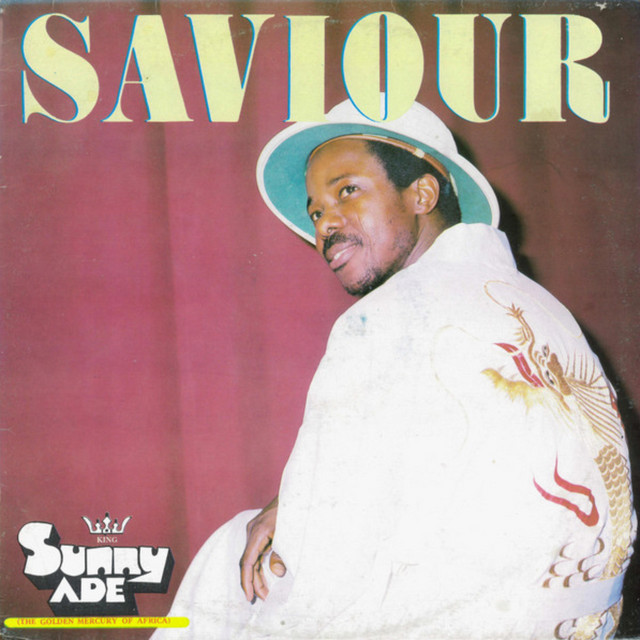
Saviour
King Sunny Ade
Jùjú
1984
1
/5
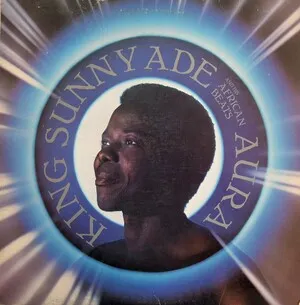
Aura
King Sunny Ade and His African Beats
Jùjú
Yoruba Music
1983
1
/5
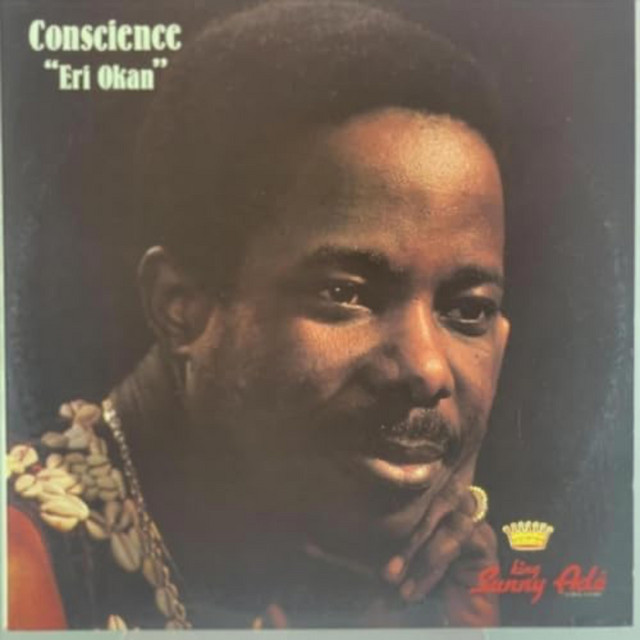
Conscience "Eri Okan"
King Sunny Ade
Jùjú
1983
1
/5
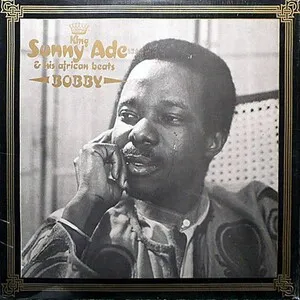
Bobby
King Sunny Adé
Jùjú
Yoruba Music
1983
1
/5
Synchro System
King Sunny Adé and His African Beats
Jùjú
Yoruba Music
1982
2
/5
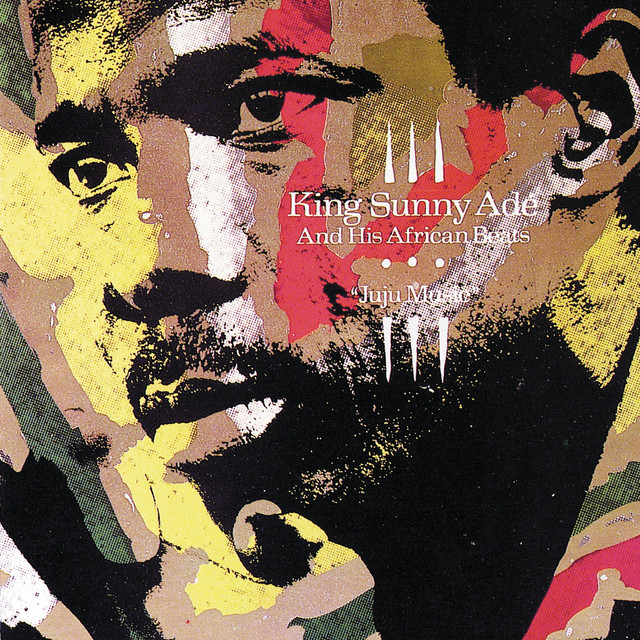
Juju Music
King Sunny Adé and His African Beats
Jùjú
Yoruba Music
West African Music
1982
2
/5
Juju Music
King Sunny Ade
Jùjú
1981
2
/5
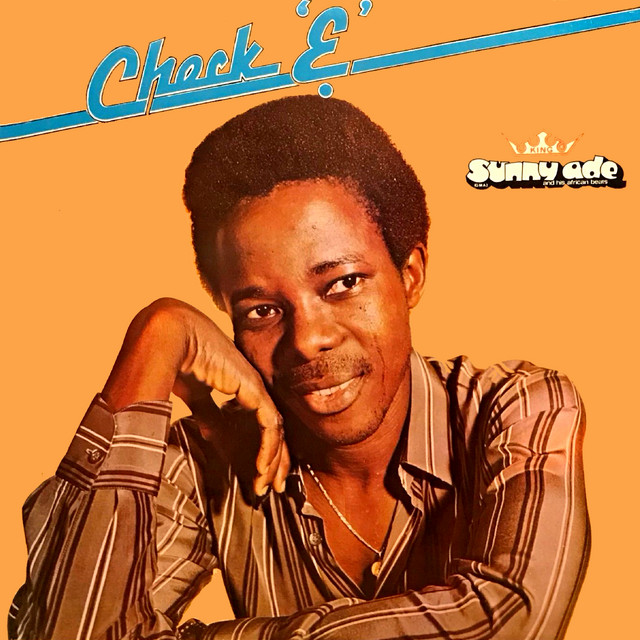
Check "E"
King Sunny Adé
Jùjú
Yoruba Music
Griot
1974
1
/5
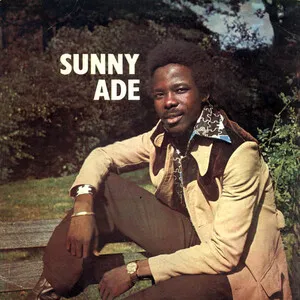
Sunny Ade, Vol. 1
King Sunny Ade
Jùjú
Griot
1971
2
/5
The Master Guitarist, Vol.1
Sunny Adé & His Green Spot Band
Jùjú
Yoruba Music
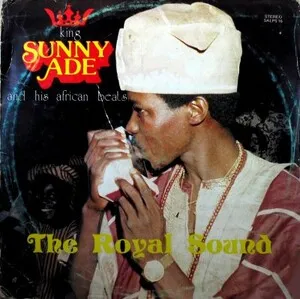
The Royal Sound
King Sunny Adé
Jùjú
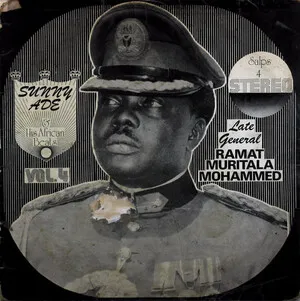
The Late General Murtala Mohammed
King Sunny Adé
Jùjú
Sunny Ade & His African Beats: Vol. 1
King Sunny Adé
Jùjú
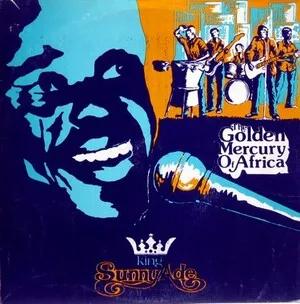
The Golden Mercury of Africa
King Sunny Adé
Jùjú
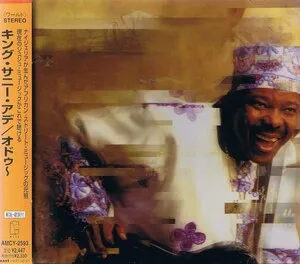
Odù
King Sunny Adé
Jùjú
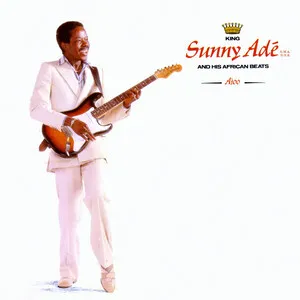
Ajoo
King Sunny Adé
Jùjú
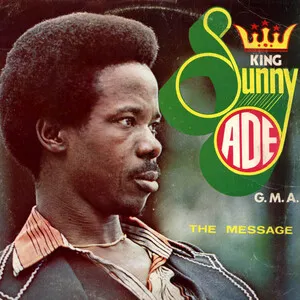
The Message
King Sunny Adé
Jùjú
Odù
King Sunny Adé
Yoruba Music
Ajoo
King Sunny Adé
Yoruba Music
The Message
King Sunny Adé
Yoruba Music
Similar artists
2
/5
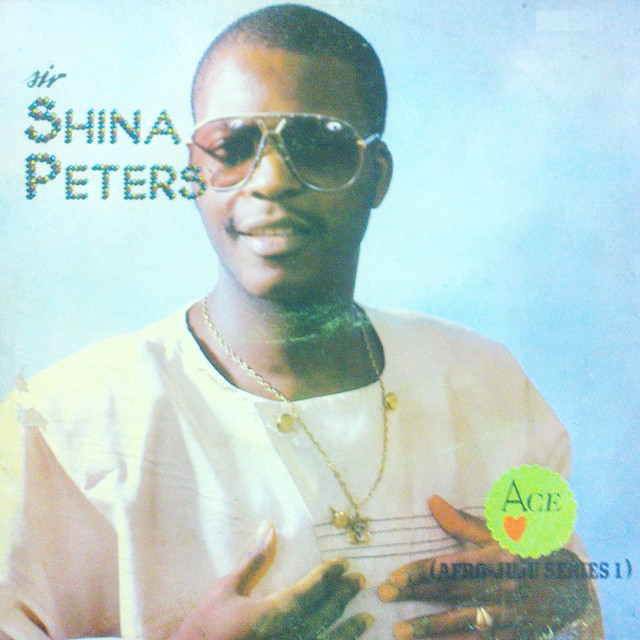
Sir Shina Peters
Jùjú
Afrobeat
Fuji
1
/5
Various Artists
Afro-Funk
Alternative Rock
Ambient
3
/5
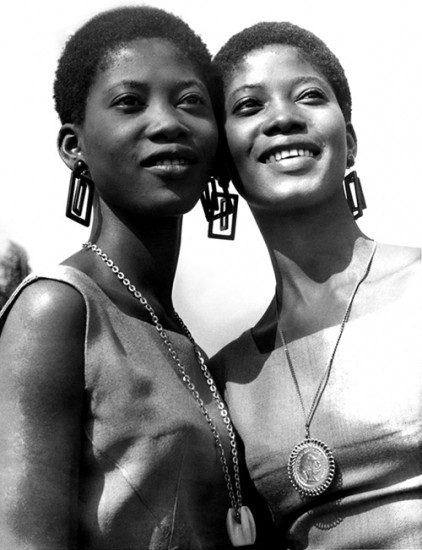
The Lijadu Sisters
Afro-Funk
Afrobeat
Highlife
2
/5
Sir Victor Uwaifo
Jùjú
Highlife
Afrobeat
2
/5
Babatunde Olatunji
Yoruba Music
Afrobeat
Afropop
1
/5
Gangbé Brass Band
Afrobeat
Jùjú
Brass Band
3
/5
Chief Commander Ebenezer Obey
Afropop
Fuji
Highlife
Uwaifo, Victor
Jùjú
Afrobeat
Highlife
2
/5
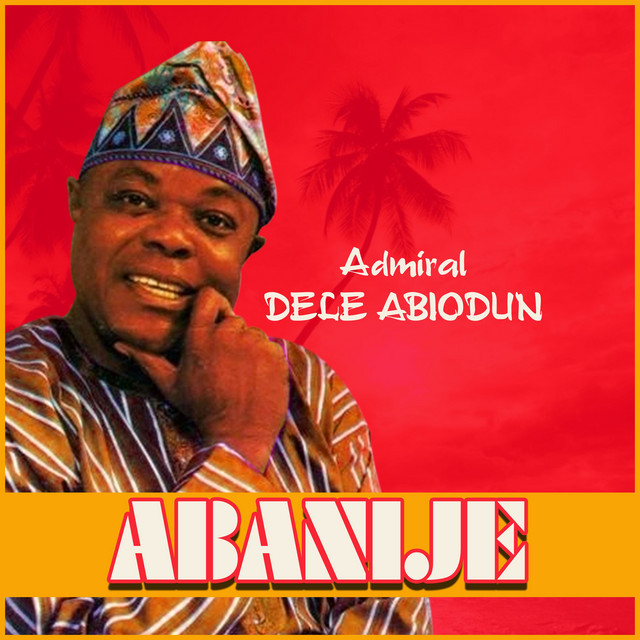
Admiral Dele Abiodun
Jùjú
Fuji
Highlife
2
/5
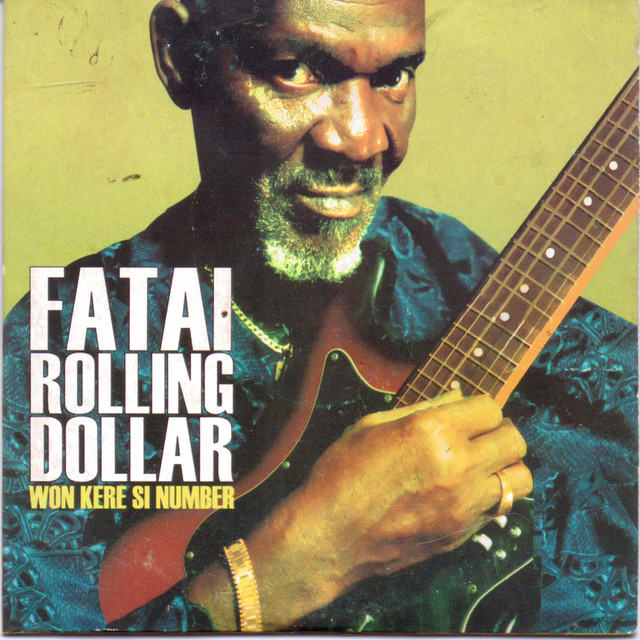
Fatai Rolling Dollar
Jùjú
Fuji
Highlife
Download our mobile app
Get the Melodigging app and start digging for new genres on the go
Download on the App Store
Get it on Google Play
© 2026 Melodigging
Give feedback
Legal
Melodding was created as a tribute to
Every Noise at Once
, which inspired us to help curious minds keep digging into music's ever-evolving genres.