Genres
Artists
Albums
Make Music
Sign in
Sign in
Artists
Yoruba Music
Artists
Yoruba Music
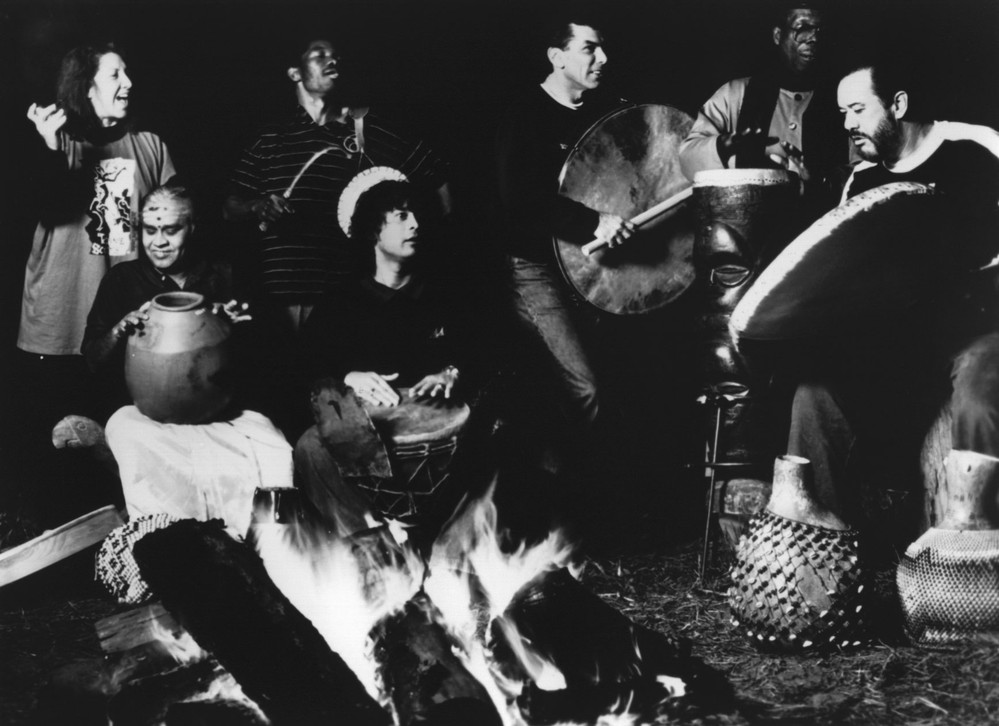
Babatunde Olatunji
1960–2021
·
5 albums
Listen
2
/5
Genres
Afropop
Afropop is a modern, pan‑African pop style that blends West and Central African rhythmic traditions with global pop, R&B, hip hop, dancehall, and electronic production. It favors catchy toplines, call‑and‑response hooks, bright guitar licks inspired by highlife and soukous, and mid‑tempo grooves designed for dancing. Songs are often multilingual, moving fluidly between English or French and local languages or pidgins, while lyrics center on romance, joy, aspiration, and celebration. Production commonly uses syncopated percussion, warm sub‑bass, plucky synths or marimbas, and clean, melodic vocals (often with tasteful Auto‑Tune), resulting in an upbeat, accessible sound with unmistakably African groove and feel.
Discover
Listen
Afrobeat
Afrobeat is a horn-driven, polyrhythmic, and politically charged style that emerged in Nigeria, spearheaded by bandleader Fela Kuti and drummer Tony Allen. It fuses West African highlife and juju with American funk, jazz, and soul to create extended, hypnotic grooves. Typical tracks revolve around interlocking guitar and keyboard ostinatos, elastic bass vamps, dense percussion (shekere, congas, agogô, cowbell), and tightly arranged horn riffs that punctuate the beat. Vocals often use call-and-response and socially conscious lyrics, delivered in English, Nigerian Pidgin, or Yoruba. Harmonically sparse but rhythmically intricate, Afrobeat prioritizes feel: long, evolving arrangements, richly syncopated drum patterns, and sectional dynamics that spotlight solos and collective interplay.
Discover
Listen
Afro-Funk
Afro-funk is a groove-driven fusion that marries the syncopated punch of American funk with West African rhythmic traditions such as highlife and jùjú. It features tightly interlocking rhythm sections, ostinato bass lines, bright horn riffs, call-and-response vocals, and guitar textures that often use wah-wah, palm-muted chanks, and cyclical vamps. While rooted in dance-floor energy, afro-funk retains a strong sense of locality—languages, proverbs, and social themes are woven into songs—making it both a party music and a vehicle for cultural expression. The sound flourished in the 1970s across West Africa, especially Nigeria, Ghana, and Benin, with some bands based in diasporic hubs like London, creating a pan-African, cosmopolitan take on funk.
Discover
Listen
Jazz-Funk
Jazz-funk is a groove-forward hybrid of jazz improvisation and harmony with the rhythmic drive and backbeat of funk. It features syncopated basslines, crisp drum patterns, and tight horn or keyboard riffs, often organized around vamping two- or four-bar progressions rather than complex chord changes. The sound is defined by electric instruments—Fender Rhodes, Clavinet, analog and early digital synthesizers, electric bass, and wah-inflected guitar—alongside punchy horn sections and extended solos. Compared to traditional jazz, the harmonic language is leaner but still rich, emphasizing 9ths, 11ths, 13ths, and modal centers (especially Dorian). The music aims for deep, danceable pocket, slick production, and a soulful, urban feel.
Discover
Listen
Makossa
Makossa is a dance music and song style from the city of Douala (Littoral Region), Cameroon. Rooted in Duala urban culture, it blends local guitar traditions with powerful electric bass ostinatos, tight drum set grooves, and a prominent horn section. Typically in common time (4/4) at brisk, dance‑floor tempos (about 130–170 BPM), makossa spotlights interlocking rhythm guitar and lead lines, call‑and‑response vocals, and a chorus of backing singers. Lyrics are most often sung in French, Duala, and Cameroonian Pidgin English. Texture and groove are central: the bass drives syncopated patterns, guitars shift fluidly between solo and rhythm roles, horns deliver catchy riffs, while percussion (including the time‑keeping glass bottle) locks the ensemble together. Since the 1970s, arrangers have also integrated brass voicings from funk, string pads from disco, and studio technology (from early microprocessors to modern DAWs) into the sound. Makossa shares DNA with soukous but generally leans more on horn lines and a weightier bass foundation. Its 1980s wave achieved continent‑wide popularity and meaningful international visibility, making it one of Cameroon's most celebrated musical "adventures."
Discover
Listen
Central African Music
Central African music is an umbrella term for the traditional and popular styles that emerged in and around the Congo Basin, including today’s Democratic Republic of the Congo, Republic of the Congo, Central African Republic, Cameroon, Gabon, Equatorial Guinea, and parts of Chad and Angola. It blends deep-rooted forest and Bantu musical practices—polyphonic vocal traditions, call-and-response singing, interlocking rhythms, slit- and frame-drum ensembles, thumb pianos (likembe/sanza), and xylophones—with urban dance-band instrumentation and Latin/Caribbean influences brought by early records from Cuba. In the mid‑20th century these elements crystallized in highly influential guitar-led dance musics (notably Congolese rumba and, later, soukous/ndombolo), alongside Cameroonian scenes such as makossa and bikutsi. Signature traits include buoyant, cyclical grooves; bright, interlocking guitar parts (the sebene); syncopated bass ostinatos; bell and shaker time-lines; and exuberant call-and-response vocals in languages such as Lingala, French, Sango, Duala, and others. The result ranges from tender, romantic rumba ballads to fast, ecstatic dance pieces that dominate social life and regional club culture.
Discover
Listen
Folk
Folk is a song-centered acoustic tradition rooted in community storytelling, everyday life, and social history. It emphasizes clear melodies, simple harmonies, and lyrics that foreground narrative, protest, and personal testimony. As a modern recorded genre, folk coalesced in the early-to-mid 20th century in the United States out of older ballad, work song, and rural dance traditions. It typically features acoustic instruments (guitar, banjo, fiddle, mandolin, harmonica), strophic song forms, and participatory singing (choruses, call-and-response).
Discover
Listen
Country
Country is a roots-based popular music from the rural American South that blends Anglo-Celtic ballad traditions with African American blues, gospel, and string-band dance music. It is characterized by narrative songwriting, plainspoken vocals with regional twang, and a palette of acoustic and electric instruments such as acoustic guitar, fiddle, banjo, pedal steel, and telecaster guitar. Rhythmically it favors two-step feels, train beats, shuffles, and waltzes, while harmony is largely diatonic (I–IV–V) with occasional country chromaticism and secondary dominants. Across a century, country has evolved through substyles like honky-tonk, the Nashville and Bakersfield sounds, outlaw country, neotraditionalist revivals, pop-country, and country-rap hybrids, but it consistently prioritizes storytelling about everyday life, love, work, faith, place, and identity.
Discover
Listen
Jùjú
Jùjú is a Yoruba-rooted popular music from southwestern Nigeria that blends indigenous percussion and call-and-response vocals with guitar-driven dance grooves. It is characterized by interlocking electric and steel guitars, talking drums (dundun family), shekere shakers, and long, flowing performances built on cyclical vamps. Often performed at weddings, ceremonies, and social gatherings, jùjú features praise-singing (oríkì), proverbial lyrics, and a warm, uplifting atmosphere that invites communal dancing.
Discover
Listen
Jazz
Jazz is an improvisation-centered music tradition that emerged from African American communities in the early 20th century. It blends blues feeling, ragtime syncopation, European harmonic practice, and brass band instrumentation into a flexible, conversational art. Defining features include swing rhythm (a triplet-based pulse), call-and-response phrasing, blue notes, and extended harmonies built on 7ths, 9ths, 11ths, and 13ths. Jazz is as much a way of making music—spontaneous interaction, variation, and personal sound—as it is a set of forms and tunes. Across its history, jazz has continually hybridized, from New Orleans ensembles and big-band swing to bebop, cool and hard bop, modal and free jazz, fusion, and contemporary cross-genre experiments. Its influence permeates global popular and art music.
Discover
Listen
Yoruba Music
Yoruba music refers to the traditional and popular musical practices of the Yoruba people of southwestern Nigeria and neighboring regions. It is built on polyrhythmic drum ensembles, call‑and‑response vocals, and praise poetry (oríkì) that celebrates deities, lineages, and notable individuals. Core instruments include the dùndún (talking drum) family, bàtá drums used in Òrìṣà ceremonies, sẹ̀kẹ̀rẹ̀ (gourd rattle), agogô (iron bell), sakara (frame drum), omele (support drums), and agídìgbò (a box lamellophone/bass thumb piano). Melodies closely follow the tonal contours of the Yoruba language, while lead drummers “speak” phrases on pressure drums. Across the 20th century, Yoruba music provided the foundation for modern styles such as jùjú, apala, sakara, waka, and fuji, and strongly informed pan‑African and global genres like afrobeat and afrobeats.
Discover
Listen
Show all 11 genres
Albums
2021
1
/5
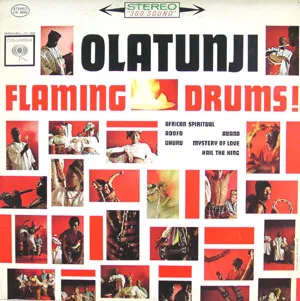
Flaming Drums!
Olatunji
Yoruba Music
2005
1
/5
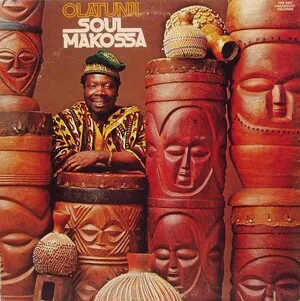
Soul Makossa
Olatunji
Makossa
Jùjú
Yoruba Music
1989
1
/5
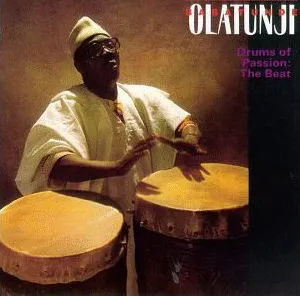
Drums of Passion: The Beat
Babatunde Olatunji
Yoruba Music
Afrobeat
Jazz
1988
1
/5
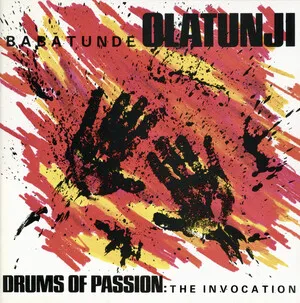
Drums of Passion: The Invocation
Babatunde Olatunji
Yoruba Music
Afrobeat
Country
1960
2
/5
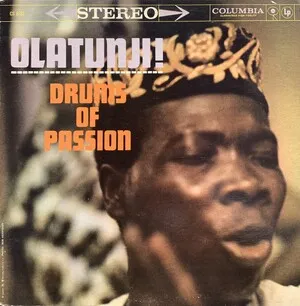
Drums of Passion
Olatunji!
Yoruba Music
Afrobeat
Folk
Similar artists
3
/5
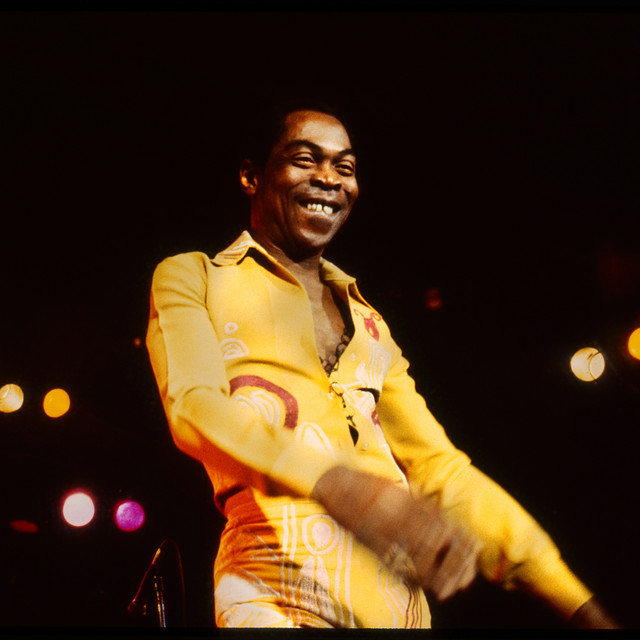
Fela Kuti
Afrobeat
African Music
Jazz
3
/5
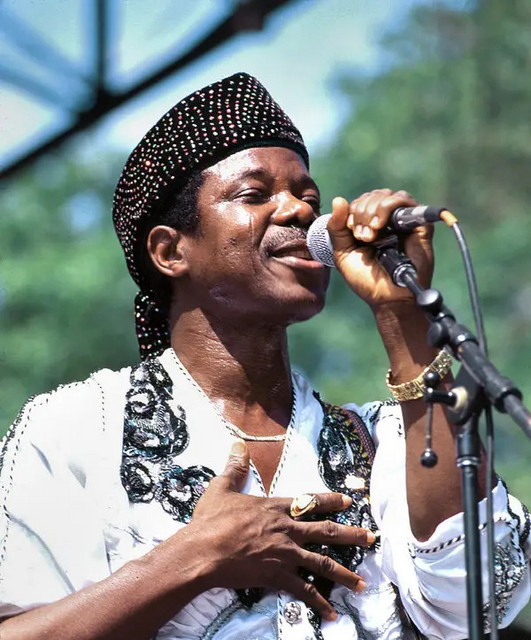
King Sunny Ade
Jùjú
Griot
Yoruba Music
3
/5
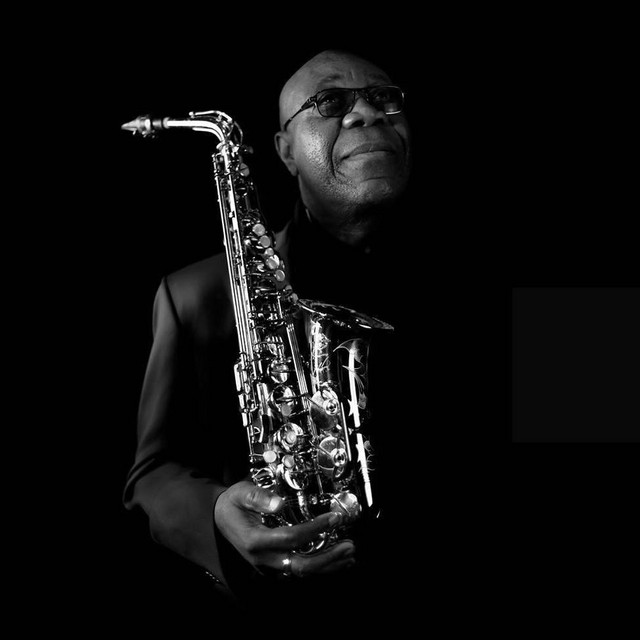
Manu Dibango
Makossa
Afrobeat
Jazz
1
/5
Various Artists
Afro-Funk
Alternative Rock
Ambient
3
/5
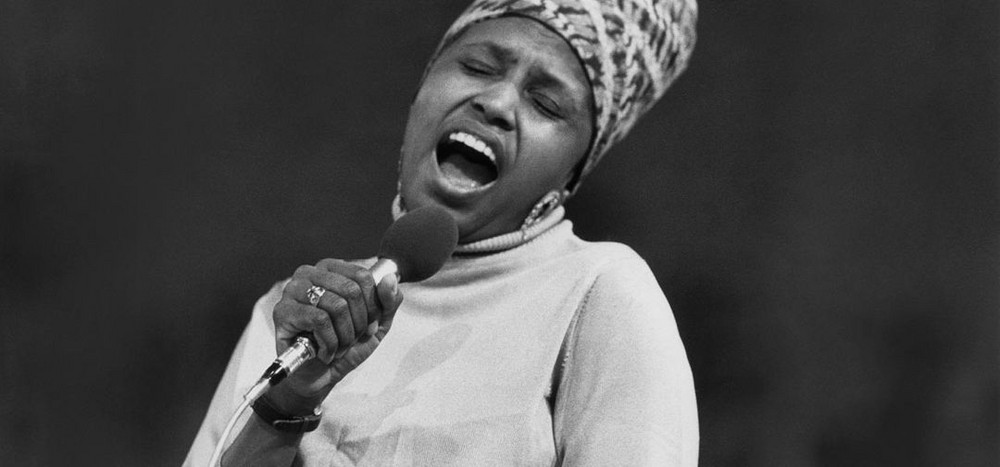
Miriam Makeba
Marabi
Folk
Pop
1
/5
Embryo
Krautrock
Jazz
Jazz Rock
3
/5
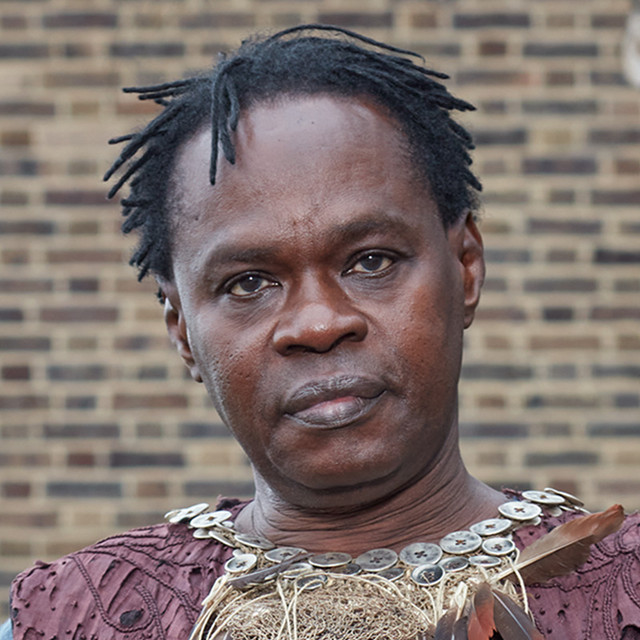
Baaba Maal
Fula Music
Griot
Afropop
3
/5
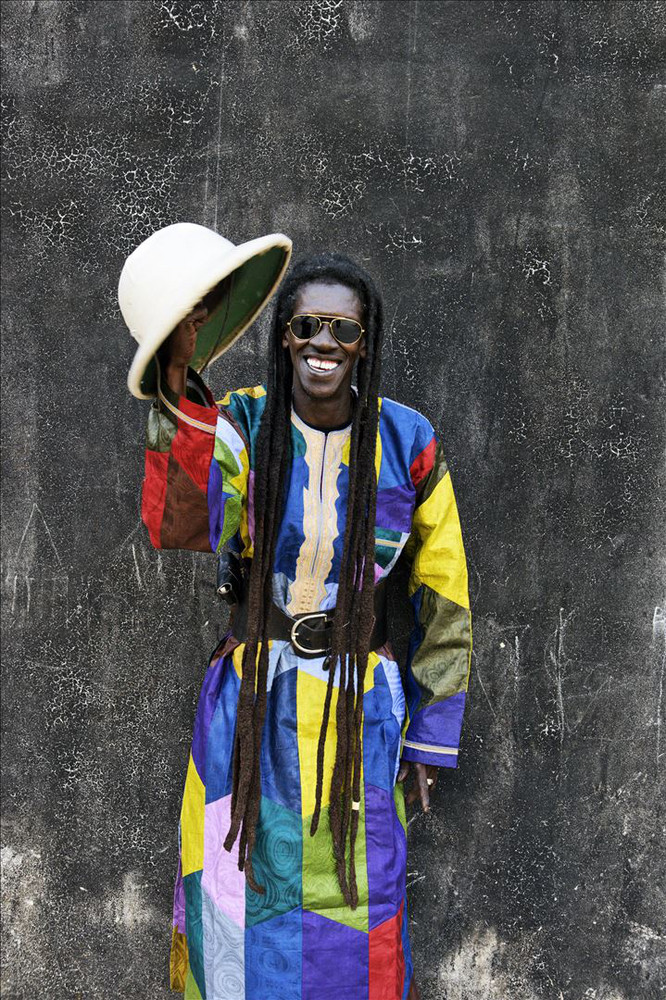
Cheikh Lô
Mbalax
Wolof Music
Afropop
2
/5
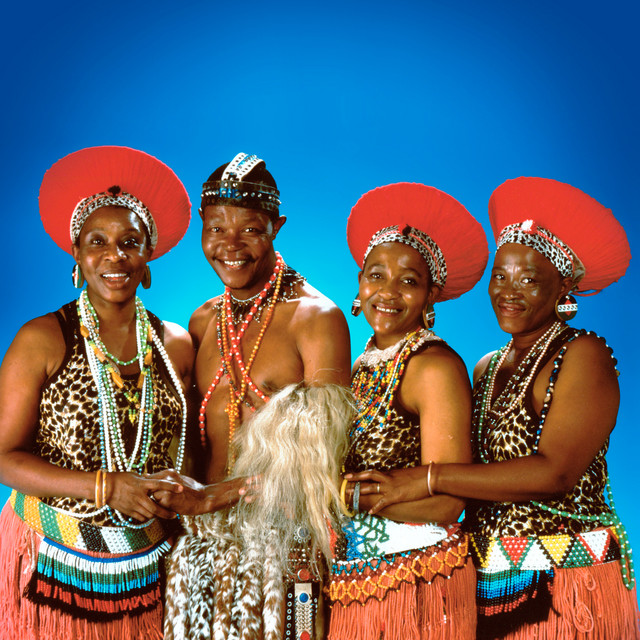
Mahlathini and the Mahotella Queens
Afropop
Champeta
Marabi
Yoruba Dun Dun Orchestra
Afrobeat
Art Rock
Jazz
Download our mobile app
Get the Melodigging app and start digging for new genres on the go
Download on the App Store
Get it on Google Play
© 2026 Melodigging
Give feedback
Legal
Melodding was created as a tribute to
Every Noise at Once
, which inspired us to help curious minds keep digging into music's ever-evolving genres.