Genres
Artists
Albums
Make Music
Sign in
Sign in
Artists
Requiem
Artists
Requiem
Kim Daerye
1994
·
1 album
Listen
1
/5
Genres
Traditional Music
Traditional music is an umbrella term used in the mid–20th century by folklorists and ethnomusicologists to denote community-rooted, orally transmitted repertoires tied to social ritual, work, celebration, and storytelling. Unlike commercial pop or art-music traditions, traditional music is typically learned by ear, varies regionally, and evolves slowly through communal participation. It often features modal melodies, cyclic rhythms, heterophony or unison singing, and indigenous instruments whose timbres are integral to local identity. Lyrics tend to preserve language, history, and collective memory. While the musical practices themselves can be ancient, the phrase “traditional music” emerged to replace earlier, narrower or colonial framings like “folk” or “ethnic” music, foregrounding continuity, locality, and living practice rather than exoticism.
Discover
Listen
Muak
Muak is the traditional Korean shamanic music performed within gut (ritual) ceremonies to invite, appease, and send off deities and ancestral spirits. It is an ecstatic, participatory music that combines chant, dance, and instrumental ensemble performance to induce trance states for the shaman (mudang) and the community. The sound world centers on piercing double-reed oboes (taepyeongso/hojok), bamboo and reed flutes (daegeum and piri), two-string fiddle (haegeum), zither (gayageum), and a powerful percussion battery—small hand gong (kkwaenggwari), large hanging gong (jing), hourglass drum (janggu), and barrel drum (buk). Melodies move in modal frameworks such as ujo and gyemyonjo, while rhythm unfolds through cyclic changdan patterns like gutgeori, jajinmori, and semachi. Vocal delivery is declamatory and improvised, often recounting mythic narratives (e.g., bonpuri on Jeju) and blessing formulae.
Discover
Listen
Requiem
A requiem is a musical setting of the Roman Catholic Mass for the Dead (Missa pro defunctis). Historically rooted in Latin liturgy, it sets movements such as the Introit, Kyrie, (historically) the Sequence Dies irae, Offertory, Sanctus, Agnus Dei, and Communion, and often includes additional responsories like Libera me and In paradisum. While the earliest requiems were monophonic chants, the genre became a showcase for polyphonic and later symphonic choral writing. Renaissance composers wrote austere, modal settings; Classical and Romantic composers expanded the forces and dramatic scope; and 20th–21st century composers reimagined the form with new languages, from neo-modal and impressionistic harmonies to avant‑garde sonorities. Today, requiems appear both in liturgy and as concert works, symbolizing collective mourning, remembrance, and spiritual reflection.
Discover
Listen
Korean Folk Music
Korean folk music (minyo and related traditions) encompasses the vernacular songs, percussion ensembles, narrative epics, and ritual pieces that grew outside the court in villages and marketplaces across the Korean peninsula. It features cyclic rhythmic patterns (jangdan), pentatonic modal systems such as pyeongjo, ujo, and gyemyeonjo, and distinctive vocal ornamentation (sigimsae) that conveys the affect known as han (a bittersweet, often plaintive sentiment). Core idioms include minyo (regional folksongs like Arirang), pansori (long-form sung storytelling), sinawi (shamanic-rooted ensemble improvisation), and pungmul/nongak (outdoor farmers’ percussion), performed on instruments such as gayageum and geomungo (zithers), haegeum (spike fiddle), daegeum and piri (flutes/oboes), and the four samul percussion instruments (kkwaenggwari, jing, janggu, buk).
Discover
Listen
Korean Music
Korean music (gugak) encompasses the traditional, courtly, religious, and folk music of the Korean Peninsula, as well as the modern popular styles that emerged in the 20th and 21st centuries. Traditional Korean music is built on modal systems such as pyeongjo and gyemyeonjo, cyclical rhythms called jangdan (e.g., jinyangjo, jungmori, jajinmori), heterophonic textures, and expressive ornamentation known as sigimsae. Core instruments include the gayageum (zither), geomungo (plucked zither), daegeum (bamboo flute), haegeum (two-string fiddle), piri (oboe), and percussion like janggu and buk. Modern Korean music ranges from trot and ballad to globalized K-pop, K-rap, and K-rock, blending indigenous aesthetics with Western harmony, electronic production, and tightly choreographed performance.
Discover
Listen
Albums
1994
1
/5
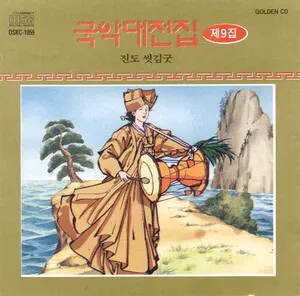
진도 씻김굿
Kim Daerye 김대례
Muak
Korean Folk Music
Korean Music
Similar artists
1
/5
황병기
Changjak Gugak
Japanese Classical
Korean Folk Music
1
/5
SamulNori
Pungmul
Korean Folk Music
Traditional Music
1
/5
CHUDAHYE CHAGIS
Fusion Gugak
Korean Folk Music
East Asian Folk Music
1
/5
Kim Suk Chul Ensemble
Traditional Folk
East Asian Folk Music
East Asian Music
1
/5
Paula Hoffman
Choral
Requiem
Traditional Music
1
/5
JeongHyun Chu
Traditional Music
Korean Folk Music
Sanjo
3
/5
Unknown
Ragtime
Classical
East Asian Classical Music
1
/5
ADG7
Joseon Pop
Fusion Gugak
Korean Folk Music
1
/5
Dal:um
Changjak Gugak
East Asian Folk Music
Fusion Gugak
1
/5
Seungmin Cha
Ambient
Experimental
Fusion Gugak
Download our mobile app
Get the Melodigging app and start digging for new genres on the go
Download on the App Store
Get it on Google Play
© 2026 Melodigging
Give feedback
Legal
Melodding was created as a tribute to
Every Noise at Once
, which inspired us to help curious minds keep digging into music's ever-evolving genres.