Genres
Artists
Albums
Make Music
Sign in
Sign in
Artists
Traditional Music
Artists
Traditional Music
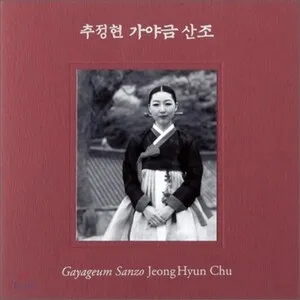
JeongHyun Chu
2011
·
1 album
Listen
1
/5
Genres
Traditional Music
Traditional music is an umbrella term used in the mid–20th century by folklorists and ethnomusicologists to denote community-rooted, orally transmitted repertoires tied to social ritual, work, celebration, and storytelling. Unlike commercial pop or art-music traditions, traditional music is typically learned by ear, varies regionally, and evolves slowly through communal participation. It often features modal melodies, cyclic rhythms, heterophony or unison singing, and indigenous instruments whose timbres are integral to local identity. Lyrics tend to preserve language, history, and collective memory. While the musical practices themselves can be ancient, the phrase “traditional music” emerged to replace earlier, narrower or colonial framings like “folk” or “ethnic” music, foregrounding continuity, locality, and living practice rather than exoticism.
Discover
Listen
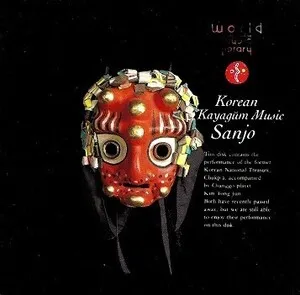
Sanjo
Sanjo is a Korean instrumental solo genre characterized by a continuous suite of increasingly faster movements performed by a single melodic instrument with rhythmic accompaniment on the janggu (hourglass drum). It is best known through gayageum sanjo, but parallel traditions exist for geomungo, daegeum, haegeum, piri, and other instruments. The music unfolds through set rhythmic cycles (jangdan) that accelerate from very slow to very fast, while the soloist spins ornate, semi-improvised variations on core motifs. Typical modes (jo) include pyeongjo and gyemyeonjo, and the performance relies on signature ornaments (sigimsae) such as slides, microtonal bends, and vibrato. Sanjo is deeply expressive—moving from introspective pathos to exhilarating virtuosity—and is a cornerstone of modern Korean traditional performance practice.
Discover
Listen
Korean Folk Music
Korean folk music (minyo and related traditions) encompasses the vernacular songs, percussion ensembles, narrative epics, and ritual pieces that grew outside the court in villages and marketplaces across the Korean peninsula. It features cyclic rhythmic patterns (jangdan), pentatonic modal systems such as pyeongjo, ujo, and gyemyeonjo, and distinctive vocal ornamentation (sigimsae) that conveys the affect known as han (a bittersweet, often plaintive sentiment). Core idioms include minyo (regional folksongs like Arirang), pansori (long-form sung storytelling), sinawi (shamanic-rooted ensemble improvisation), and pungmul/nongak (outdoor farmers’ percussion), performed on instruments such as gayageum and geomungo (zithers), haegeum (spike fiddle), daegeum and piri (flutes/oboes), and the four samul percussion instruments (kkwaenggwari, jing, janggu, buk).
Discover
Listen
Albums
2011
1
/5
가야금 산조 (Gayageum Sanzo)
Chu Jeong-hyun 추정현
Sanjo
Korean Folk Music
Similar artists
1
/5
황병기
Changjak Gugak
Japanese Classical
Korean Folk Music
1
/5
Kim Hae-Sook
Traditional Music
Sanjo
1
/5
Yoon Ho-Se
Traditional Music
Sanjo
1
/5
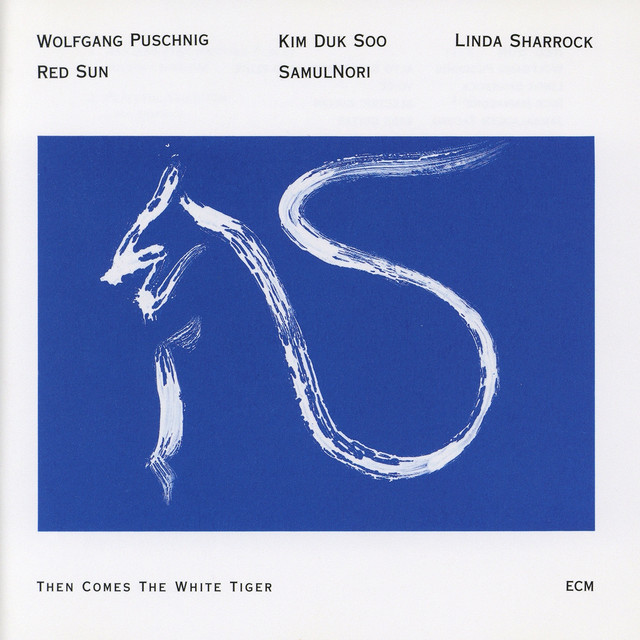
SamulNori
Pungmul
Korean Folk Music
Traditional Music
1
/5
Kim Daerye
Requiem
Traditional Music
Korean Folk Music
김죽파
Korean Folk Music
Sanjo
3
/5
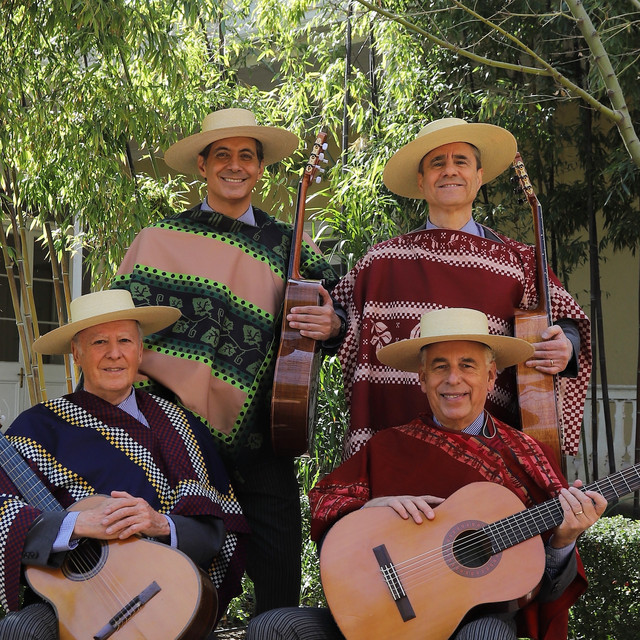
Los Huasos Quincheros
Tonada Chilena
Folclor Andino
Musica Nublensina
3
/5
Ntencane
Traditional Music
3
/5
Duma
Traditional Music
3
/5
Khuzani
Traditional Music
Maskanda
Download our mobile app
Get the Melodigging app and start digging for new genres on the go
Download on the App Store
Get it on Google Play
© 2026 Melodigging
Give feedback
Legal
Melodding was created as a tribute to
Every Noise at Once
, which inspired us to help curious minds keep digging into music's ever-evolving genres.