Genres
Artists
Albums
Make Music
Sign in
Sign in
Artists
Drill And Bass
Artists
Drill And Bass
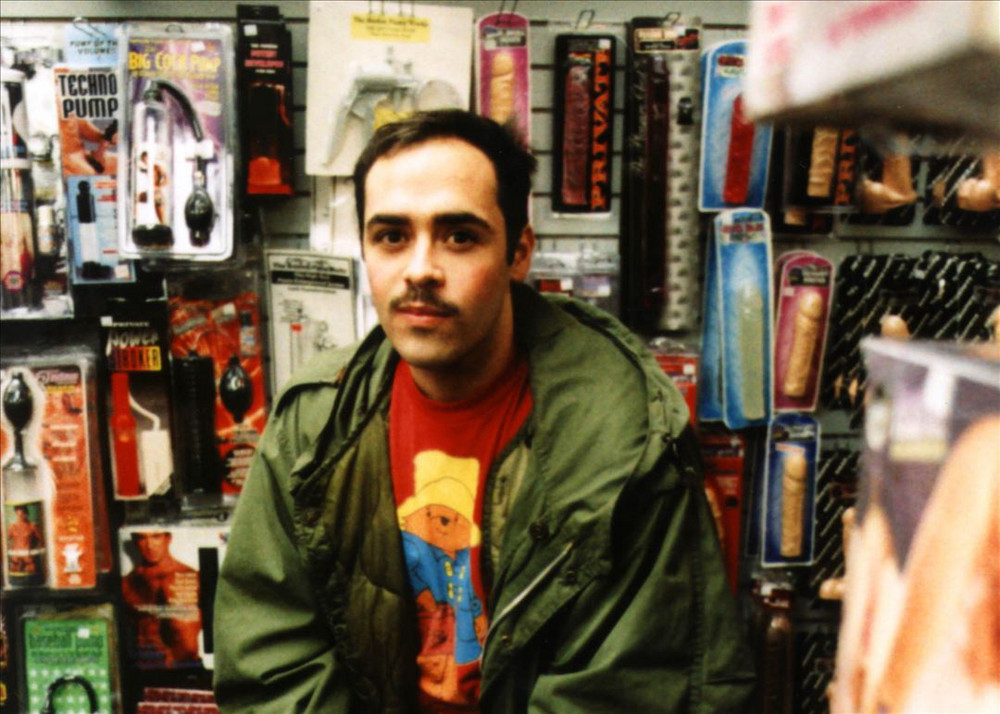
Kid606
2000–2009
·
4 albums
Listen
2
/5
Genres
Fidget House
Fidget house is a mid-to-late 2000s British house microgenre defined by jacking four-on-the-floor grooves, hyperactive edits, and rubbery, wobbling mid-bass lines. Producers chop and detune tiny samples, pitch-bend synth stabs, and use stuttering fills to create a playful yet abrasive club energy. The tempo typically sits around 125–130 BPM, blending Chicago house swing and UK garage syncopation with electro-house sound design and tech-house minimalism.
Discover
Listen
Mashup
Mashup is a genre and production technique in which two or more pre‑existing recordings are combined to form a new track, most commonly by placing the vocal (a cappella) from one song over the instrumental of another. It relies on beatmatching, harmonic mixing, and careful editing to create the illusion that disparate sources naturally fit together. Unlike a traditional remix (which typically reworks stems from a single song) or a medley (which plays songs sequentially), a mashup emphasizes simultaneous overlay and interplay between multiple songs, often highlighting humor, contrast, or surprising continuity. The style rose to prominence in the early 2000s UK “bastard pop” scene and spread via file‑sharing, blogs, and video platforms; it remains popular in DJ culture, pop culture countdowns, and internet meme communities, while inhabiting a legal gray area due to copyright.
Discover
Listen
Drill And Bass
Drill and bass is a hyperkinetic, experimental offshoot of drum and bass that pushes breakbeat programming to virtuosic extremes. It retains jungle and drum and bass tempos and break sources but treats them as malleable material: chopped into millisecond slices, re-sequenced into labyrinthine patterns, and processed with time-stretching, pitch-shifting, and digital artifacts. Emerging in the UK in the mid-to-late 1990s, the style overlaps with IDM in its producer-forward, studio-as-instrument mindset. Rapid, dazzling drum edits, elastic bass lines (often acidic or Reece-like), and sudden left turns in texture or meter are hallmarks. Rather than dancefloor functionality, drill and bass prioritizes audacious programming, restless variation, and an often playful, zany sense of sonic mischief.
Discover
Listen
Breakcore
Breakcore is a high-intensity electronic music genre built around hyper-edited breakbeats, extreme dynamics, and a deliberately transgressive, collage-like approach to sampling. It prioritizes rhythmic complexity, abrupt structural shifts, and heavy sound design over smooth continuity. Typical tempos range from 160 to 220 BPM (and beyond), with the Amen break, Think break, and other classic breakbeats chopped into micro-fragments, re-sequenced, and processed with distortion, compression, and glitch edits. The palette freely fuses elements from jungle and drum and bass with gabber kicks, industrial noise, classical or choral snippets, ragga vocals, metal guitar samples, and odd-meter patterns. More than a single “sound,” breakcore is a methodology: confrontational energy, maximalist editing, and anti-formalist structures that often subvert dance-music expectations. It thrives in DIY scenes, warehouse parties, and netlabel cultures, where forward-pushing experimentation and boundary-blurring sampling are central values.
Discover
Listen
Deep Idm
Deep IDM (Deep Intelligent Dance Music) is a reflective, textural branch of IDM that emphasizes warm timbres, melodic development, and immersive atmospheres over abrasive experimentation. Instead of showy glitch or breakneck edits, it leans into subtle rhythm programming, emotive synth work, and enveloping ambience. Expect soft-edged drum programming with syncopation and swing, analog and FM pads, evolving arpeggios, field recordings, and gentle tape or vinyl patina. The result often evokes nostalgia, nocturnal introspection, and a sense of hushed motion—music designed as much for close listening as for quiet, private movement.
Discover
Listen
Glitch
Glitch is an experimental electronic music genre that foregrounds the sounds of technological error—digital clicks, pops, clipping, buffer underruns, CD skipping, software crashes, and bit‑reduction. Rather than hiding artifacts, producers use them as primary musical material, often arranged through extreme micro‑editing and non‑linear sequencing. Texturally, glitch spans austere minimalism to warm, hazy ambience. Rhythms tend to be fragmented and asymmetrical, with sudden cuts, stutters, and silences that create tension and negative space. The palette commonly includes sine‑tone grains, granular clouds, filtered noise, and hyper‑detailed percussive fragments, sometimes sitting over subdued drones or dub‑inflected low end. The style emerged in the late 1990s around labels such as Mille Plateaux, influenced by IDM, minimal techno, and the aesthetics of failure in digital media. It later permeated pop and beat‑driven styles through sound‑design techniques that evoke imperfection and transience.
Discover
Listen
Idm
IDM (often expanded as "Intelligent Dance Music") is a strand of experimental electronic music that applies the sound palette and production methods of club genres to listening-focused, often home-oriented works. It favors intricate rhythm programming, unusual time signatures, and richly textured sound design, blending ambient atmospheres with techno’s pulse, electro’s syncopation, and breakbeat’s fragmentation. The music often de-emphasizes the dancefloor in favor of headphone detail, algorithmic structure, and timbral exploration. The term itself is contentious—many artists rejected the "intelligent" label—yet it became a convenient tag for the early- to mid‑1990s cluster of Warp, Rephlex, and related scenes that foregrounded complexity, abstraction, and emotional ambiguity.
Discover
Listen
Breakbeat Hardcore
Breakbeat hardcore is an early-1990s UK rave style that fuses hip hop-derived breakbeats with the tempo, intensity, and synth aesthetics of acid house and early techno. Typically between 140–155 BPM, it emphasizes chopped and layered drum breaks, booming sub-bass, pitch-shifted or timestretched vocals, and euphoric rave stabs. Signature sounds include the Amen/Think/Apache breaks, hoover leads from the Roland Alpha Juno, Korg M1 house pianos, orchestral hits, airhorns, and crowd‑pleasing sampled hooks. The music was designed for all-night warehouse parties and pirate radio, foregrounding ecstatic breakdowns and explosive drops that captured the hedonistic energy of the UK rave era.
Discover
Listen
Breaks
Breaks is a broad electronic dance music style built around syncopated breakbeat drum patterns instead of a straight four-on-the-floor kick. It emphasizes sliced, rearranged, and layered drum breaks—often sampled from classic funk, hip hop, and early electro—combined with heavy sub-bass and club-ready arrangements. As a scene and label category, “breaks” crystallized in the UK in the late 1990s out of the rave continuum, alongside big beat and later “nu skool breaks.” While tempos usually range from roughly 125–140 BPM, the defining trait is the swung, shuffling, and fragmented rhythm that drives dancers with push–pull groove rather than rigid grid-based kicks. Breaks spans a spectrum from funky, party-oriented tracks to darker, techy, bass-heavy material (often called tech breaks). Across its variants, it remains DJ-friendly, sample-savvy, and grounded in the art of drum manipulation.
Discover
Listen
Hardcore
Hardcore (often called hardcore techno in its early form) is a fast, aggressive branch of electronic dance music characterized by heavily distorted, punchy 4/4 kick drums, tempos ranging from roughly 160 to well over 200 BPM, and a dark, high‑energy aesthetic. It emphasizes percussive drive over complex harmony, using clipped and saturated kick-bass sound design, sharp hi-hats, claps on the backbeat, and harsh synth stabs or screeches. Vocals, when present, are typically shouted hooks, sampled movie lines, or crowd chants processed with distortion and effects. Originating in the Netherlands in the early 1990s, the style quickly splintered into related scenes and subgenres such as gabber, happy hardcore, Frenchcore, terrorcore, speedcore, and later hardstyle. Its culture is closely associated with large-scale raves, specialized labels, and distinctive visual branding.
Discover
Listen
Tech House
Tech house is a dancefloor-focused fusion of techno’s precision and house music’s groove. It emphasizes stripped‑back, percussive rhythms, rolling basslines, and clean, punchy drums, typically in the 120–130 BPM range. Compared to straight techno, tech house is funkier and more shuffle-oriented; compared to classic or deep house, it is darker, more minimal, and more machine-driven. Tracks often feature long DJ‑friendly intros/outros, subtle automation, sparse vocals or chopped one‑shots, and a strong emphasis on groove continuity over big melodic moments. Sound design favors tight 909/808-style drums, crisp open hats, snappy claps, subby or mid‑bass riffs, and understated stabs or chords. Modern tech house has broadened from its 1990s underground UK roots to global festival and club contexts, retaining its core identity of percussive drive and streamlined arrangements.
Discover
Listen
Electronica
Electronica is a broad, largely 1990s umbrella term for a spectrum of electronic music crafted as much for immersive, album‑oriented listening as for clubs and raves. It gathers elements from techno, house, ambient, breakbeat, IDM, and hip hop production, emphasizing synthesizers, drum machines, samplers, and studio experimentation. The sound can range from downtempo and atmospheric to hard‑hitting and breakbeat‑driven, but it typically foregrounds sound design, texture, and mood over strict dance‑floor utility. In the mid‑to‑late 1990s the term was used by labels and press—especially in the United States—to market and introduce diverse electronic acts to mainstream rock and pop audiences.
Discover
Listen
Electro
Electro is an early 1980s machine-funk style built around drum machines (especially the Roland TR-808), sequenced basslines, and a futuristic, robotic aesthetic. It emphasizes syncopated rhythms, sparse arrangements, and timbres drawn from analog and early digital synthesizers. Vocals, when present, are often delivered via vocoder or rap-style chants, reinforcing a sci‑fi, cyborg persona. Electro’s grooves powered breakdance culture, and its sonic palette—crisp 808 kicks, snappy snares, dry claps, cowbells, and squelchy bass—became foundational to later techno and bass music.
Discover
Listen
Electronic
Electronic is a broad umbrella genre defined by the primary use of electronically generated or electronically processed sound. It encompasses music made with synthesizers, drum machines, samplers, computers, and studio/tape techniques, as well as electroacoustic manipulation of recorded or synthetic sources. The genre ranges from academic and experimental traditions to popular and dance-oriented forms. While its sonic palette is rooted in electricity and circuitry, its aesthetics span minimal and textural explorations, structured song forms, and beat-driven club permutations. Electronic emphasizes sound design, timbre, and studio-as-instrument practices as much as melody and harmony.
Discover
Listen
Show all 14 genres
Albums
2009
1
/5
Shout at the Döner
Kid606
Fidget House
Electro
Electronic
2004
2
/5
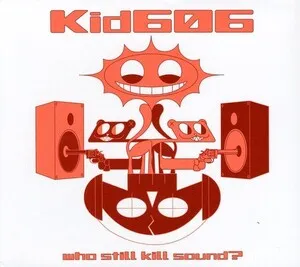
Who Still Kill Sound?
Kid606
Breakbeat Hardcore
Breaks
Electronic
2000
1
/5
Down With the Scene
Kid606
Drill And Bass
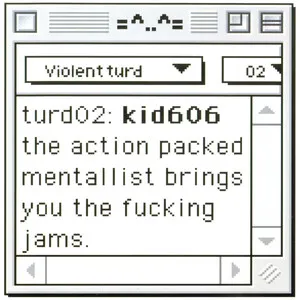
The Action Packed Mentallist Brings You the Fucking Jams.
Kid606
Mashup
Similar artists
3
/5
Squarepusher
Drill And Bass
Idm
Electronic
2
/5
Venetian Snares
Breakcore
Drill And Bass
Electronic
1
/5
Bogdan Raczynski
Drill And Bass
Breakcore
Electronic
2
/5
The Flashbulb
Breakcore
Glitch
Idm
2
/5
µ-Ziq
Experimental
Idm
Breakcore
4
/5
Aphex Twin
Braindance
Idm
Ambient
2
/5
AFX
Drill And Bass
Braindance
Idm
2
/5
Otto Von Schirach
Breakcore
Drill And Bass
Glitch
2
/5
Ceephax Acid Crew
Acid Techno
Acid Idm
Acid House
2
/5
Casino Versus Japan
Ambient
Idm
Downtempo
Download our mobile app
Get the Melodigging app and start digging for new genres on the go
Download on the App Store
Get it on Google Play
© 2026 Melodigging
Give feedback
Legal
Melodding was created as a tribute to
Every Noise at Once
, which inspired us to help curious minds keep digging into music's ever-evolving genres.