Genres
Artists
Albums
Make Music
Sign in
Sign in
Artists
Art Rock
Artists
Art Rock
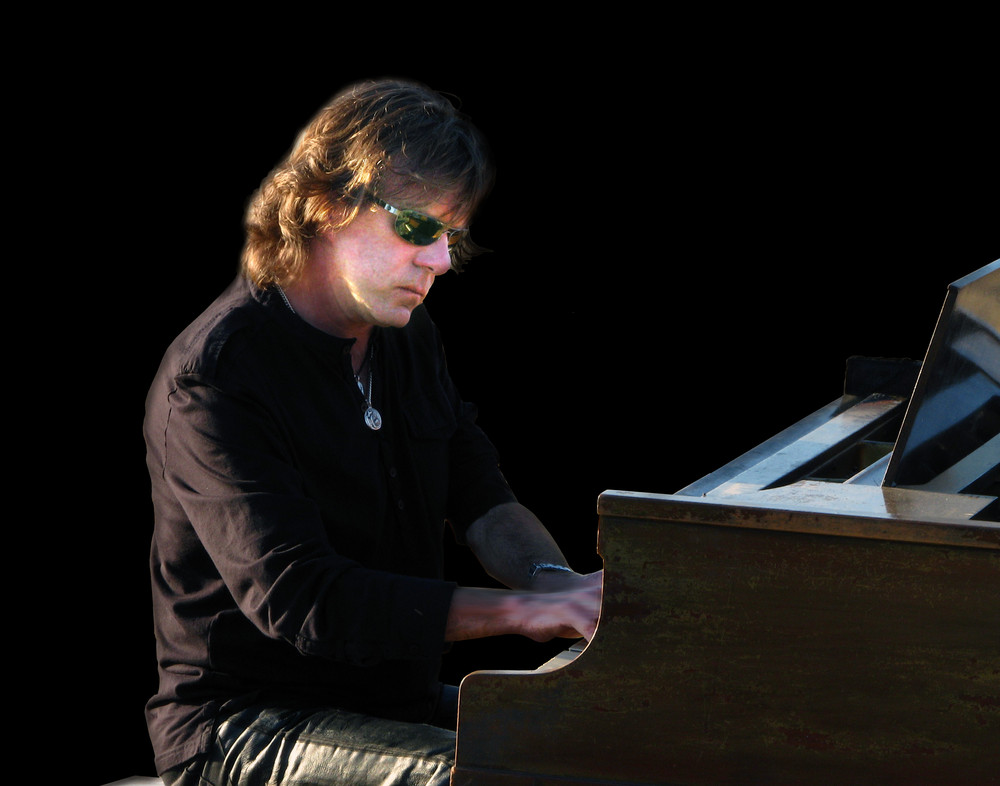
Keith Emerson
2013
·
1 album
Listen
2
/5
Genres
Piano Rock
Piano rock is a subgenre of rock in which the acoustic or electric piano is the primary lead instrument, often taking the role that electric guitar plays in most rock bands. It combines rock’s backbeat and energy with piano-centered songwriting, chordal grooves, and melodic hooks. The style ranges from high-energy, boogie-woogie–influenced rock and roll to lush, pop-leaning ballads and introspective singer‑songwriter material. Arrangements typically feature a rock rhythm section (drums and bass) supporting rhythmic left-hand figures and hook-driven right-hand motifs, with guitars and keyboards used as color rather than the central focus. Lyrically, piano rock often emphasizes storytelling, romance, nostalgia, and personal reflection, though anthemic and stadium-sized choruses are also common. Its sound world bridges the soulful harmonies of blues and gospel with the accessible craft of pop rock.
Discover
Listen
Art Rock
Art rock is a branch of rock music that treats the studio and the album as spaces for artistic experimentation, emphasizing conceptual ideas, ambitious arrangements, and cross-pollination with modernist and avant-garde traditions. It typically favors extended song forms, thematic or conceptual unity, and non-standard instrumentation (strings, woodwinds, synthesizers) alongside rock’s core band setup. Lyrically, it leans toward literary, surreal, or philosophical subjects and often adopts theatrical presentation. Where mainstream rock centers on immediacy and hooks, art rock embraces risk: unusual time signatures, timbral exploration, complex harmony, tape and electronic manipulation, and interludes that draw from classical, jazz, minimalism, and experimental music.
Discover
Listen
Progressive Rock
Progressive rock is a rock subgenre that expands the genre’s formal, harmonic, and conceptual boundaries. It favors long-form compositions, intricate arrangements, and virtuosic musicianship, often drawing on Western classical, jazz, folk, and psychedelic idioms. Typical hallmarks include multi-part suites, shifting time signatures, extended instrumental passages, recurring motifs, and concept albums that present unified themes or narratives. The sound palette commonly features electric guitar, bass, and drums alongside an array of keyboards (Hammond organ, Mellotron, Moog/ARP synthesizers, piano), woodwinds or brass, and occasional orchestral additions. Lyrics often explore science fiction, mythology, philosophy, social commentary, and introspective themes.
Discover
Listen
Space Rock
Space rock is a psychedelic branch of rock characterized by long-form, hypnotic grooves, swirling guitars awash in delay and reverb, and prominent analog synthesizers that evoke cosmic or interstellar imagery. The music often emphasizes texture and atmosphere over conventional song structures, creating expansive soundscapes that feel weightless and otherworldly. Emerging in late-1960s Britain from the overlap of psychedelic rock, early progressive rock, and experimental electronics, space rock frequently employs motorik-leaning rhythms, modal or drone-based harmony, and science-fiction themes. Extended improvisations, phased and fuzz-drenched timbres, and tape or echo effects are common, encouraging a sense of forward drift and cosmic exploration.
Discover
Listen
Rock Keyboard
Rock keyboard is a keyboard-centered approach to rock in which pianos, electric pianos, organs, Mellotrons, and synthesizers provide the primary riffs, harmonic foundation, countermelodies, and solos. Instead of guitars dominating the ensemble, the Hammond B‑3 with a Leslie cabinet, Rhodes and Wurlitzer electric pianos, Clavinet funk stabs, Mellotron strings/choirs, and analog/virtual‑analog synths (Moog, ARP, Prophet, etc.) lead the texture. Players draw equally from blues, classical, and jazz vocabulary, often featuring ostinatos, extended chords, modal color, and virtuosic soloing. The aesthetic ranges from gritty overdriven organ rock to symphonic, cinematic layers and synth‑driven arena hooks.
Discover
Listen
Rock
Rock is a broad family of popular music centered on amplified instruments, a strong backbeat, and song forms that foreground riffs, choruses, and anthemic hooks. Emerging from mid‑20th‑century American styles like rhythm & blues, country, and gospel-inflected rock and roll, rock quickly expanded in scope—absorbing folk, blues, and psychedelic ideas—while shaping global youth culture. Core sonic markers include electric guitar (often overdriven), electric bass, drum kit emphasizing beats 2 and 4, and emotive lead vocals. Rock songs commonly use verse–chorus structures, blues-derived harmony, and memorable melodic motifs, ranging from intimate ballads to high‑energy, stadium‑sized performances.
Discover
Listen
Soundtrack
Soundtrack is music created to accompany and enhance visual media such as film, television, and video games. It includes original scores (instrumental or vocal music composed specifically for the picture) and, at times, curated compilations of pre-existing songs. Stylistically, soundtrack is a meta-genre that can encompass orchestral symphonic writing, jazz, electronic and synth-driven textures, choral forces, popular song, and experimental sound design. Its defining trait is functional storytelling: themes, motifs, harmony, rhythm, and timbre are shaped by narrative needs, character psychology, pacing, and editing. Common features include leitmotifs for characters or ideas, modular cues that can be edited to picture, dynamic orchestration for dramatic range, and production approaches that sit well under dialogue and sound effects. Because it must synchronize to picture, soundtrack often uses clear dramatic arcs, tempo maps, and hit points.
Discover
Listen
Electronic
Electronic is a broad umbrella genre defined by the primary use of electronically generated or electronically processed sound. It encompasses music made with synthesizers, drum machines, samplers, computers, and studio/tape techniques, as well as electroacoustic manipulation of recorded or synthetic sources. The genre ranges from academic and experimental traditions to popular and dance-oriented forms. While its sonic palette is rooted in electricity and circuitry, its aesthetics span minimal and textural explorations, structured song forms, and beat-driven club permutations. Electronic emphasizes sound design, timbre, and studio-as-instrument practices as much as melody and harmony.
Discover
Listen
Show all 8 genres
Albums
2013
Boys Club: Live From California
Keith Emerson, Glenn Hughes, Marc Bonilla
Rock Keyboard
Similar artists
3
/5
Tangerine Dream
Ambient
Berlin School
New Age
3
/5
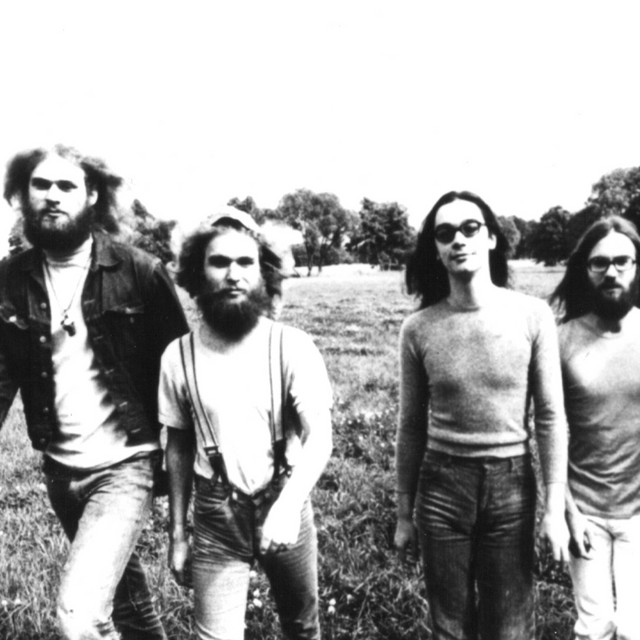
CAN
No Wave
Krautrock
Experimental Rock
3
/5
Hawkwind
Canterbury Scene
Space Rock
Rock
2
/5
Crippled Black Phoenix
Post-Rock
Rock
Progressive Rock
2
/5
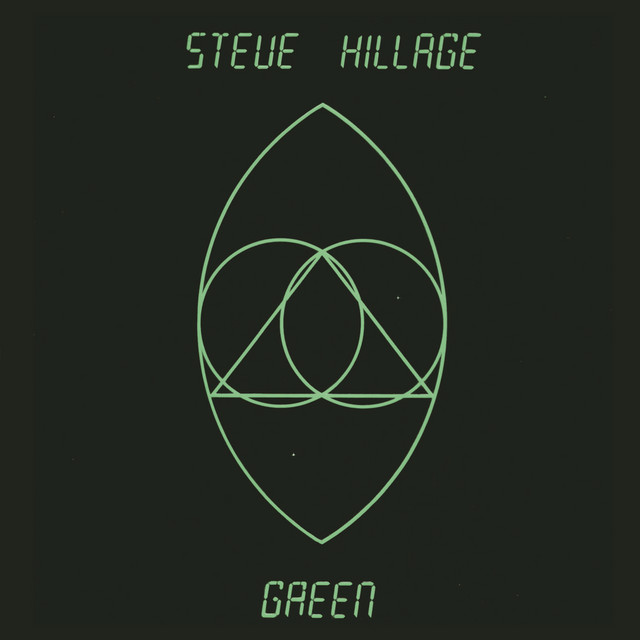
Steve Hillage
Rock
Electronic
Progressive Rock
2
/5
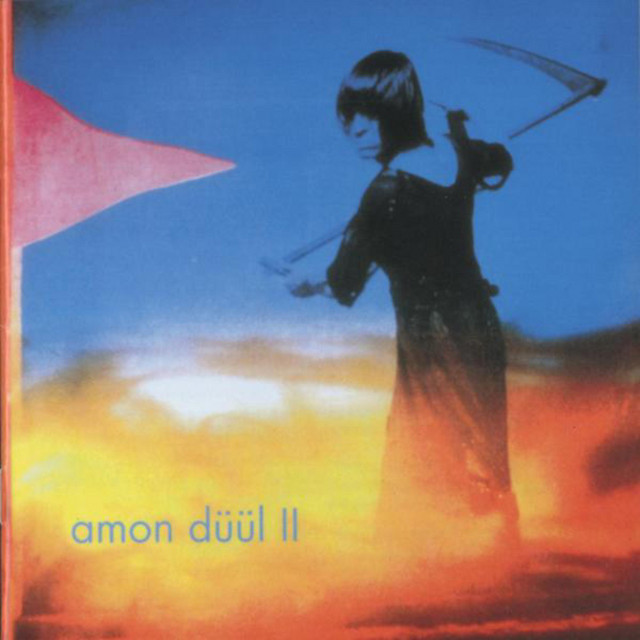
Amon Düül II
Krautrock
Rock
Progressive Rock
2
/5
Faust
Krautrock
Experimental
Experimental Rock
1
/5
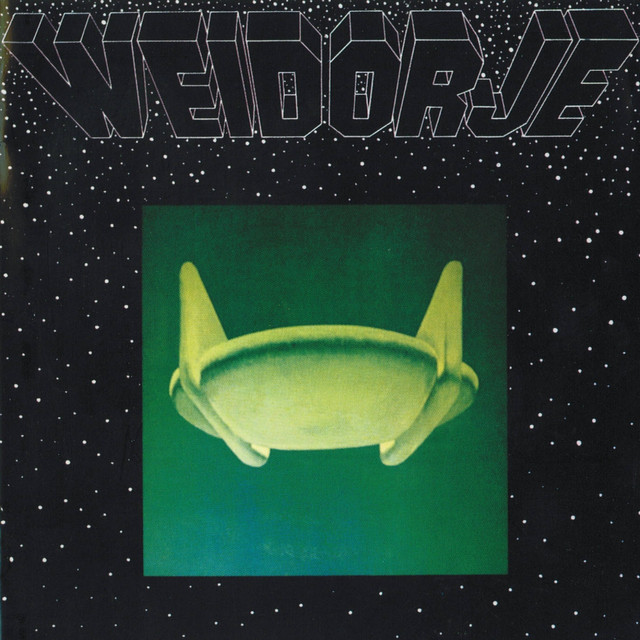
Weidorje
Zeuhl
Art Rock
Avant-Garde
3
/5
All India Radio
Ambient
Downtempo
Post-Rock
5
/5
Pink Floyd
Art Rock
Progressive Rock
Rock
Download our mobile app
Get the Melodigging app and start digging for new genres on the go
Download on the App Store
Get it on Google Play
© 2026 Melodigging
Give feedback
Legal
Melodding was created as a tribute to
Every Noise at Once
, which inspired us to help curious minds keep digging into music's ever-evolving genres.