Genres
Artists
Albums
Make Music
Sign in
Sign in
Artists
Japanese Classical
Artists
Japanese Classical
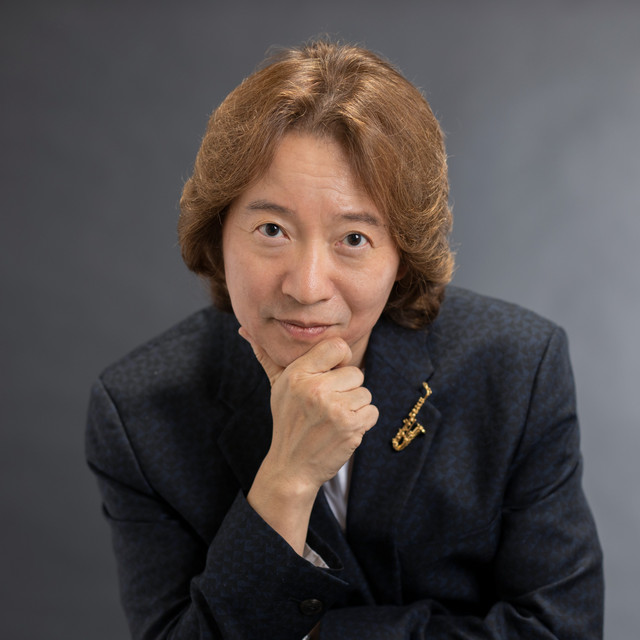
Katsu Hoshi
1990
·
1 album
Listen
3
/5
Genres
No Beat
No beat is a Brazilian, producer‑driven tag and scene that grew around baile funk and adjacent regional party styles, where the beatmaker’s identity (often voiced as the tag “X no beat!”) is foregrounded. Musically it pulls from funk carioca’s Miami‑bass lineage, paredão/car‑sound‑system aesthetics, and newer dark, minimalist strands (e.g., bruxaria), yielding hard sub‑bass, sparse percussion at 130–150+ BPM, abrupt mutes, chopped/ported vocals, and crowd‑command call‑outs. In some regional pockets the groove leans into arrochadeira/brega influences and trap textures (“trapfunk”). Rather than meaning “without drums,” the label signals a producer‑centric baile funk approach that thrives in street parties and sound‑system culture and has fed into today’s global club and trap‑funk cross‑pollination.
Discover
Listen
Calming Instrumental
Calming instrumental is a contemporary, playlist-driven style of unobtrusive, slow-paced music designed to reduce stress, encourage focus, and aid sleep. It typically favors soft piano, gentle strings, warm pads, light acoustic guitar, and sparse textures over overt rhythms or showy melodies. Rooted in the ambient and new-age movements of the late 20th century, the genre distinguishes itself by prioritizing physiological ease (lowered heart rate, steadier breathing) and functional listening. Tracks often feature long reverbs, gradual dynamics, consonant harmonies, and very slow harmonic rhythm, making them suitable for study, mindfulness, and bedtime routines.
Discover
Listen
Slow Game
Slow game is a modern, internet-era blend of contemporary R&B and hip hop that prioritizes seductive mid‑tempo grooves, intimate vocals, and polished, radio‑ready songwriting. It typically features trap‑influenced drum programming (808 kicks, ticking hi‑hats), warm sub‑bass, sparse keys or guitar loops, and a prominent, melodic hook. Lyrically, the style revolves around romance, attraction, and late‑night introspection, often switching between sung choruses and rap verses. Compared with classic “slow jams,” slow game is glossier, more minimal, and shaped by the aesthetics of streaming culture—catchy toplines, short forms, and lush, reverb‑soaked space that leaves room for vocal ad‑libs and harmonies.
Discover
Listen
Anime Score
Anime score is the original instrumental music written to underscore Japanese animation (anime), distinct from theme songs (anison) and pop tie‑ins. It includes background cues, character leitmotifs, action set‑pieces, and end‑title suites designed to track emotion and narrative beat‑by‑beat. Stylistically it blends European symphonic language with Japanese melodic sensibilities and a wide palette of hybrids: jazz rhythm sections, rock/prog instrumentation, analog and digital synthesis, percussion from East Asia (e.g., taiko) alongside Western orchestral percussion, and occasional use of traditional Japanese timbres (shakuhachi, koto, shamisen). Themes are often memorable and cyclic, supporting character arcs and world‑building. Production practices range from small studio ensembles and synth mockups to large orchestra sessions (in Japan and sometimes overseas), with modern mixes favoring cinematic low end, clear leitmotif presentation, and hybrid textures that can pivot quickly between intimacy and grand spectacle.
Discover
Listen
Japanese Classical
Japanese classical refers to the courtly, religious, theatrical, and chamber traditions that crystallized in Japan from the Nara and Heian periods onward. It encompasses Gagaku (imperial court music), Shinto ritual music (kagura), Buddhist chant (shōmyō), Noh and Kabuki repertories (e.g., nagauta, jōruri), and chamber music for koto, shamisen, and shakuhachi (sankyoku). The style emphasizes modal color (ryō and ritsu modes, along with later in/yo pentatonic variants), the dramatic architecture of jo–ha–kyū (slow introduction, development, swift conclusion), and the aesthetic of ma (meaningful silence/space). Textures are often heterophonic or layered, timbres are cultivated for breathy, reedy, and bell-like colors (e.g., shō, hichiriki, ryūteki), and rhythm can range from free-flowing chant to stately ceremonial cycles. The result is a contemplative yet ceremonially powerful sound world distinct from Western common-practice tonality.
Discover
Listen
Albums
1990
Only Yesterday Image Album
Katsu Hoshi
Anime Score
Similar artists
4
/5
Joe Hisaishi
Anime
Classical
Electronic
3
/5
Orchestra Città di Ferrara
Japanese Classical
Anime Score
No Beat
2
/5
Akihiko Matsumoto
Japanese Classical
Anime Score
4
/5
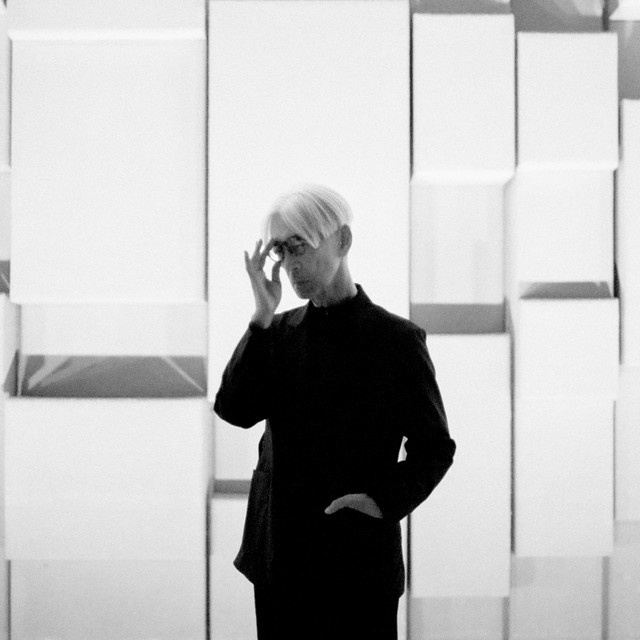
Ryuichi Sakamoto
Drone
Japanese Classical
Ambient
4
/5
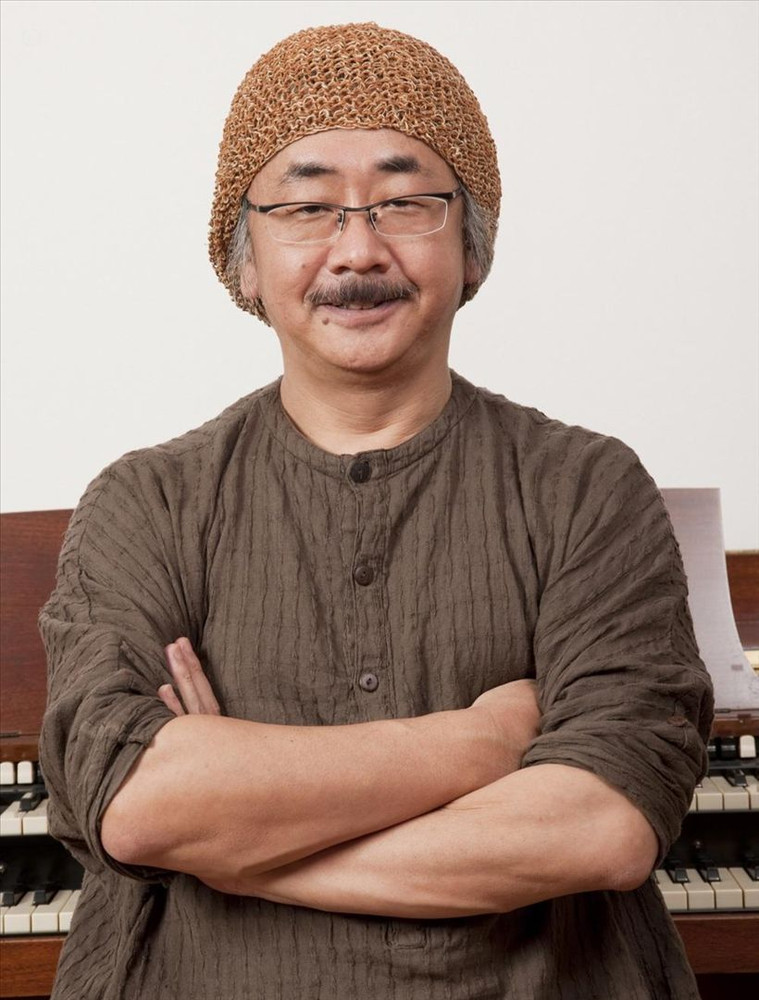
Nobuo Uematsu
Soundtrack
Orchestral
Modern Classical
3
/5
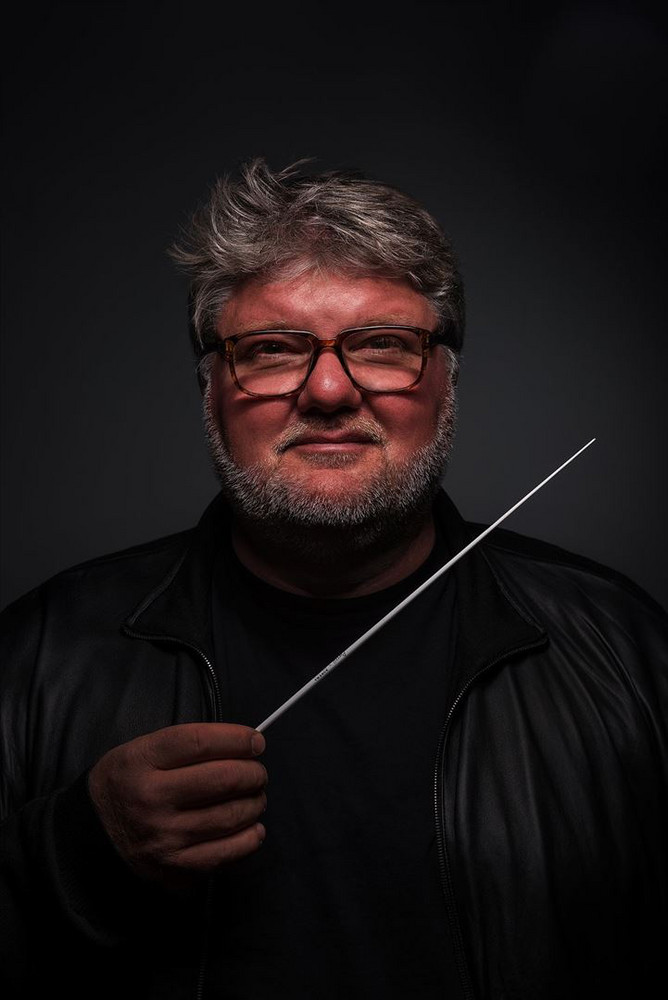
Dmitry Yablonsky
Classical
Japanese Classical
Symphonic Mugham
3
/5
Hideyuki Hashimoto
Japanese Classical
Background Piano
3
/5
Toshifumi Hinata
Ambient
Japanese Classical
Electronic
3
/5
Hikaru Shirosu
Japanese Classical
No Beat
Isekai
3
/5
Akira Kosemura
Ambient
Classical
J-Ambient
Download our mobile app
Get the Melodigging app and start digging for new genres on the go
Download on the App Store
Get it on Google Play
© 2026 Melodigging
Give feedback
Legal
Melodding was created as a tribute to
Every Noise at Once
, which inspired us to help curious minds keep digging into music's ever-evolving genres.