Genres
Artists
Albums
Make Music
Sign in
Sign in
Artists
J-Ambient
Artists
J-Ambient
Akira Kosemura
2022–2024
·
9 albums
Listen
3
/5
Genres
Anime Lo-Fi
Anime lo-fi is a microstyle of lo-fi hip hop that pairs mellow, dusty boom‑bap beats with melodies and textures associated with Japanese animation. Producers often sample or emulate anime soundtracks, dialogue snippets, and sentimental J‑pop/VGM harmonies, then filter them through tape hiss, vinyl crackle, detuned keys, and softly sidechained drums. Beyond sound, the genre is inseparable from a visual culture of looping anime scenes (e.g., the iconic "study girl"), cozy late‑night ambience, and pastel palettes. The result is intimate, unobtrusive "study beats" designed for focus, calm, and gentle nostalgia—an internet-native mood music that sits between chillhop and vaporwave aesthetics.
Discover
Listen
No Beat
No beat is a Brazilian, producer‑driven tag and scene that grew around baile funk and adjacent regional party styles, where the beatmaker’s identity (often voiced as the tag “X no beat!”) is foregrounded. Musically it pulls from funk carioca’s Miami‑bass lineage, paredão/car‑sound‑system aesthetics, and newer dark, minimalist strands (e.g., bruxaria), yielding hard sub‑bass, sparse percussion at 130–150+ BPM, abrupt mutes, chopped/ported vocals, and crowd‑command call‑outs. In some regional pockets the groove leans into arrochadeira/brega influences and trap textures (“trapfunk”). Rather than meaning “without drums,” the label signals a producer‑centric baile funk approach that thrives in street parties and sound‑system culture and has fed into today’s global club and trap‑funk cross‑pollination.
Discover
Listen
Organic Ambient
Organic ambient is a strain of ambient music that emphasizes natural, acoustic, and tactile timbres over purely synthetic ones. Its sound world is built from softly mic’d pianos and guitars, mallet percussion, strings, voice layers, and environmental field recordings (wind, water, birds, room tone), then gently processed with spacious reverbs, tape warmth, and subtle granular or delay treatments. Compared with classic electronic ambient, the adjective “organic” points to breath, touch, and the audible presence of rooms and spaces: creaking pedals, bow noise, finger sounds on strings, and a bed of environmental sound. Harmony tends toward consonant, slowly evolving chords; rhythm is minimal or absent; and dynamics are restrained, inviting calm, contemplation, and connection with place.
Discover
Listen
New Isolationism
New isolationism is a contemporary strain of isolationist ambient and post-industrial minimalism that emerged in the 2010s, particularly around Scandinavian experimental labels and studios. It foregrounds intimate, close-mic’d sound, negative space, and a quiet-but-present noise floor; its pieces feel both internal and architectural, like rooms built from reverb tails, tape hiss, and soft electronics. Sonically, the style blends glacial drones, fragile chamber timbres (strings, organ, piano), lo‑fi electronics, and field recordings into stark, slow-evolving tableaux. Melodic information is sparse—often only a few tones or gestures—while rhythm is either absent or reduced to distant pulses, heartbeats, or mechanical cycles. Vocals, when they appear, are murmured, diaristic, or abstracted by pitch and time manipulation. Aesthetically, new isolationism is post‑internet and diaristic: it captures solitude, memory, and dislocation with a palette that feels personal yet estranged, drawing as much from contemporary gallery sound practice as from classic dark ambient.
Discover
Listen
Compositional Ambient
Compositional ambient is a strand of ambient music that foregrounds written, motif‑driven structures and classical instrumentation while preserving the spaciousness and timbral subtlety of ambient sound design. It typically blends slow, consonant harmony with post‑minimalist processes, using piano, strings, and soft electronics to build gentle arcs, ostinati, and long decays. Unlike purely generative or texture‑only ambient, it emphasizes form, counterpoint, and thematic development—often with cinematic pacing and intimate production aimed at close, contemplative listening.
Discover
Listen
J-Ambient
J-ambient is the Japanese approach to ambient and environmental music, defined by tranquil textures, careful attention to space and silence, and a design-forward sensibility rooted in everyday listening. It favors soft timbres (synth pads, bell-like FM tones, mallet percussion, gentle guitars), field recordings, and slow-evolving harmonic drones that are intended to blend with architecture and daily life rather than dominate it. The style grew alongside Japan’s “environmental music” movement, where artists composed for galleries, shops, museums, and public spaces. Compared with Western ambient, J-ambient often places greater emphasis on the concept of “ma” (間)—the meaningful use of negative space—resulting in understated, contemplative soundscapes that feel functional, humane, and deeply serene.
Discover
Listen
Neoclassicism
Neoclassicism in music is a 20th‑century movement that revived forms, genres, and aesthetics from the Baroque and Classical eras, but reframed them with modern harmony, rhythm, and orchestration. It emphasizes clarity, balance, objectivity, and contrapuntal craft, often rejecting late‑Romantic excess while retaining a tonal or modal center enriched by dissonance, bitonality, and crisp rhythmic drive. Typical hallmarks include neobaroque dance suites, neoclassical sonatas and concerti, chamber‑oriented scoring, clean textures, and a dry, anti‑rhetorical performance style.
Discover
Listen
Japanese Classical
Japanese classical refers to the courtly, religious, theatrical, and chamber traditions that crystallized in Japan from the Nara and Heian periods onward. It encompasses Gagaku (imperial court music), Shinto ritual music (kagura), Buddhist chant (shōmyō), Noh and Kabuki repertories (e.g., nagauta, jōruri), and chamber music for koto, shamisen, and shakuhachi (sankyoku). The style emphasizes modal color (ryō and ritsu modes, along with later in/yo pentatonic variants), the dramatic architecture of jo–ha–kyū (slow introduction, development, swift conclusion), and the aesthetic of ma (meaningful silence/space). Textures are often heterophonic or layered, timbres are cultivated for breathy, reedy, and bell-like colors (e.g., shō, hichiriki, ryūteki), and rhythm can range from free-flowing chant to stately ceremonial cycles. The result is a contemplative yet ceremonially powerful sound world distinct from Western common-practice tonality.
Discover
Listen
Show all 8 genres
Albums
2024
2
/5
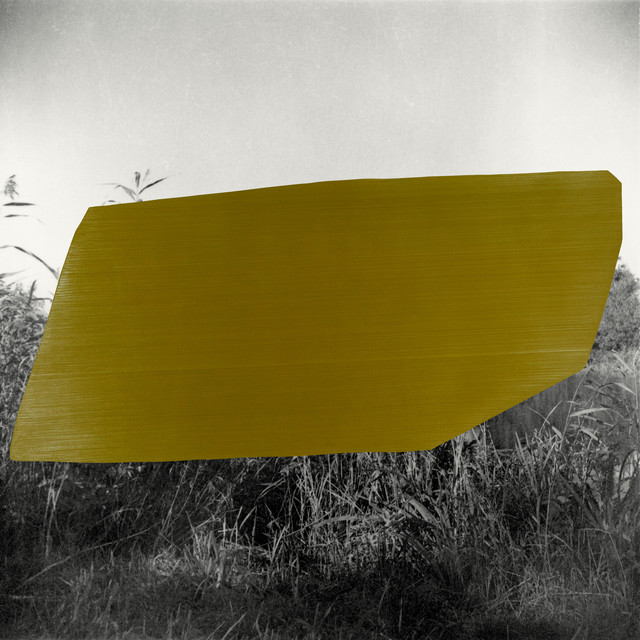
Stellar
Akira Kosemura
J-Ambient
2024
1
/5
Golden Bells
Akira Kosemura
J-Ambient
2024
1
/5
Sleepwalk
Akira Kosemura
J-Ambient
2023
2
/5
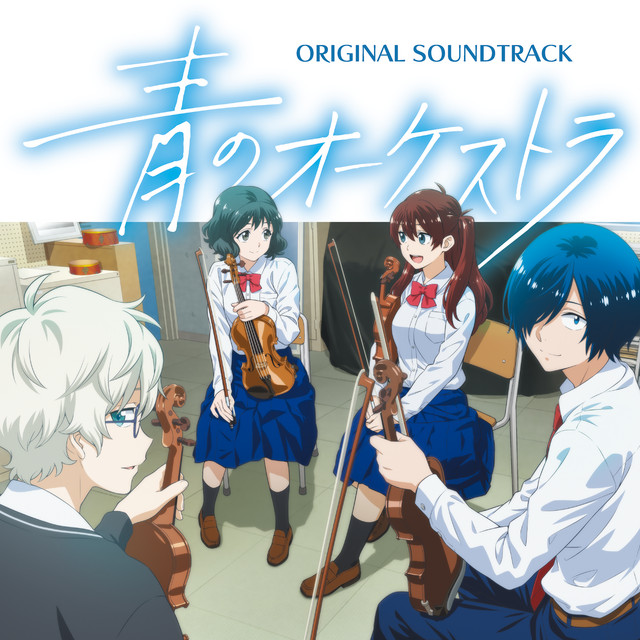
Aono & Akine (From "Blue Orchestra" Original Soundtrack)
Akira Kosemura
J-Ambient
2023
3
/5
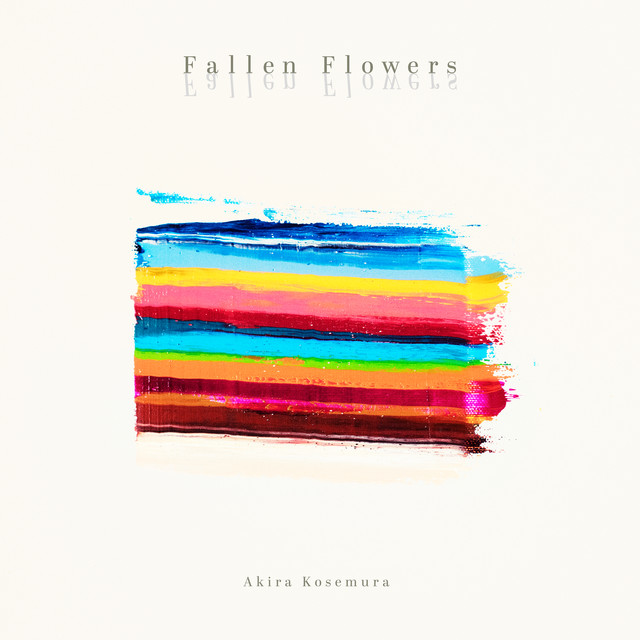
Fallen Flowers
Akira Kosemura
J-Ambient
Japanese Classical
Compositional Ambient
2023
2
/5
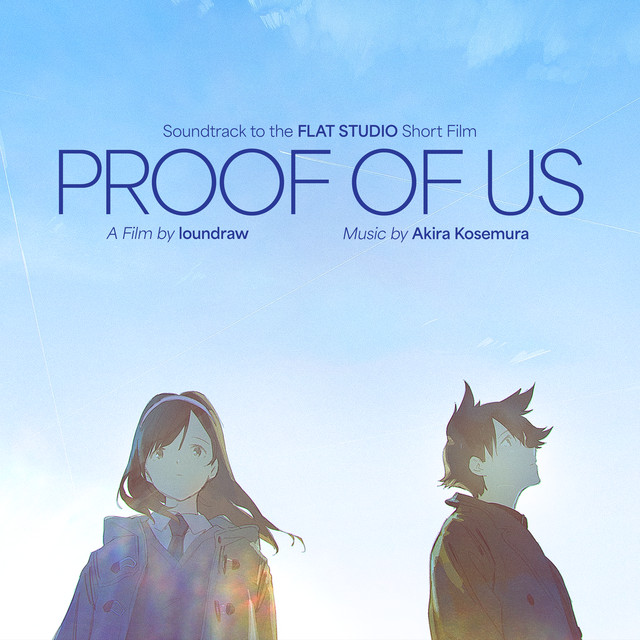
Proof of Us (Soundtrack to the FLAT STUDIO Short Film)
Akira Kosemura
J-Ambient
2023
2
/5
Shroud of Night
Akira Kosemura
J-Ambient
Japanese Classical
2022
2
/5
Evening Light
Akira Kosemura
J-Ambient
2022
2
/5
On My Way Home
Akira Kosemura
J-Ambient
Similar artists
1
/5
Various Artists
Afro-Funk
Alternative Rock
Ambient
4
/5
Ryuichi Sakamoto
Drone
Japanese Classical
Ambient
3
/5
Itoko Toma
Japanese Classical
J-Ambient
Classical Crossover
4
/5
Joe Hisaishi
Japanese Classical
Anime
Cinematic Classical
2
/5
Wataru Sato
Japanese Classical
Neoclassicism
2
/5
Teruyuki Nobuchika
Japanese Classical
Japanese Indie
J-Ambient
3
/5
Masakatsu Takagi
Anime Lo-Fi
J-Ambient
Neoclassical New Age
3
/5
江﨑文武
Japanese Classical
Neoclassicism
Tape Club
3
/5
MEITEI
Tape Music
Ambient
Drone
3
/5
Michiru Oshima
Anime
Anime Lo-Fi
Japanese Classical
Download our mobile app
Get the Melodigging app and start digging for new genres on the go
Download on the App Store
Get it on Google Play
© 2026 Melodigging
Give feedback
Legal
Melodding was created as a tribute to
Every Noise at Once
, which inspired us to help curious minds keep digging into music's ever-evolving genres.