Genres
Artists
Albums
Make Music
Sign in
Sign in
Artists
Isekai
Artists
Isekai
Orchestra Città di Ferrara
Listen
3
/5
Genres
Isekai
Isekai (lit. "another world") in music refers to songs and scores written for anime and games where characters are transported—often accidentally or involuntarily—into a parallel universe or fantasy world. In practice, it is a sub-current of Japanese anisong and soundtrack culture whose soundworld emphasizes the wonder, peril, and empowerment arcs typical of isekai narratives. Musically, isekai blends high-impact J‑pop/J‑rock openings (OPs) with hybrid orchestral scores: soaring string ostinati, heroic brass, choir pads, and EDM/rock rhythm sections used to frame battles, leveling-up sequences, and portal moments. Endings (EDs) often pivot to lyrical, nostalgic or bittersweet pop to reflect homesickness, found-family bonds, or the protagonist’s inner monologue.
Discover
Listen
No Beat
No beat is a Brazilian, producer‑driven tag and scene that grew around baile funk and adjacent regional party styles, where the beatmaker’s identity (often voiced as the tag “X no beat!”) is foregrounded. Musically it pulls from funk carioca’s Miami‑bass lineage, paredão/car‑sound‑system aesthetics, and newer dark, minimalist strands (e.g., bruxaria), yielding hard sub‑bass, sparse percussion at 130–150+ BPM, abrupt mutes, chopped/ported vocals, and crowd‑command call‑outs. In some regional pockets the groove leans into arrochadeira/brega influences and trap textures (“trapfunk”). Rather than meaning “without drums,” the label signals a producer‑centric baile funk approach that thrives in street parties and sound‑system culture and has fed into today’s global club and trap‑funk cross‑pollination.
Discover
Listen
Japanese Classical
Japanese classical refers to the courtly, religious, theatrical, and chamber traditions that crystallized in Japan from the Nara and Heian periods onward. It encompasses Gagaku (imperial court music), Shinto ritual music (kagura), Buddhist chant (shōmyō), Noh and Kabuki repertories (e.g., nagauta, jōruri), and chamber music for koto, shamisen, and shakuhachi (sankyoku). The style emphasizes modal color (ryō and ritsu modes, along with later in/yo pentatonic variants), the dramatic architecture of jo–ha–kyū (slow introduction, development, swift conclusion), and the aesthetic of ma (meaningful silence/space). Textures are often heterophonic or layered, timbres are cultivated for breathy, reedy, and bell-like colors (e.g., shō, hichiriki, ryūteki), and rhythm can range from free-flowing chant to stately ceremonial cycles. The result is a contemplative yet ceremonially powerful sound world distinct from Western common-practice tonality.
Discover
Listen
Similar artists
4
/5
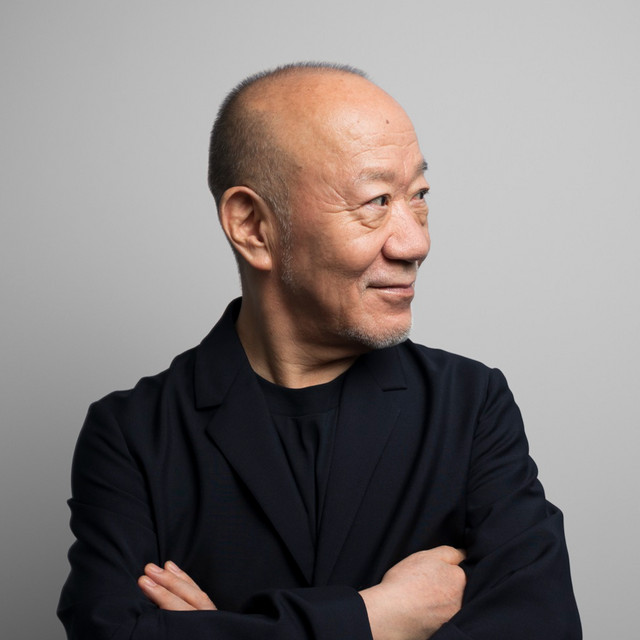
Joe Hisaishi
Japanese Classical
Anime
Cinematic Classical
4
/5
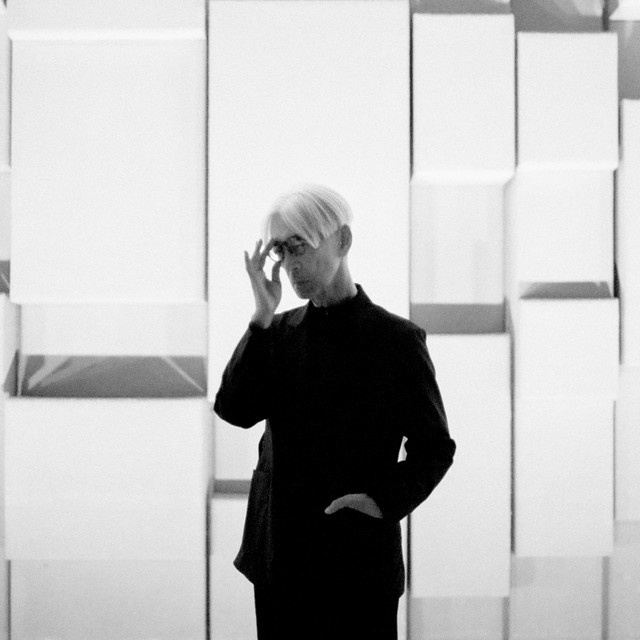
Ryuichi Sakamoto
Drone
Japanese Classical
Ambient
4
/5
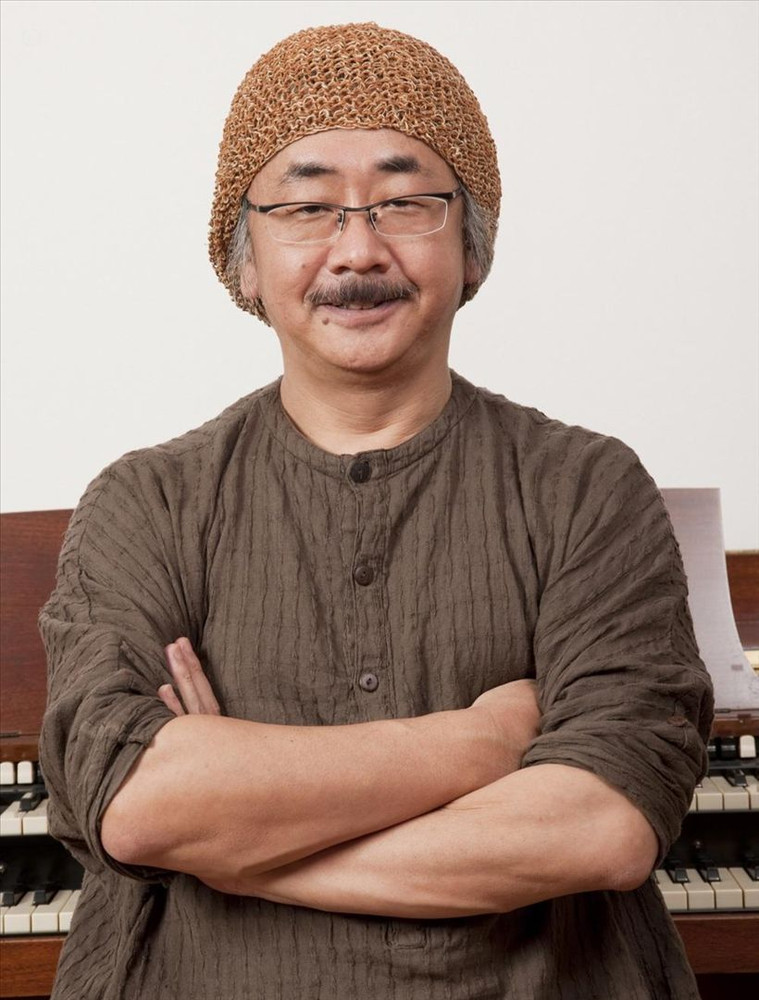
Nobuo Uematsu
Soundtrack
Classical
Deep Soundtrack
3
/5
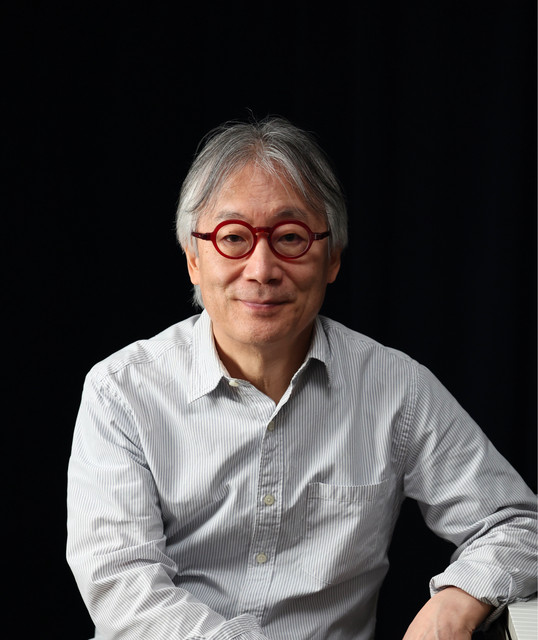
Toshifumi Hinata
Japanese Classical
Ambient
Electronic
3
/5
Hikaru Shirosu
Japanese Classical
Isekai
No Beat
3
/5
Jaques Morelenbaum
Axé
Brazilian Jazz
Isekai
2
/5
Takeshi Senoo
Isekai
Japanese Classical
5
/5
Lana Del Rey
Art Pop
Pop
Alternative Pop
5
/5
Billie Eilish
Art Pop
Pop
Alternative Pop
5
/5
Adele
Pop Soul
Soft Pop
Pop
Download our mobile app
Get the Melodigging app and start digging for new genres on the go
Download on the App Store
Get it on Google Play
© 2026 Melodigging
Give feedback
Legal
Melodding was created as a tribute to
Every Noise at Once
, which inspired us to help curious minds keep digging into music's ever-evolving genres.