Genres
Artists
Albums
Make Music
Sign in
Sign in
Artists
Axé
Artists
Axé
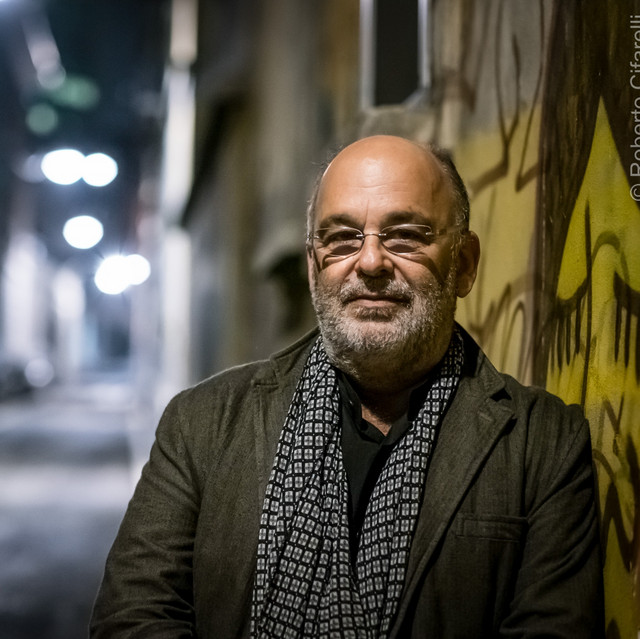
Jaques Morelenbaum
Listen
3
/5
Genres
Isekai
Isekai (lit. "another world") in music refers to songs and scores written for anime and games where characters are transported—often accidentally or involuntarily—into a parallel universe or fantasy world. In practice, it is a sub-current of Japanese anisong and soundtrack culture whose soundworld emphasizes the wonder, peril, and empowerment arcs typical of isekai narratives. Musically, isekai blends high-impact J‑pop/J‑rock openings (OPs) with hybrid orchestral scores: soaring string ostinati, heroic brass, choir pads, and EDM/rock rhythm sections used to frame battles, leveling-up sequences, and portal moments. Endings (EDs) often pivot to lyrical, nostalgic or bittersweet pop to reflect homesickness, found-family bonds, or the protagonist’s inner monologue.
Discover
Listen
Shimmer Psych
Shimmer psych is a contemporary strand of neo‑psychedelia that pairs sparkling, chorus‑washed guitars and gauzy vocal harmonies with dreamy pop songcraft. It emphasizes high‑end "shimmer," tape‑soft saturation, hypnagogic textures, and melodic hooks, sitting between dream pop, jangle pop, and classic psychedelic rock. Typical tracks are mid‑tempo, built on warm bass lines, gentle motorik or laid‑back breakbeats, and drenched in reverb, phaser, and delay. The result is sun‑bleached, nostalgic, and kaleidoscopic rather than heavy or jam‑oriented.
Discover
Listen
Workout Product
Workout product is a functional, production-oriented music micro-genre built for high-energy exercise contexts—HIIT, cardio, strength circuits, spin, and bootcamps. Rather than being artist-led, it is library- and catalog-driven: concise, loop-friendly tracks emphasize a steady, powerful four-on-the-floor pulse, simple hyping hooks, and drop-focused structures that sustain intensity. Typical tempos fall in the 120–150 BPM range (often synced to rep cadence or interval timers), with bright, compressed sonics, sidechained bass, and clear transitional cues for work/rest blocks. It draws from mainstream EDM and dance-pop (big-room builds, future-bass lift, electro-house grit) and modern pop/rap percussion. The result is highly motivational, durable background music that helps pace workouts and energize group classes, digital fitness content, and gym environments.
Discover
Listen
Axé
Axé is a high-energy popular music from Salvador, Bahia, that fuses Afro-Brazilian and Caribbean rhythms with pop and rock songcraft. Designed for massive Carnival parades, it pairs large percussion ensembles with bright electric guitars, brass hooks, and call-and-response vocals to drive dancing crowds along the trio elétrico (truck-mounted sound stages). Grounded in afoxê/ijexá and samba-reggae grooves, axé favors upbeat major-key melodies, anthemic choruses, and lyrics celebrating joy, love, summer, Afro-Bahian pride, and the collective ecstasy of the street party. Its sound is at once percussive and melodic: layered surdos, timbales, repiniques, and atabaques interlock beneath catchy horn lines and pop arrangements built to move tens of thousands of revelers.
Discover
Listen
Brazilian Jazz
Brazilian jazz is the meeting point of Brazilian popular music and North American jazz, blending samba and bossa nova rhythms with jazz harmony, improvisation, and ensemble interaction. The style typically features syncopated Brazilian grooves (samba, bossa, partido‑alto) under extended jazz chord voicings and lyrical melodies. Acoustic guitar or piano often supplies a gently propulsive, off‑beat rhythmic bed, while bass and drums translate samba’s surdo and pandeiro patterns to the jazz rhythm section. Timbres range from intimate (nylon‑string guitar, brushed drum kit, flute) to expansive (full percussion batteries, horns, and electric keys). The overall feel can be both laid‑back and danceable—romantic yet harmonically sophisticated.
Discover
Listen
Japanese Classical
Japanese classical refers to the courtly, religious, theatrical, and chamber traditions that crystallized in Japan from the Nara and Heian periods onward. It encompasses Gagaku (imperial court music), Shinto ritual music (kagura), Buddhist chant (shōmyō), Noh and Kabuki repertories (e.g., nagauta, jōruri), and chamber music for koto, shamisen, and shakuhachi (sankyoku). The style emphasizes modal color (ryō and ritsu modes, along with later in/yo pentatonic variants), the dramatic architecture of jo–ha–kyū (slow introduction, development, swift conclusion), and the aesthetic of ma (meaningful silence/space). Textures are often heterophonic or layered, timbres are cultivated for breathy, reedy, and bell-like colors (e.g., shō, hichiriki, ryūteki), and rhythm can range from free-flowing chant to stately ceremonial cycles. The result is a contemplative yet ceremonially powerful sound world distinct from Western common-practice tonality.
Discover
Listen
Similar artists
4
/5
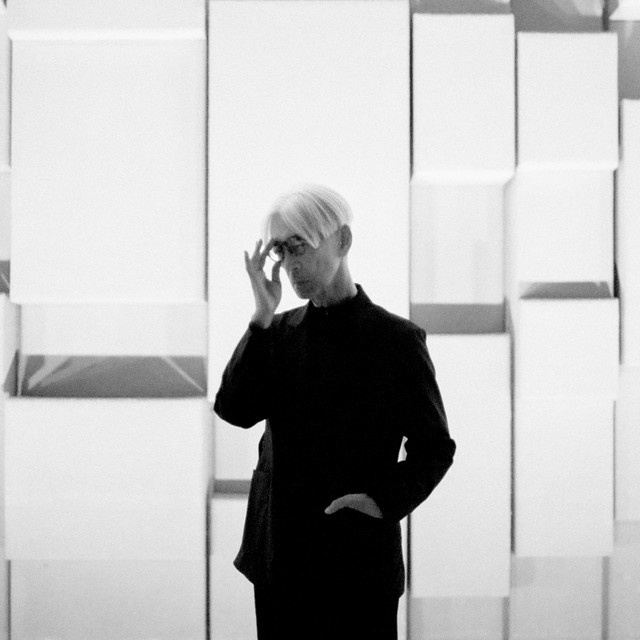
Ryuichi Sakamoto
Drone
Japanese Classical
Ambient
1
/5
Various Artists
Afro-Funk
Alternative Rock
Ambient
5
/5
Lana Del Rey
Art Pop
Pop
Alternative Pop
5
/5
Billie Eilish
Art Pop
Pop
Alternative Pop
5
/5
Hans Zimmer
Country Dawn
Soundtrack
Classical
4
/5
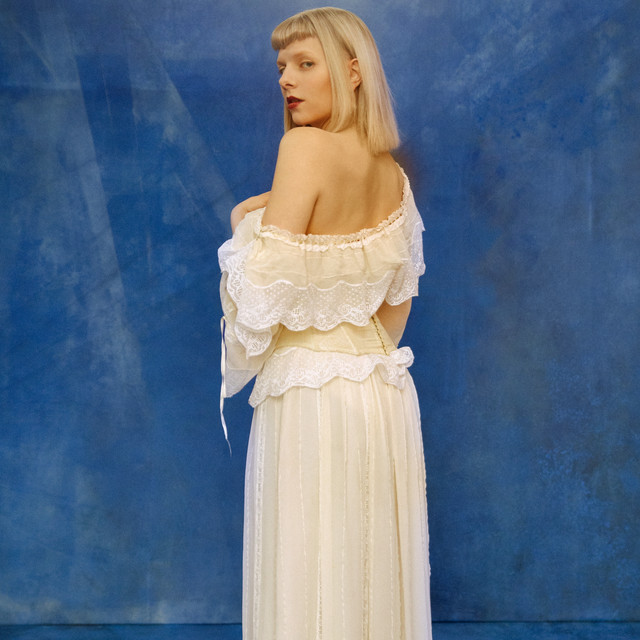
AURORA
Art Pop
Norwegian Pop
Pop
4
/5
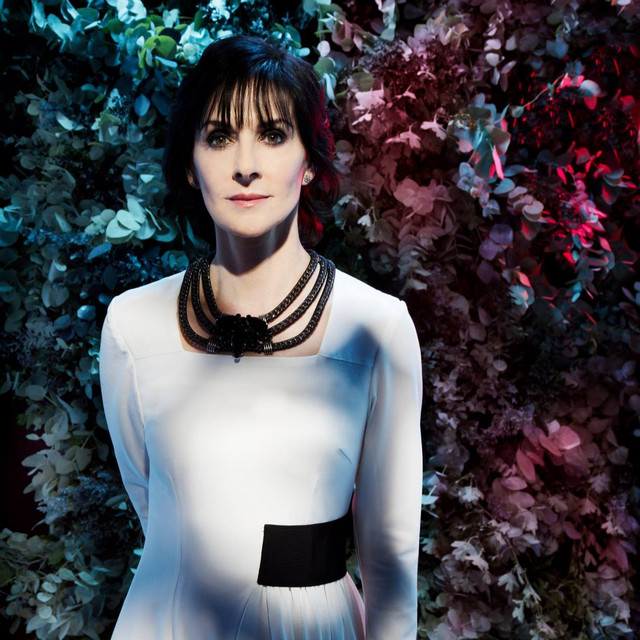
Enya
Celtic
Gregorian Dance
New Age
4
/5
Suki Waterhouse
Chill Pop
Indie Dream Pop
Indie Pop
4
/5
Kate Bush
Art Rock
Art Pop
Baroque Pop
4
/5
Joe Hisaishi
Japanese Classical
Anime
Cinematic Classical
Download our mobile app
Get the Melodigging app and start digging for new genres on the go
Download on the App Store
Get it on Google Play
© 2026 Melodigging
Give feedback
Legal
Melodding was created as a tribute to
Every Noise at Once
, which inspired us to help curious minds keep digging into music's ever-evolving genres.