Genres
Artists
Albums
Make Music
Sign in
Sign in
Artists
Acid House
Artists
Acid House
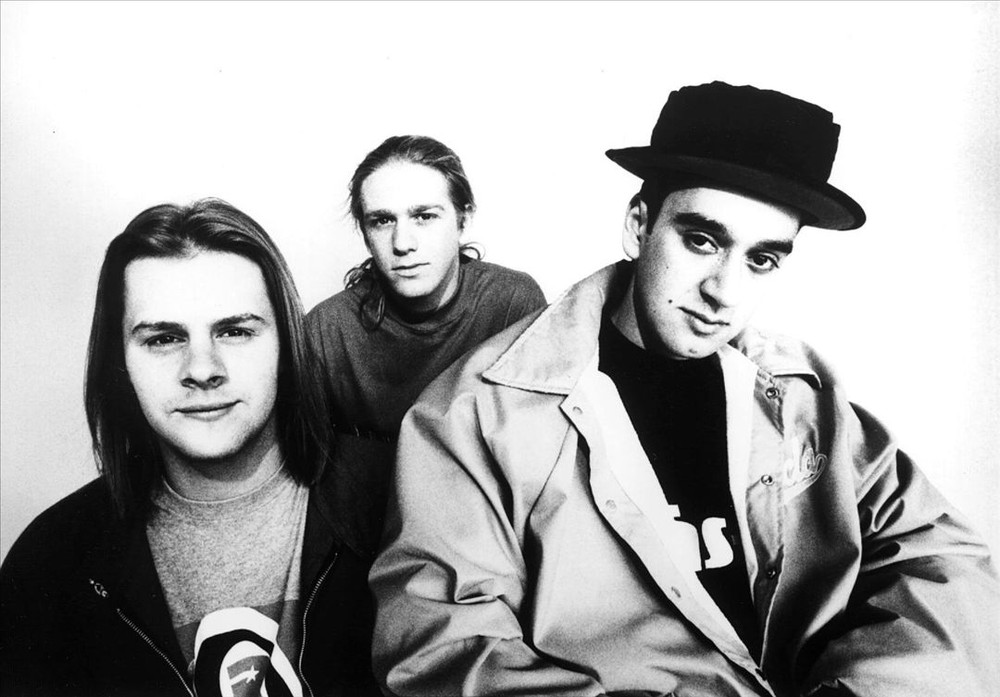
Jungle Brothers
2003
·
1 album
Listen
3
/5
Genres
Chill Drill
Chill drill is a mellow, melodic offshoot of UK drill that keeps the style’s distinctive sliding 808s, syncopated hi-hats, and snare-on-3 placement, but softens the overall timbre and mood. Instead of ominous synths and harsh textures, it leans on airy pads, Rhodes pianos, gentle guitar loops, and lo‑fi ambience. Vocals tend to be more introspective and tuneful, with sing-rap hooks, laid-back cadences, and reflective lyric themes (romance, ambition, day-to-day life). The result bridges drill’s rhythmic identity with chillhop and lo‑fi hip hop’s relaxed atmosphere, creating tracks that are both groove-driven and easy to live with.
Discover
Listen
Jungle Terror
Jungle terror is a high-impact festival style of electronic dance music that fuses the punch of big-room and electro house with hyper-percussive, "tribal" drum programming. Rather than relying on massive supersaw leads, it centers on toms, congas, wooden blocks, clacks, and animalistic shouts that drive the drop. Typically around 128–135 BPM, its arrangements emphasize tension-and-release: long risers, vocal calls, and cinematic breaks snap into sparse, tom-led drops with heavy sub-kicks and syncopated patterns. The overall aesthetic is wild, raw, and rhythmic—designed for large dancefloors and open-air festival stages.
Discover
Listen
Lo-Fi Hip Hop
Lo-fi hip hop is a mellow, sample-driven offshoot of hip hop that emphasizes warm, imperfect textures, simple loops, and relaxed grooves over virtuosic rapping or dense production. Producers often foreground tape hiss, vinyl crackle, and bit-depth artifacts to evoke a cozy, worn-in feeling that complements the genre’s minimal, repetitive structures. Built from boom-bap drum programming, jazzy chord progressions, and short melodic motifs, lo-fi hip hop typically functions as instrumental background music for reading, studying, or unwinding. Its aesthetics are closely tied to internet culture—especially 24/7 livestreams and anime-inspired visuals—making it one of the most recognizable “ambient hip hop” sounds of the streaming era.
Discover
Listen
Deep Indie Pop
Deep indie pop is a moody, finely textured branch of indie pop that favors introspective songwriting, soft-focus production, and intimate vocal delivery. It sits between bedroom pop and dream pop, borrowing lo‑fi warmth and hazy ambience while maintaining the hook sensibility of pop. Compared with mainstream indie pop, the "deep" variant leans toward slower to mid‑tempo grooves, lush synth pads, chorus‑soaked guitars, and subdued drum programming. Lyrics often explore memory, late‑night reflection, and bittersweet romance, presented with close‑miked, breathy vocals and understated arrangements.
Discover
Listen
Acid House
Acid house is a subgenre of house music defined by the squelching, modulated basslines of the Roland TB-303 bass synthesizer-sequencer, typically set against a steady 4/4 drum pattern. It emerged in the mid-1980s club culture of Chicago, with formative 303 experiments credited to artists like Phuture and Sleezy D around 1986, and parallel early-1980s experiments occasionally cited in Mumbai’s nascent electronic scene. The style emphasizes hypnotic repetition, filter resonance, accent/slide programming, and minimalist arrangements that build intensity through real-time knob-tweaking rather than harmonic complexity.
Discover
Listen
Chicago House
Chicago house is the original strain of house music that emerged from Chicago’s club scene in the mid to late 1980s. Built around a four-on-the-floor kick, syncopated hi‑hats, handclaps, and looping basslines from affordable drum machines and synths, it translated the energy of disco and boogie into a raw, hypnotic, DJ‑friendly format. The sound was forged by resident DJs and producers associated with venues like The Warehouse, Music Box, and Power Plant, as they extended and reworked soulful, gospel-tinged dance records into long, functional grooves. Early Chicago house is often sparse and gritty—driven by TR‑808/909 patterns, piano stabs, deep pads, and call‑and‑response vocals—designed first and foremost for the dance floor.
Discover
Listen
Hip House
Hip house is a hybrid dance style that fuses the four-on-the-floor pulse and synthesizer-driven textures of house music with the rhythmic vocal delivery and party-centric lyricism of hip hop. Emerging in the late 1980s, especially in Chicago and quickly spreading to New York and the UK, hip house pairs drum machine grooves, piano/organ stabs, and catchy house hooks with MC-led verses and crowd-rousing chants. The result is music that is relentlessly club-focused, upbeat, and designed for rap-led call-and-response over pumping house beats. While often minimal in harmony, hip house is maximal in energy—characterized by brisk tempos, prominent kicks on every beat, and charismatic, sometimes humorous lyrics that celebrate the dancefloor and DJ culture.
Discover
Listen
Jazz Rap
Jazz rap is a hip hop subgenre that fuses the rhythmic delivery and sampling aesthetics of rap with the harmonies, timbres, and improvisational spirit of jazz. Producers typically build beats from jazz records—especially 1950s–1970s hard bop, soul jazz, cool jazz, and jazz-funk—chopping horn stabs, upright bass lines, brushed drums, and electric piano loops into laid‑back, head‑nod grooves. Lyrically, jazz rap often leans toward socially conscious themes, storytelling, and playful wordplay, delivered with a cool, conversational flow. The result is a warm, swing‑inflected sound that sits between boom bap hip hop and jazz tradition: sample‑centric but musical, relaxed yet deeply groove‑driven, and frequently enriched by live instrumentation.
Discover
Listen
East Coast Hip Hop
East Coast hip hop is a regional style of hip hop that emerged in New York City and the surrounding Northeastern United States. It is characterized by complex lyricism, dense rhyme schemes, gritty urban storytelling, and sample-heavy production that draws from funk, soul, and jazz records. Rhythmically, the sound is often associated with "boom-bap" drum patterns—hard-hitting kicks and crisp snares at moderate tempos—alongside chopped breakbeats, basslines, and DJ techniques such as scratching. The approach places the MC’s voice, cadence, and wordplay at the center, while the producer crafts a textured, crate-dug backdrop. Culturally, East Coast hip hop foregrounds authenticity, social commentary, and competitive MCing, while its crews and collectives (from Juice Crew to Native Tongues and Wu-Tang Clan) helped define hip hop’s golden age and set standards for lyrical excellence and sample-based beatmaking.
Discover
Listen
Old School Hip Hop
Old school hip hop is the earliest commercially recorded form of hip hop and the original template for the culture’s recorded sound. The term generally refers to music made from the early Bronx party era of 1973 through roughly 1983, before the harder, more sample‑dense “new school” sound took hold. Musically, it centers on extended breakbeats drawn from funk and disco records, live turntable techniques (cutting, backspinning, and early scratching), simple but infectious drum programming (often with the TR‑808), and crowd‑engaging MC routines. Rapping tends to feature clear enunciation, party chants, call‑and‑response, braggadocio, and narrative vignettes, delivered over steady 4/4 grooves in the 95–112 BPM range. Culturally, old school hip hop grew out of DJ‑led block parties, b‑boy/b‑girl dance breaks, and the Jamaican sound‑system tradition, and it codified the core pillars of the hip hop ethos: DJing, MCing, breaking, and graffiti.
Discover
Listen
Hip Hop
Hip hop is a cultural and musical movement that emerged from Black, Latino, and Caribbean communities, centering around rapping (MCing), DJing/turntablism, sampling-based production, and rhythmic speech over beats. It prioritizes groove, wordplay, and storytelling, often reflecting the social realities of urban life. Musically, hip hop is built on drum-centric rhythms (from breakbeats to 808 patterns), looped samples, and bass-forward mixes. Lyrically, it ranges from party anthems and braggadocio to political commentary and intricate poetic forms, with flow, cadence, and rhyme density as core expressive tools. Beyond music, hip hop encompasses a broader culture, historically intertwined with graffiti, b-boying/b-girling (breakdance), fashion, and street entrepreneurship, making it both an art form and a global social language.
Discover
Listen
Show all 11 genres
Albums
2003
3
/5
Dôme Ibiza - The Chill-Out Session, Vol. 2
Jungle Brothers
Acid House
Chicago House
Hip House
Similar artists
1
/5
Various Artists
Afro-Funk
Alternative Rock
Ambient
2
/5
Bizarre Inc
Chicago House
Acid House
Diva House
2
/5
Jamie Principle
Chicago House
Acid House
Gamecore
2
/5
Farley "Jackmaster" Funk
Chicago House
Acid House
Detroit Sound
1
/5
Master C & J
Chicago House
Acid House
Hip House
3
/5
Fast Eddie
Acid House
Chicago House
Footwork
3
/5
Mc Action
Acid House
Chicago House
Hip House
2
/5
Steve "Silk" Hurley
Acid House
Chicago House
Hip House
2
/5
Tyree Cooper
Acid House
Chicago House
Hip House
2
/5
FPI Project
Italo House
Acid House
Chicago House
Download our mobile app
Get the Melodigging app and start digging for new genres on the go
Download on the App Store
Get it on Google Play
© 2026 Melodigging
Give feedback
Legal
Melodding was created as a tribute to
Every Noise at Once
, which inspired us to help curious minds keep digging into music's ever-evolving genres.