Genres
Artists
Albums
Make Music
Sign in
Sign in
Artists
Acid House
Artists
Acid House
Fast Eddie
Listen
3
/5
Genres
Deep Euro House
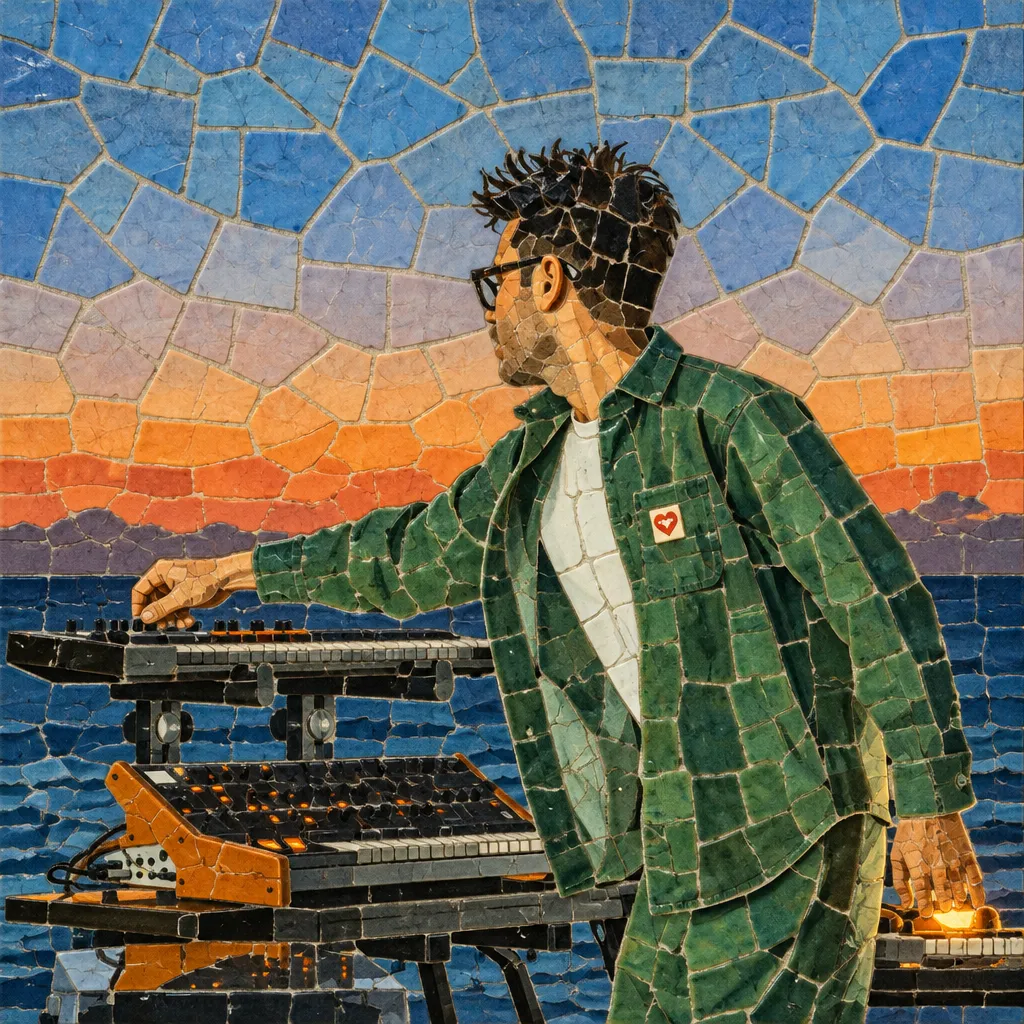
Deep Euro House is a European-bred, melodically rich branch of deep house that blends club-ready four‑on‑the‑floor grooves with warm, emotive sound design and pop-aware songcraft. It favors lush pads, silky basslines, soft piano or guitar stabs, and subtly processed vocals, often in minor keys with bittersweet chord changes. Compared with classic Chicago deep house, Deep Euro House leans more cinematic and refined: filtered synth swells, sidechained textures, airy reverbs, and clean, modern low end. Tempos typically sit around 118–124 BPM, with grooves that feel unhurried yet propulsive—equally at home on late-night dancefloors and in headphone listening. The "Euro" aspect reflects not only its geography (Germany, Switzerland, France, the Netherlands, Austria, Belgium) but also a melodic sensibility shaped by European club culture, indie electronica, and Balearic moods: wistful, romantic, and polished without losing house’s foundational swing.
Discover
Listen
Jungle Terror
Jungle terror is a high-impact festival style of electronic dance music that fuses the punch of big-room and electro house with hyper-percussive, "tribal" drum programming. Rather than relying on massive supersaw leads, it centers on toms, congas, wooden blocks, clacks, and animalistic shouts that drive the drop. Typically around 128–135 BPM, its arrangements emphasize tension-and-release: long risers, vocal calls, and cinematic breaks snap into sparse, tom-led drops with heavy sub-kicks and syncopated patterns. The overall aesthetic is wild, raw, and rhythmic—designed for large dancefloors and open-air festival stages.
Discover
Listen
Future House
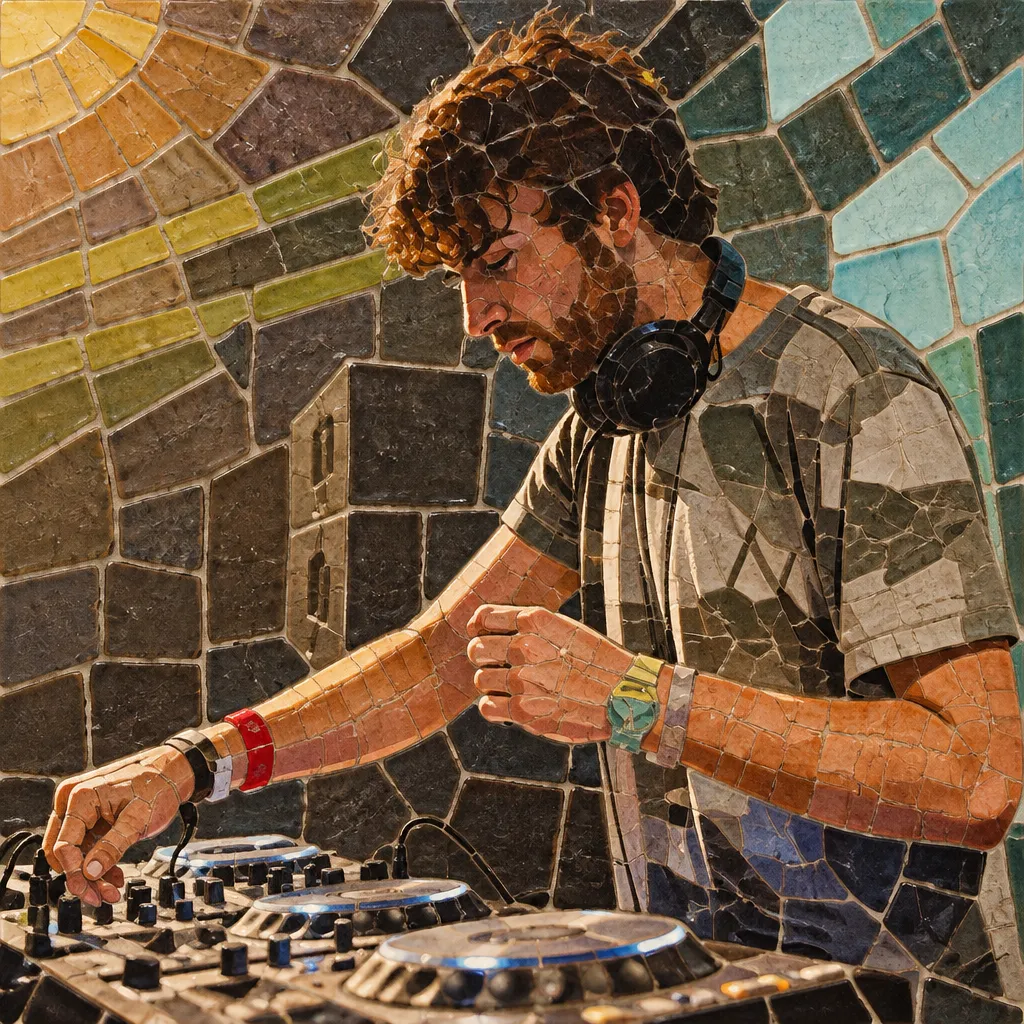
Future house is a mid‑2010s strain of house music known for rubbery, plucked bass leads, clean and punchy drums, and streamlined, drop‑focused arrangements. It bridges the groove and warmth of deep/UK house with the sheen and impact of big‑room/electro‑house, often featuring metallic or organ‑like bass timbres that “speak” melodically. Typical tracks sit around 124–128 BPM, use tight sidechain compression for a pumping feel, and contrast sparse, atmospheric breakdowns with hooky, syncopated bass drops. Vocals, when present, are concise—often chopped or pitched—and the sound design emphasizes clarity, swing, and a modern, club‑ready polish.
Discover
Listen
Rally House
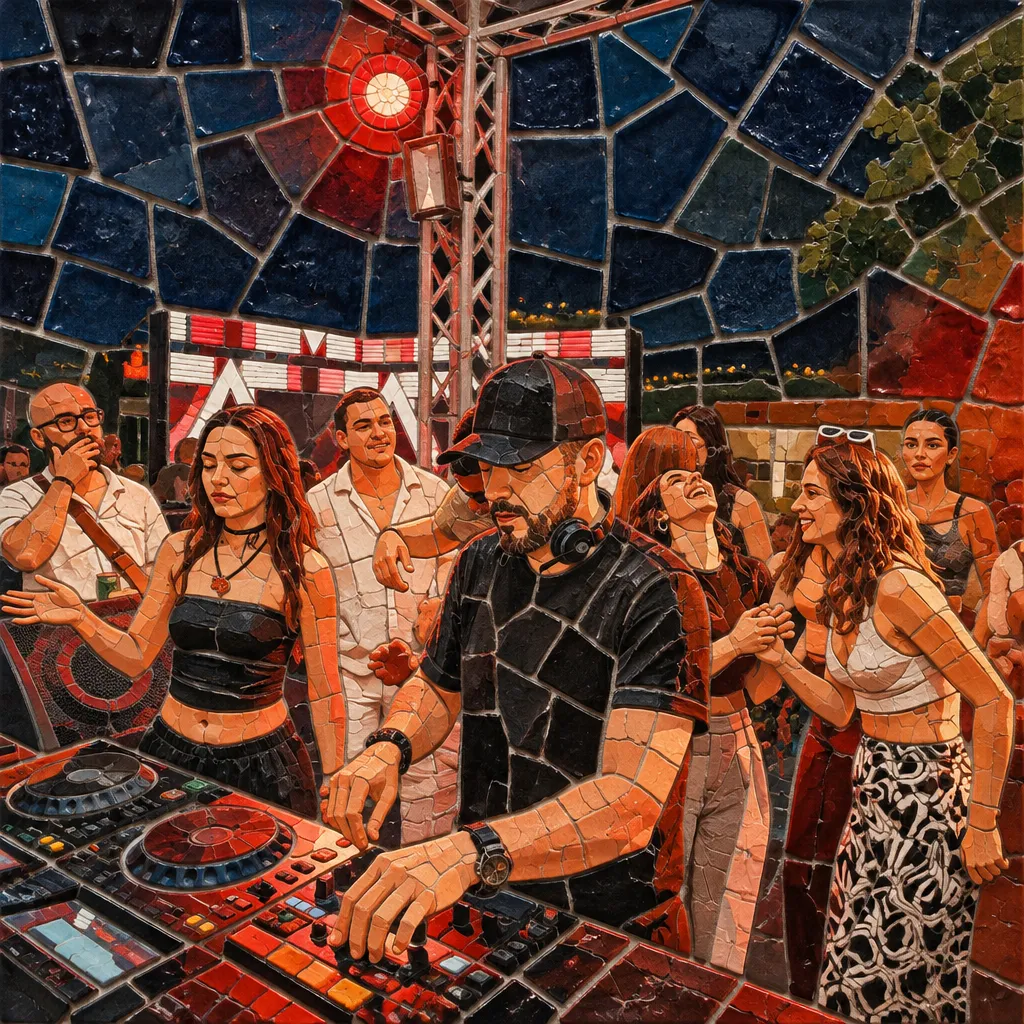
Rally house is a high-energy, festival-oriented strain of house music engineered to rally large crowds in arenas, stadiums, and mainstage settings. It blends the punchy four-on-the-floor of big-room and electro house with anthem-like melodic hooks, noisy risers, and explosive drops meant to trigger mass call-and-response. Typical productions sit around 126–130 BPM, feature supersaw leads, hard-hitting kicks with strong sidechain pumping, and dramatic, tension-building breakdowns that bloom into maximal, chant-ready drops. Producers frequently use crowd chants, claps, brass stabs, snare rolls, white-noise sweeps, and simple, triumphant chord progressions to maximize immediacy and impact.
Discover
Listen
Uk Jackin
UK jackin is a bass-forward strain of house and UK garage that emerged in the UK during the early 2010s. It blends the swing and shuffle of garage with the chunky, percussive drive of house, emphasizing rubbery low‑end riffs, organ stabs, and chopped R&B or soul vocals. Compared with classic Chicago jackin’ house, the UK variant is darker and punchier, drawing heavily from bassline and UK bass aesthetics. Tracks typically sit around 124–130 BPM, use swung drums and syncopated bass patterns, and are arranged with DJ‑friendly intros, tension‑building breakdowns, and emphatic drops.
Discover
Listen
Footwork
Footwork (often called juke or Chicago juke) is a high‑velocity, sample‑driven form of electronic dance music that emerged from Chicago’s battle‑dance culture. Built around stuttering, off‑grid percussion at roughly 160 BPM, it uses chopped vocal snippets, booming sub‑bass, and rapid toms, claps, and snares arranged in highly syncopated patterns that are not locked to a constant 4/4 kick. Producers frequently slice fragments of rap, R&B, pop, and soul into call‑and‑response hooks that interact with dancers on the floor. The result is a tense, kinetic sound designed for competitive circles as much as for clubs and headphones.
Discover
Listen
Tech House
Tech house is a dancefloor-focused fusion of techno’s precision and house music’s groove. It emphasizes stripped‑back, percussive rhythms, rolling basslines, and clean, punchy drums, typically in the 120–130 BPM range. Compared to straight techno, tech house is funkier and more shuffle-oriented; compared to classic or deep house, it is darker, more minimal, and more machine-driven. Tracks often feature long DJ‑friendly intros/outros, subtle automation, sparse vocals or chopped one‑shots, and a strong emphasis on groove continuity over big melodic moments. Sound design favors tight 909/808-style drums, crisp open hats, snappy claps, subby or mid‑bass riffs, and understated stabs or chords. Modern tech house has broadened from its 1990s underground UK roots to global festival and club contexts, retaining its core identity of percussive drive and streamlined arrangements.
Discover
Listen
Acid House
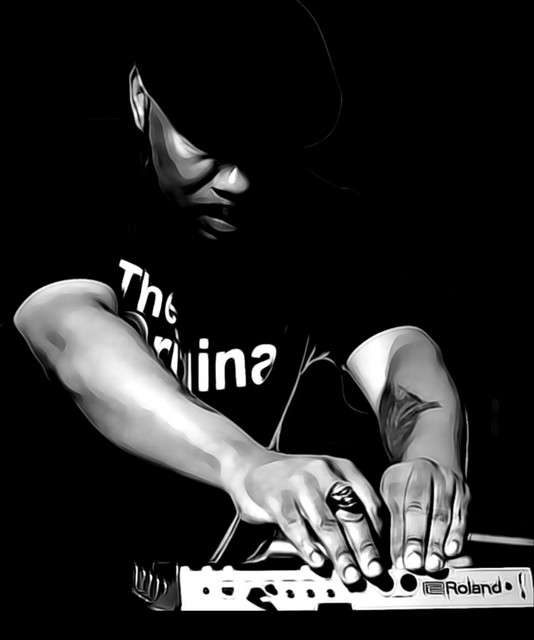
Acid house is a subgenre of house music defined by the squelching, modulated basslines of the Roland TB-303 bass synthesizer-sequencer, typically set against a steady 4/4 drum pattern. It emerged in the mid-1980s club culture of Chicago, with formative 303 experiments credited to artists like Phuture and Sleezy D around 1986, and parallel early-1980s experiments occasionally cited in Mumbai’s nascent electronic scene. The style emphasizes hypnotic repetition, filter resonance, accent/slide programming, and minimalist arrangements that build intensity through real-time knob-tweaking rather than harmonic complexity.
Discover
Listen
Chicago House
Chicago house is the original strain of house music that emerged from Chicago’s club scene in the mid to late 1980s. Built around a four-on-the-floor kick, syncopated hi‑hats, handclaps, and looping basslines from affordable drum machines and synths, it translated the energy of disco and boogie into a raw, hypnotic, DJ‑friendly format. The sound was forged by resident DJs and producers associated with venues like The Warehouse, Music Box, and Power Plant, as they extended and reworked soulful, gospel-tinged dance records into long, functional grooves. Early Chicago house is often sparse and gritty—driven by TR‑808/909 patterns, piano stabs, deep pads, and call‑and‑response vocals—designed first and foremost for the dance floor.
Discover
Listen
Hip House
Hip house is a hybrid dance style that fuses the four-on-the-floor pulse and synthesizer-driven textures of house music with the rhythmic vocal delivery and party-centric lyricism of hip hop. Emerging in the late 1980s, especially in Chicago and quickly spreading to New York and the UK, hip house pairs drum machine grooves, piano/organ stabs, and catchy house hooks with MC-led verses and crowd-rousing chants. The result is music that is relentlessly club-focused, upbeat, and designed for rap-led call-and-response over pumping house beats. While often minimal in harmony, hip house is maximal in energy—characterized by brisk tempos, prominent kicks on every beat, and charismatic, sometimes humorous lyrics that celebrate the dancefloor and DJ culture.
Discover
Listen
Show all 10 genres
Similar artists
1
/5
Various Artists
Afro-Funk
Alternative Rock
Ambient
1
/5
Steve Poindexter
Acid House
Baltimore Club
Bleep Techno
3
/5
Cajmere
Baltimore Club
Chicago House
Footwork
3
/5
Jungle Brothers
Acid House
Chicago House
Hip House
3
/5
Waxmaster
Baltimore Club
Chicago House
Footwork
3
/5
Mc Action
Acid House
Chicago House
Hip House
2
/5
Jamie Principle
Chicago House
Acid House
Gamecore
2
/5
Steve "Silk" Hurley
Acid House
Chicago House
Hip House
2
/5
Tyree Cooper
Acid House
Chicago House
Hip House
2
/5
Parris Mitchell
Acid House
Chicago House
Footwork
Download our mobile app
Get the Melodigging app and start digging for new genres on the go
Download on the App Store
Get it on Google Play
© 2026 Melodigging
Give feedback
Legal
Melodding was created as a tribute to
Every Noise at Once
, which inspired us to help curious minds keep digging into music's ever-evolving genres.